


Fasting, or Vrat, is a powerful spiritual practice deeply rooted in Indian tradition. It is believed to purify not only the body, but also the mind and soul. However, many people unintentionally make mistakes that turn fasting into a struggle instead of a harmonious experience.
To help you observe your fast more effectively, here is a complete guide to the 10 most common Vrat mistakes -but first, let’s start with a short story that beautifully illustrates why fasting needs both devotion and wisdom
🌸 Aarti’s Awakening: A Short Story of Her First Vrat Journey

Aarti had always admired her grandmother’s serene glow during every fasting day. She often wondered how someone could remain so calm, cheerful, and energetic while abstaining from food. Motivated by faith and curiosity, Aarti decided to observe her very first Vrat on a sacred Monday.
She woke up before sunrise, bathed, lit a diya, and offered flowers to the deity. Her heart was filled with excitement, devotion, and a beautiful sense of purpose.
But as the day progressed, Aarti’s enthusiasm slowly began to fade.
By mid-morning, her stomach growled loudly. By noon, her head throbbed lightly. And by late afternoon, Aarti felt so drained that even folding her hands in prayer felt like an effort. Instead of feeling spiritually uplifted, she felt irritated and restless.
When the time came to break her fast, she ate too quickly -grabbing fried snacks, sweets, and heavy foods. Within minutes, she felt bloated, sluggish, and uncomfortable. She couldn’t understand why something meant to purify the soul felt like a burden.
That evening, she sat beside her grandmother and admitted,
“Nani, I tried so hard but I just felt tired, hungry, and frustrated. I think I did something wrong.”
Her grandmother smiled gently and placed her hand on Aarti’s head.
“Beta, fasting is not just about skipping meals. It’s about balance -caring for your body while nurturing your soul. Your devotion was pure, but your preparation was not. Vrat should feel peaceful, not painful.”
Aarti reflected deeply. She realized she had skipped water, ignored her fatigue, and eaten heavy foods to break her fast. Determined to do it right, she prepared better the next week.
She hydrated well in the morning, planned light satvik meals, rested when needed, focused on prayers, and broke her fast gently. This time, something magical happened -
Her mind stayed calm, her energy remained steady, and she felt a beautiful inner peace she had never experienced before.
Aarti finally understood that fasting is not about starving the body -it’s about nourishing the soul with mindful discipline.
Just like Aarti, many people unintentionally make simple mistakes during fasting. Let’s explore the most common ones and how you can avoid them.
10 Common Fasting (Vrat) Mistakes & How to Avoid Them
1. Skipping Hydration
The Importance of Hydration:
When fasting, one of the most overlooked aspects is maintaining adequate hydration. Many people focus entirely on food intake and forget that water is just as essential. During a fast, especially if you’re abstaining from food for an extended period, your body is still losing water through sweat, breathing, and waste. Without replenishing your fluids, you can quickly become dehydrated, leading to headaches, dizziness, and fatigue.
How to Avoid It:
Make sure to drink plenty of water during the non-fasting hours. Aim for at least 8 glasses a day, depending on your body size and activity levels. Opt for hydrating foods like watermelon, cucumbers, and fruits high in water content. Herbal teas and coconut water are also excellent choices for staying hydrated, as they provide a refreshing alternative to plain water.
Additional Tip:
Avoid sugary or caffeinated beverages as they can dehydrate your body, even though they may temporarily boost your energy.
2. Overeating During Non-Fasting Hour

The Temptation of Overeating:
After a long day of fasting, it’s natural to feel ravenous when your fasting period ends. However, overeating after fasting is a common mistake that many people make. Eating large portions or indulging in rich, heavy foods can overwhelm your digestive system and cause bloating, discomfort, and indigestion.
How to Avoid It:
Instead of indulging in heavy meals, start by eating a light, well-balanced meal. Focus on easy-to-digest foods like fruits, vegetables, and whole grains. Small, balanced meals throughout the non-fasting hours will help you maintain steady energy levels and prevent digestive discomfort.
Additional Tip:
Eat slowly and mindfully. This allows your body to properly signal when it’s full, preventing you from overeating.
3. Lack of Planning for Nutrient-Rich Meals
Why Nutrient-Rich Meals Matter:
When fasting, you may be cutting out certain foods or restricting your calorie intake, which can sometimes lead to nutrient deficiencies. It's easy to fall into the trap of eating simple foods that are quick and convenient but lack essential nutrients like vitamins, minerals, and proteins. This imbalance can make you feel weak, tired, and irritable.
How to Avoid It:
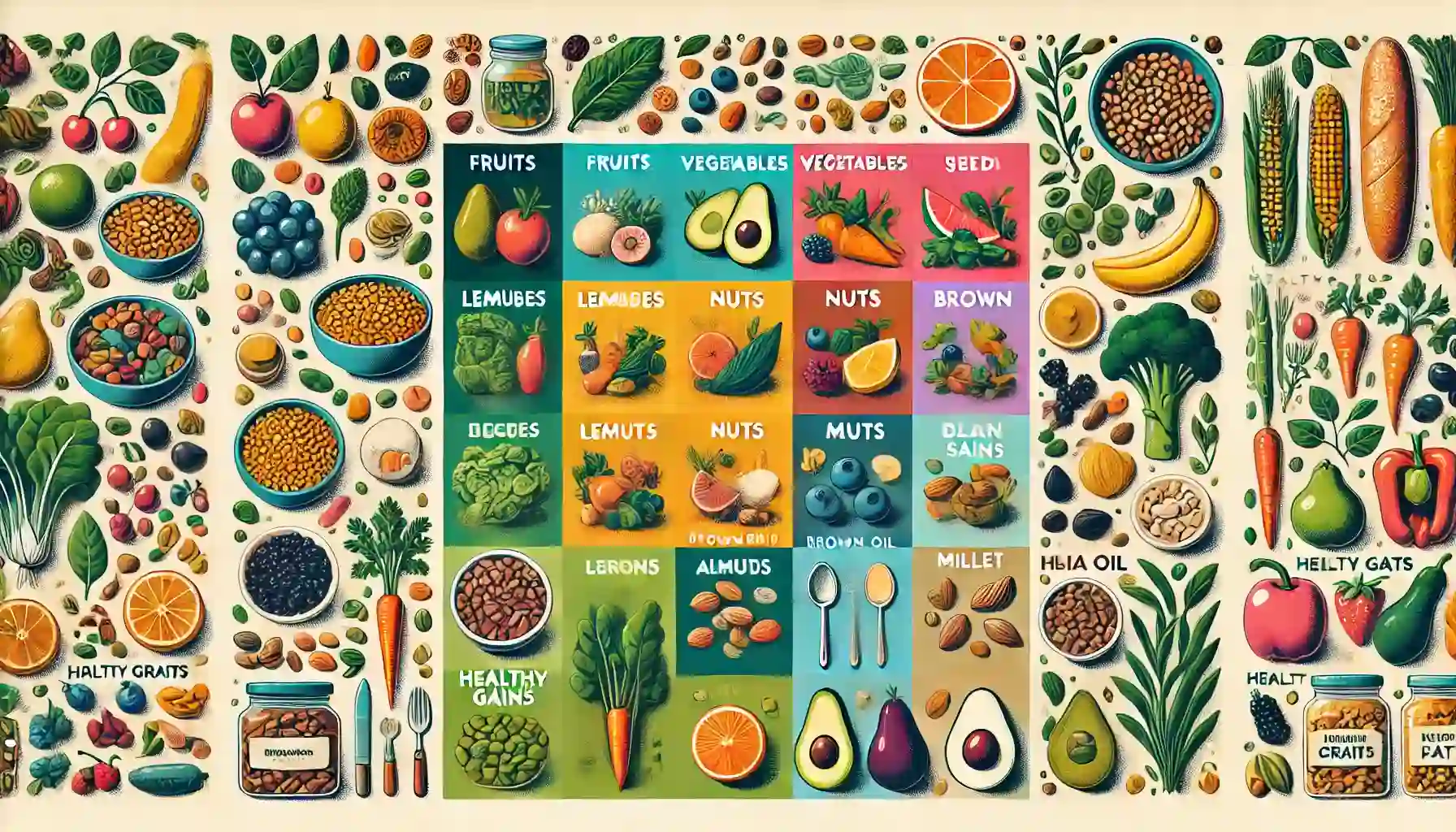
Plan your meals carefully to ensure you're getting a balanced intake of nutrients. Include plenty of fruits and vegetables for vitamins, legumes, nuts, and seeds for protein, and whole grains for fiber. Healthy fats, such as those found in avocados, olive oil, and nuts, are also essential for maintaining energy levels.
Additional Tip:
Consider adding a multivitamin or supplement if you're fasting for extended periods, especially if your diet is restricted.
4. Ignoring Your Body’s Signals
Listening to Your Body:
Fasting is not a one-size-fits-all approach, and your body may react differently to it than you expect. Sometimes, we push through fatigue, hunger, or dizziness thinking it’s part of the fasting experience. However, ignoring your body's signals for too long can result in physical and mental exhaustion.
How to Avoid It:
It’s important to listen to your body and adjust as needed. If you start feeling faint, dizzy, or extremely fatigued, take a break from your fasting practice or reconsider its duration. Fasting should be about discipline, not suffering. You can always ease your fast or switch to a more flexible approach if you’re struggling.
Additional Tip:
If you feel overly fatigued, make sure to take short naps during the day and prioritize relaxation techniques like yoga or meditation.
5. Not Getting Enough Rest
The Need for Extra Rest:
When you’re fasting, your body requires more rest than usual. This is because fasting places stress on the body, and rest is crucial for recovery and energy restoration. Not getting enough sleep or overworking yourself during a fast can result in burnout and a lack of focus, making it harder to maintain your spiritual practices.
How to Avoid It:
Make sure you’re sleeping for 7-9 hours each night. If you’re fasting during the day, take short naps to help recharge your energy. Incorporating calming activities like meditation, reading, or breathing exercises before bed can improve the quality of your sleep.
Additional Tip:
Reduce your physical activity during the fasting period. Try to avoid intense workouts and instead focus on gentle activities like walking or stretching.
6. Not Being Mindful of Your Mental Health
The Mind-Body Connection:
Fasting is not only a physical practice; it’s also deeply connected to mental and emotional well-being. When you fast, it’s important to focus on maintaining a positive and peaceful mindset. Fasting with stress or negativity can interfere with the spiritual and physical benefits you’re hoping to achieve.
How to Avoid It:
Before starting your fast, set clear intentions for your practice. Use mindfulness techniques like meditation, journaling, or prayers to stay centered. This helps create a peaceful and positive experience, which amplifies the spiritual benefits of your fast.
Additional Tip:
If you find yourself feeling frustrated or irritable, pause for a moment and refocus on the deeper purpose of your fast. Take deep breaths and reconnect with your spiritual or personal intentions.
7. Neglecting Electrolyte Balance
Understanding Electrolytes:
Electrolytes like sodium, potassium, and magnesium are essential for maintaining proper muscle function, hydration, and overall well-being. During fasting, especially longer fasts, you may deplete your electrolytes, which can result in muscle cramps, dizziness, or even fainting.
How to Avoid It:
Ensure your meals contain foods that are rich in electrolytes. Bananas, spinach, avocados, and coconut water are great sources. If you’re fasting for extended periods, consider supplementing with an electrolyte drink or tablet to maintain proper levels.
Additional Tip:
Be mindful of your salt intake. While you should avoid over consuming salt, it’s important to have some sodium in your diet to help your body retain water.
8. Fasting for the Wrong Reasons
The Right Intentions Matter:
Fasting can be a deeply spiritual practice, but it’s important to ensure your reasons for fasting are aligned with your personal goals. Fasting for external reasons, such as societal pressures or unrealistic weight-loss goals, can turn it into a negative experience, making it feel like a punishment rather than a journey of self-discipline.
How to Avoid It:
Before starting your fast, reflect on your reasons. Whether it’s for spiritual growth, health benefits, or a personal challenge, ensure that your intentions are pure and aligned with your values. If you’re unsure, take some time to meditate or journal about why you want to fast.
Additional Tip:
Set personal goals for your fasting experience. These could be spiritual goals (like deepening your connection with God) or health goals (such as improving digestion or detoxification).
9. Excessive Physical Activity During Fasting

Physical Activity and Fasting:
Engaging in strenuous exercise while fasting can be exhausting and dangerous. Your body requires more energy to perform high-intensity workouts, and if you don’t provide it with sufficient fuel, you may feel weak, dizzy, or nauseous.
How to Avoid It:
If you want to stay active while fasting, opt for low-intensity activities. Walking, yoga, and light stretching are great ways to stay fit without overexerting yourself. Reserve intense physical activity for your non-fasting periods.
Additional Tip:
You can also modify your fitness routine to include more gentle exercises like pilates, Tai Chi, or breathing exercises, which won’t tax your body during a fast.
10. Not Breaking the Fast Properly

The Importance of Breaking Your Fast:
How you break your fast is just as important as how you maintain it. Breaking your fast abruptly with large, hard-to-digest meals can shock your digestive system and lead to bloating, discomfort, or digestive issues.
How to Avoid It:
Start by breaking your fast with light, easily digestible foods like fruits (e.g., watermelon, apples), a small bowl of soup, or a smoothie. After that, gradually introduce more solid foods, giving your digestive system time to adjust.
Additional Tip:
Avoid fried, greasy, or highly processed foods when breaking your fast. These can cause your digestive system to become sluggish.
Conclusion:
Fasting, when done correctly, can be a deeply enriching experience. By avoiding common fasting mistakes, staying hydrated, planning your meals, resting, and listening to your body, you can make your Vrat supportive of both your physical well-being and your spiritual growth. As you begin your fasting journey, remember: fasting isn’t deprivation, it’s a path to clarity, health, and peace.
Happy fasting!
Call to Action:
Want to deepen your understanding of fasting, health, and spiritual wisdom? Explore these insightful books by Swami Mukundananda:
Start your journey to mindful fasting and holistic living. Grab your copies today!
- The Science of a Healthy Diet
– Learn how diet and fasting impact your body and mind. - Questions You Always Wanted to Ask
– Find practical answers to your spiritual and lifestyle questions. - Bhagavad Gita for Everyday Living
– Apply timeless wisdom to daily life and devotion
Have questions about fasting or spiritual practices? Get guidance from the best:
JKYog Online Classes – Learn from expert teachers.
SMEx Program – Get personal insights directly from Swami Mukundananda.
Sign up here:
JKYog Online Classes: https://www.jkyog.org/online-classes
SMEx Program: https://www.jkyog.org/SMEx
❓ Frequently Asked Questions (FAQs) About Fasting (Vrat)
1. Why do I feel tired or dizzy during fasting?
Feeling tired, dizzy, or low on energy during a fast is usually due to dehydration, electrolyte imbalance, or insufficient sleep. Many people also skip nutrient-rich foods during non-fasting hours.
To avoid this, drink plenty of water before your fast, consume light but nutritious satvik meals, and listen to your body’s signals.
2. What should I eat to break my fast properly?
Breaking your fast with heavy, fried, or sugary foods can shock your digestive system.
It’s best to start with light foods such as:
- Fresh fruits
- Warm soup
- Buttermilk
- Herbal tea
- Light khichdi
Then gradually move to a regular meal once your digestion activates.
3. Can I exercise while fasting?
Yes, but only light exercises are recommended.
Intense workouts can cause fatigue, dizziness, or muscle cramps due to low energy levels. Suitable exercises during Vrat include:
- Walking
- Gentle yoga
- Stretching
- Avoid heavy cardio or weightlifting until after the fast ends.
4. How can I stay energetic and calm during a fast?
To maintain energy and peace during fasting:
- Stay hydrated
- Sleep well the night before
- Practice meditation or chanting
- Avoid stressful situations
- Eat nutrient-rich foods during non-fasting hours
- A calm mind greatly enhances the spiritual benefits of Vrat.
5. What are the most common mistakes people make during Vrat?
Some common mistakes include:
- Skipping hydration
- Eating fried or heavy foods
- Ignoring body signals
- Not planning nutritious meals
- Breaking the fast improperly
- Overexerting physically
Avoiding these mistakes will help you experience a peaceful, healthy, and spiritually enriching
📚 References
Ayurveda & Fasting Principles -Ministry of AYUSH, Government of India
Guidelines on digestive fire (Agni), satvik foods, and fasting benefits.Harvard Health Publishing -Intermittent Fasting & Metabolism
Research on hydration, electrolytes, and avoiding overeating during fasts.National Institute of Nutrition (NIN), India -Dietary Guidelines
Recommendations for balanced nutrition and healthy food planning during Mayo Clinic -Safe Fasting Practices
Insights on managing dizziness, fatigue, and healthy ways to break “The Science of Fasting” -Valter Longo, PhD
Research book on the effects of fasting on body energy, electrolytes, and overall health.