
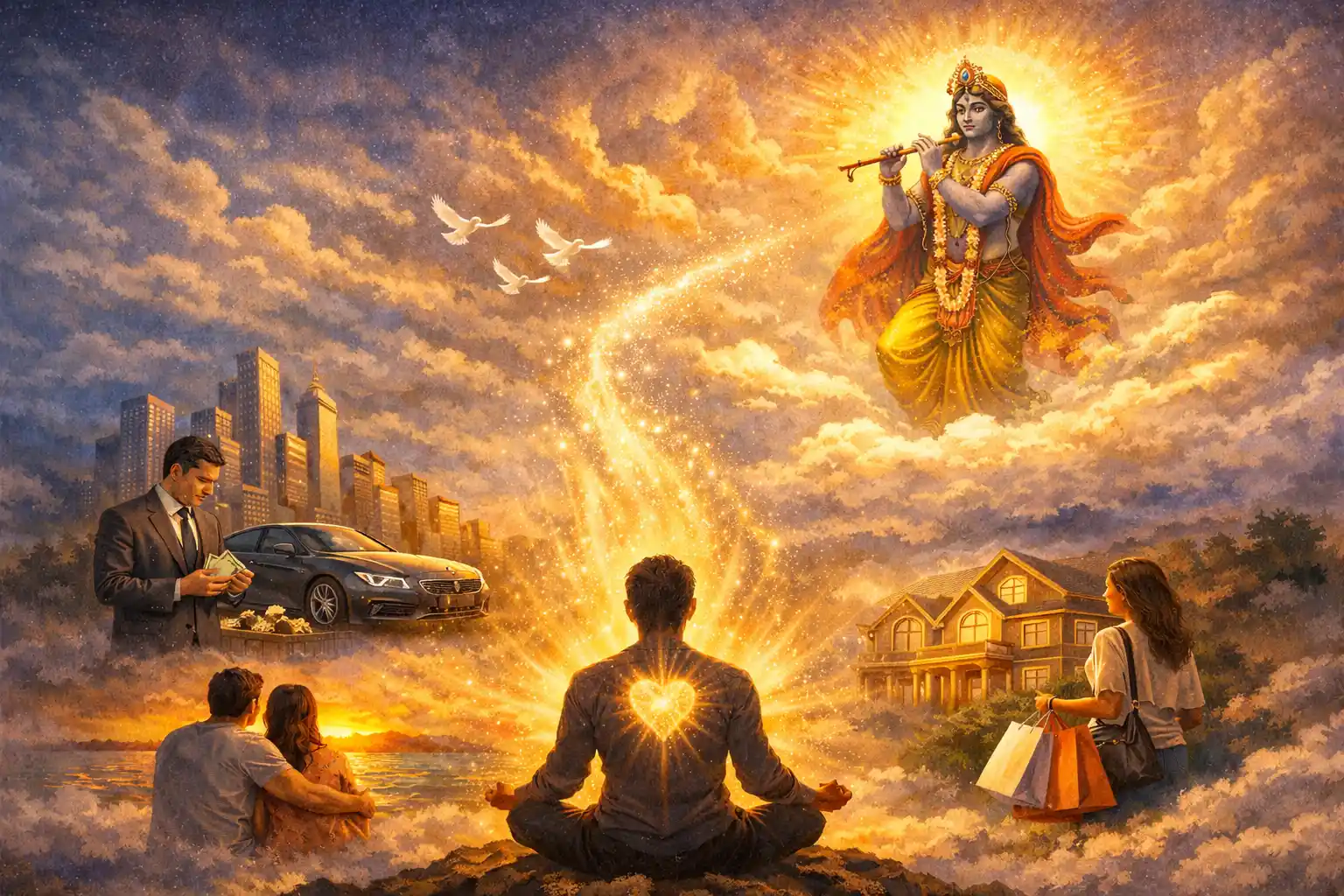
We are all seeking happiness, but an important question remains: are we looking for it in the right place? Despite material success, comfort, or outward achievements, the human heart often feels restless and unfulfilled. This is because, beneath our surface desires, there exists an innate longing for something far deeper–an enduring state of Divine Bliss. The happiness we experience through material accomplishments, changing life circumstances, or even relationships can feel genuine and satisfying for a time, yet it often fades as quickly as it arrives. What once brought joy may later leave us wanting increasingly more happiness, creating a subtle but persistent dissatisfaction.
This constant longing for more happiness exists because we have an innate "gravitational pull" toward God, as our souls are part of the infinite bliss of the Divine. Our soul is a fragment of God, who is described as an infinite ocean of bliss in Swami Mukundananda’s commentary on the Bhagavad Gita – The Song of God, Chapter 2, Verse 15. Just as a drop of water carries the nature of the ocean, the soul naturally seeks the same eternal, ever fresh joy from which it originates. Temporary pleasures, though alluring, cannot fully satisfy a soul that yearns for permanence and depth. We are not merely seeking pleasure; we are seeking meaning, connection, and a joy that does not depend on external conditions. In truth, our deepest fulfillment comes not from fleeting material objects, but from reconnecting with the divine source of happiness that already resides within us.
Eternal, Ever Fresh, Divine Bliss

The Vedas explain that material happiness ultimately fails to satisfy us because the kind of happiness our soul is seeking is SatChitAnanda: the very nature of divine existence.
Sat means eternal. At its deepest level, the soul longs for a happiness that does not fade with time or change with circumstances. Temporary pleasures that arise and disappear, no matter how enjoyable they may seem in the moment, cannot fulfill a soul that yearns for permanence. Material happiness comes and goes, and because it is impermanent, it leaves the heart unsatisfied, still seeking the lasting experience of Sat.
Chit refers to consciousness and awareness, a happiness that is ever fresh and continuously renewing. Unlike worldly pleasures, which diminish with repetition and familiarity, the joy the soul finds in Divine Union does not wear out or lose its sweetness. It is a living, conscious happiness that deepens rather than declines. This explains why external pleasures often bring excitement at first but gradually lose their appeal, while the soul continues to seek something more enduring and meaningful.
Ananda is divine bliss of God, who is the infinite Ocean of Bliss. This is not a happiness dependent on conditions, possessions, or achievements, but a boundless joy that flows from union with the Divine. Because the soul originates from this ocean of bliss, it naturally longs to return to it. Nothing less can truly satisfy its deepest hunger.
The Vedas therefore instruct us to “know God Himself to be happiness.” God is Bhagavan, the Supreme Being who is bliss in every direction: bliss in front, bliss behind, bliss to the left, and bliss to the right. In God there is no absence of joy, no limitation, and no decline. When the soul turns toward this divine source and reconnects with its true origin, it discovers the fulfillment it has been seeking all along; a happiness that is eternal, ever fresh, and complete.
Why Worldly Joy Keeps Fading

The nature of our world is one of constant change. Circumstances shift, people come and go, and external conditions are never fixed or reliable. When our happiness depends on situations, relationships, or material objects, it becomes fragile. The moment any of these change, as they inevitably do, our sense of happiness fades or collapses entirely.
Examples of Fading Worldly Pleasures:
• Material Goods and Wealth: New gadgets, luxury items, and the accumulation of money are temporary delights that in time lose their appeal.
• Sensual Experiences: Pleasures derived from the five senses such as satisfying the palate, seeking luxurious comforts, or indulgence in sensual gratification.
• Relationships: Personal attachments to others that cause heartbreak when they fail to meet expectations.
• Reputation and Social Validation: The craving for fame, power, prestige, and admiration from others.
Happiness in the External World
Searching for lasting joy in the external world is much like a fish seeking nourishment in a baited hook. At first, the bait may taste satisfying and seem to promise fulfillment, but it ultimately becomes a form of poison, drawing the fish closer to capture and the loss of its freedom and life. In the same way, pleasures that depend on external objects are temporary by nature. They do not bring lasting satisfaction but instead give rise to new desires for more pleasure or different pleasures altogether. When those desires are unmet, they often bring about frustration, anger, or resentment. When they are met they can easily bring about attachment and greed. Thus, rather than providing enduring happiness, externally driven pleasures leave us caught in cycles of attachment and desire followed by greed or dissatisfaction.
The Internal Shift to Unlimited Joy

The ultimate and unlimited happiness we seek does not exist somewhere outside of us. It already resides within, because God is seated in the heart. Yet much of life is spent searching outwardly, hoping that people, possessions, achievements, or circumstances will finally bring the fulfillment we long for. The spiritual journey begins when we slowly turn inward and recognize that true bliss cannot be acquired from the external world. It must be discovered and cultivated within.
This inward turning requires a conscious shift of the mind; from its habitual attraction to fleeting, worldly pleasures toward the eternal joy that comes from union with God. Worldly pleasures are temporary by nature. They rise and fall with circumstances and leave the heart restless once they pass. In contrast, divine joy is inexhaustible, ever fresh, and independent of external conditions. As the mind becomes anchored in this higher awareness, happiness is no longer something we chase, but something we begin to experience as our natural state. In reconnecting with the divine presence within, we uncover a source of peace and fulfillment that does not fade, a joy that sustains and transforms us from the inside out.
The Bliss of a Saint, Guru Nanak
Guru Nanak once demonstrated this profound inner fulfillment when he refused bhang offered to him by Babur, the Mughal Badshah who was ruling Delhi at the time. While intoxicating substances were often used to induce pleasure or temporary escape from suffering, Guru Nanak declined the drink without hesitation. He calmly explained to the ruler who offered it that he had no need for such external intoxication, for he was already intoxicated with the bliss of God.
Guru Nanak’s response revealed a deeper truth about spiritual joy. The bliss he experienced did not arise from substances, circumstances, or sensory stimulation, but from constant remembrance and union with the Divine. This divine intoxication was pure, selfsustaining, and ever fresh- far beyond the fleeting effects of any worldly pleasure. His refusal was not an act of rejection, but a quiet teaching: when the heart is filled with God’s presence, nothing external is needed to create happiness. The soul that is immersed in divine bliss naturally becomes free from the desire for temporary pleasures, having already tasted a joy that surpasses all others.
Sage Valmiki and the Bliss of Lord Ram
Sage Valmiki is known for the profound statement, “There is nobody who is not a devotee of Ram.” At first glance, this may seem surprising, yet its meaning is both simple and universal. Everyone, without exception, is a devotee of Ram because everyone is a devotee of happiness. Whether consciously or unconsciously, every human being seeks joy, fulfillment, peace, and wellbeing in their own way.
No one needs to be taught how to seek happiness. because it is an inherent and natural tendency of the human heart. From childhood onward, every action, desire, and aspiration is ultimately driven by the hope of experiencing happiness. Some seek it through relationships, others through success, wealth, recognition, or comfort, yet the underlying motivation remains the same. In this sense, all are devotees, not necessarily of a name or form, but of the happiness that Ram represents. Valmiki’s insight reminds us that the search for happiness is universal, and that beneath our varied pursuits lies a shared longing for the highest and most enduring joy.
The Soul’s True Purpose

The goal and purpose of this life is to fulfill the deepest longing of the soul: to reunite with the eternal, ever fresh bliss of God. At the highest level, the aim of human existence is God Realization, attaining the highest state of consciousness and awakening to our eternal relationship with the Supreme. Although human beings naturally seek happiness in countless ways, true and lasting fulfillment cannot be found through external achievements alone. It arises only when we align our lives with this higher spiritual purpose and begin to live in harmony with our soul’s true nature.
God Realization and Divine Love
The primary purpose of life is to realize the profound truth that we are not merely physical bodies navigating a temporary world, but eternal souls with a divine origin. Our natural state is one of loving relationship with God, rooted in devotion, surrender, and remembrance. When this truth is forgotten, life feels fragmented and incomplete; when it is realized, love becomes the foundation of our existence, and meaning permeates every aspect of life.
Selfless Service (Seva)
A deeper expression of the soul’s purpose is loving service to God and all beings. As Swamiji explains, the soul’s true nature is that of a servant of the Divine. Through selfless service, the ego gradually dissolves, and the heart becomes purified. In giving without expectation and serving with devotion, the soul experiences fulfillment not as a reward, but as a natural consequence of living in alignment with its divine identity.
Consciousness Beyond Instincts
Human life is a rare and precious gift that should not be reduced to the pursuit of instinctual activities such as eating, sleeping, mating, and defending. While animals live according to instinct, human beings are endowed with intellect, selfawareness, and free will. These unique capacities allow us to question our existence, seek higher truths, and consciously choose a life of purpose and spiritual growth. To use this human birth merely for survival and pleasure is to miss its greatest potential—to rise above instinct and move toward selfrealization and divine union.
1. FAQs
1. What is the ultimate purpose of human life according to the Vedas?The Vedas teach that the ultimate purpose of human life is God-realization—reconnecting with the Divine and experiencing eternal, ever-fresh bliss that the soul naturally longs for.
2. Why does worldly happiness feel temporary?Worldly happiness depends on external circumstances such as possessions, relationships, and achievements. Since these constantly change, the happiness derived from them is also temporary.
3. What is Sat-Chit-Ananda?Sat-Chit-Ananda describes the true nature of divine happiness: Sat (eternal), Chit (conscious and ever-fresh), and Ananda (infinite bliss). This is the lasting joy the soul seeks.
4. How can someone experience lasting happiness?Lasting happiness arises from turning inward through spiritual practices such as devotion, remembrance of God, selfless service (seva), and spiritual wisdom.
5. Why do spiritual teachers say the happiness we seek is already within us?Because God resides within the heart, the source of true joy is already present within us. Spiritual growth helps us reconnect with this inner divine presence.
Call to Action
Call to Action (CTA)
Are you ready to stop fumbling in the dark and truly deepen your spiritual journey? There is no better day than today to take the next step. Here is how you can move forward, guided by the infallible wisdom we have discussed:
- Deepen Your Knowledge: Subscribe to Swami Mukundanandaji’s YouTube Channel for daily, clear, and comprehensive teachings that will illuminate the path for your mind and soul.

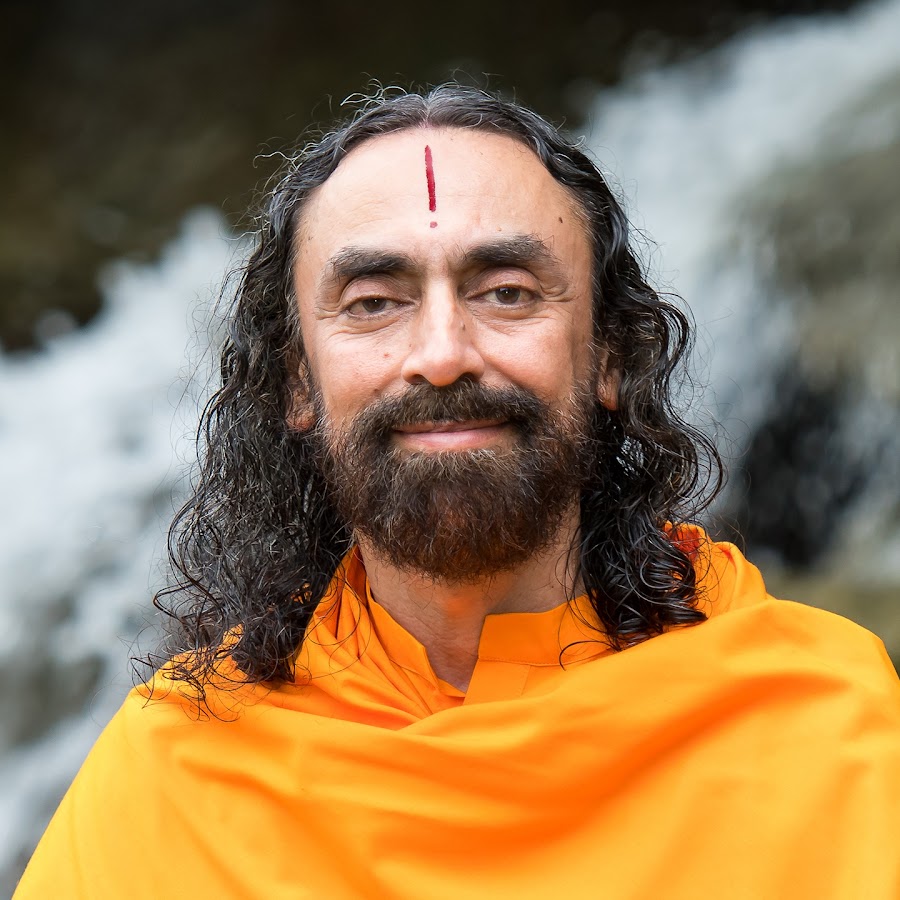
- Take Part Challenges: Download the Bhagavad Gita Krishna Bhakti App and download the "Get Closer to God: A 21-Day Challenge" and take part in a daily 21-day challenge to grow your devotion and knowledge towards God.


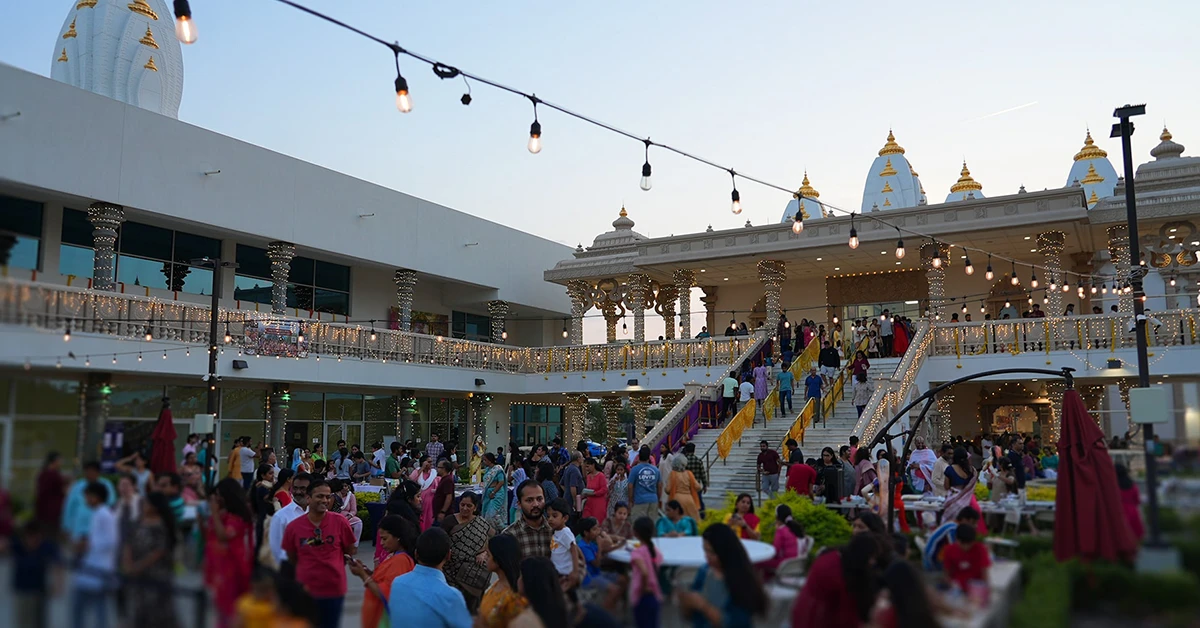
- Visit Us and Connect: Experience the divine vibrations and the strength of a true spiritual community in person! Join us at the Radha Krishna Temple in Dallas, visit our beautiful temple grounds, or attend our upcoming retreats and satsangs to accelerate your spiritual practice.