


In Bhagavad Gita Chapter 12, Krishna guides Arjun step by step on the path of devotion. In verse 12.8, He requested Arjun to fix his mind and intellect upon Him. But Krishna is also deeply compassionate. He knows that many devotees struggle to keep the mind absorbed continuously in God. So, in verses 12.8–12.9, He provides an alternative: if you cannot keep your mind steadily on Me, then practice (abhyas).
In this Part 5 discourse, Swami Mukundananda Ji explains the depth of this teaching. He shows how surrender of mind and intellect forms the heart of Bhakti, why faith is essential, and how practice (abhyas yoga) becomes the ladder for those unable to surrender completely.
Verse 12.8: Offering Mind and Intellect
Bhagavad Gita Chapter 12, Verse 12.8
मय्येव मन आधत्स्व मयि बुद्धिं निवेशय ।
निवसिष्यसि मय्येव अत ऊर्ध्वं न संशयः ॥ १२.८ ॥
🔗 Read the verse here
Translation:
Fix your mind on Me alone and surrender your intellect to Me. Thereafter, you will always live in Me. Of this, there is no doubt.
Swami Ji explains that Krishna asks for two things:
- The mind, which generates desires and emotions.
- The intellect, which makes decisions and directs the mind.
By offering both to God, the devotee achieves complete surrender. Even if the mind gets distracted, the surrendered intellect brings it back, saying: “No, think of God.”
Why Faith is the Foundation of Surrender

Swami Ji illustrates the need for faith through a powerful story. A person falls off a cliff and clings desperately to a tree branch. In panic, he cries out for God’s help. A voice from above tells him: “Let go of the branch.” But he lacks faith and holds on until morning, only to discover he was hanging just a foot above the ground.
The lesson: without faith, surrender remains incomplete. True surrender means trusting God even when situations look uncertain.
Verse 12.9: Abhyas Yoga – The Path of Practice
Bhagavad Gita Chapter 12, Verse 12.9
अथ चित्तं समाधातुं न शक्नोषि मयि स्थिरम् ।
अभ्यासयोगेन ततो मामिच्छाप्तुं धनञ्जय ॥ १२.९ ॥
🔗 Read the verse here
Translation:
If you are unable to steadfastly fix the mind upon Me, then by practice (abhyas yoga) you should seek to reach Me, O Arjun.
Swami Ji explains that Krishna is so merciful. If we cannot surrender the mind and intellect in one stroke, then He allows us to adopt the gradual method of practice. Abhyas yoga means:
- Repeatedly bringing the mind back to God whenever it wanders.
- Cultivating habits of remembrance through conscious effort.
- Training the mind patiently until devotion becomes natural.
Stories & Analogies That Illustrate the Point
The Donkey, Dog, and Owl Years

Swami Ji humorously explains human discontent through this story. God gave man 30 years, but man asked for more. So, God added donkey years (burden of work), dog years (guarding possessions), and owl years (living in darkness). The story reveals that the restless human mind is never satisfied, proving why surrender is so difficult without practice.
👉 It shows how we keep seeking extensions of life but spend them in labor, worry, and ignorance, instead of devotion. The moral is that unless directed toward God, extra years only multiply dissatisfaction.
Neuroscience and Abhyas
Modern science confirms Krishna’s wisdom. Neurons that “fire together, wire together.” Habits form by repetition. Just like a student revises lessons daily to succeed, a devotee must repeat remembrance of God to develop devotion.
👉 This means the brain literally rewires itself through practice. Every time we bring the mind back to God, new divine impressions are strengthened, and worldly tendencies gradually lose their grip.
Martial Arts Analogy

Bruce Lee famously said: “I fear not the man who has practiced 10,000 kicks once, but the man who has practiced one kick 10,000 times.” Swami Ji uses this to show the power of repetition in devotion.
👉 In Bhakti too, mastery is not about variety but depth. Even repeating one divine name with focus thousands of times can transform the heart more than scattered, inconsistent efforts.
Learning to Cycle
Just as cycling requires practice and balance, Bhakti requires steady repetition. Falling is part of learning — but persistence makes it effortless over time.
👉 At first, the devotee may feel unsteady, distracted, or discouraged. But with patience and abhyas, the practice of remembering God becomes as natural as cycling — once learned, it never leaves us.
The Psychology of Abhyas

Swami Ji explains that practice gradually reshapes the sanskaras (mental impressions). The mind resists at first because it has been habituated to worldly attachments. But with repeated effort:
- Old impressions weaken.
- New divine impressions form.
- The mind becomes naturally inclined toward God.
Thus, abhyas yoga is not a one-day effort but a lifelong cultivation of divine tendencies.
Practical Tips for Abhyas Yoga
Swami Ji gives practical advice for applying abhyas yoga daily:
- Daily sadhana: Set aside fixed times for chanting, meditation, or reading scriptures.
- Mindful chanting: Each time the mind wanders, gently bring it back without frustration.
- Mental association: Replace worldly thoughts with thoughts of God whenever possible.
- Consistency over intensity: Small daily practices are better than occasional bursts.
- Patience: Just as habits take time to build, so does devotion.
📌 Key Takeaways from Part 5
- Krishna first asks for surrender of mind and intellect.
- Faith is essential for surrender — without it, we cling to our own branch of doubts.
- If surrender feels difficult, Krishna offers an alternative: Abhyas Yoga.
- Abhyas means repeated, deliberate practice of bringing the mind back to God.
- Neuroscience and psychology confirm Krishna’s teaching: repetition forms habits.
- Stories, analogies, and examples show how patience and practice reshape the mind.
✅ FAQs
❓ What is Abhyas Yoga in Bhagavad Gita Chapter 12?
It is the practice of repeatedly bringing the mind back to God when it gets distracted, gradually training the mind in devotion.
❓ Why is surrender of intellect important?
Because the intellect decides direction. Even if the mind wavers, the surrendered intellect reminds us to stay devoted to God.
❓ How does faith affect surrender?
Faith allows us to trust God fully, even in uncertain situations. Without faith, surrender remains incomplete.
❓ How does practice (abhyas) help devotion?
Repetition weakens worldly habits and creates new divine tendencies, making the mind naturally inclined toward God.
❓ What are practical ways to practice Abhyas Yoga?
Chant daily, redirect thoughts to God, maintain consistency, and be patient with the process.
📚 References
- Shlokas and translations: https://www.holy-bhagavad-gita.org
- Discourse: Swami Mukundananda Ji’s Divine Discourses on Bhagavad Gita Chapter 12, Part 5
🙏 Call to Action


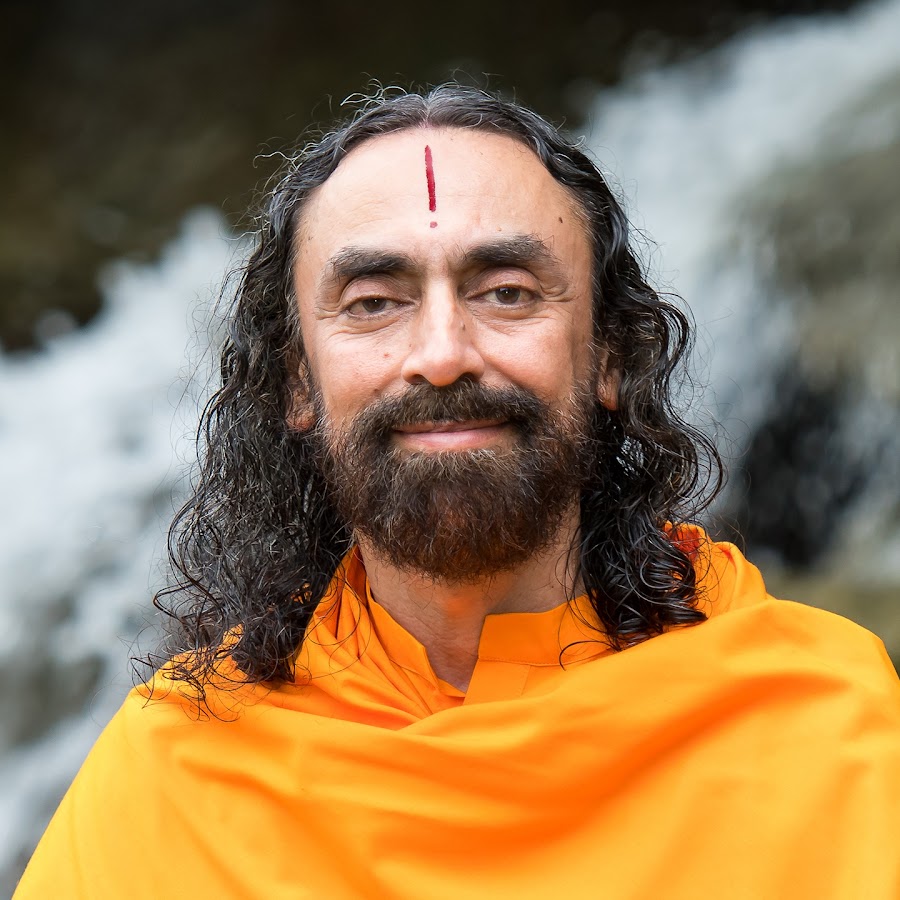
"Swami Mukundananda Official Youtube Channel."


"Bhagavad Gita Krishna Bhakti Channel"
📅 Next Up – Part 6 will be published tomorrow at 8:00 PM CST. Krishna will continue giving further alternatives for those who cannot follow even abhyas yoga.
👉 Stay tuned for the next part!