In Bhagavad Gita Chapter 12, Lord Krishna continues to offer seekers multiple levels of practice. His compassion ensures that no one is excluded from Bhakti Yog. In Part 7, Swami Mukundananda Ji explains Verse 12.12, where Krishna compares rituals, knowledge, meditation, and renunciation. He clarifies that while rituals are important for beginners, higher than rituals is knowledge, higher than knowledge is meditation, and higher than meditation is renunciation of the fruits of action. Renunciation finally brings lasting peace.
This teaching is a ladder that gently guides the seeker from outer actions to inner transformation.
Verse 12.12 – Rituals, Knowledge, Meditation, and Renunciation
Bhagavad Gita Chapter 12, Verse 12.12
श्रेयो हि ज्ञानमभ्यासाज्ज्ञानाद्ध्यानं विशिष्यते ।
ध्यानात्कर्मफलत्यागस्त्यागाच्छान्तिरनन्तरम् ॥ १२.१२ ॥
🔗 Read the verse here
Translation:
"Better than mechanical practice is knowledge; better than knowledge is meditation. Better than meditation is renunciation of the fruits of actions, for peace immediately follows such renunciation."
Rituals – A Necessary but Lower Step
Swami Ji explains that rituals form the foundation for many devotees. They create discipline and an environment of devotion. Fasting on Ekadashi or Shivratri, performing puja, or observing sacred days are beneficial when done with the right intention.
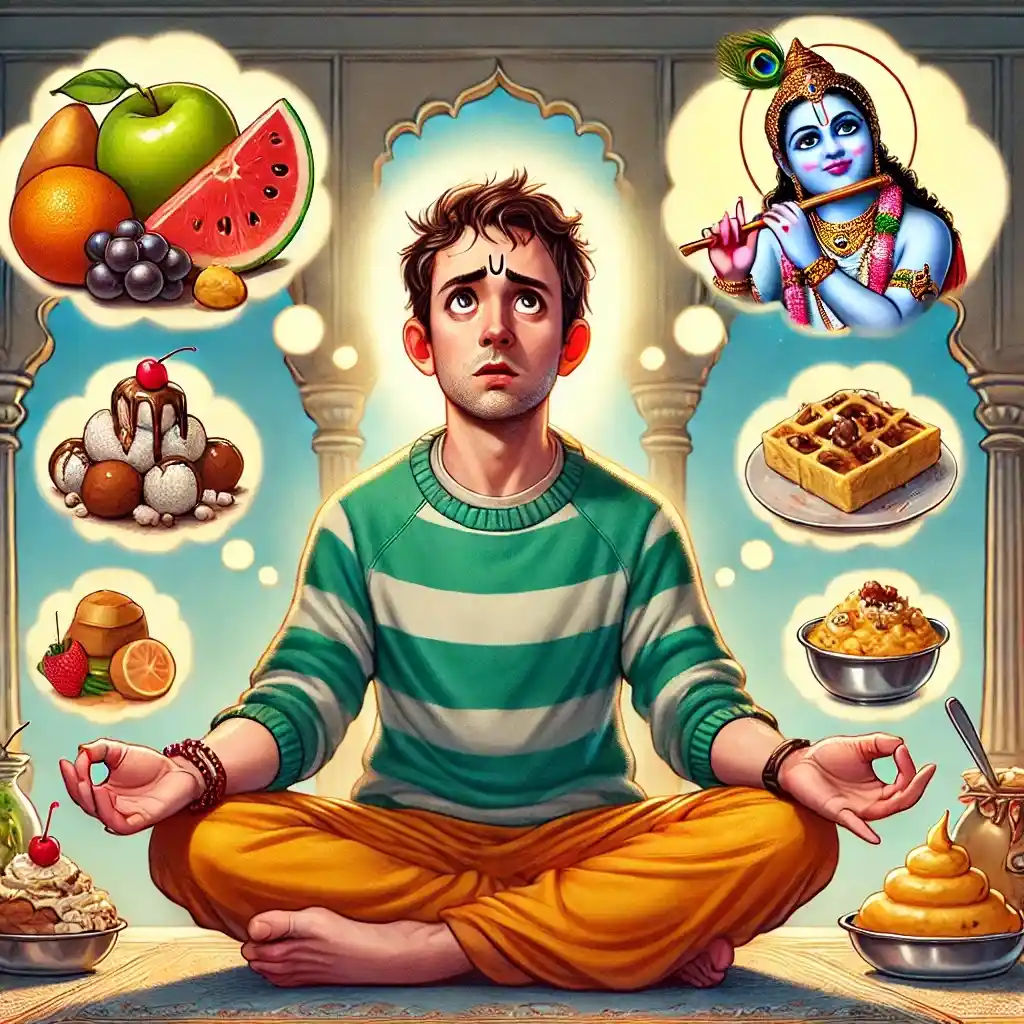
However, the problem arises when rituals become empty formalities. For example:
- On Ekadashi, instead of remembering God, people only think about what food to eat and what to avoid.
- On Shivratri, devotees may fast but spend more time worrying about the rules than on devotion.
Such rituals, when disconnected from God-consciousness, fail to uplift the soul.
Swami Ji reminds us that the true meaning of upavas (fasting) is “to sit near God.” Hence, rituals must be performed as stepping stones, not as ends in themselves.
Knowledge – Creating Reverence and Faith
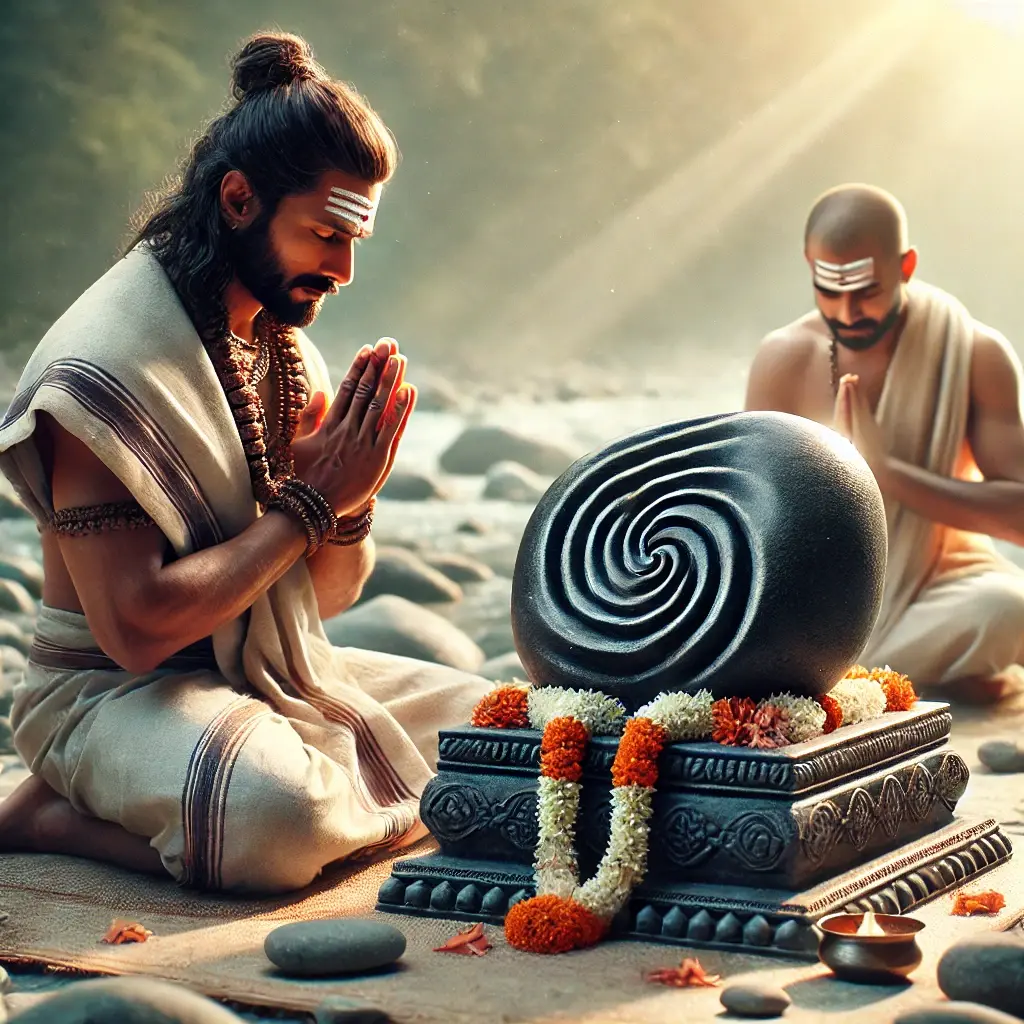
Krishna places knowledge above rituals. Why? Because knowledge creates the right sentiments (bhav). For instance, the scriptures declare that the stone Shaligram is a representation of God. A person who has heard this with faith will bow down with reverence. Knowledge builds belief and steadies devotion.
Swami Ji explains that without knowledge, rituals can become mechanical. But with knowledge, even a simple act like offering a flower becomes powerful because the heart is engaged in devotion.
Meditation – Applying Knowledge in Practice

Krishna further states that meditation is superior to knowledge. Knowledge is intellectual understanding, but meditation transforms that knowledge into living experience.
Swami Ji gives the example: one may know the benefits of exercise, but without practice, health will not improve. Similarly, one may understand God’s glories, but unless one meditates, remembers, and connects the mind, the heart will not transform.
Meditation converts theory into realization. It deepens faith and strengthens the connection with God.
Renunciation – The Path to Peace
Finally, Krishna declares that higher than meditation is renunciation of the fruits of actions. This is the ultimate practice that leads directly to peace.
Swami Ji explains: when we work, we naturally desire results. But attachment to results creates anxiety, anger, and disappointment. By renouncing the fruits, we work sincerely yet let go of stress. Success and failure belong to God; our duty is only effort.
Story: The Woman Searching for Peace
Swami Ji narrates the story of a woman who wanted peace. She searched for it in wealth, in family, in possessions, and even in pilgrimages. Yet peace eluded her. Finally, a saint explained that peace cannot be purchased or found outside — it is an inner state achieved through detachment and surrender.
This aligns with Krishna’s teaching: peace immediately follows renunciation.
World Peace through Peaceful Pieces

In his UN lecture, Swami Ji shared: “World peace can only come from peaceful pieces.” Each individual must cultivate inner peace by renouncing attachment and practicing surrender. Without transforming individuals, world peace remains a dream.
This echoes Krishna’s wisdom in Chapter 12: peace is not attained through external arrangements, but through inner renunciation.
The Missing Item: Peace
Swami Ji quotes Orison Swett Marden, who said that people keep adding more to their lives — wealth, possessions, experiences — yet they feel incomplete. What is missing is peace of mind. Krishna points out that peace comes not from accumulation but from renunciation.
Key Takeaways from Part 7
- Rituals are helpful but can become empty without devotion.
- Knowledge creates reverence and strengthens faith.
- Meditation transforms knowledge into direct experience.
- Renunciation of fruits of actions is supreme, leading to immediate peace.
- Stories like the Ekadashi fast, the Shaligram, the woman seeking peace, and Swami Ji’s UN message make this wisdom relatable.
✅ FAQs
❓ Why does Krishna place knowledge above rituals in Chapter 12?
Because knowledge creates the right devotional sentiments, whereas rituals without knowledge can become mechanical.
❓ What is the meaning of meditation in Bhagavad Gita Chapter 12?
Meditation is the practice of remembering and connecting with God, turning theoretical knowledge into lived spiritual experience.
❓ Why is renunciation higher than meditation?
Renunciation removes anxiety over results, allowing the devotee to experience immediate peace while still performing duties sincerely.
❓ What is the true meaning of fasting (upavas) according to Swami Ji?
Upavas means to sit near God, not merely to avoid food. The goal of fasting is to increase remembrance of God.
❓ How can we achieve world peace according to Swami Ji?
By creating peaceful individuals (“peaceful pieces”). When each person finds inner peace through surrender, collective peace becomes possible.
📚 References
- Shlokas and translations: https://www.holy-bhagavad-gita.org
- Discourse: Swami Mukundananda Ji’s Divine Discourses on Bhagavad Gita Chapter 12, Part 7
🙏 Call to Action

"Swami Mukundananda Official Youtube Channel."


"Bhagavad Gita Krishna Bhakti Channel"
📅 Next Up – Part 8 will be released tomorrow at 8:00 PM CST. Stay tuned as Krishna continues to guide seekers deeper into Bhakti Yog.