
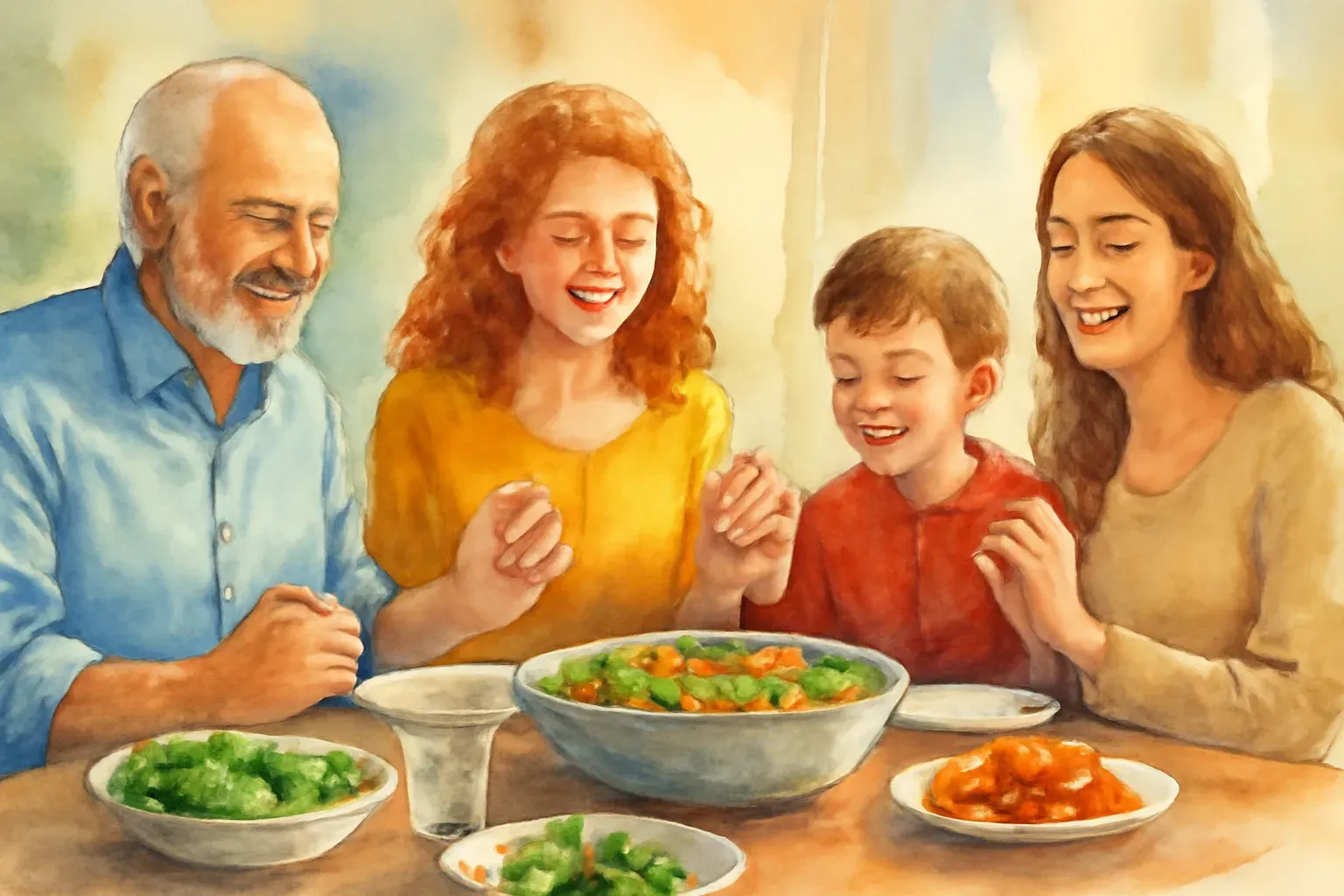
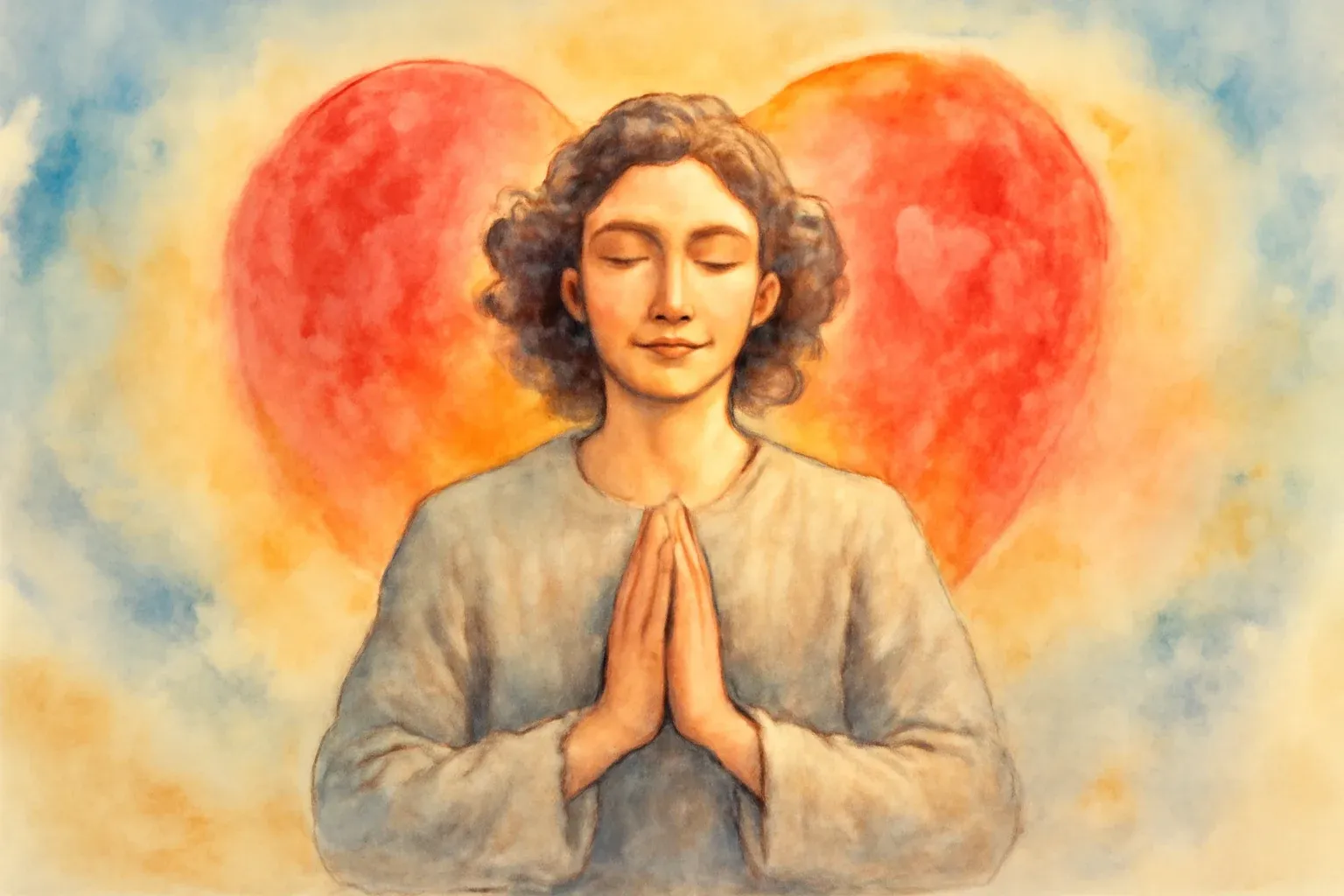
This Thanksgiving 2025, let’s go beyond the feast and make it a day of devotion, reflecting on our blessings, sharing gratitude, and offering service. Discover how to make this holiday spiritually enriching for you and your loved ones.
The tradition of celebrating Thanksgiving 2025 on a Thursday has left many Americans wondering about its origins. Most people know the day of celebration, but the story behind this specific weekday choice reveals an intriguing past. The holiday's history features major date changes and a unique period in 1939 that allowed Americans to pick between two different celebration dates.
America's beloved holiday began in 1621 with a gathering of 53 Pilgrims and about 90 Native Americans. They came together to share what historians consider America's first Thanksgiving harvest feast. President Abraham Lincoln made it official in 1863 by declaring the last Thursday in November as the nation's day of thanksgiving. The date became permanent through a Congressional law in 1941, which set the fourth Thursday of November as the official celebration day. This established the pattern Americans follow today.
Let's get into the 2025 date, understand why Thursday became the traditional celebration day, and discover the fascinating journey of how this holiday evolved through the centuries.
When is Thanksgiving 2025?
Thanksgiving 2025 will take place on Thursday, November 27. This date aligns with the 80-year old pattern that determines when Americans celebrate this annual tradition of gratitude and feasting.
It is apt that this festival focuses on gratitude, which can help you harness the power of Positive Reframing and find the silver lining in life’s challenges.
The date moves slightly each year because Thanksgiving doesn't have a fixed calendar date like Christmas or Independence Day. The holiday can happen between November 22 and November 28, based on the calendar year.
November 27 sits right in the middle of this range for 2025. Families get nearly a full month between Thanksgiving and Christmas to plan holiday shopping, travel, and other celebrations.
How the date is determined each year
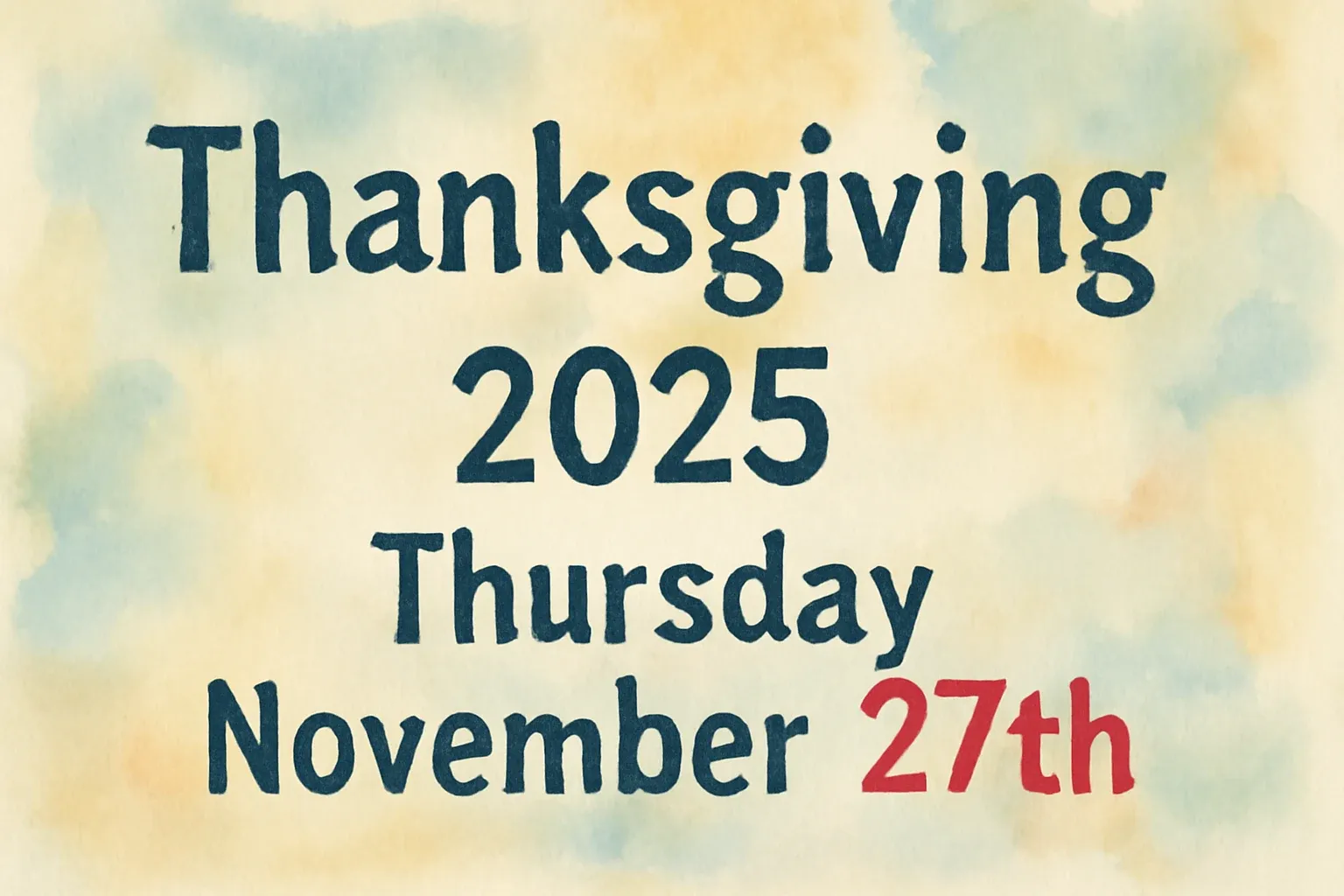
The holiday's date follows a simple rule: it's always the fourth Thursday of November. This scheduling creates the yearly date changes while keeping Thursday constant.
Here's how to find Thanksgiving in any year:
- Look at November's first day
- Find that month's first Thursday
- Count to the fourth Thursday
To cite an instance, November 2025 starts on a Saturday. The first Thursday falls on November 6, which makes November 27 the fourth Thursday.
The current system dates back to December 26, 1941, when President Roosevelt signed a resolution that made Thanksgiving the fourth Thursday in November.
President Lincoln made Thanksgiving the final Thursday of November in 1863. The difference between "final" and "fourth" Thursday matters in years with five Thursdays in November. The 1941 law cleared up this difference and made sure everyone celebrated on the same day.
The tradition of Thursday observance
Thanksgiving's connection to Thursday started well before it became an official holiday. Early American colonists picked Thursday for their community celebrations and gatherings. Many states in the 19th century chose Thursday for thanksgiving celebrations on their own, which later became a nationwide custom.
This choice of weekday worked out perfectly. People could enjoy a longer weekend by taking Friday off, which gave them extra time for travel and family gatherings without disrupting the whole work week. A midweek celebration struck the right balance between work and festivities.
Thanksgiving wasn't always a yearly event - people celebrated it to mark special blessings. These celebrations often happened on Thursdays.
Religious and cultural influences
Religious reasons also played a part in picking Thursday. New England Puritan colonies thought over their choice of Thursday carefully. They wanted to make sure these special days didn't clash with Sunday church services.
The Thursday tradition stuck as Thanksgiving celebrations changed from occasional events to regular ones. Some Puritan colonies started holding yearly thanksgiving celebrations in late November or early December, and by then, Thursday had become the standard day.
Prayer days and thanksgiving observances were common in colonial America's religious life. These spiritual gatherings laid the foundation for today's Thanksgiving holiday, keeping the Thursday tradition alive through the years.
The role of early proclamations
Presidential announcements made Thursday the official Thanksgiving day. George Washington issued the first presidential Thanksgiving proclamation on October 3, 1789. He named Thursday, November 26, 1789, as "a day of public thanksgiving". His decision set an example for future presidents.
Abraham Lincoln played a vital part in creating our modern Thanksgiving tradition. During the Civil War, on October 3, 1863, he declared a national Thanksgiving for the last Thursday of November. His announcement asked all Americans "to set apart and observe the last Thursday of November next as a Day of Thanksgiving and Prayer".
Presidents after Lincoln kept choosing the last Thursday in November until 1939. That year, Franklin D. Roosevelt moved the holiday to the third Thursday to give more time for Christmas shopping.
People didn't like Roosevelt's change. After much public debate, Congress stepped in. On December 26, 1941, Roosevelt signed a law that made Thanksgiving officially fall on the fourth Thursday of November. This decision finally gave the whole country the same date while keeping the Thursday tradition.
Earlier Thanksgiving celebrations before 1621
Most Americans don't know that thanksgiving celebrations took place in North America well before the famous 1621 Plymouth feast. These early celebrations tell us a lot about how we got to Thanksgiving 2025.
The 1541 Texas thanksgiving by Coronado
The first recorded Thanksgiving in future U.S. territory happened almost 80 years before Plymouth. Spanish explorer Francisco Vázquez de Coronado and his group held a thanksgiving feast in Texas during May 1541. The Texas Society of Daughters of the American Colonists commemorated this historic moment in 1959 with a monument near Canyon, Texas. Historians still debate whether it happened in Palo Duro Canyon or maybe even Blanco Canyon, and whether they meant it as thanksgiving or celebrated the Feast of the Ascension. The Library of Congress now recognizes this 1541 Texas celebration as America's first Thanksgiving.
Why Plymouth 1621 became the iconic event
The 1621 Plymouth feast became America's defining Thanksgiving story because of New England's strong influence on American culture and education. Today's Thanksgiving actually blends two different traditions: the British harvest festival with its feasts and games, and special religious days of thanksgiving. Connecticut stands out as the first to adopt an annual thanksgiving day, with records of proclamations dating back to 1639.
How different regions shaped the tradition
Native Americans had a substantial impact on thanksgiving traditions. Almost every Native American tribe celebrated one or more annual thanksgiving or "Feast Day" celebrations. The tradition spread across different regions - Florida's French Huguenots, Maine colonists in 1607, and Virginians in Jamestown in 1610 all held their own thanksgiving services. Texas took a unique approach with two thanksgiving days: one in spring to celebrate independence and another in autumn.
A Devotional Celebration of Gratitude & Presence
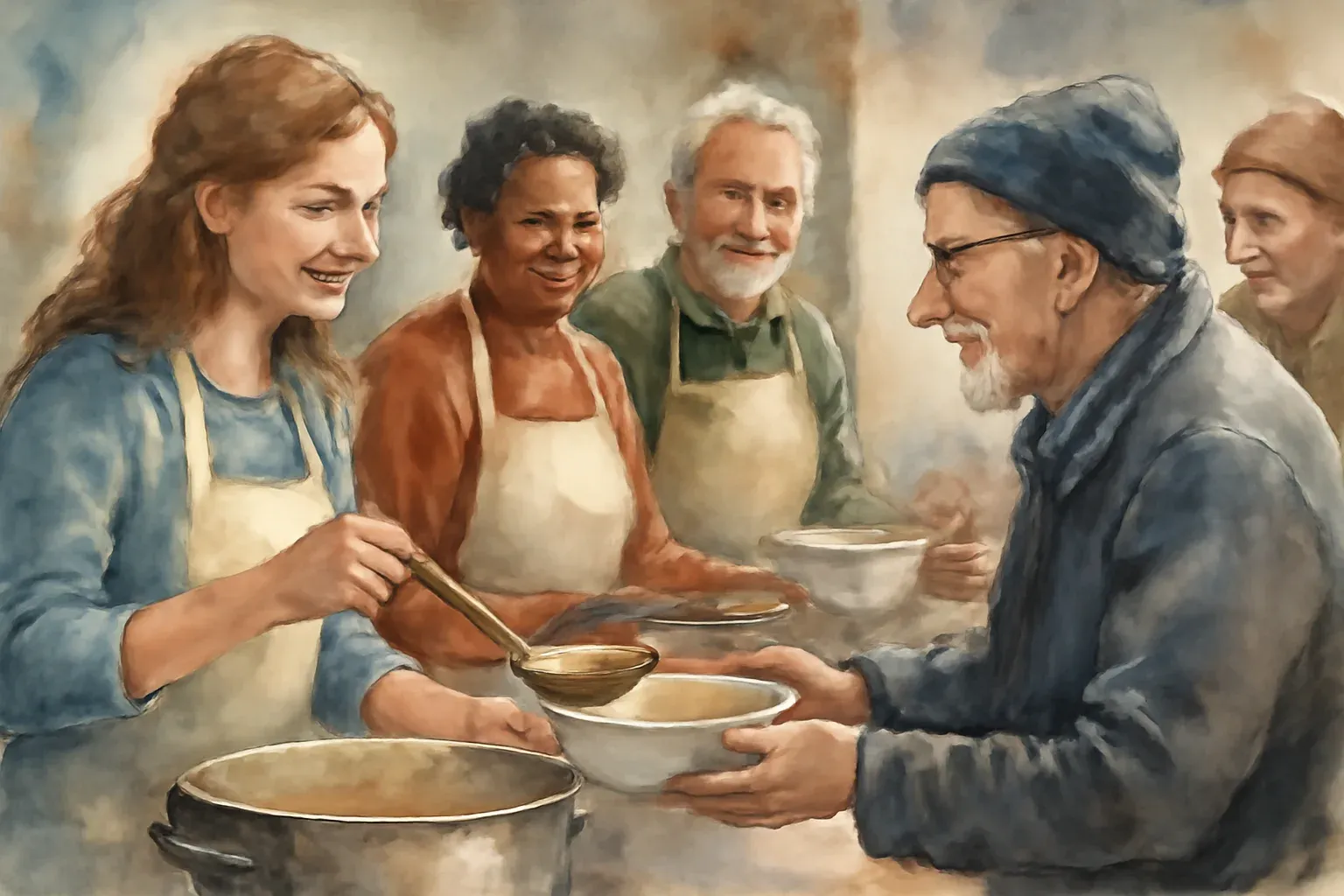
As Americans prepare to gather on Thursday, November 27, 2025 for the annual celebration of Thanksgiving, it’s worth reflecting not just on when and why the date falls on a Thursday but also on how this holiday can evolve into a deeper devotional experience. The roots of Thanksgiving stretch back to the 1621 harvest feast, formalised by Abraham Lincoln in 1863, and finally codified in 1941 as the fourth Thursday of November. Yet beneath the feasting and family gatherings, lies an opportunity: to practice gratitude, cultivate awareness of the Divine, and perform acts of service.
Devotional Thanksgiving: A Step‑by‑Step Celebration
1. Opening Invocation & Reflection
Begin your gathering with a short offering of thanks: invite everyone to close their eyes and silently reflect on one thing they are deeply grateful for, not just materially (food, home), but spiritually (life, love, health, growth, connection with God). Invite: “We gather today not only to feast but to remember the Source of our being, to feel the Divine presence in our family and friends.”
2. Gratitude Sharing
Have each participant write or say one line: “I am grateful for … because …” Encourage them to go beyond surface blessings. This shared moment connects hearts and reminds us of the communal roots of Thanksgiving. True practice of the presence of God means even ordinary tasks become offerings. Use this moment as an offering of awareness.
3. Acts of Service
As part of the devotional vibe, integrate outward‑service into your Thanksgiving: invite someone without a family to join; prepare extra meal portions to share; or plan a post‑meal donation to a local charity.
The spirit of gratitude thrives when expressed outwardly.
4. Mindful Feast & Presence
Before the first bite, invite everyone to pause: breathe deeply and honour the food, the hands that prepared it, the earth that gave it.
Throughout the meal, gently encourage quiet reflections such as: “This meal is an offering to God; in each bite I acknowledge the Divine presence preparing, sustaining, and sharing with me.”
5. Closing Commitment & Prayer
As the feast winds down, invite everyone to commit to one devotional‑gratitude act during the next week: e.g., send a thank‑you note, spend 10 minutes each day reviewing blessings, gathering spiritual knowledge or volunteer at a temple.
Close with a prayer: “May our hearts remain grateful, our awareness of the Divine ever‑present, our actions in service to others.”
Why This Matters & How It Elevates Thanksgiving
- Deepens Meaning: By linking thanksgiving with devotional practices, the day shifts from mere festivity to spiritual renewal.
- Cultivates Presence: The notion of practising God’s presence makes even mundane moments of the day sacred.
- Transforms Gratitude: Gratitude becomes an offering, humility, connection and spiritual practice, not just polite words.
- Builds Community & Service: Traditional Thanksgiving is about family and feasting; adding service fosters inclusive compassion and real-world connection.
- Connects Past & Present: We honour historical roots (1621, Lincoln, 1941 law) and evolve them into conscious spiritual practice that meets contemporary needs.
Key Summary Points
- Thursday Tradition: Thanksgiving falls on a Thursday because early American colonial and state celebrations chose that weekday, enabling a long weekend and avoiding Sunday church conflict; the 1941 law set the fourth Thursday as the official date.
- Devotional Gratitude: Gratitude deepens our connection with the Divine, fosters humility, and enhances spiritual practice.
- Practising Presence: True spirituality arises when we engage the mind in the Divine during ordinary actions, so that every moment becomes sacred.
- Thanksgiving Re‑imagined: Instead of only focusing on food and travel, we can use the day as a spiritual practice: offering our meal, our time, our love, our awareness as acts of devotion to God.
- Proposed Practice Flow: Start with a prayer/meditation; share gratitude entries; serve someone else without any expectations; pause during the meal to recall divine presence; conclude by committing to one devotional‑gratitude act in the week ahead.
FAQs
Q1: Do I have to incorporate religious elements to make Thanksgiving devotional?
No — devotional here simply means making the day one of consciousness: gratitude, presence, service. It doesn’t require ritual‑complexity unless you choose. The references show simple practices: acknowledgement, awareness, offering.
Q2: How long should the devotional components take?
You can allocate just 10‑15 minutes at the start for reflection and sharing; during the meal, mindful moments; post‑meal commitment of 5 minutes. The rest of the meal remains celebratory.
Q3: What if family doesn’t want a devotional flow and prefers a traditional dinner?
You can keep the devotional elements lightweight and optional: an opening toast, a shared gratitude sentence, and a five‑minute closing. The rest remains traditional.
Q4: Can the service component be small or symbolic?
Absolutely. It might be preparing an extra dish for a neighbour, or writing a gratitude note. The idea is to shift inward awareness outward in a simple way.
Q5: How does practising the presence of God fit with gratitude?
They complement each other. Practising the presence of God means keeping awareness in every moment. Gratitude arises when we recognise divine grace in everything. One grounds the other.
Call to Action
This Thanksgiving, let us go beyond the meal and the calendar. Let us pause to recognise the Source of our being, share our gratitude beyond mere words, serve someone beyond our circle, and practise the presence of the Divine in every moment.
Mark your calendar: Thursday, November 27, 2025, as a day of gratitude, presence and service. Begin Thanksgiving 2025 not only as a feast of abundance, but as a devotional offering of awareness.
May your Thanksgiving be rich not only in food and fellowship, but in humble recognition of grace, continual awareness of the Divine and generous service to others.
If you wish to add the devotional aspect in your Thanksgiving. You can Subscribe to Swami Mukundananda YouTube Channel for devotional contents which will assist you in your spiritual practices.
References

 JKYog Team