
Dhanurmas 2025–26 is a highly sacred period in the Hindu spiritual calendar, especially revered by devotees of Lord Vishnu and Lord Krishna. Observed with discipline, devotion, and early morning worship, Dhanurmas is considered a powerful month for spiritual purification and inner transformation. This auspicious time begins when the Sun enters Dhanu Rashi, or Sagittarius, and concludes with Makara Sankranti, marking a shift toward greater spiritual illumination.
During Dhanurmas, devotees are encouraged to wake up during Brahma Muhurta, perform daily puja, chant the divine names of Vishnu and Krishna, and follow a sattvic lifestyle. Scriptures emphasize that spiritual practices performed in this month yield multiplied benefits, even if they are simple and done with sincerity. The focus of Dhanurmas is not ritual complexity but consistency, humility, and heartfelt devotion.

This detailed guide on Dhanurmas 2025–26 explains how to perform daily puja at home, the importance and timing of Brahma Muhurta, and the deeper spiritual meaning of this observance. It also includes valuable insights from Swami Mukundananda, who explains how disciplined devotion during Dhanurmas can help overcome laziness, control the senses, and deepen one’s connection with God.
Dhanurmas 2025–26 Dates and Duration
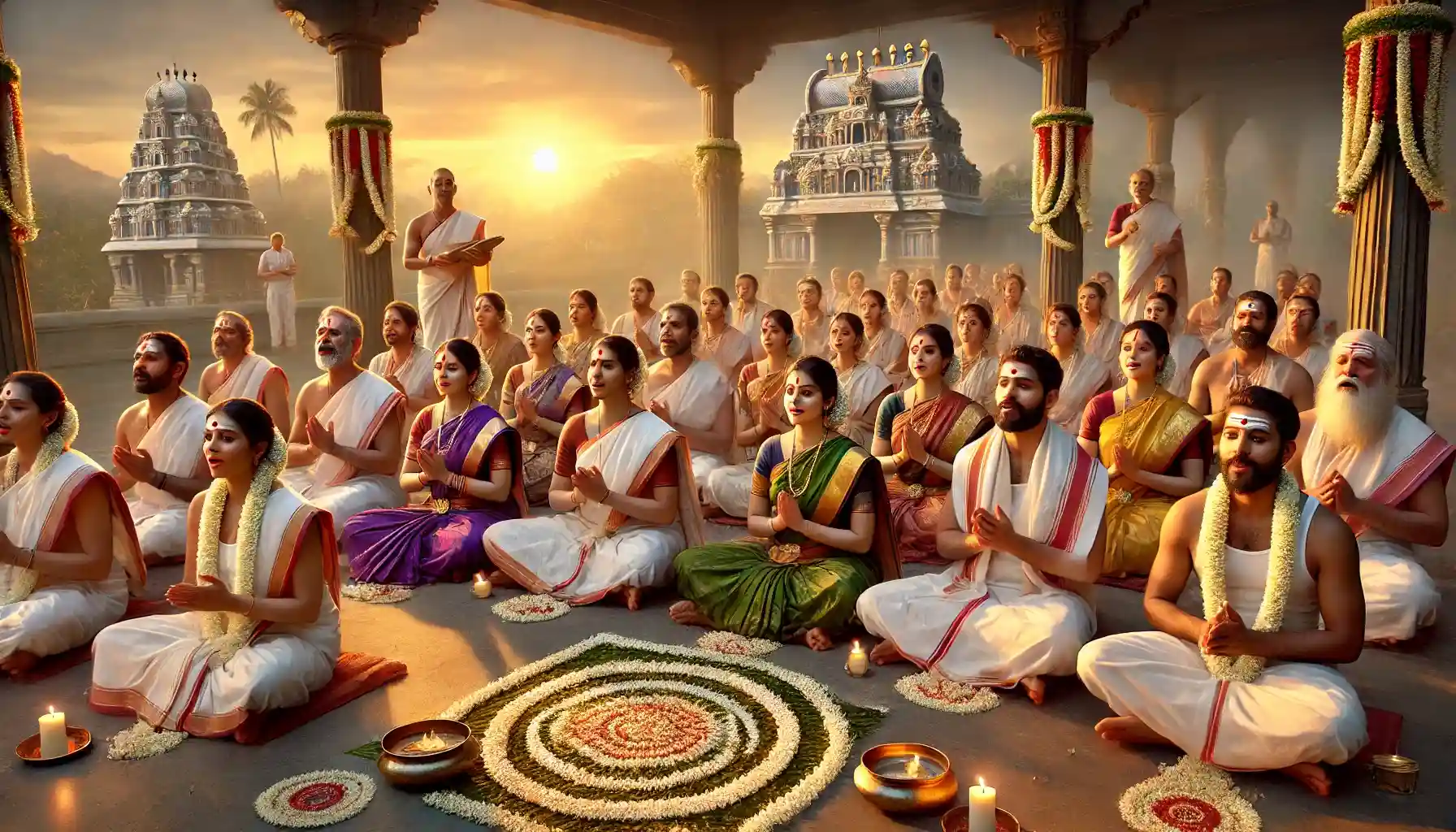
Dhanurmas is determined by the solar calendar, not the lunar calendar. It begins when Surya Dev enters Sagittarius and ends when he moves into Capricorn.
Dhanurmas 2025–26 dates are as follows:
- Start of Dhanurmas: December 16, 2025
- End of Dhanurmas: January 14, 2026
- Makara Sankranti: January 14, 2026
|
Occasion |
Date |
Significance |
| Start of Dhanurmas | December 16, 2025 | Sun enters Dhanu Rashi, marking the beginning of the sacred Dhanurmas period |
| End of Dhanurmas | January 14, 2026 | Completion of one month of early morning worship and devotion |
| Makara Sankranti | January 14, 2026 | Sun begins its northward journey, symbolizing light, positivity, and auspicious beginnings |
Note: The conclusion of Dhanurmas coincides with Makara Sankranti, which signifies the transition of the Sun into Makara Rashi and the start of Uttarayana, a highly auspicious phase for spiritual and worldly activities.
Spiritual Significance of Dhanurmas
Dhanurmas is regarded as a month of spiritual awakening and surrender. According to Vaishnava tradition, this month is especially dear to Lord Vishnu because it emphasizes bhakti, discipline, and humility rather than material enjoyment.
Why Dhanurmas Is Considered So Auspicious
- Lord Vishnu’s Night: Scriptures describe Dhanurmas as the night time for the devas. Worship performed during this time is said to reach the Lord quickly.
- Control of the Senses: The observances of Dhanurmas involve waking early, fasting, and regulated eating, which help devotees conquer laziness and indulgence.
- Amplified Spiritual Results: Charity, chanting, and devotion performed during this month are believed to grant multiplied spiritual merit.
- Bhagavad Gita Alignment: The emphasis on discipline, detachment, and devotion aligns closely with Krishna’s teachings in the Bhagavad Gita.
Dhanurmas and Vaishnava Tradition
Dhanurmas holds exceptional importance in Sri Vaishnava and Gaudiya Vaishnava traditions. In South India, it is closely associated with the recitation of Andal’s Tiruppavai, a collection of thirty devotional hymns dedicated to Lord Krishna.
Each day of Dhanurmas, one verse of Tiruppavai is chanted, symbolizing the soul’s longing for divine union. Temples conduct early morning processions and special Vishnu pujas, drawing thousands of devotees.
How to Perform Daily Dhanurmas Puja at Home
Daily puja during Dhanurmas is a sacred discipline that helps devotees cultivate devotion, self control, and inner purity. The emphasis is not on elaborate rituals but on sincerity, regularity, and remembrance of Lord Vishnu or Lord Krishna during the early morning hours.
1. Wake Up During Brahma Muhurta
The most important aspect of Dhanurmas worship is waking up during Brahma Muhurta. This time is naturally conducive to spiritual practices because the mind is calm and the environment is sattvic.
- Wake up approximately one and a half hours before sunrise
- Avoid going back to sleep after waking up
- Sit quietly for a few minutes and mentally remember the Lord
Swami Mukundananda explains that rising early symbolizes rising above ignorance and laziness, which are major obstacles on the spiritual path.
2. Morning Cleansing and Preparation
After waking up, complete your morning hygiene and take a bath if possible. Bathing before puja is recommended as it signifies purification of the body and mind.
- Wear clean and modest clothes
- Light colored or simple cotton clothes are preferred
- Keep the mind calm and avoid unnecessary conversation
Clean the puja space daily, even if it is already tidy. Physical cleanliness supports mental purity.
3. Set Up the Puja Altar
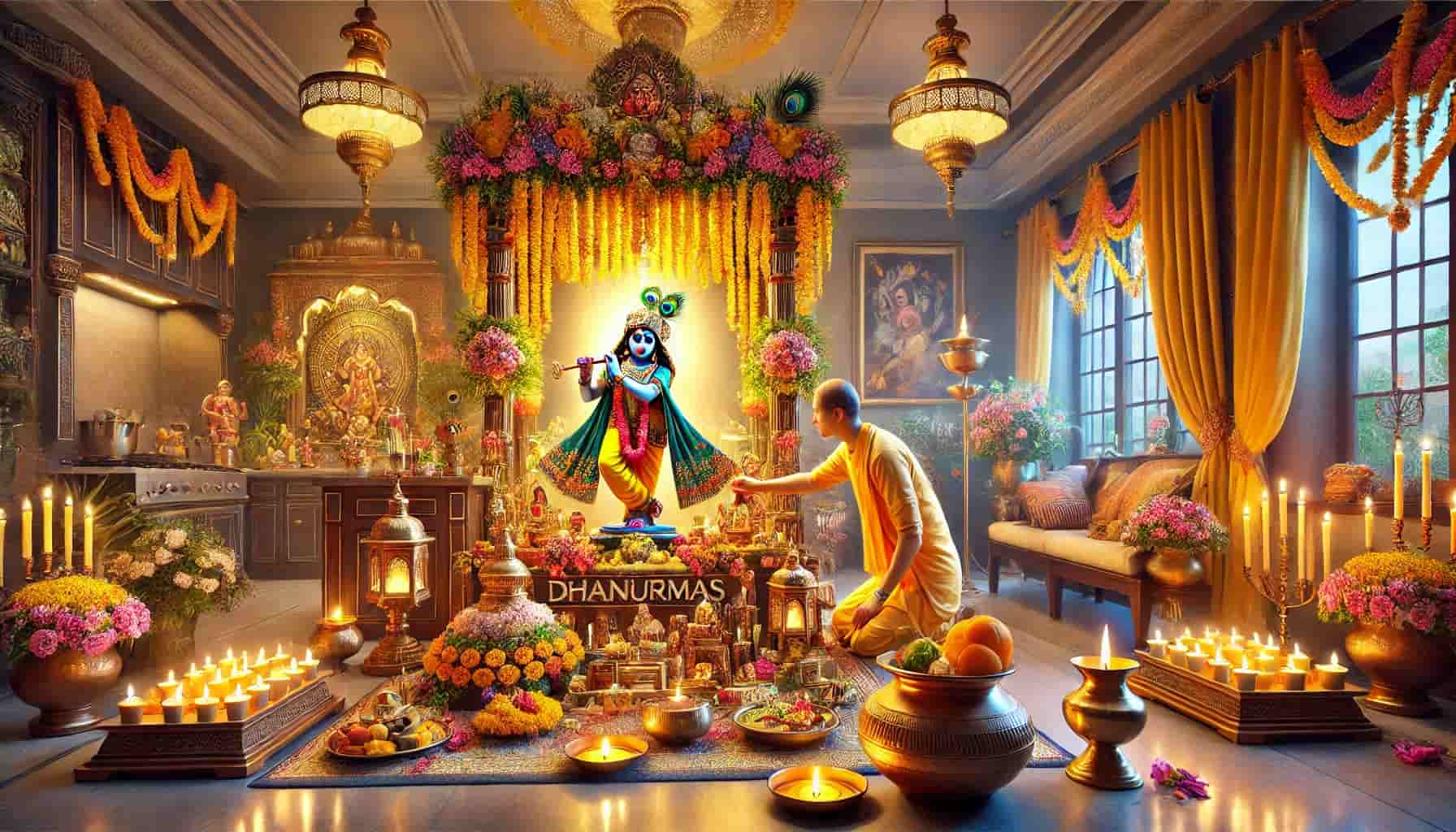
Place an image or idol of Lord Vishnu, Lord Krishna, or any form of Narayana you worship. You may also keep an image of Tulsi Devi.
Arrange the altar with:
- A lit oil lamp or ghee diya
- Incense sticks
- Fresh flowers or Tulsi leaves
- A small vessel of water
If Tulsi leaves are unavailable, offer flowers with devotion.
4. Begin the Puja With Sankalpa
Sit facing east or north and join your palms. Take a simple sankalpa by mentally stating that you are performing this daily puja during Dhanurmas to please Lord Vishnu and seek spiritual progress.
There is no need for a formal Sanskrit sankalpa. A heartfelt intention in your own words is sufficient.
5. Invocation and Deepa Dhoopa Offering
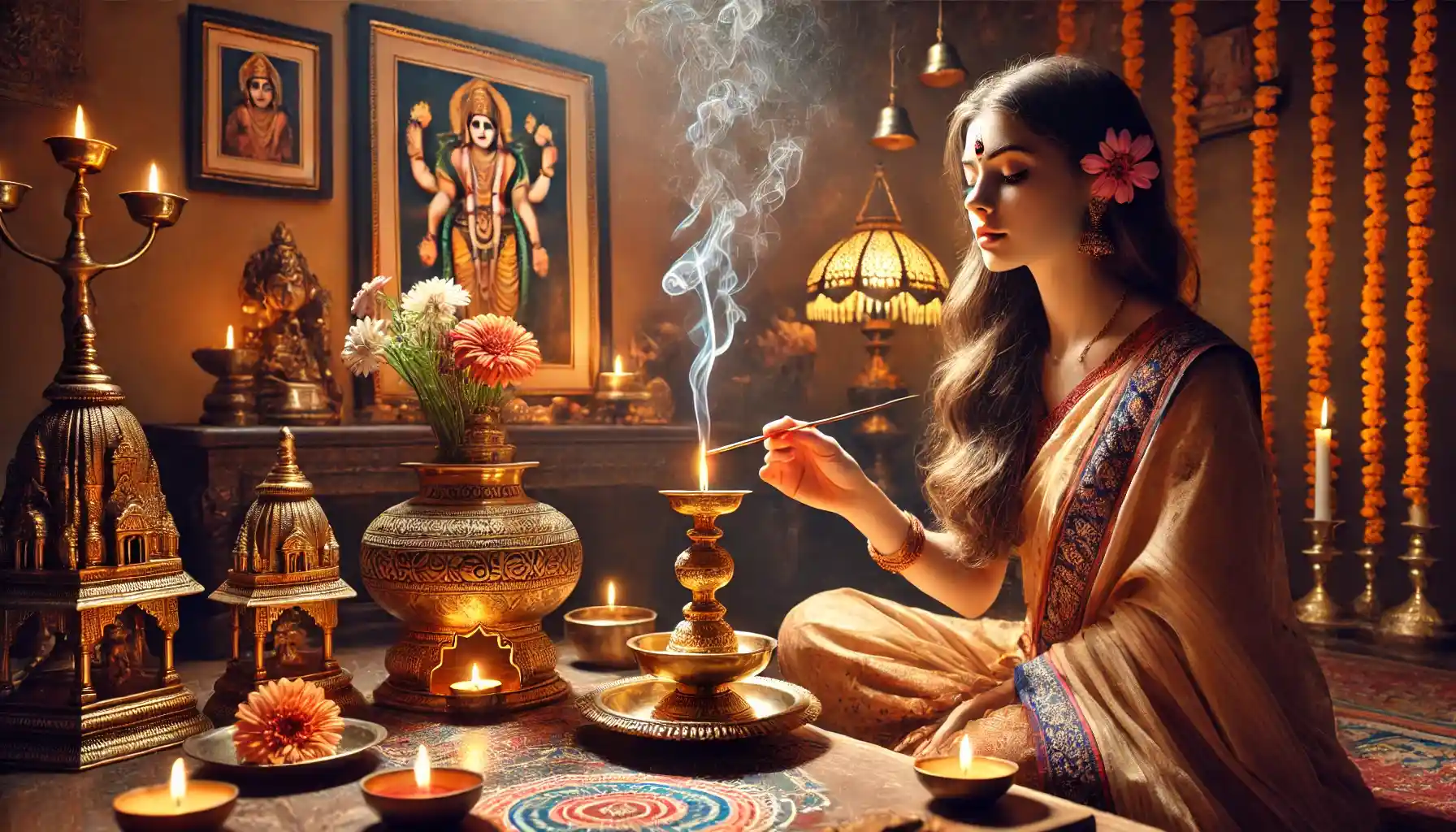
Light the diya and incense while chanting the holy names of the Lord.
You may chant:
- Om Namo Narayanaya
- Om Namo Bhagavate Vasudevaya
Offer the lamp and incense slowly, focusing your mind on the divine form of the Lord.
6. Abhishekam or Simple Water Offering
If possible, offer a symbolic abhishekam using clean water. If an abhishekam is not practical daily, simply offer water in a spoon or small vessel while chanting the Lord’s name.
This act represents surrender and devotion.
7. Alankaram and Flower Offering
Offer fresh flowers or Tulsi leaves at the feet of the Lord. While offering, pray for purity of heart, humility, and devotion.
Tulsi is especially dear to Lord Vishnu and offering even one leaf with devotion is considered highly auspicious during Dhanurmas.
8. Chanting and Scriptural Recitation
This is the most important part of daily Dhanurmas puja.
You may choose one or more of the following:
- Vishnu Sahasranama
- Selected verses from the Bhagavad Gita
- Tiruppavai verses, one verse per day
- Hare Krishna Mahamantra or any Vishnu mantra
Swami Mukundananda emphasizes chanting with attention and feeling rather than speed or quantity.
Tiruppavai Chanting During Dhanurmas
Tiruppavai chanting is an integral and sacred practice during Dhanurmas, especially in Sri Vaishnava and Krishna bhakti traditions. Composed by Andal, one of the twelve Alwars, Tiruppavai consists of thirty devotional pasurams that symbolize the soul’s yearning for union with Lord Krishna.
Each pasuram is traditionally chanted on one day of Dhanurmas, beginning on the first day and continuing until the conclusion of the month. These hymns are not merely poetic verses but powerful expressions of surrender, devotion, and divine love.
How to Chant Tiruppavai Daily During Dhanurmas
Tiruppavai chanting can be easily incorporated into the daily Dhanurmas puja routine.
- Wake up during Brahma Muhurta and complete morning purification
- Sit in front of Lord Krishna or Lord Vishnu’s image
- Chant one Tiruppavai pasuram each day in sequence
- If possible, read the meaning to understand its deeper message
- Offer flowers or Tulsi leaves after chanting
Devotees who are unable to chant in Tamil may listen to the chanting or read a transliteration and meaning with devotion. Sincerity matters more than linguistic perfection.
9. Naivedya Offering
Offer simple sattvic food such as fruits, milk, jaggery, or soaked dry fruits. Avoid tasting the food before offering it.
While offering naivedya, mentally acknowledge that everything belongs to the Lord and you are merely offering it back with gratitude.
10. Silent Prayer and Arati
Sit silently for a few minutes after chanting and offer your personal prayers. Speak to the Lord with sincerity and openness.
Conclude the puja by performing a simple arati and expressing gratitude for the opportunity to serve.
11. Maintain a Devotional Mood Throughout the Day

Daily Dhanurmas puja does not end with the ritual. Try to maintain remembrance of the Lord throughout the day.
- Avoid negative speech and unnecessary arguments
- Eat only after sunrise
- Engage in acts of kindness and service
Swami Mukundananda teaches that true puja is when devotion extends beyond the altar and reflects in daily conduct.
Final Note on Consistency
It is better to perform a simple puja daily with sincerity than an elaborate ritual occasionally. Even ten to fifteen minutes of focused worship during Brahma Muhurta, when done consistently throughout Dhanurmas, can bring deep inner transformation.
Rules and Discipline During Dhanurmas
To derive full spiritual benefit, devotees are advised to follow certain disciplines.
- Avoid sleeping after sunrise
- Refrain from alcohol, non vegetarian food, and excessive indulgence
- Practice celibacy or restraint
- Speak truthfully and avoid negative speech
- Engage in charity and service
Swami Mukundananda emphasizes that external austerities should always be accompanied by internal purification. Without cultivating humility and devotion, rituals alone lose their power.
Brahma Muhurta Significance During Dhanurmas
Brahma Muhurta is considered the most auspicious time of the day for spiritual practices. It occurs approximately one hour and thirty six minutes before sunrise and lasts for forty eight minutes.
During Dhanurmas, Brahma Muhurta worship is considered mandatory in many Vaishnava traditions because this period aligns the mind naturally toward sattva and devotion.
Benefits of Worship During Brahma Muhurta
- Enhanced concentration and clarity
- Greater receptivity to spiritual vibrations
- Reduced mental distractions
- Faster progress in meditation and bhakti
Brahma Muhurta Schedule for Dhanurmas 2025–26
Brahma Muhurta timings vary slightly depending on location. Below is an approximate schedule based on average Indian sunrise timings
|
Date Range |
Sunrise (Approx.) |
Brahma Muhurta Time |
| Dec 16–20, 2025 | 6:45 am | 5:00 am to 5:48 am |
| Dec 21–31, 2025 | 6:50 am | 5:04 am to 5:52 am |
| Jan 1–10, 2026 | 6:55 am | 5:09 am to 5:57 am |
| Jan 11–14, 2026 | 7:00 am | 5:14 am to 6:02 am |
Devotees should consult local panchang for precise timings.
Swami Mukundananda’s Insights on Dhanurmas
Swami Mukundananda, a globally respected spiritual teacher and disciple of Jagadguru Shree Kripaluji Maharaj, offers profound insights into the inner essence of Dhanurmas.
Devotion Over Ritualism
According to Swami Mukundananda, Dhanurmas is not about mechanical observance but about transforming one’s consciousness.
He explains that waking up early symbolizes the awakening of the soul. Just as we rise before the world awakens, we must rise above material consciousness to remember God.
Conquering Laziness and Ego
Swamiji often highlights that laziness is one of the biggest obstacles on the spiritual path. Dhanurmas challenges the comfort driven mind by enforcing discipline and routine.
By voluntarily embracing discomfort for a higher purpose, the ego weakens and devotion strengthens.
The Power of Consistency
Swami Mukundananda teaches that small daily efforts done consistently during Dhanurmas create lasting samskaras. A single month of sincere practice can change the trajectory of one’s spiritual life.
He encourages devotees to chant with feeling, not speed, and to offer every action as a service to God.
Food and Fasting During Dhanurmas
Fasting during Dhanurmas is not about starvation but about simplifying life.
Recommended practices include:
- Eating once a day after sunrise
- Consuming sattvic vegetarian food
- Avoiding onion, garlic, and processed foods
- Offering food to the Lord before consumption
Swami Mukundananda explains that regulated eating purifies the mind and makes it more receptive to divine remembrance.
Charity and Service in Dhanurmas
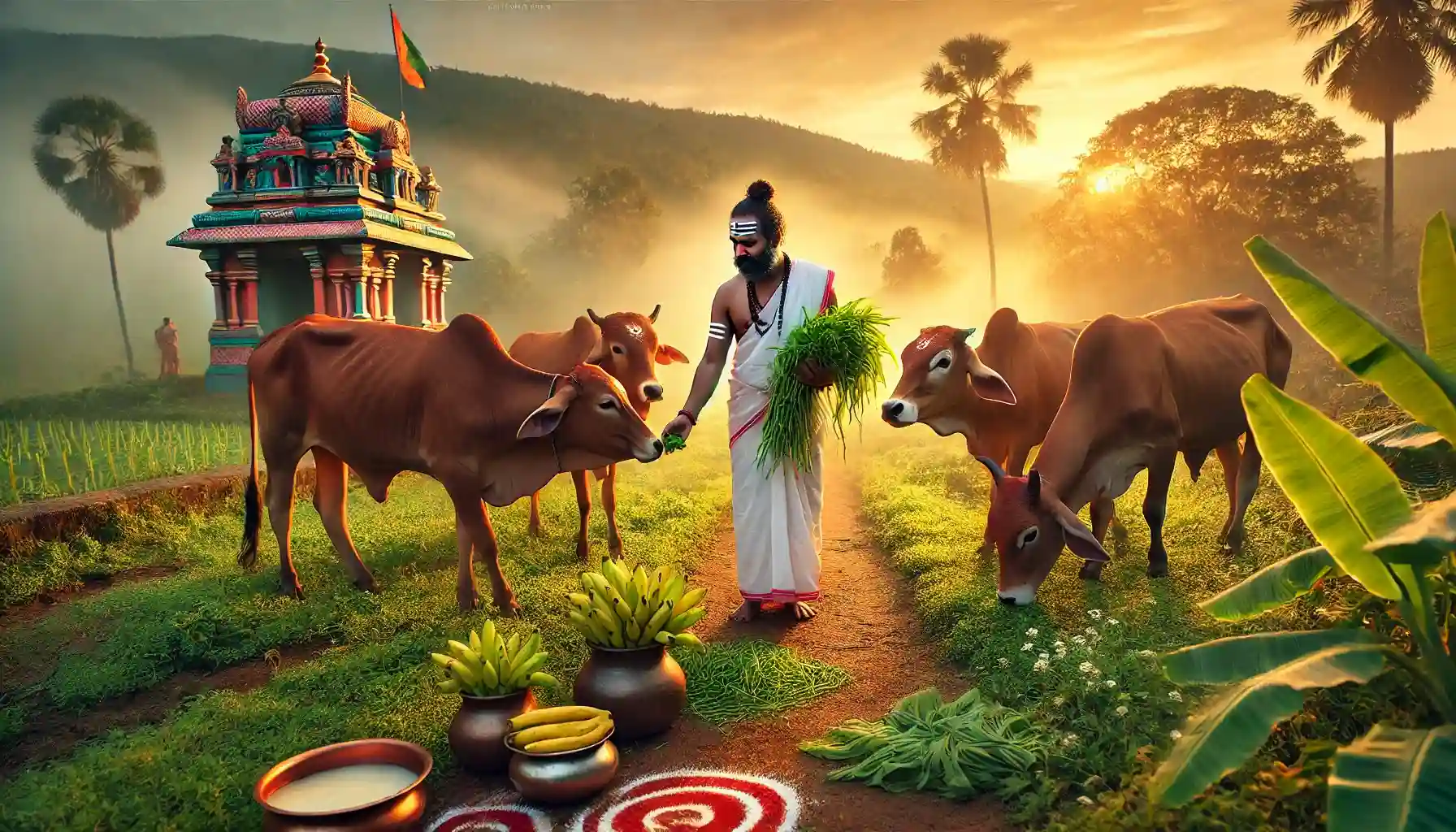
Charity performed during Dhanurmas carries immense spiritual merit.
Forms of charity include:
- Feeding cows or the needy
- Donating warm clothes
- Supporting temples or spiritual organizations
- Offering voluntary service
Service done without expectation purifies the heart faster than rituals alone.
Dhanurmas and Inner Transformation
The true purpose of Dhanurmas is inner transformation. It is a period to replace habits of indulgence with habits of devotion.
Devotees who observe Dhanurmas sincerely often report:
- Improved mental discipline
- Reduced anxiety and restlessness
- Greater connection with Krishna
- Increased clarity in life decisions
Conclusion: Making Dhanurmas 2025–26 Spiritually Fruitful
Dhanurmas 2025–26 is not merely a religious observance. It is a divine invitation to pause, reflect, and realign life with higher spiritual values. Through early morning worship, disciplined living, heartfelt chanting, and selfless service, devotees can experience profound inner growth.
Swami Mukundananda reminds us that God does not seek perfection but sincerity. Even if one cannot follow every rule perfectly, offering one’s best effort with love pleases the Lord.
By embracing the spirit of Dhanurmas, devotees can carry its purity and devotion far beyond these thirty days, transforming not just a month but an entire lifetime.
FAQs
1. What are the dates of Dhanurmas in 2025–26?
Dhanurmas in 2025–26 begins on December 16, 2025, when the Sun enters Dhanu Rashi, and concludes on January 14, 2026. The final day coincides with Makara Sankranti, which marks the beginning of the Sun’s northward journey.
2. Why is waking up during Brahma Muhurta important in Dhanurmas?
Brahma Muhurta is considered the most auspicious time for spiritual practices because the mind is calm and sattvic. During Dhanurmas, worship performed in Brahma Muhurta is believed to yield enhanced spiritual benefits and help devotees develop discipline and devotion.
3. How can one perform daily Dhanurmas puja at home?
Daily Dhanurmas puja can be performed by waking up early, bathing, and offering simple worship to Lord Vishnu or Lord Krishna. Lighting a lamp, chanting Vishnu mantras, reading scriptures, and offering simple sattvic food with devotion are considered sufficient. Consistency and sincerity are more important than elaborate rituals.
4. Are there any food restrictions during Dhanurmas?
Yes, devotees are encouraged to follow a sattvic diet during Dhanurmas. This includes avoiding non vegetarian food, alcohol, onion, garlic, and overly processed items. Many devotees eat only after sunrise and offer their food to the Lord before consumption.
5. What does Swami Mukundananda teach about observing Dhanurmas?
Swami Mukundananda teaches that the essence of Dhanurmas lies in inner transformation rather than external ritualism. He emphasizes waking up early to overcome laziness, chanting with devotion rather than speed, and maintaining remembrance of God throughout the day as the true purpose of Dhanurmas observance
References
- Swami Mukundananda Official Website
Official platform sharing Swamiji’s teachings, books, articles, and spiritual guidance.
🔗 https://swamimukundananda.org/ - JKYog Official Website
JKYog is the spiritual organization founded by Swami Mukundananda, offering resources on bhakti, Bhagavad Gita, and daily sadhana.
🔗 https://www.jkyog.org - Brahma Muhurta Teachings on JKYog Blog
Articles based on Swami Mukundananda’s teachings highlighting the importance of Brahma Muhurta for spiritual growth.
🔗 https://www.jkyog.org/blog/tag/brahma-muhurta/
Further Reading on Dhanurmas and Spiritual Practice
Readers interested in deepening their understanding of Dhanurmas, Brahma Muhurta, and devotional discipline may explore the following resources by Swami Mukundananda and JKYog.
- Teachings on Brahma Muhurta and Early Morning Spiritual Practice
https://www.jkyog.org/blog/tag/brahma-muhurta/ - Swami Mukundananda’s Articles on Bhakti and Devotion
https://swamimukundananda.org/ - Daily Spiritual Discipline and Mind Management
https://www.jkyog.org/ - Bhagavad Gita and Bhakti Yoga Discourses by Swami Mukundananda
https://www.youtube.com/c/swamimukundananda - Devotional Wisdom and Practical Spiritual Guidance
https://www.facebook.com/Swami.Mukundananda/
Related Blogs
Lord Venkateshwara