

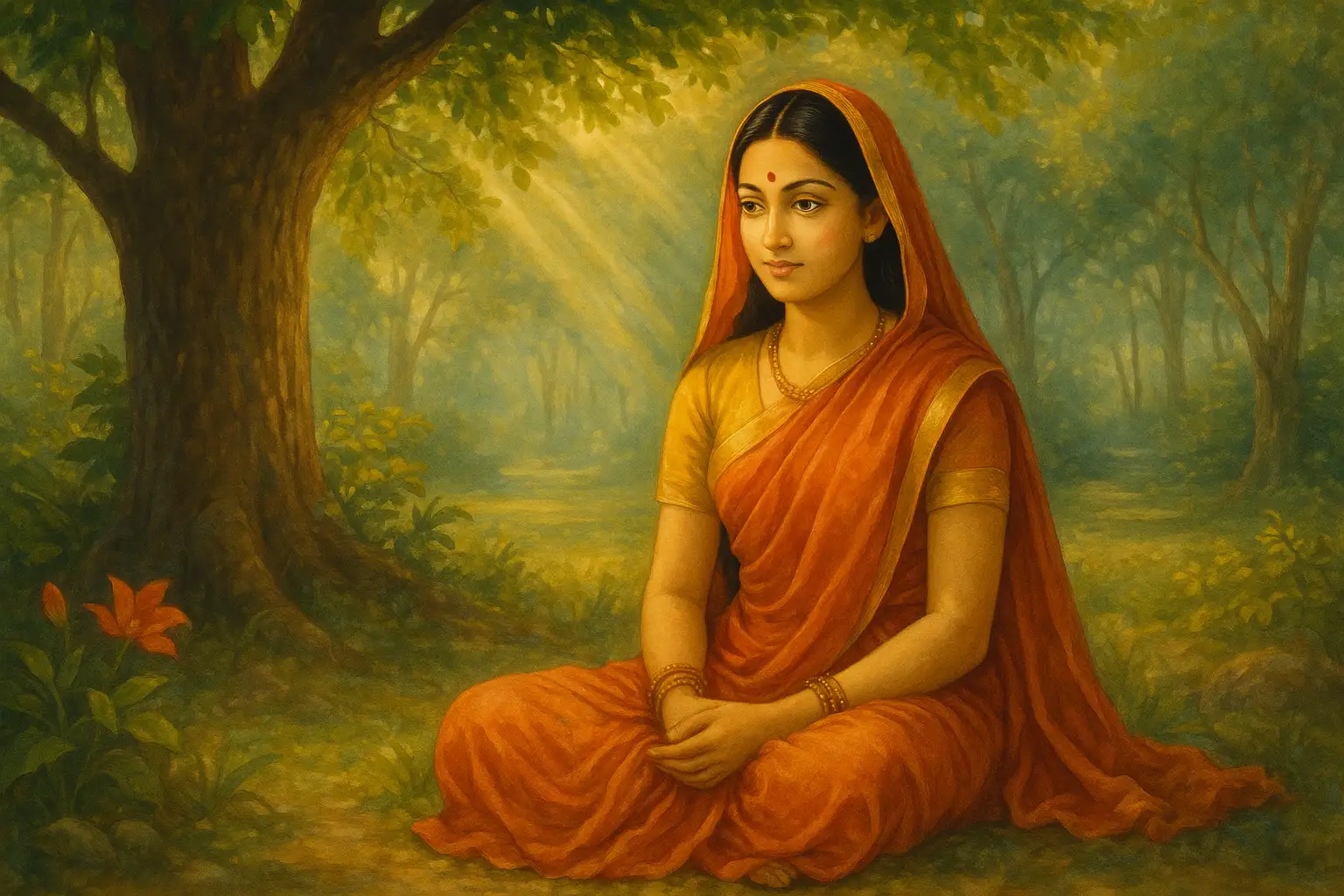
Introduction: A Moment in the Forest
Imagine a moment in the heart of an ancient forest, where the air is thick with the scent of pine and the distant sound of birds calls to the soul. A woman, whose beauty and grace have already captivated kingdoms, now sits in the midst of exile. Her name is Sita, the daughter of the earth, and the wife of Rama, the prince of Ayodhya. Yet, despite being stripped of her royal comforts, her beauty, and her status, Sita is not defeated. Her spirit, unshaken by hardship, carries a wisdom far beyond the confines of her story. She is not merely a figure from Hindu Scriptures; she is a timeless symbol of love, sacrifice, duty, and unwavering faith.
As she sits in the forest, her life becomes a living testament to the deepest meanings of marriage, duty, and faith. Every step of her journey—from her marriage to the trials of exile, her abduction, to her ultimate return—is woven with lessons that transcend time and culture. Sita’s perspective on life, duty, and love offers more than just a romantic narrative—it invites us into a deeper understanding of what it means to remain steadfast, to embrace sacrifice, and to live a life of spiritual devotion, no matter the storms we face.
But how do we relate to Sita today, in a world so different from the one she inhabited? Her story speaks not only of a divine past but also offers profound insights into modern relationships, personal growth, and spiritual commitment. It is from this lens that we will explore Sita's views on marriage, duty, and faith—and how they remain timelessly relevant in our lives today.
Quick table — Vivah Panchami 2025 (Delhi & Dallas)
| Item | Details (Delhi, India) | Details (Dallas, Texas, USA) |
|---|---|---|
| Panchami Tithi Begins | 09:22 PM on November 24, 2025 | 09:52 AM on November 24, 2025 |
| Panchami Tithi Ends | 10:56 PM on November 25, 2025 | 11:26 AM on November 25, 2025 |
| Gregorian Date | November 25, 2025 (Tuesday) | November 25, 2025 (Tuesday) |
| Typical Rituals / Puja Vidhi | • Abhyanga (holy bath), clean altar with Rama-Sita murti or photo. • Idol decoration, offering panchamrit, flowers, incense. |
• Abhyanga (holy bath), clean altar with Rama-Sita murti or photo. • Idol decoration, offering panchamrit, flowers, incense. |
Sita’s View on Marriage: Understanding Sita's Relationship with Shree Ram
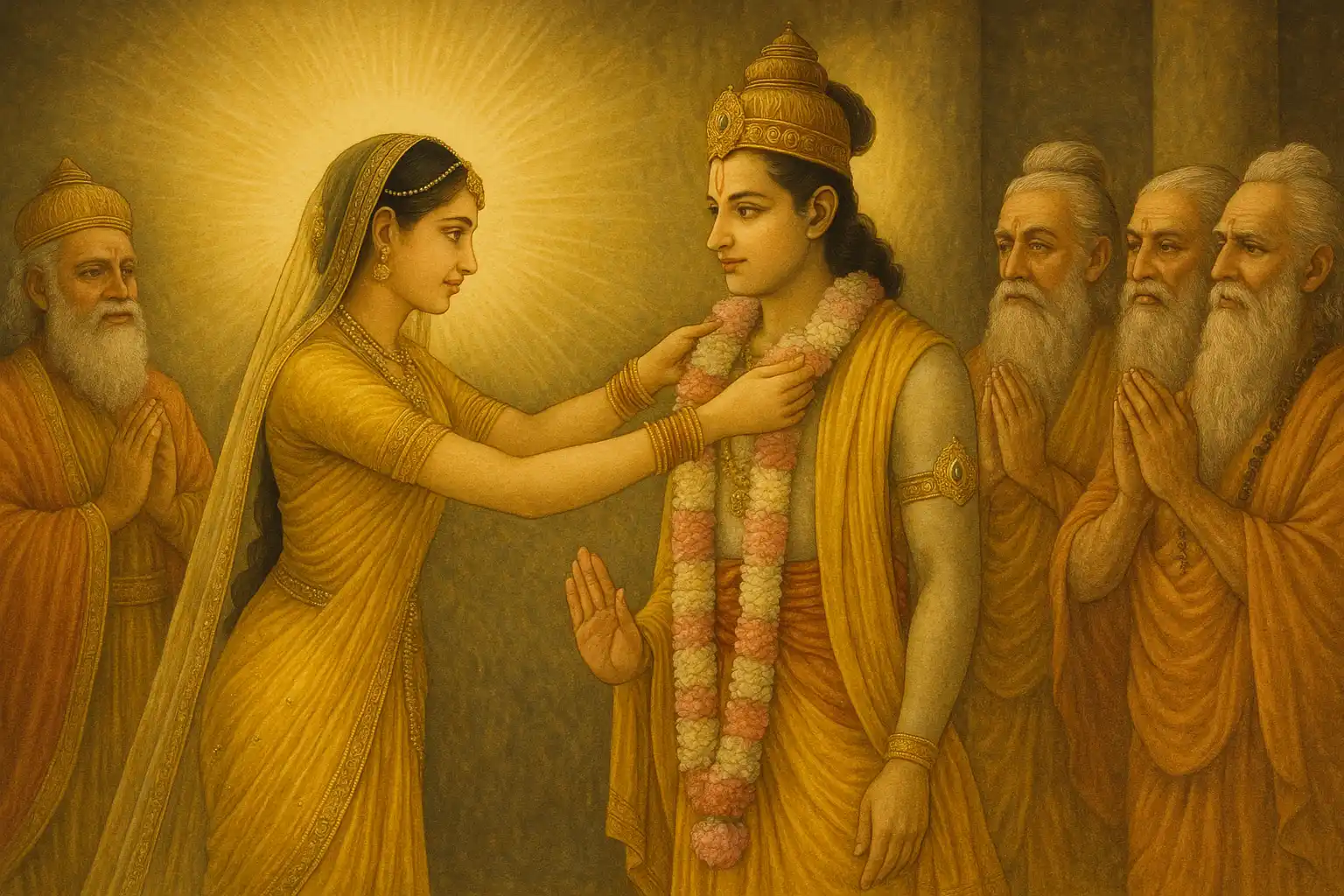
At the heart of Sita’s story lies a marriage that goes beyond the superficial notions of love. Sita’s union with Rama, one of the most iconic marriages in the history of Hindu mythology, is rooted in dharma—a concept that goes beyond love and affection. It signifies righteousness, duty, and spiritual alignment.
Sita’s choice to marry Ram was based on a deeper understanding of her life’s mission. She understood that her marriage to Rama was divinely ordained, a partnership built to fulfill the cosmic order. From the moment Sita and Rama were united, their relationship transcended the worldly, becoming a spiritual partnership aimed at upholding dharma. Sita saw her marriage as a sacred responsibility, one that demanded not just affection, but the courage to sacrifice and the strength to endure.
In the modern world, where the ideals of marriage often focus on personal fulfillment and romantic love, Sita’s marriage teaches us the value of mutual respect and shared purpose. Sita did not just marry Rama to fulfill her own desires; she married him to fulfill the greater purpose of dharma, and in doing so, her marriage became a model of mutual responsibility, integrity, and sacrifice.
The Concept of Duty: Dharma and Sita's Sacrificial Role
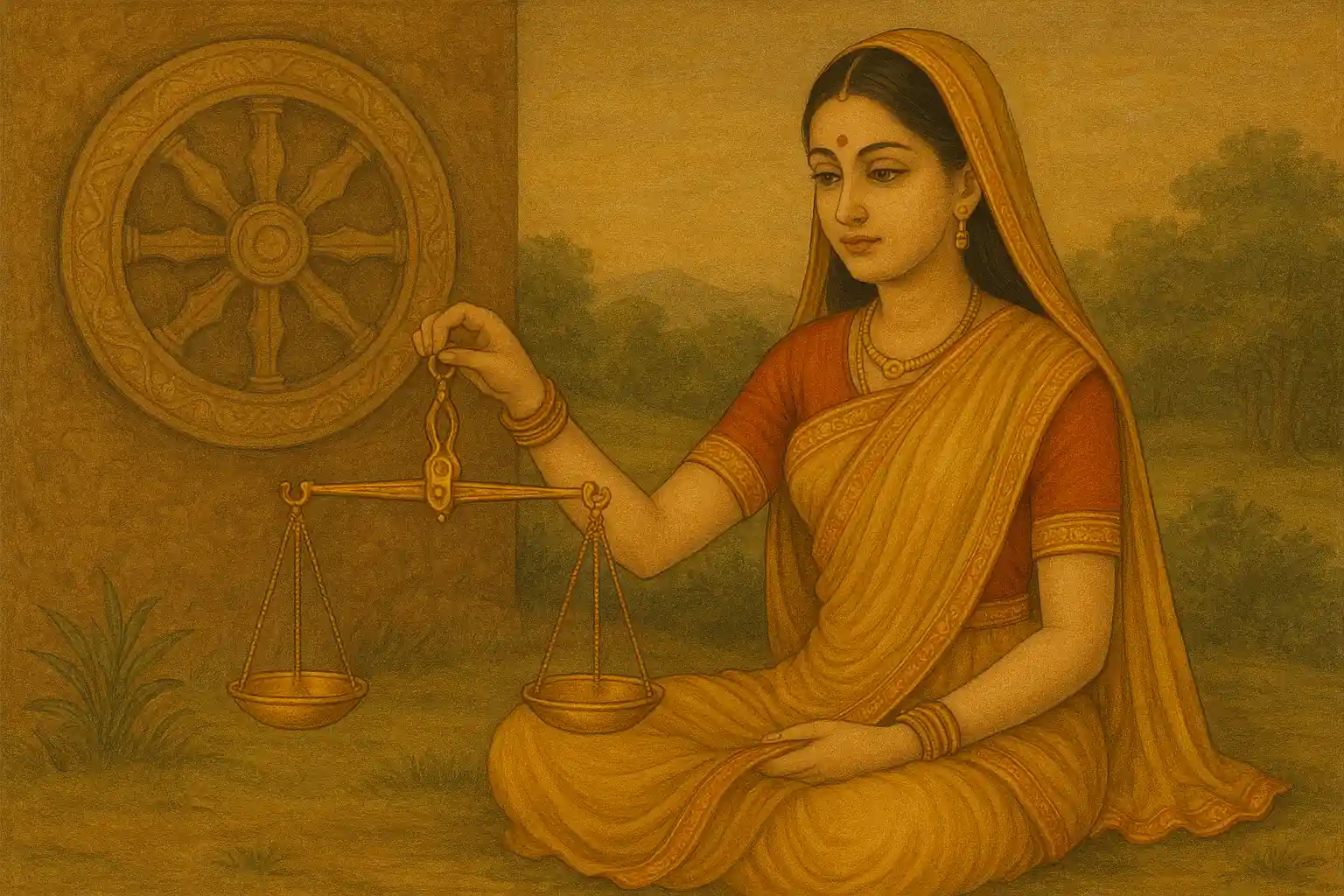
Sita’s view of marriage and relationships is inextricably tied to her understanding of dharma—the principle of duty, righteousness, and moral law. For Sita, duty was not a mere social obligation; it was a spiritual commitment that transcended personal hardship.
Her decision to accompany Rama into exile, leaving behind the comforts of the palace and the prospect of a life as a queen, exemplified her unwavering commitment to her duty as a wife. Despite the suffering she faced in the forest, Sita never once complained, always accepting her role with grace and dignity. Her strength during the years of exile shows that true duty is not without sacrifice, and it often requires us to go beyond our own comfort and desires to fulfill a higher purpose.
Sita’s sacrifices, including enduring the separation from her husband and facing the trials imposed upon her by Ravana, were not just acts of obedience, but of love and devotion. She accepted every challenge with the knowledge that her actions were part of a greater cosmic plan. This highlights that duty in marriage, like in all relationships, goes beyond the immediate or visible—it is about maintaining integrity and fulfilling responsibilities.
Today, when relationships are often tested by individual desires and societal pressures, Sita’s commitment to duty can serve as a reminder of the importance of selflessness, loyalty, and sacrifice in maintaining healthy and meaningful bonds.
Faith and Devotion: Sita’s Unwavering Faith in Shree Ram and Life
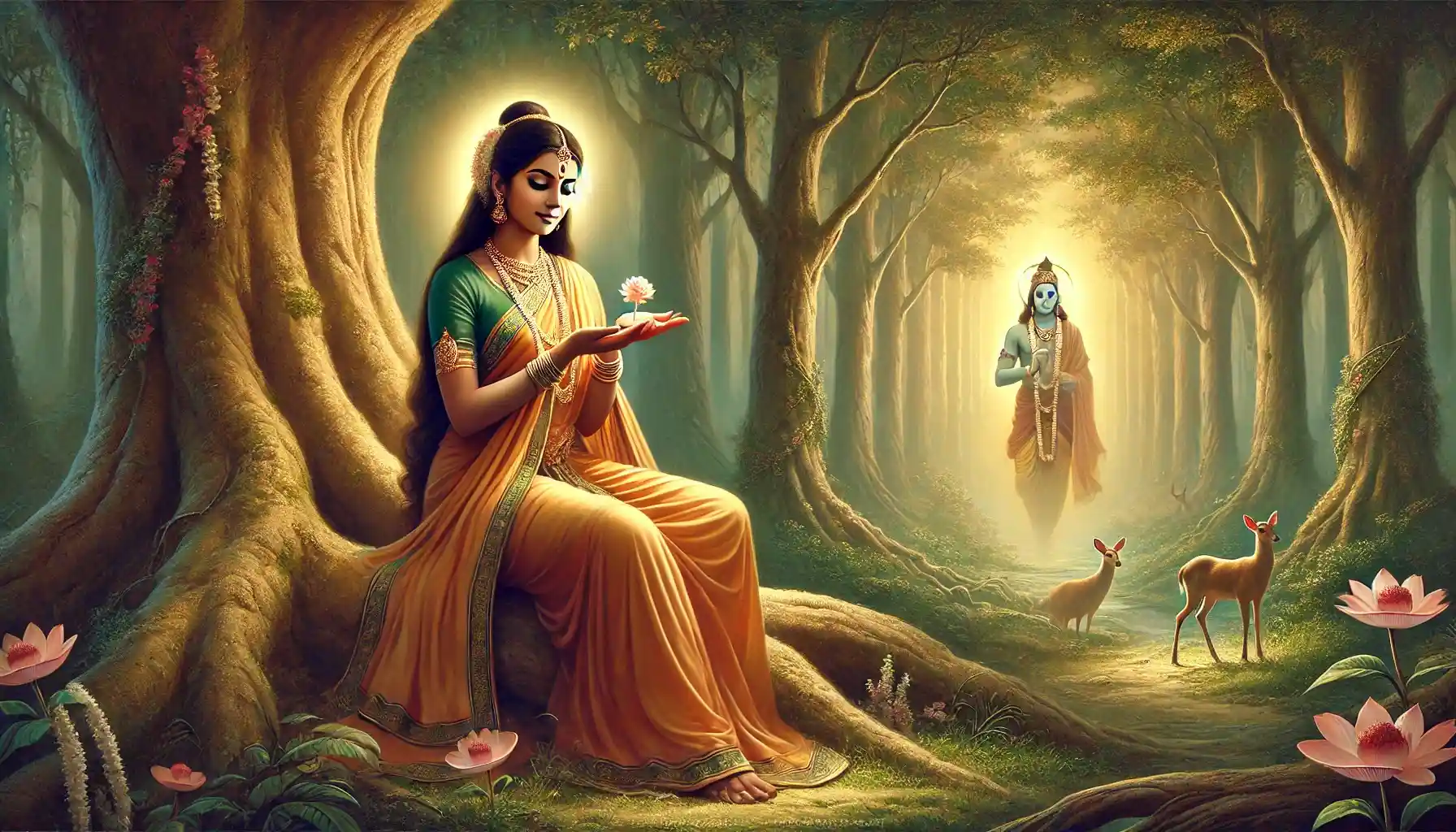
One of the most powerful aspects of Sita’s life was her unwavering faith in Rama. While many individuals may waver in faith during times of crisis, Sita's devotion remained unshaken. Even during her captivity in Ravana’s palace, she held fast to her belief that Rama would come to rescue her. Her faith was not a passive belief but an active and profound trust in the divine order of the universe.
Sita’s relationship with Rama was based on deep spiritual principles, not just worldly affection. She saw him as her lord and protector, as the divine incarnation who would guide her through the trials of life. When Rama had to test her purity through the Agni Pariksha (trial by fire), it was her faith in both Rama and herself that enabled her to walk through the fire unscathed, proving her chastity and integrity.
Sita's faith teaches us that devotion is not always about receiving immediate validation or rewards; rather, it is about holding on to one’s trust in a higher purpose, even in the most difficult of circumstances. In modern relationships, especially in times of doubt or struggle, Sita’s faith reminds us that true devotion to a partner—or a higher spiritual path—is not conditional on worldly circumstances.
Sita as a Symbol of Purity and Virtue: The Ideal Woman in Hindu Culture
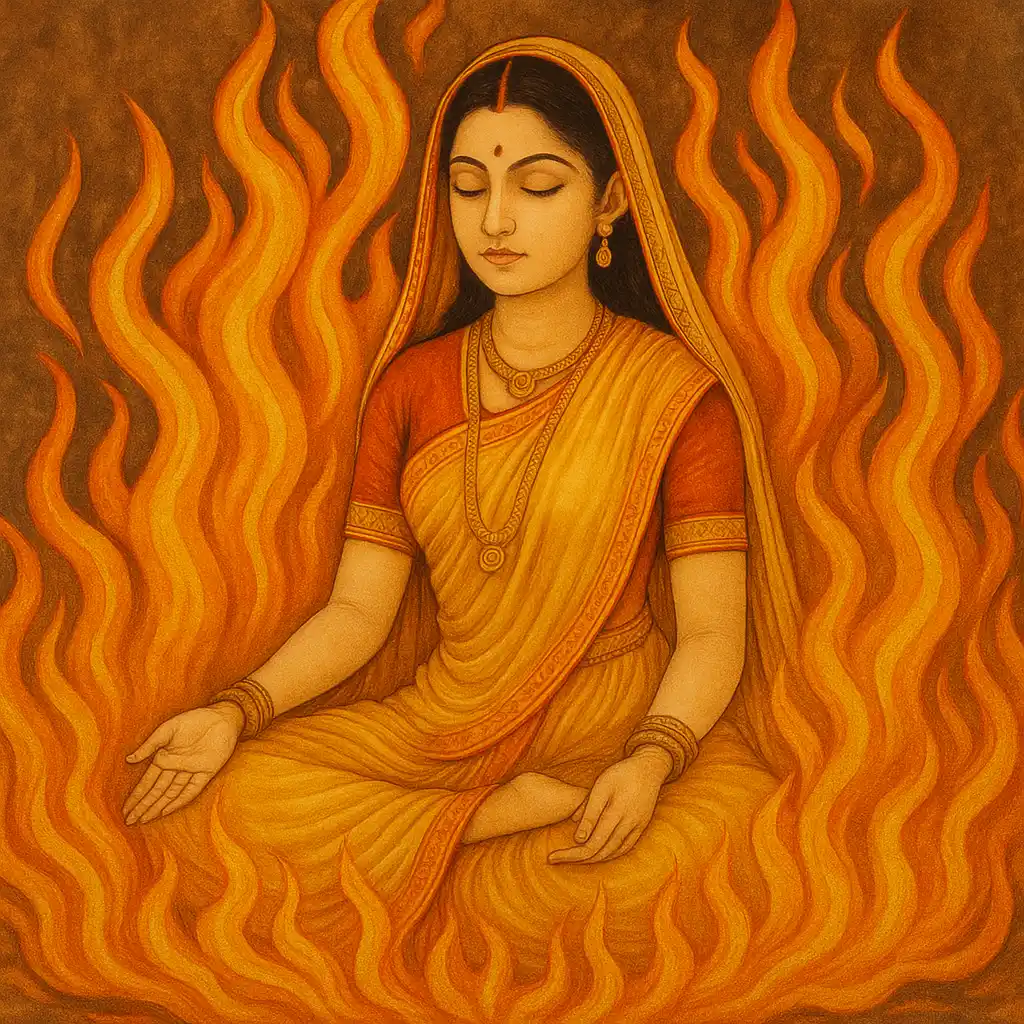
In Hindu tradition, Sita is often depicted as the epitome of purity, virtue, and grace. Her unwavering commitment to her dharma and her role as a wife, mother, and daughter provide an idealized representation of womanhood. However, this idealization should not be seen as a restrictive blueprint for women today but rather as an inspiration for inner strength, moral clarity, and spiritual dedication.
Sita’s purity wasn’t just physical; it was a reflection of her mental and emotional clarity. Her choices were never based on selfish desires but were driven by her commitment to dharma, even when faced with personal sacrifice and hardship. She chose to live a life of integrity and moral fortitude, never compromising her values, no matter the pressures around her. This symbolizes how women, and indeed all individuals, can live with inner purity and strength by aligning their actions with higher principles and values.
Her ordeal with the Agni Pariksha (trial by fire) further illustrates the cultural importance of purity, but it also serves as a metaphor for spiritual purification—through trials and tests, one’s virtues are often revealed and strengthened. The test by fire, in this sense, was symbolic of how, through life’s struggles, one must remain steadfast and pure in their commitment to righteousness.
Sita’s Strength in Adversity: From Abduction to Exile
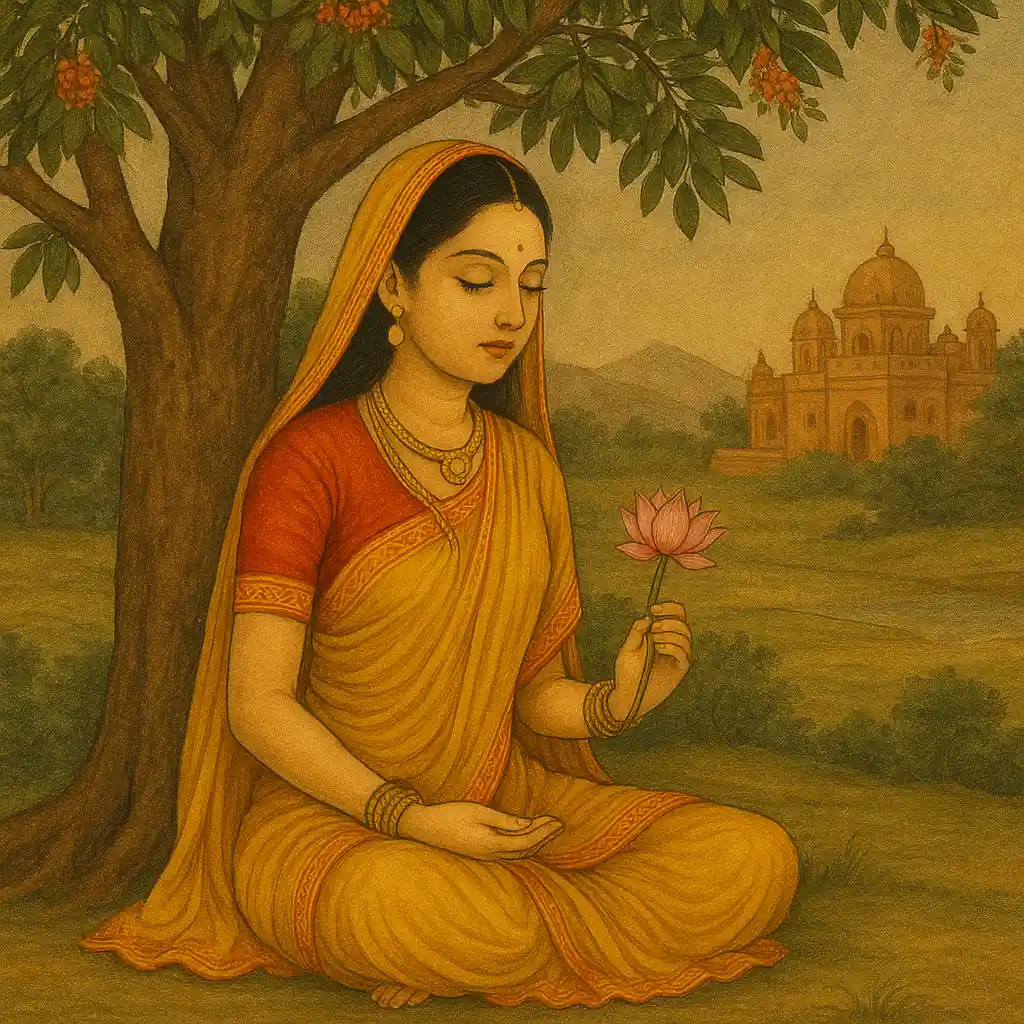
One of the most remarkable aspects of Sita’s journey is how she handled adversity with immense courage. Her abduction by Ravana and her subsequent trials are often seen as some of the most painful episodes of her life. Yet, through it all, she remained composed and resilient. Even when Ravana offered her riches and power, Sita rejected them, choosing instead to remain faithful to Rama. Her strength in adversity teaches us that true inner power comes from staying grounded in our principles and values, even when faced with immense opposition and challenges.
Her ordeal in Ravana’s palace, where she was isolated and pressured into submitting to the demon king’s desires, highlights the emotional and psychological trauma that she endured. But instead of giving in to despair, Sita’s faith in Rama, as well as her commitment to her duty as his wife, kept her mind and spirit strong. Sita's ability to remain calm, composed, and centered in the most difficult situations teaches us that resilience isn’t just about surviving hardships—it’s about how we handle them and grow from them.
Insights by Swami Mukundananda: A Modern Perspective on Sita’s Virtue
Swami Mukundananda,, sheds valuable light on Sita’s character, emphasizing that her life is not just a scriptural tale, but a practical model for modern living. According to Swami Mukundananda, Sita’s life exemplifies the fusion of devotion and duty, both of which are central to spiritual progress.
He explains that Sita’s unwavering devotion to Rama is symbolic of the relationship between the individual soul (the Jiva) and the divine. Just as Sita never questioned Rama’s actions, even when they seemed harsh or difficult, we too must learn to trust the divine flow of life, even when it challenges us. Swami Mukundananda encourages modern-day seekers to emulate Sita's faith—not as blind submission, but as a conscious and deliberate choice to align oneself with a higher purpose.
Furthermore, Swami Mukundananda emphasizes that Sita's sacrifices were not about submission to fate but an active engagement with her higher calling. Her ability to endure hardship and maintain inner peace exemplifies the ideal of resilience that is sorely needed in today’s world. For him, Sita’s life is a blueprint for living a life of spiritual integrity, regardless of external circumstances.
The Lessons from Sita: Applying Sita’s Teachings in Today’s World
Sita’s life is full of profound lessons that are relevant even in today’s world. Whether we are navigating personal relationships, family dynamics, or our duties in society, Sita’s teachings offer a model of integrity and resilience. From her devotion to Rama to her strength in the face of adversity, Sita’s journey provides valuable insights into the nature of human relationships.
- The Importance of Duty in Relationships: Sita’s life reminds us that relationships are built on shared responsibilities and a sense of duty. Marriage, for example, is not just about companionship, but about mutual respect, responsibility, and sacrifice.
- The Power of Faith: Sita’s unwavering faith in Rama teaches us the importance of belief—not just in others, but in ourselves and in the higher purpose of our lives. Faith provides strength and resilience during challenging times.
- The Sacrifice for a Greater Good: Sita's sacrifices, though immense, were always for a higher cause. She understood that personal struggles were often necessary for the greater good of society and her divine mission.
Incorporating these lessons into our modern lives can help us navigate complex relationships and life’s trials
Conclusion: Sita’s eternal Wisdom for the Modern World
Sita’s perspective on marriage, duty, and faith is as relevant today as it was thousands of years ago. Her life is a shining example of how to live with integrity, how to handle challenges with grace, and how to embrace one’s spiritual duties. In today’s fast-paced, often materialistic world, the lessons from Sita’s life offer profound wisdom on love, sacrifice, and devotion. Her legacy teaches us that true strength lies in aligning our actions with dharma, remaining faithful to our purpose, and trusting in the divine order of the universe.
In every phase of life—whether in marriage, relationships, career, or spirituality—Sita’s story calls us to live with honor, love, and an unwavering commitment to our higher purpose. Her unwavering faith in Rama, her dedication to dharma, and her role as a mother, wife, and queen continue to inspire millions of people around the world to lead lives that are filled with purpose, love, and faith.
In a time when many people seek quick fixes and instant gratification, Sita’s life offers us a powerful reminder of the enduring value of virtue, patience, and sacrifice. Through Sita, we learn that the path of righteousness is not always easy, but it is always worth it.
Benefits & Donation / Spiritual Merits
Here are commonly believed benefits and aspects of donations or charitable acts on Vivah Panchami according to tradition / religious sources:
| Area | Spiritual Merits | Donation Merits | Social Benefit |
|---|---|---|---|
| Marital / family life | Devotion to Rama & Sita is believed to yield positive karma, purity, blessings, and spiritual growth. | Donating (daan) on the day is considered highly meritorious. It’s believed donations made on this auspicious day enhance one’s spiritual benefits and blessings. | Donations help temples or communities organize the festival celebrations, help underprivileged people to take part in the events, support temple upkeep etc. |
| Rituals / Puja Steps | The puja is said to purify one's soul and bring blessings from Lord Rama and Sita for a prosperous life. | Making donations during this time increases spiritual merit, especially if done with the intent of helping others. | Contributions to charity or temple projects help the broader community, especially the underprivileged, and support religious institutions. |
| Items for Rituals | Rituals performed with proper devotion are believed to bring blessings and purification to the devotee. | Items like clothes, food, or prasad offered during the puja are considered to have spiritual merit. | Offerings made during the festival benefit the community and help organize larger temple activities. |
| Festivals and Celebrations | By participating in the rituals, devotees can purify their hearts and grow spiritually. | Charitable acts are encouraged during the festival to enhance spiritual and worldly benefits. | By making donations, communities are able to support the festival and enhance the lives of the less fortunate. |
May the divine union of Shri Sita–Ram shower the world with peace, love, and auspiciousness — जयति सीता–रामोऽयं, मंगलं लोकमङ्ग
Vivah Panchami is a Hindu festival that commemorates the wedding of Lord Rama and Goddess Sita, celebrated on the fifth day of the waxing moon in the month of Margashirsha. The festival is a celebration of their divine union, symbolizing love, devotion, and the triumph of dharma. Celebrations are particularly vibrant in places associated with their story, such as Ayodhya in India and Janakpur in Nepal, where re-enactments of the wedding, processions, and devotional songs are held.
As we learned the pivotal role of Donation during Vivah Panchami 2025. We are fortune to receive an opportunity to help Swami Mukundananda Ji and his JKYog mission in supporting the underprivileged through Jagadguru Kripalu University (JKU) and Jagadguru Kripalu Hospital & Research Center — a transformative initiative bringing education, healthcare, and hope to rural India.
“True wealth is found not in what we have, but in what we give.”
🎓 Support the JKU Project – Here's How You Can Help:
💛 Make a Direct Donation
Light up a life with your generous contribution.
👉 Donate Now
👣 Start Your Own Fundraiser
Create your own fundraising page and rally your family, friends, or community.
👉 Start Fundraising Here
🤝 Join the Walk for Education & Healthcare
Be part of a global movement to raise awareness and funds.
🌼 Your Contribution Supports:
- Free & subsidized education for underprivileged children, youth, and adults
- Modern and alternative healthcare, including child health, dental, physiotherapy, and natural healing
- Vocational training and micro-enterprise development
- Promotion of spiritual, physical, and mental well-being based on Vedic and Yogic sciences
Call To Action
- Immerse yourself in the divine pastimes of Shree Krishna and transform your spiritual journey by listening to Swami Mukundananda's Srimad Bhagavatam sessions on YouTube.
- Experience divine blessings and spiritual protection by participating in the sacred Sudarshan Narasimha Homam on 18th Nov 2025 at the Radha Krishna Temple of Dallas. Join this powerful fire ceremony to remove obstacles, purify the mind, and invite peace, health, and prosperity into your life—register now at www.radhakrishnatemple.net/sudarshan-narsimha-homam.
- To learn more about spiritual growth and self-transformation, visit www.jkyog.org, where you can explore a variety of upcoming events, participate in guided meditations, and experience Swami Mukundananda's enlightening wisdom series designed to help you live each day with greater light, clarity, purpose, and inner peace.
If you enjoyed exploring the divine story of Mother Sita and Rama, you may appreciate few sacred hymns that deepen your spiritual connection and devotion. Discover the divine power and meaning behind these timeless chants:
- Shree Ram Raksha Stotra – Click Here
- Vishnu Sahasranamam – Click Here
- Mahamrityunjay Mantra – Click Here
- Sundarkand Path – Click Here
- Shiv Tandav Stotram – Click Here
✨ Explore Diwali & Chhath Puja Blogs
Top 50 Diwali Wishes 2025
Spiritual greetings & status ideas
Explore over 50 heartfelt greetings, spiritual messages, and inspiring WhatsApp status ideas that reflect divine love and light for Diwali 2025.
Read More →Diwali Greetings 2025
Quotes for family & friends
Celebrate Diwali 2025 with heartfelt wishes, meaningful messages, and inspiring quotes for loved ones. Share the joy of Deepavali with spiritual warmth.
Read More →Diwali Dates & Muhurat
5-day guide & puja timings
Plan your Diwali 2025 celebrations with this full guide—covering 5 days of rituals, muhurat timings, and deeper spiritual meaning behind each festival day.
Read More →Rangoli Designs 2025
Traditional & creative styles
Celebrate Diwali with stunning Rangoli—from classic floral to 3D and LED designs. Explore eco-friendly and artistic ways to welcome prosperity this Deepavali.
Read More →Lakshmi Puja 2025
Puja date, rituals & seva
Worship Goddess Lakshmi with correct Diwali 2025 muhurat, rituals, and support JKYog’s rural upliftment. Light lives and invite divine blessings.
Read More →Navratri 2025 Guide
Puja date, rituals & seva
Discover Navratri 2025 in depth! Get the complete calendar, daily goddess significance, fasting rituals, regional traditions, and muhurat timings.
Read More →📚 Learn about all 9 forms of Goddess Durga and explore Navratri rituals in our Complete Navratri 2025 Guide »
FAQs
1. What makes Sita’s perspective on marriage different from modern views?
Sita’s view on marriage goes far beyond emotional or romantic attachment. For her, marriage was a sacred union grounded in dharma—righteous duty and mutual respect. Unlike modern interpretations that often emphasize personal fulfillment, Sita saw marriage as a spiritual partnership dedicated to the greater good. Her relationship with Rama exemplified loyalty, equality in purpose, and shared responsibility for upholding righteousness.
2. How does Sita’s concept of duty (dharma) shape her character?
Sita’s life was a living embodiment of dharma. She saw her duty not as an obligation, but as a conscious choice rooted in love and righteousness. Whether it was accompanying Rama into exile or enduring trials with unwavering grace, her actions reflected a deep moral commitment. Her sacrifices teach that true duty involves selflessness, integrity, and the courage to do what’s right—even when it demands personal loss.
3. What role does faith play in Sita’s story?
Faith is the spiritual cornerstone of Sita’s life. Her unwavering trust in Rama and in divine justice guided her through her greatest hardships—from her abduction by Ravana to the Agni Pariksha (trial by fire). Sita’s faith wasn’t passive; it was an active force that gave her strength and serenity amidst suffering. Her example teaches that faith can be both a shield and a source of resilience in life’s darkest moments.
4. How do Swami Mukundananda’s insights deepen our understanding of Sita?
Swami Mukundananda interprets Sita’s story as a guide for spiritual growth in modern times. He highlights that her devotion to Rama symbolizes the soul’s unwavering connection to the Divine. According to him, Sita’s life illustrates that true devotion doesn’t mean blind submission—it means inner strength, clarity, and alignment with higher truth. Her life urges us to live with balance: serving both worldly responsibilities and spiritual goals with equal devotion.
5. What can modern readers learn from Sita’s life?
Sita’s story remains timeless because it mirrors universal human struggles—love, sacrifice, injustice, and redemption. Modern readers can learn the value of patience, commitment, and spiritual faith in facing challenges. Her resilience reminds us that grace and strength can coexist, and that living according to one’s principles—even in adversity—leads to lasting peace and fulfillment. Sita teaches us that true power lies not in rebellion or dominance, but in moral clarity and compassion.
References
- Valmiki Ramayana – Translated by Ralph T. H. Griffith, 1895.
The primary Sanskrit epic detailing the life of Lord Rama and Sita, exploring their ideals of dharma, sacrifice, and devotion. - Tulsidas, Goswami. Ramcharitmanas.
A devotional retelling of the Ramayana that highlights Sita’s purity, strength, and faith during her trials. - Swami Mukundananda. (2018). Bhagavad Gita: The Song of God. Radha Govind Dham Publications.
Swami Mukunanda’s commentary draws parallels between Sita’s devotion and the universal principles of duty, love, and spiritual faith.