
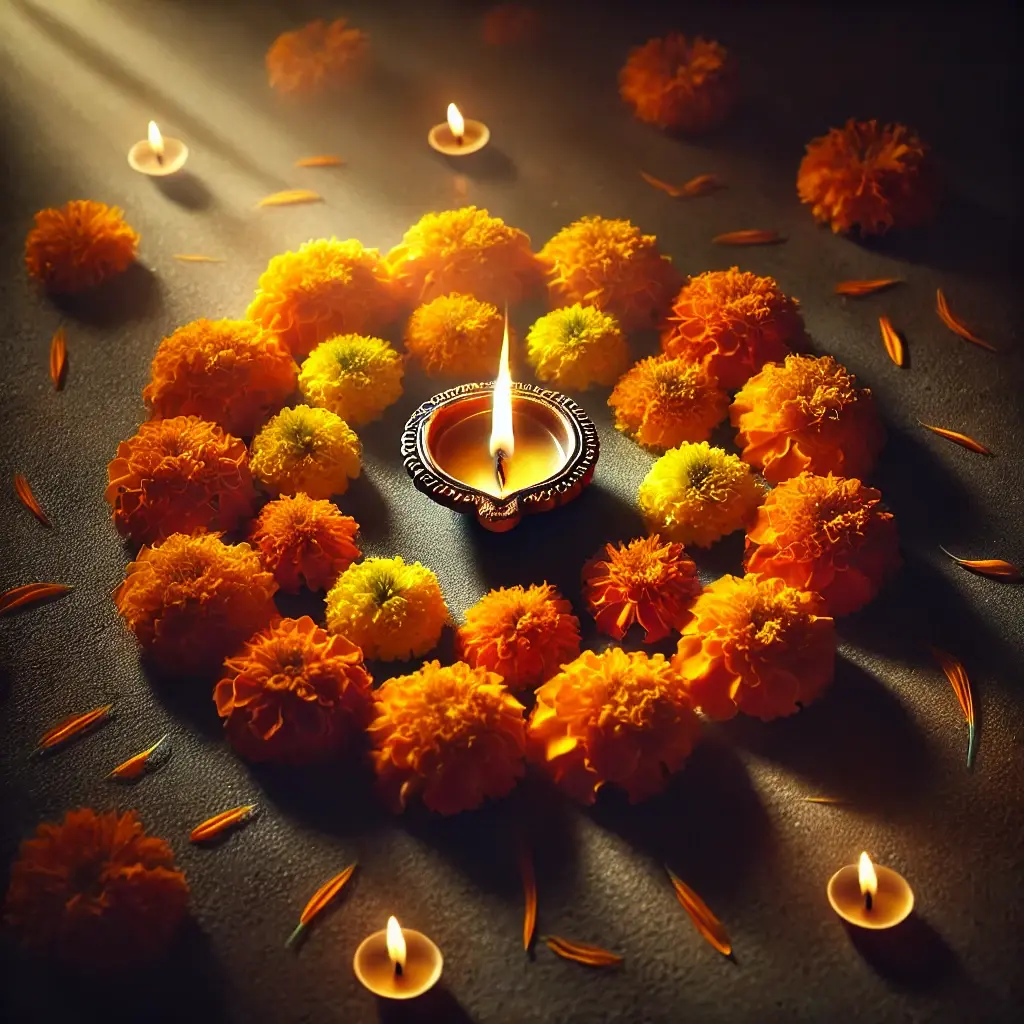
Introduction: The Festival of Lights Beyond Lamps
Diwali, the festival of lights, shines as one of the most beloved celebrations across India and the world. Rows of lamps illuminate homes, fireworks color the skies, and families come together to share sweets and joy. At its heart, Diwali signifies the triumph of light over darkness, knowledge over ignorance, and righteousness over evil.
Yet, beyond the outer rituals of lighting diyas and bursting firecrackers, Diwali carries a deeper invitation—an inward journey. The Bhagavad Gita, one of the crown jewels of Hindu philosophy, offers timeless wisdom on how to truly “light the inner lamp.” It teaches us that true illumination arises not from external sources but from within, as we awaken the eternal light of the soul and align ourselves with divine consciousness.
Let’s explore how the Bhagavad Gita’s teachings harmonize with the symbolism of Diwali. We’ll move through themes of light and darkness, detachment, inner battles, and divine surrender, bringing out insights that make Diwali not just a cultural celebration but a profound spiritual practice.
Diwali’s Symbolism Through the Lens of the Gita
The essence of Diwali is the victory of light over darkness. Similarly, the Gita presents the human journey as a battlefield where ignorance (avidya) and selfish desires wage war against wisdom (jnana) and selfless devotion (bhakti).
- Darkness in the Gita symbolizes ignorance of our true nature, when we identify only with the body, wealth, possessions, and fleeting pleasures.
- Light represents knowledge of the self (atman), realization of the eternal soul, and devotion to God.
Lord Krishna tells Arjuna in the Gita:
“tesham evanukampartham aham ajnana-jam tamah
nashayamyatma-bhava-stho jnana-dipena bhasvata”
(BG 10.11)
“Out of compassion for them, I, who dwell within their hearts, destroy the darkness born of ignorance, with the luminous lamp of knowledge.”
👉 Read Verse 10.11 with commentary
Thus, lighting the lamp during Diwali is not merely a ritual—it is a reminder of our inner responsibility to dispel ignorance with divine wisdom.
The Inner Rama-Ravana Battle
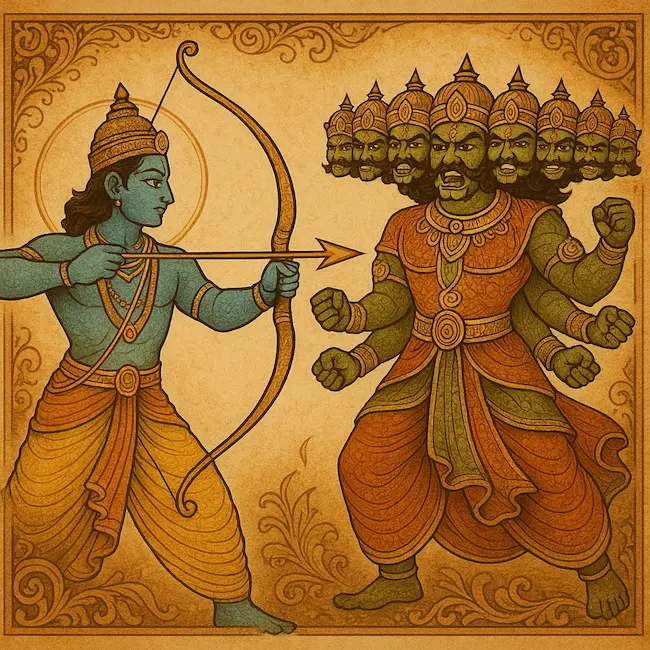
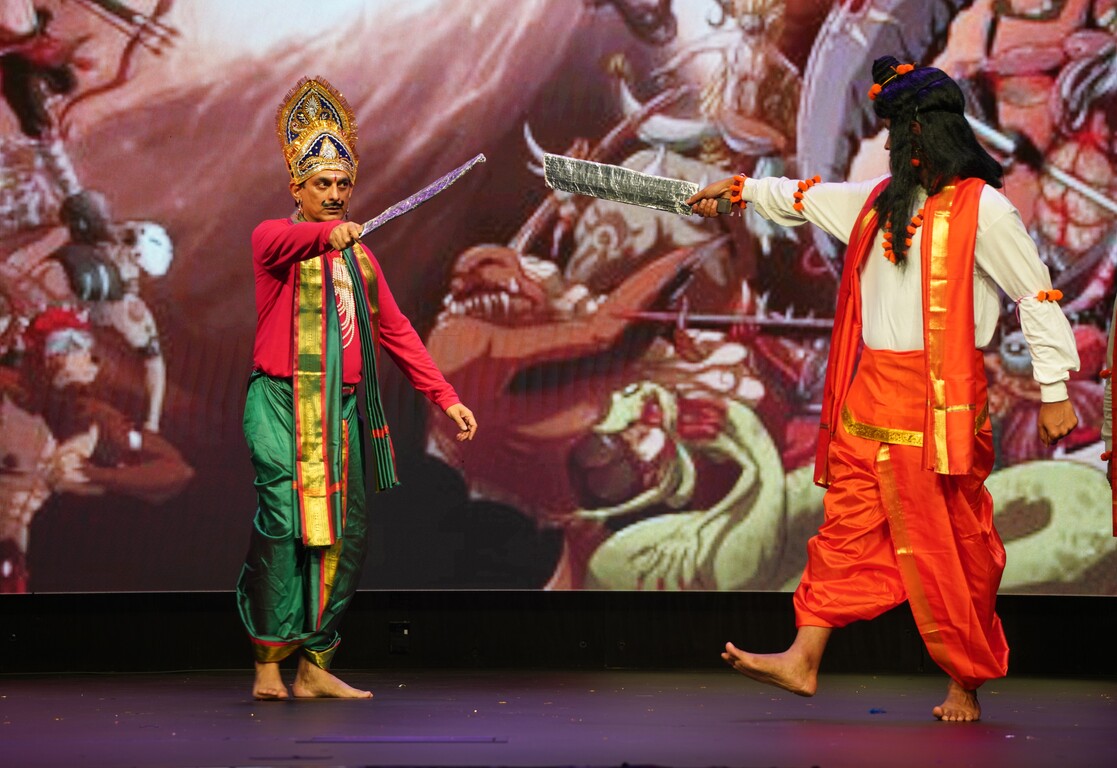
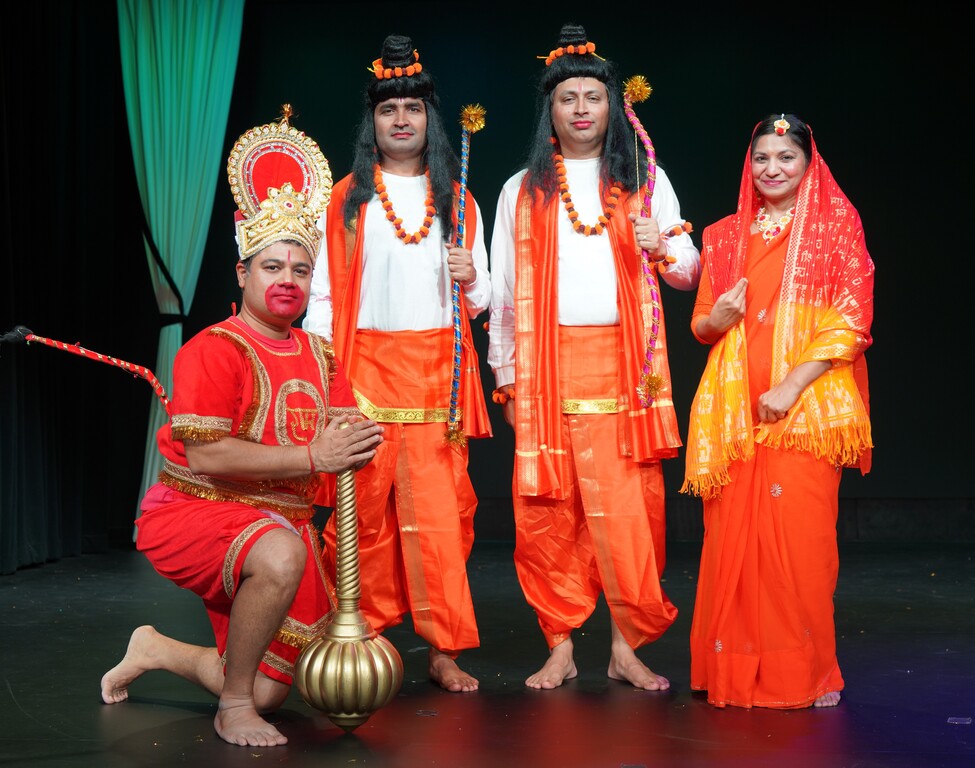
Diwali also celebrates Lord Rama’s return to Ayodhya after defeating Ravana. The Ramayana story parallels the Gita’s central message: the war against inner enemies.
Ravana symbolizes uncontrolled desires, ego, and pride, while Rama embodies dharma, virtue, and God-consciousness. In the Gita, Krishna tells Arjuna that one’s greatest enemy lies within:
“uddhared atmanatmanam natmanam avasadayet
atmaiva hyatmano bandhur atmaiva ripur atmanah”
(BG 6.5)
“Elevate yourself through the power of your mind, and not degrade yourself, for the mind can be the friend and also the enemy of the self.”
👉 Read Verse 6.5 with commentary
Lighting the inner lamp means conquering the Ravana within—lust, anger, greed, and envy—so that the divine Rama, or the higher self, can rule our consciousness. Diwali then becomes more than a historical commemoration; it is a call to wage and win the battle of Kurukshetra within ourselves.
The Lamp of Knowledge: Jnana as True Light
When we light a lamp, the flame dispels darkness instantly. Similarly, when knowledge dawns, ignorance vanishes. The Bhagavad Gita repeatedly emphasizes the power of knowledge (jnana) as the true lamp:
“yatha dipo nivata-stho nengate sopama smrita
yogino yata-chittasya yunjato yogam atmanah”
(BG 6.19)
“Just as a lamp in a windless place does not flicker, so the disciplined mind of a yogi remains steady in meditation on the Supreme.”
👉 Read Verse 6.19 with commentary
This verse also highlights stability—our inner light must not waver with life’s ups and downs. In a world full of distractions and restlessness, Diwali reminds us to steady our inner flame with discipline, wisdom, and meditation.
Fireworks vs. Inner Fire
Diwali fireworks dazzle but fade quickly, much like the fleeting pleasures of the material world. Krishna teaches that worldly enjoyments are temporary sparks—intense but short-lived. True joy lies in cultivating the fire of devotion within:
“yat tad agre visham iva pariname ‘mritopamam
tat sukham sattvikam proktam atma-buddhi-prasada-jam”
(BG 18.37)
“That which seems like poison at first, but tastes like nectar in the end, is said to be happiness in the mode of goodness. It is generated by the pure intellect that is situated in self-knowledge.”
👉 Read Verse 18.37 with commentary
The inner fire, once kindled through spiritual practice, glows steadily, illuminating our journey even beyond this life.
Wealth, Lakshmi, and Detachment
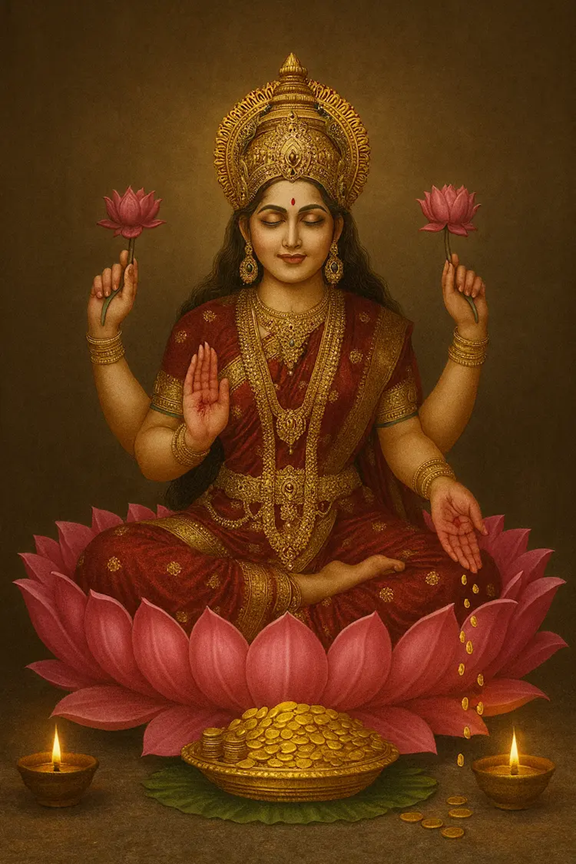
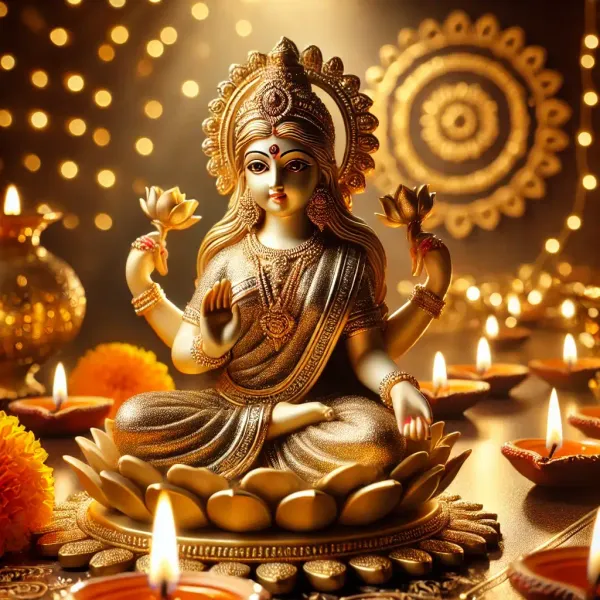
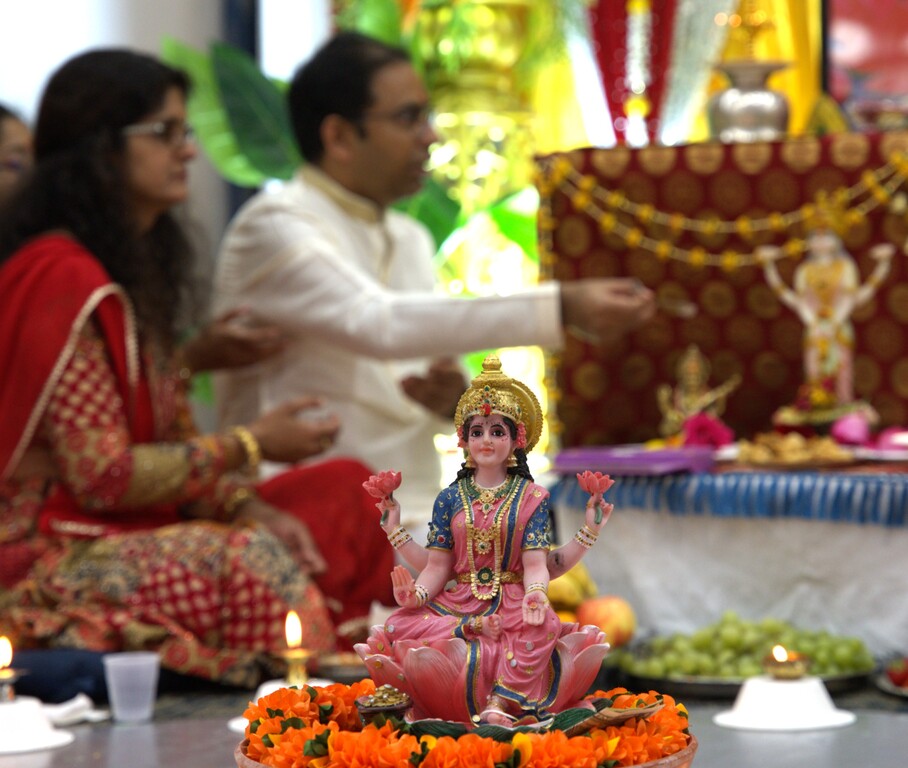
Diwali is also celebrated as the festival of Goddess Lakshmi, the goddess of wealth. But the Gita reminds us that true wealth is not merely gold or possessions—it is self-mastery and devotion to God. Krishna explains detachment as the path to freedom:
“brahmanyadhaya karmani sangam tyaktva karoti yah
lipyate na sa papena padma-patram ivambhasa”
(BG 5.10)
“Those who dedicate their actions to God, abandoning all attachment, remain untouched by sin, just as a lotus leaf is untouched by water.”
👉 Read Verse 5.10 with commentary
Thus, during Diwali, while we honor Lakshmi and seek prosperity, the Gita urges us to practice detachment, recognizing that external wealth is useful only when used in service of dharma and devotion.
The Battle of Kurukshetra as Inner Diwali
The Gita unfolds on the battlefield of Kurukshetra, where Arjuna stands paralyzed by moral confusion. Similarly, every human being faces moments of despair, indecision, and inner turmoil. Diwali symbolizes the moment when light enters and resolves such confusion.
Krishna guides Arjuna with wisdom that cuts through the fog of doubt. He teaches that the soul is eternal, that duty (dharma) must not be abandoned, and that surrender to the Divine ensures victory.
Diwali, then, is a reenactment of Kurukshetra’s resolution: to let divine wisdom light our path and courageously fight the battles of life with righteousness.
Lessons of the Three Gunas During Diwali
The Gita’s teachings on the three gunas—sattva (goodness), rajas (passion), and tamas (ignorance)—resonate deeply with Diwali rituals.
- Tamas is like darkness itself—laziness, inertia, indulgence in ignorance.
- Rajas is the firecracker—restless, noisy, dazzling, but unsustainable.
- Sattva is the calm flame of the diya—steady, pure, and illuminating.
Diwali invites us to transcend tamas and rajas, cultivating sattva in our actions, thoughts, and relationships. Lighting the diya becomes symbolic of moving toward sattva and beyond, into transcendence.
Family, Community, and the Spirit of Seva
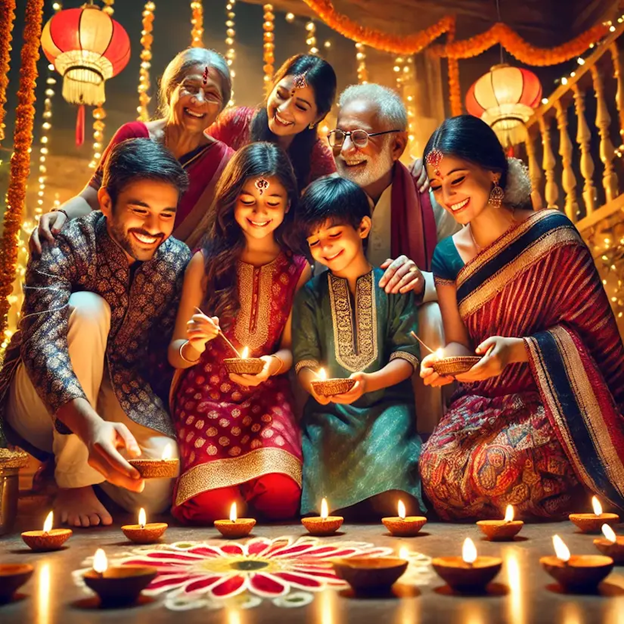
Diwali is a time for families and communities to come together. The Gita teaches that true harmony lies in seeing God in all beings:
“suhrin-mitraryudasina-madhyastha-dveshya-bandhushu
sadhushvapi cha papeshu sama-buddhir vishishyate”
(BG 6.9)
“The yogis look upon all—well-wishers, friends, foes, the pious, and the sinners—with an impartial intellect. The yogi who is of equal intellect toward friend, companion, and foe, neutral among enemies and relatives, and unbiased between the righteous and sinful, is considered to be distinguished among humans.”
👉 Read Verse 6.9 with commentary
When families light lamps together, they also kindle unity and compassion. True celebration lies not only in personal joy but also in extending light to others through kindness, charity, and service (seva). In this sense, Diwali becomes a collective upliftment—a spiritual family festival guided by the Gita’s wisdom of universal love.
Meditation and the Inner Diya
While external lamps burn oil and wick, the inner lamp of the soul requires meditation as its fuel. Krishna explains the state of a yogi as one absorbed in self-realization:
“yatroparamate chittam niruddham yoga-sevaya
yatra chaivatmanatmanam pashyann atmani tushyati”
(BG 6.20)
“When the mind, restrained from material activities, becomes still by the practice of Yog, then the yogi is able to behold the soul through the purified mind, and he rejoices in the inner joy.”
👉 Read Verse 6.20 with commentary
During Diwali, the stillness of meditation allows us to connect the outer ritual with inner awakening. The diya we light externally is only a symbol; the real work lies in steadying the flame of awareness within.
Conquering Darkness of Fear and Anxiety
Diwali often coincides with endings—end of the harvest, end of the year—times that can trigger fear or anxiety about the future. The Gita addresses this universal darkness, assuring us that surrender to the Divine removes fear:
“sarva-dharman parityajya mam ekam sharanam vraja
aham tvam sarva-papebhyo mokshayishyami ma shuchah”
(BG 18.66)
“Abandon all varieties of dharmas and simply surrender unto Me alone. I shall liberate you from all sinful reactions; do not fear.”
👉 Read Verse 18.66 with commentary
Diwali’s lamps remind us that even in our darkest nights, the Divine Light never abandons us.
The Eternal Light: Beyond Birth and Death
Perhaps the deepest teaching of the Gita is that the soul is eternal, never born and never dying. Krishna tells Arjuna:
“vasansi jirnani yatha vihaya
navani grihnati naro ’parani
tatha sharirani vihaya jirnanya
nyani sanyati navani dehi”
(BG 2.22)
“As a person sheds worn-out garments and wears new ones, likewise, at the time of death, the soul casts off its worn-out body and enters a new one.”
👉 Read Verse 2.22 with commentary
Diwali’s lights reflect this eternal flame that neither time, nor death, nor destruction can extinguish. It is the reminder that we are immortal sparks of the divine, destined to return to the Supreme Light.
Final Thoughts: Raganuga Bhakti and the Lamp of Divine Love
The Bhagavad Gita teaches us to move from external rituals to internal transformation. Diwali becomes meaningful not merely by lighting external lamps, but by kindling the eternal flame of wisdom, devotion, and love for God within.
Swami Mukundananda often explains that while the Gita emphasizes knowledge, action, and devotion, its culmination lies in Raganuga Bhakti—spontaneous, love-filled devotion toward God. Unlike duty-bound devotion, Raganuga Bhakti flows like a river, effortless and intimate. It is the inner lamp that shines not because we are told to light it, but because our heart overflows with divine longing.
In this way, the true Diwali is when the lamp of Raganuga Bhakti is lit within us—when love for the Divine becomes natural, unforced, and radiant. This love illuminates not only our own hearts but also becomes a source of light for others.
As Swami Mukundananda beautifully says, “Let us celebrate Diwali by lighting the lamp of divine love in our hearts. That lamp will never burn out, for its fuel is eternal—the bliss of union with God.”
And so, this Diwali, may we look beyond fireworks and festivities, beyond sweets and decorations, and discover the eternal Diwali within—the inner lamp, lit by wisdom, sustained by devotion, and shining with the spontaneous love of Raganuga Bhakti.
Call to Action
As you celebrate Diwali this year, take a moment to light not just the lamps in your home, but also the lamp within your heart. Reflect on the timeless wisdom of the Bhagavad Gita and let Krishna’s guidance inspire your journey toward inner peace and divine love. Embrace this festival as a reminder to conquer the darkness of ignorance with the light of knowledge, and to nurture the flame of devotion through selfless service, meditation, and love for God.
Make this Diwali your inner awakening—where every diya lit is a step toward illuminating your soul.
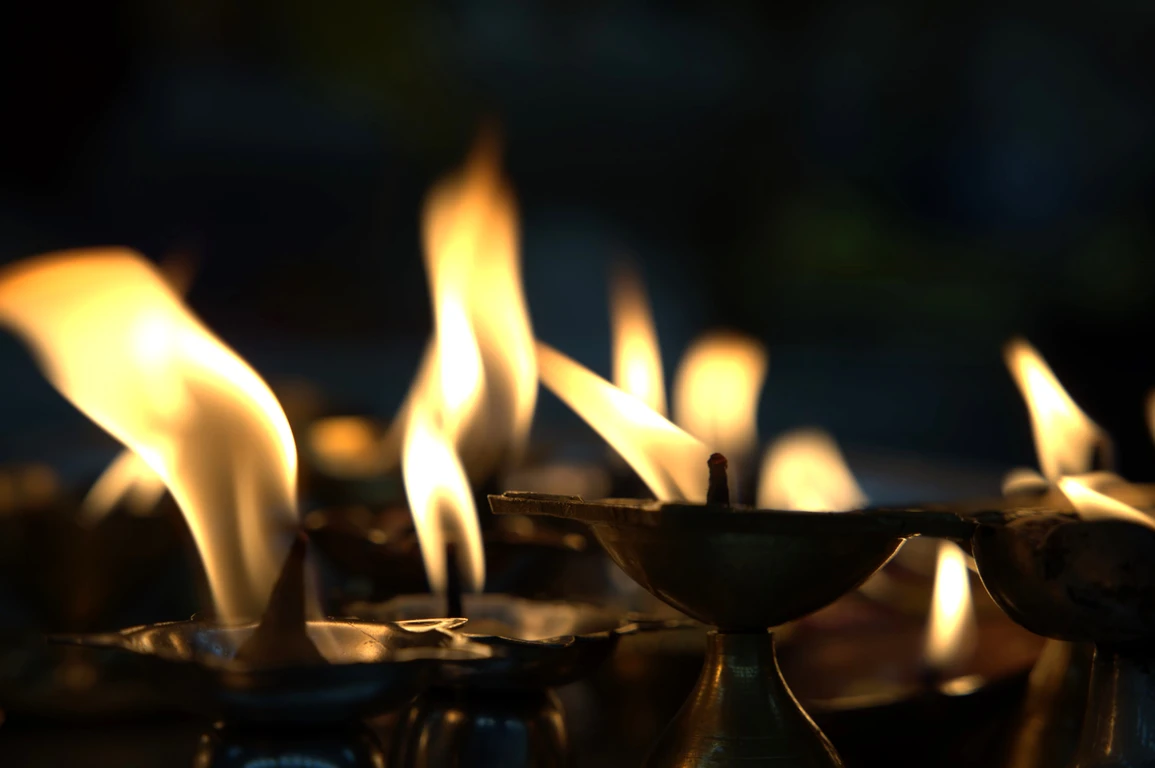
Diwali Mahotsav 2025 at Radha Krishna Temple of Dallas
A Celebration of Lights, Devotion & Festivities
October 17–21, 2025
Special Events: 24-Hour Akhand Ramayan Paath (Oct 11) | Govardhan Pooja (Oct 21)

💡 Click to light a diya
“Diwali is not just about external lights, but about lighting the lamp of knowledge within our hearts.”
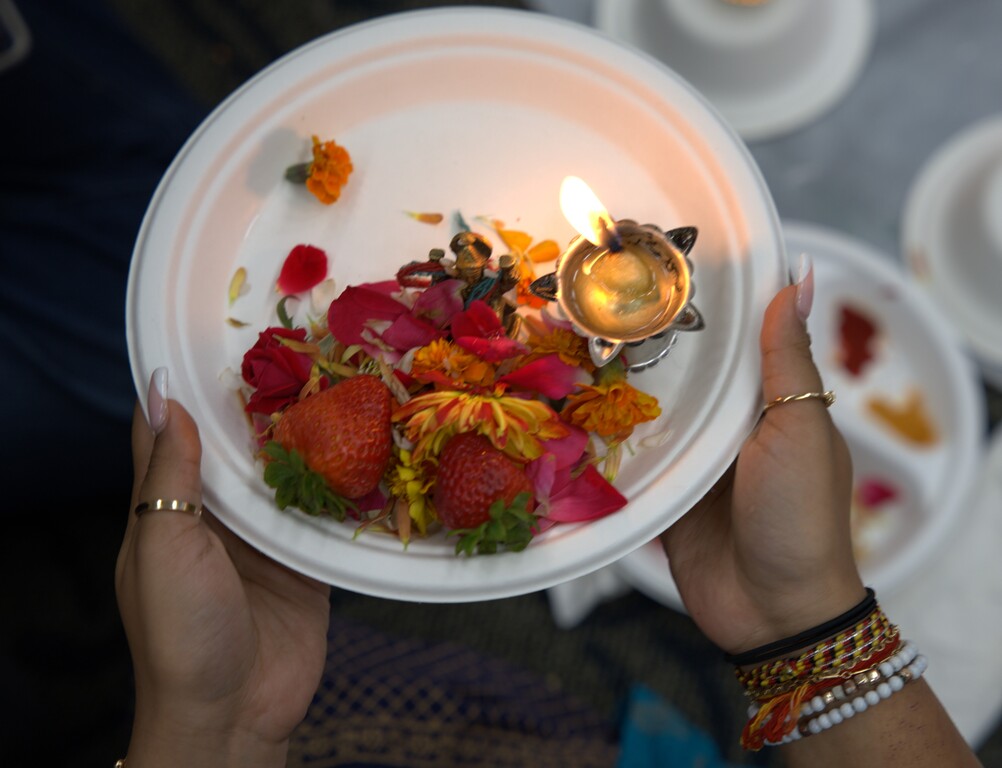
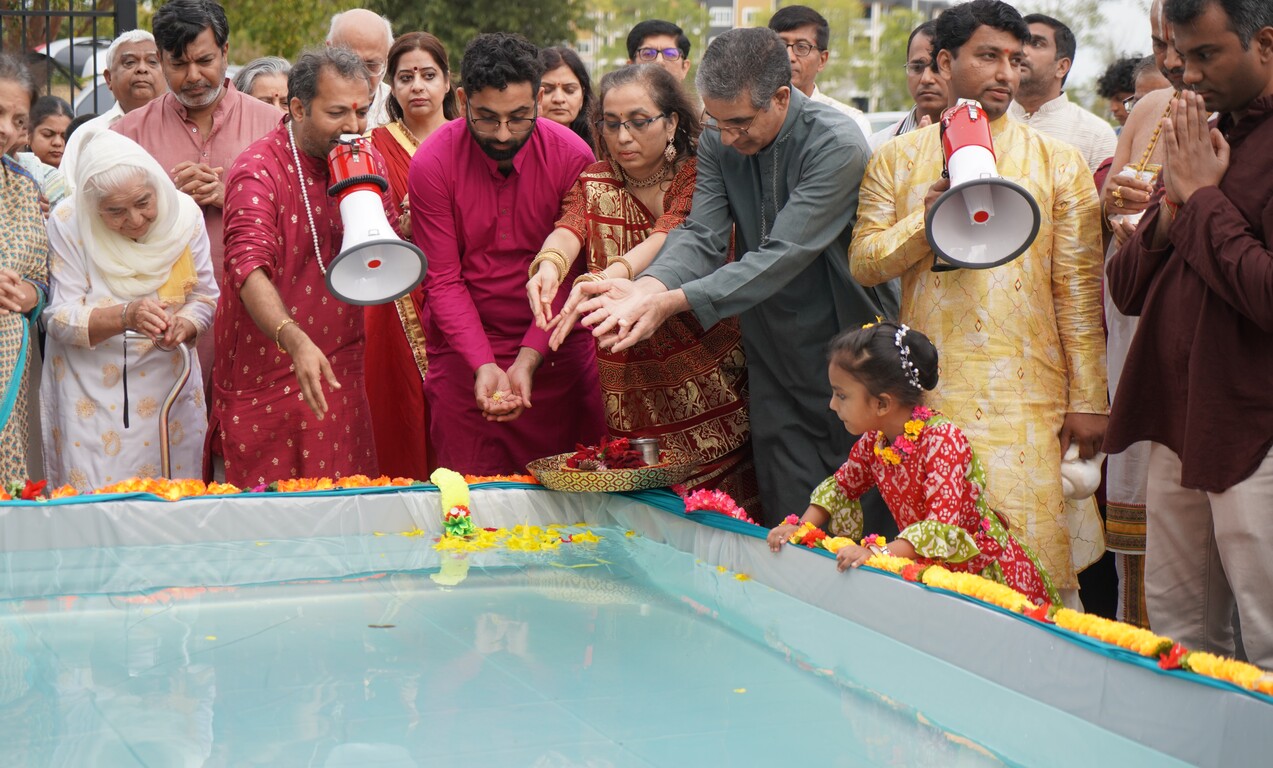
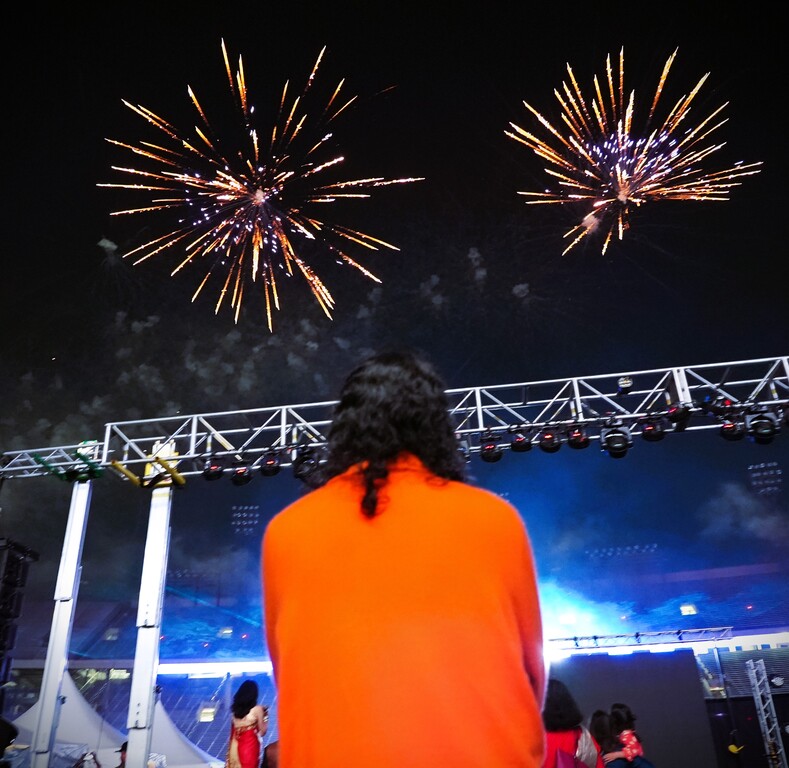

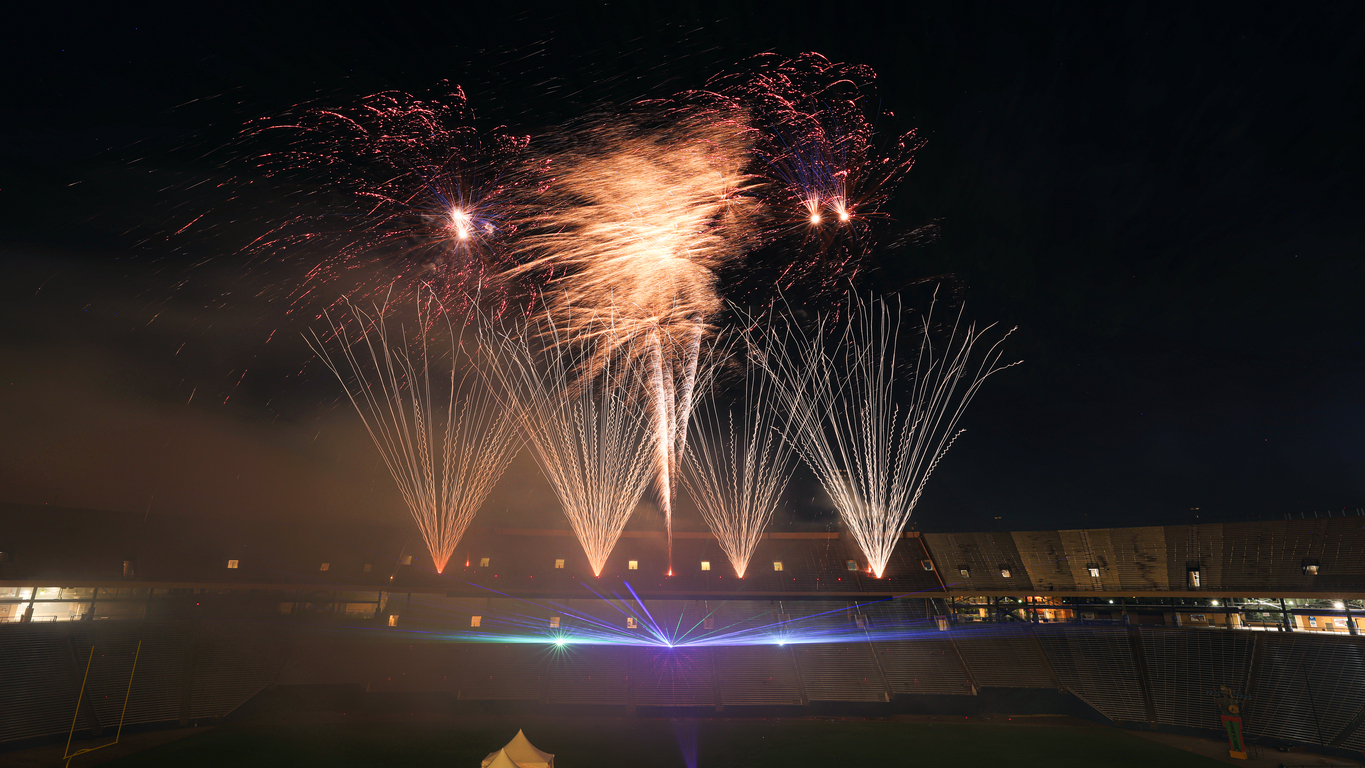
🚫 No outside fireworks allowed. Only authorized fireworks are permitted.
❓ FAQs
Q1. What is the spiritual meaning of lighting lamps during Diwali?
Lighting lamps symbolizes the removal of darkness, which represents ignorance, and the arrival of divine light—knowledge, wisdom, and devotion. The Bhagavad Gita equates this to the inner illumination of the soul by spiritual wisdom.
Q2. How does the Bhagavad Gita connect with Diwali?
The Gita teaches the victory of light (wisdom, devotion, dharma) over darkness (ignorance, ego, and desire). Diwali is the outward festival that reflects this inner spiritual truth. Both emphasize self-mastery, detachment, and devotion to God.
Q3. What is the “inner lamp” mentioned in the Gita?
The “inner lamp” is the light of the soul, awakened by divine knowledge and devotion. Krishna says He dispels ignorance with the lamp of wisdom for those devoted to Him (Gita 10.11).
Q4. How can one celebrate Diwali spiritually?
Beyond rituals, one can celebrate Diwali by practicing meditation, reading the Bhagavad Gita, performing acts of seva (service), cultivating gratitude, and deepening one’s devotion to God.
Q5. What is Raganuga Bhakti and how does it relate to Diwali?
Raganuga Bhakti is spontaneous, love-filled devotion to God, as explained by Swami Mukundananda. During Diwali, lighting the inner lamp means awakening such natural love for the Divine, making devotion not a duty but a joyful expression of the soul.
📚 References
Bhagavad Gita: The Song of God. Translations and Commentary by Swami Mukundananda.
🔗 Read Online