
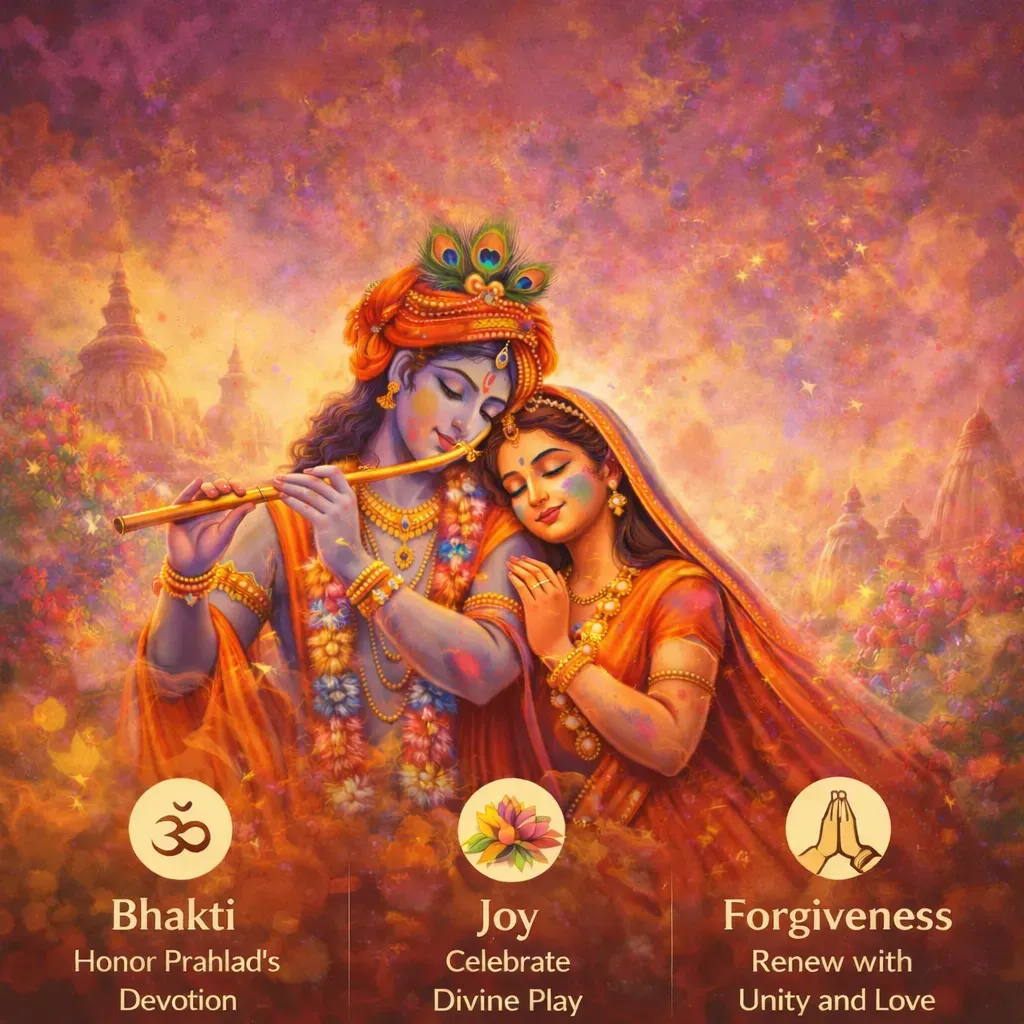
The Spiritual Heart of Holi: Beyond the Colors to the Triumph of Bhakti
Holi is widely celebrated as a festival of vibrant colors, joyous gatherings, and the playful arrival of spring. Streets fill with laughter, music echoes through communities, and clouds of color transform ordinary spaces into scenes of celebration. Yet beneath this lively exterior lies a profound spiritual message that has guided devotees for centuries. The true heart of Holi is not found merely in color play but in the triumph of bhakti, or pure devotion.
In the devotional traditions of India, Holi represents the victory of divine love over ego, faith over fear, and surrender over pride. The festival reminds humanity that spiritual transformation begins when the heart turns toward devotion. Colors symbolize joy, but devotion gives that joy meaning. Without bhakti, Holi remains a seasonal celebration. With devotion, it becomes a sacred journey toward inner awakening.
Bhakti teaches that the Divine is accessible through love rather than ritual complexity or intellectual mastery. Holi expresses this principle beautifully. Devotees celebrate through singing, chanting, dancing, and shared happiness, demonstrating that spirituality flourishes through heartfelt expression. The playful spirit of Holi reflects the truth that divine connection can arise through collective joy and remembrance.
As winter gives way to spring, Holi invites individuals to release emotional burdens just as nature renews itself. Pride, resentment, and negativity dissolve symbolically, allowing compassion and humility to emerge. The application of color reflects the soul’s longing to be touched by divine grace.
Approaching Holi through devotion transforms celebration into worship. Every song becomes prayer and every shared smile becomes blessing. Holi 2026 offers an opportunity to rediscover this sacred essence and reconnect with divine love through conscious celebration.
Echoes of Antiquity: Ancient Legends of Prahlad, Lord Vishnu, and the Burning of Ego
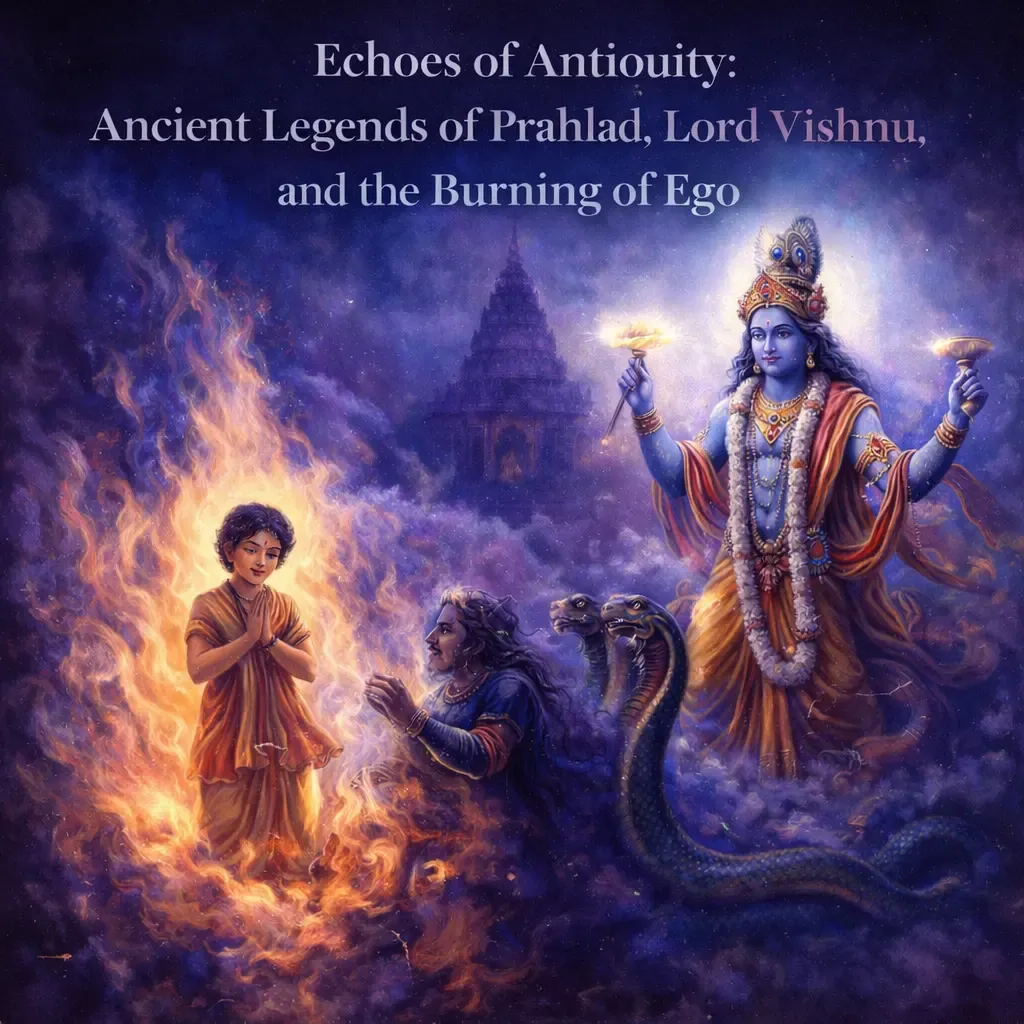
The spiritual foundation of Holi rests upon the timeless story of Prahlad and Lord Vishnu, a narrative that illustrates the victory of devotion over arrogance. Prahlad, the young son of the powerful king Hiranyakashipu, remained deeply devoted to Lord Vishnu despite intense opposition from his father.
Hiranyakashipu demanded worship as the supreme authority, yet Prahlad refused to abandon his faith. Angered by this devotion, the king subjected his son to severe trials. Each attempt failed as divine protection preserved Prahlad’s life. His unwavering faith demonstrated that devotion transcends fear and worldly power.
The turning point came when Holika, the king’s sister, attempted to burn Prahlad in a sacred fire using a boon that protected her from flames. However, the protection failed when used with harmful intent. Holika perished while Prahlad remained unharmed through divine grace.
This event is commemorated through Holika Dahan, symbolizing the destruction of ego and negativity. Spiritually, Hiranyakashipu represents pride, Holika represents deception, and Prahlad embodies surrender and faith. The sacred fire reminds devotees to burn inner impurities such as anger, jealousy, and attachment.
Holi therefore celebrates not only seasonal renewal but also the eternal victory of devotion within the human heart.
The Spiritual Significance: More Than Just Colors
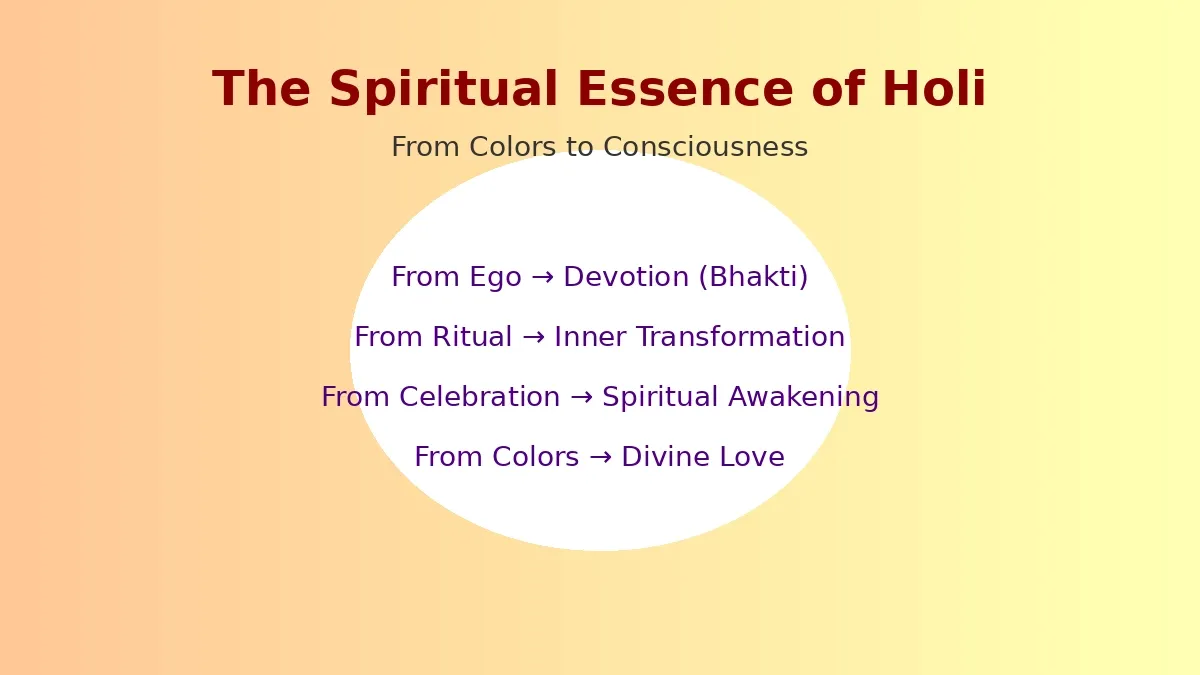
The colors of Holi carry profound symbolic meaning connected to spiritual awakening. Each shade reflects divine qualities present within creation. Red represents devotion and vitality. Yellow signifies knowledge and auspiciousness. Green symbolizes harmony and renewal. Blue reflects divine infinity.
Applying colors becomes an acknowledgment of the divine presence within others. Social divisions temporarily dissolve, reinforcing the spiritual truth that all souls are equal before God. Holi encourages reconciliation, forgiveness, and emotional healing.
Devotional communities maintain spiritual awareness through chanting, storytelling, and remembrance of divine pastimes. Joyful celebration becomes an expression of worship when rooted in devotion. Holi thus evolves into spiritual practice expressed through happiness.
Radha-Krishna Prem: The Heart of Devotional Holi
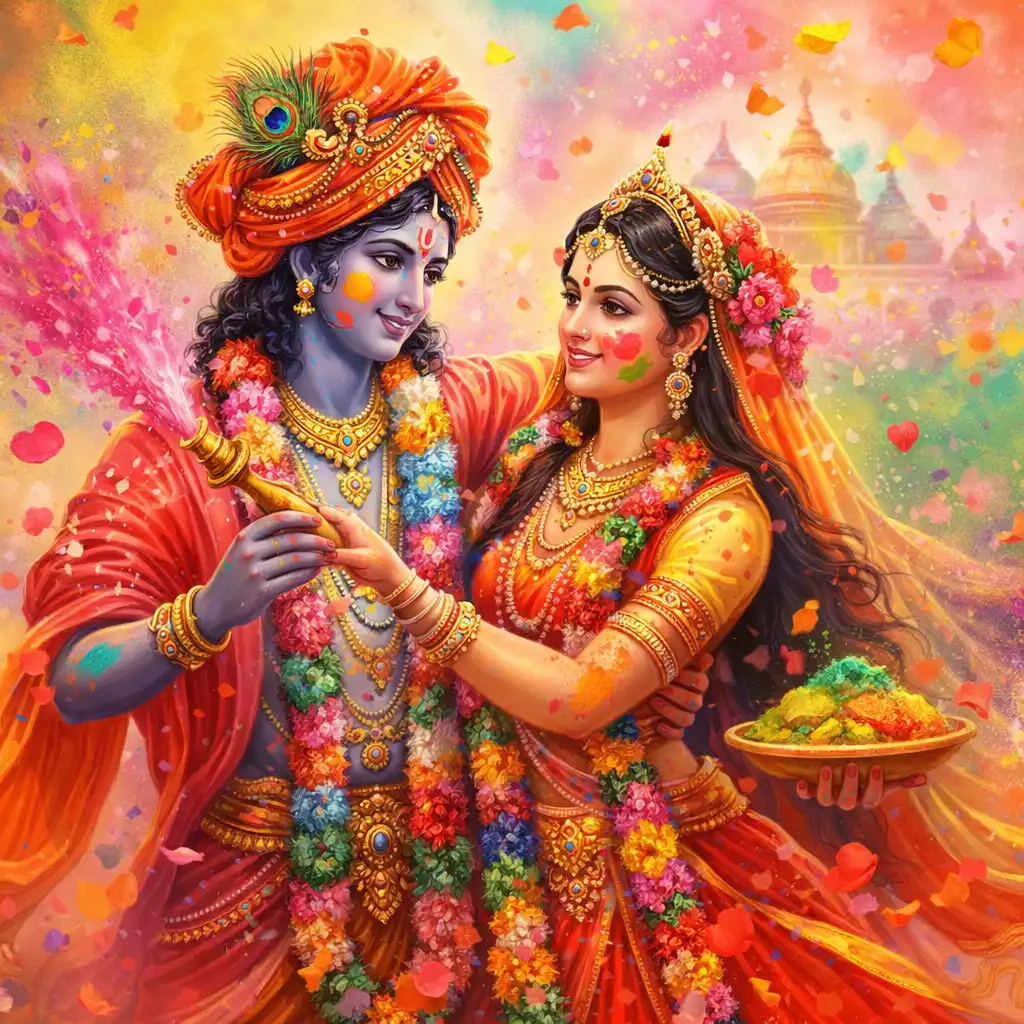
At the center of devotional Holi lies the divine love of Radha and Krishna. Their playful exchange of colors represents the highest expression of spiritual love known as prem, a love free from possession, expectation, or ego.
In devotional philosophy, Krishna symbolizes the Supreme Divine while Radha represents pure devotion. Their interaction reveals the intimate relationship between the soul and God. Holi celebrates this sacred union through joyful play known as lila, or divine pastime.
Devotees remember how Krishna playfully colored Radha and the gopis, transforming ordinary interaction into divine celebration. This pastime teaches that spirituality does not reject joy. Instead, it sanctifies joy when centered on divine remembrance.
During devotional Holi gatherings, temples reenact these pastimes through music, dance, and storytelling. Participants sing songs describing divine play while offering colored powders to sacred images. These acts allow devotees to emotionally connect with divine love rather than merely understand it intellectually.
Radha Krishna prem emphasizes surrender. Just as colors cover the body completely, divine love envelops the soul entirely. Devotees pray to be colored with compassion, humility, and devotion.
Preparing for the Sacred Days
Holi is not a single moment of celebration but a sacred journey that unfolds through preparation and reflection. The days preceding the festival help devotees purify thoughts and align intentions with spiritual purpose.
Preparing for Holi 2026 involves understanding Holashtak, observing devotional timelines, and gathering puja samagri that transforms festivities into acts of worship. Preparation itself becomes devotion when approached mindfully. Cleaning homes, arranging altars, preparing offerings, and engaging in prayer allow individuals to transition from routine life into sacred celebration.
Holashtak 2026: Eight Days of Inner Purification and Spiritual Retreat
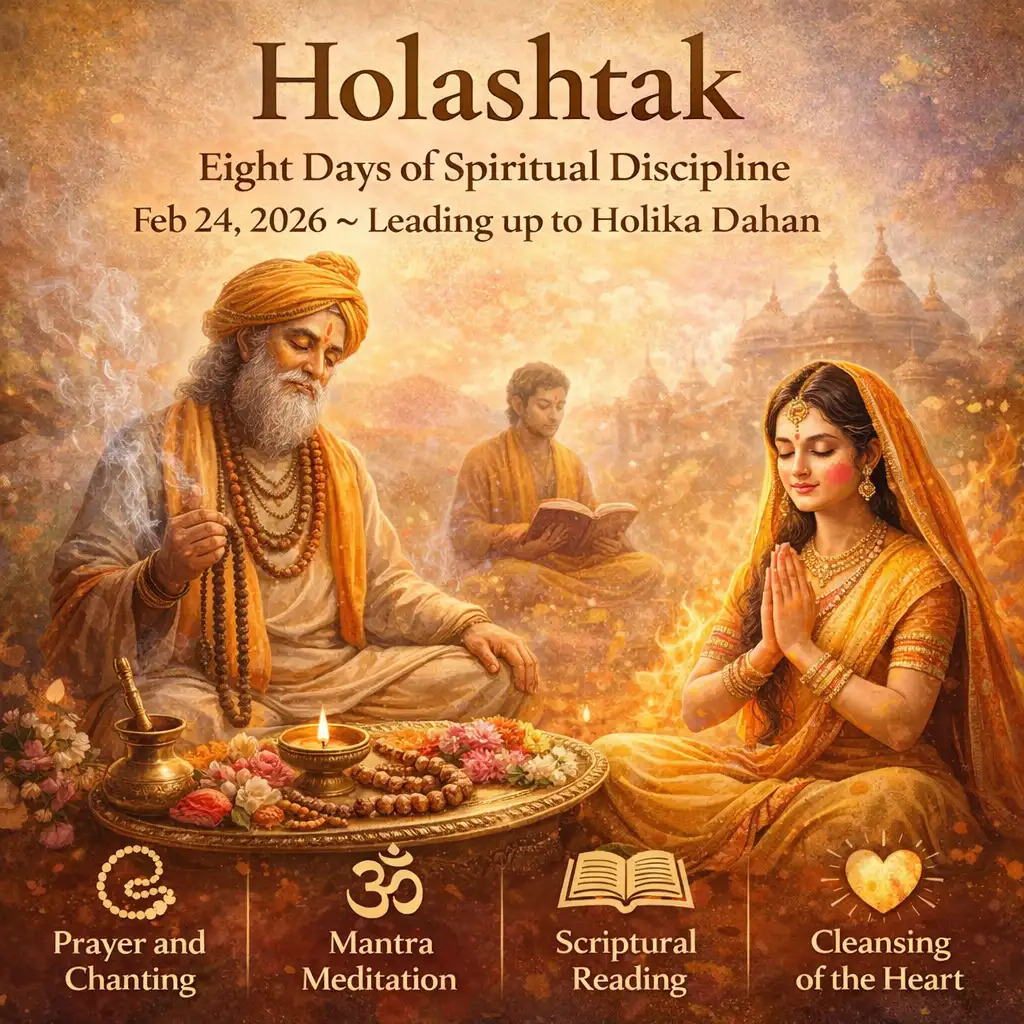
Holashtak marks the sacred eight day period preceding Holi, beginning on February 24, 2026, and culminating with Holika Dahan. Traditionally regarded as a time for introspection and spiritual discipline, Holashtak encourages devotees to turn inward and prepare emotionally and spiritually for renewal.
During these eight days, many devotees reduce worldly distractions and increase devotional activities such as prayer, mantra chanting, scriptural reading, and meditation. The emphasis shifts from external celebration to internal cleansing. Just as homes are cleaned before festivals, Holashtak focuses on cleansing the heart.
Astrological traditions consider this period unsuitable for major material beginnings such as weddings or new ventures. Instead, it becomes an ideal time for self reflection and forgiveness. Devotees examine habits, release resentment, and cultivate humility in preparation for Holi’s transformative energy.
Simple practices include early morning prayers, lighting lamps before deities, chanting divine names, and observing sattvic dietary habits. Families often begin preparing natural colors, sweets, and devotional spaces during this sacred period.
The Devotional Calendar: Key Dates for Holika Dahan and Rangwali Holi
Holika Dahan – March 3, 2026
Observed on the evening of the full moon night, Holika Dahan commemorates the victory of devotion over ego through the legend of Prahlad. Devotees gather around ceremonial bonfires that symbolize the burning of negativity, ignorance, and harmful tendencies.
 JKYog Team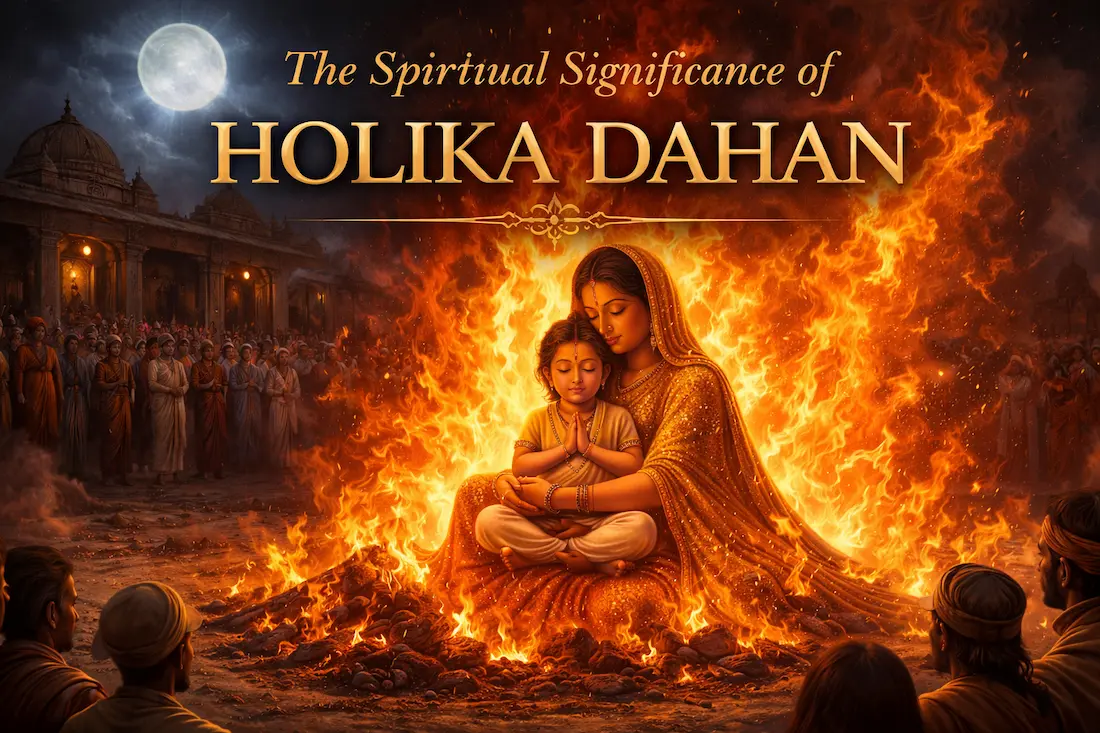
Rituals typically include offering grains, coconuts, or sacred herbs into the fire while praying for protection and spiritual strength. Families circumambulate the fire, seeking blessings for harmony and purification. The atmosphere combines solemn reflection with hopeful anticipation of renewal.
Rangwali Holi – March 4, 2026
The following day celebrates divine joy through the playful application of colors. Known as Rangwali Holi or Dhulandi, this day reflects the loving pastimes of Radha and Krishna. Devotional celebrations begin by offering colors to deities before sharing them among family and community members.
Morning prayers, temple visits, kirtan gatherings, and distribution of prasadam often precede color play. This sequence ensures that celebration remains rooted in devotion rather than mere entertainment.
Together, these two days represent spiritual transformation followed by joyful expression. First negativity is surrendered, then divine love is celebrated.
Understanding sacred timing enhances spiritual participation
 RKT Blog Team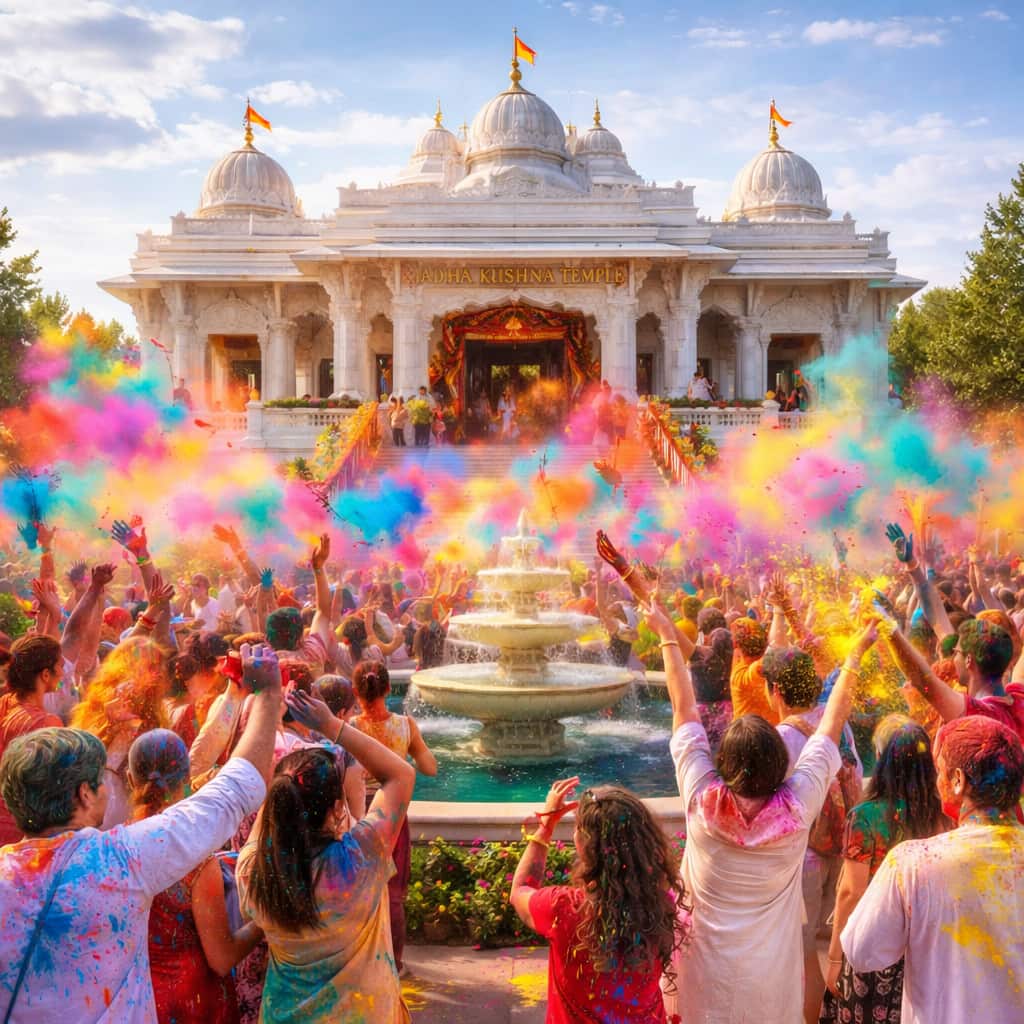
Your Puja Samagri Checklist: Essentials for Devotional Worship
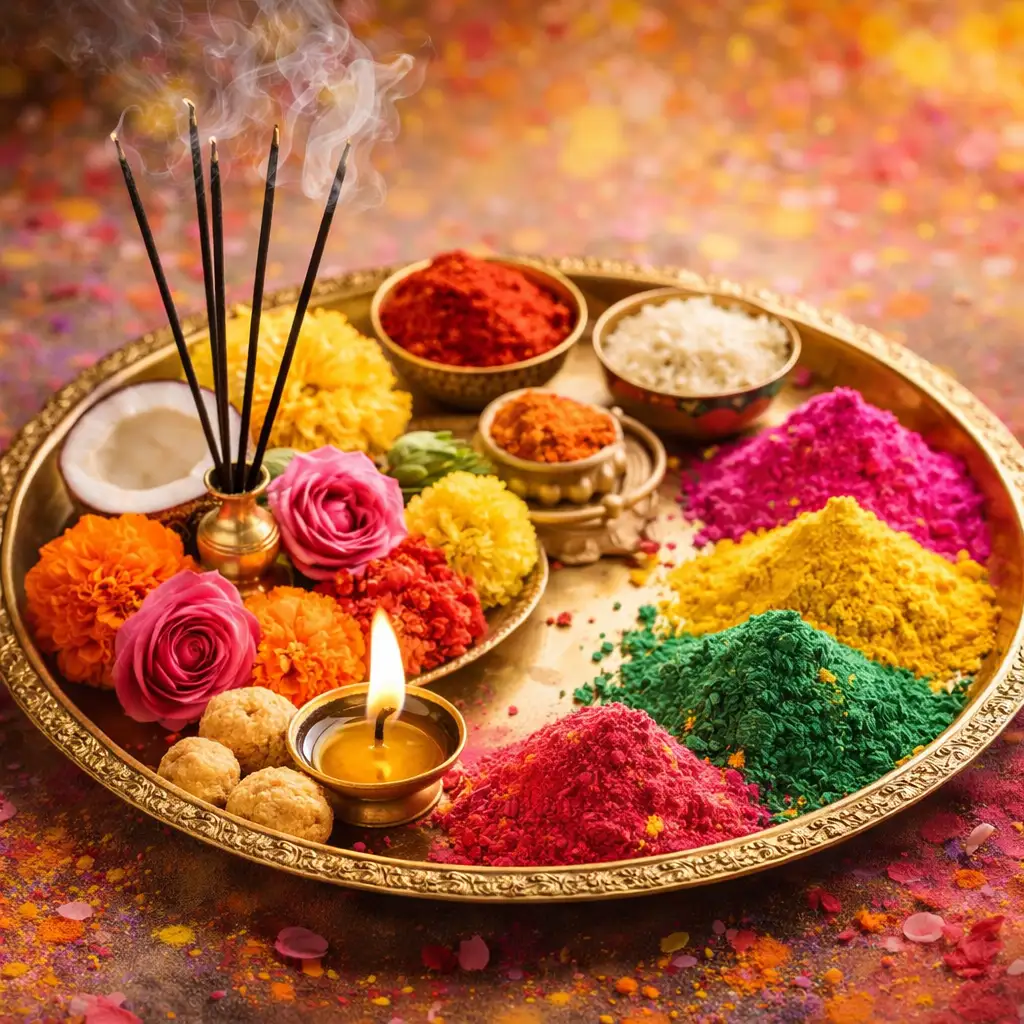
Preparing puja items ensures that celebration remains spiritually grounded. Essential items include organic gulal, incense, lamps, flowers, kumkum, turmeric, coconuts, fruits, vegetarian sweets, and sacred images of Radha Krishna or Lord Vishnu.
Many devotees also prepare sacred water, sandalwood paste, and devotional music arrangements for kirtan sessions. Creating a clean and peaceful altar space invites mindfulness and reverence into the celebration.
Preparing puja samagri is not merely logistical organization. Each item represents intention and readiness to welcome divine presence. When gathered with devotion, these materials help transform homes into sacred spaces where Holi is celebrated as an offering rather than an occasion alone.
Through conscious preparation during Holashtak, awareness of sacred dates, and careful arrangement of devotional items, Holi 2026 becomes a spiritually enriching experience that begins long before colors touch the skin. Preparation itself becomes prayer, guiding devotees toward celebration rooted in purity, gratitude, and devotion.
The Sacred Fire: Symbolism of the Bonfire and the Protection of Faith
The ritual of Holika Dahan stands as one of the most spiritually profound moments within the Holi celebration. As the sacred bonfire is lit on the eve of Holi, devotees gather not merely to witness flames but to participate in a symbolic act of purification and renewal. The fire represents the triumph of faith over fear and devotion over ego, echoing the timeless protection granted to Prahlad through unwavering surrender to the Divine.
Spiritually, the bonfire signifies the burning away of inner impurities that obstruct spiritual growth. Just as Holika’s arrogance was consumed by fire while Prahlad’s devotion remained protected, devotees are reminded that sincere faith acts as a shield against negativity.
Wisdom for Holi 2026: Teachings and Insights from Swami Mukundananda
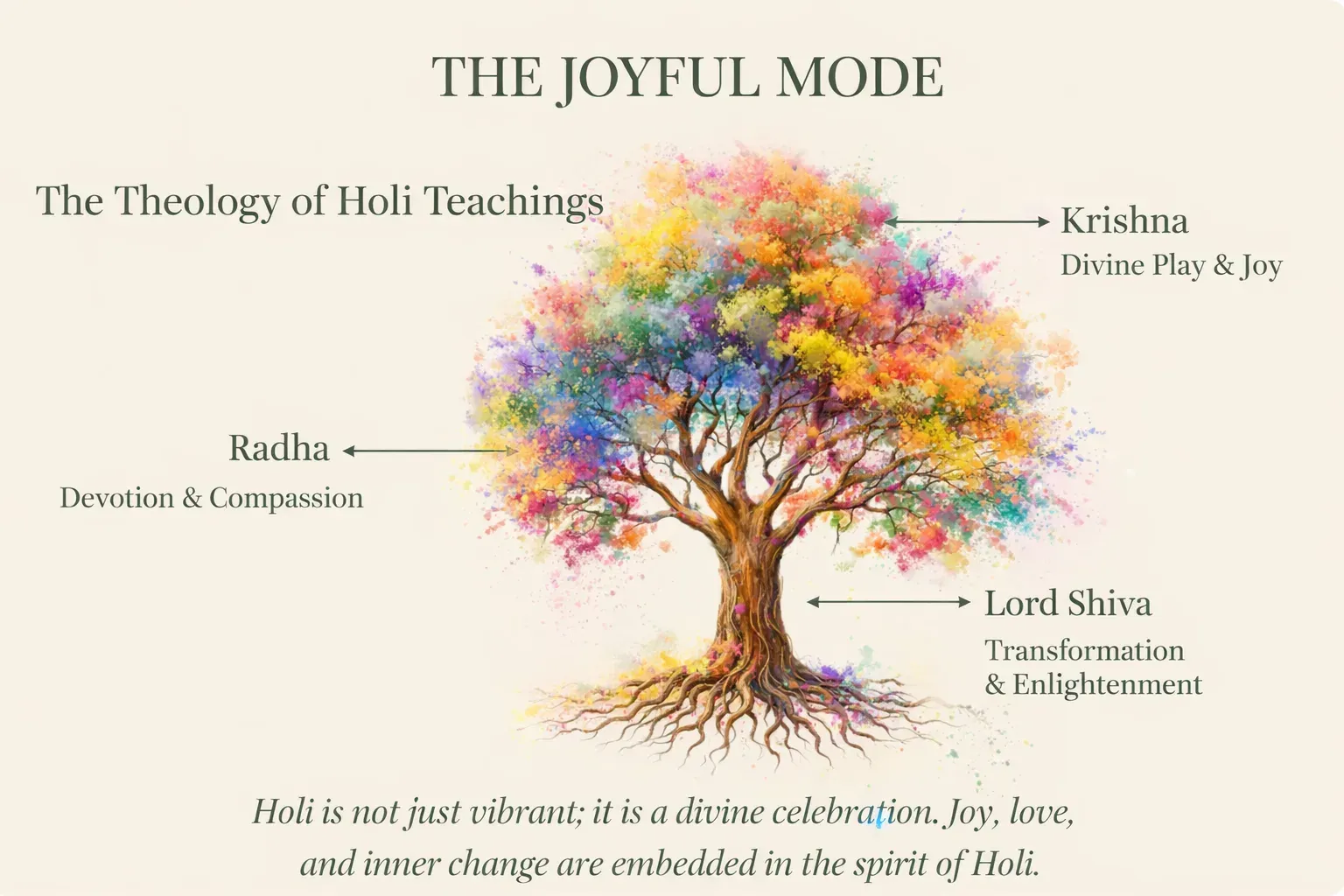
A devotional celebration of Holi becomes truly meaningful when guided by spiritual wisdom. Swami Mukundananda teaches that festivals in the Vedic tradition are designed not merely for enjoyment but for inner elevation. According to his teachings, Holi symbolizes the journey of the soul from impurity to purity and from ego centered living to God centered consciousness.
He explains that the story of Prahlad represents unwavering devotion even amid life’s challenges. Just as Prahlad maintained faith despite adversity, devotees are encouraged to remain spiritually steady during personal trials. Holika Dahan, therefore, is not only a historical remembrance but also an invitation to burn inner enemies such as anger, jealousy, greed, and pride.
Swami Mukundananda often emphasizes that divine love is experienced when the mind becomes free from negativity. The playful colors of Holi symbolize the many shades of divine grace that enter life when the heart opens to devotion. He teaches that devotees should pray to be colored not merely externally but internally with compassion, humility, and selfless love.
Another key insight from his teachings is mindful celebration. True happiness, he explains, arises from connection rather than indulgence. Celebrating Holi through kirtan, seva, and community harmony transforms temporary excitement into lasting joy. When celebration includes prayer, gratitude, and service to others, it becomes a spiritual practice rather than entertainment.
Swami Mukundananda also highlights forgiveness as one of Holi’s deepest lessons. Releasing resentment purifies the heart and allows divine bliss to flow freely. Seeking reconciliation during Holi reflects spiritual maturity and aligns human relationships with divine compassion.
For Holi 2026, his teachings encourage devotees to celebrate consciously by offering colors first to God, engaging in devotional music, practicing kindness, and protecting nature through eco friendly choices. In doing so, Holi evolves into a celebration that uplifts both the individual soul and the wider community.
Celebrating with the Divine
Holi reaches its most profound expression when celebration becomes an offering to the Divine rather than mere festivity. In the sacred land of Braj, especially in Mathura and Vrindavan, Holi is celebrated as a living remembrance of the divine pastimes of Radha and Krishna. Braj Ki Holi immerses devotees in centuries old traditions where temples resonate with devotion, colors are offered reverently, and spiritual joy fills every gathering. Among the most beautiful expressions is Phoolon Ki Holi, where fragrant flower petals replace powdered colors, symbolizing purity, tenderness, and unconditional love offered to the Divine. This gentle celebration reflects devotion in its most refined form, emphasizing grace over exuberance. Central to these sacred observances are bhajans and kirtans, where devotees sing, dance, and chant divine names in collective harmony. The rhythmic music and heartfelt singing elevate consciousness, transforming celebration into spiritual communion. Through these devotional practices, Holi becomes not only a festival of color but a divine experience that uplifts the soul and deepens the bond between devotee and God.
Preparing for a Sattvic Holi Celebration
A sattvic Holi emphasizes purity and balance. Devotees prepare through vegetarian meals, prayer, and mindful intention. Natural colors made from flowers and herbs honor both health and spirituality.
Wearing simple clothing and maintaining respectful celebration encourages harmony and awareness throughout festivities.
Kirtan and Meditation: Connecting Through Sound and Heart
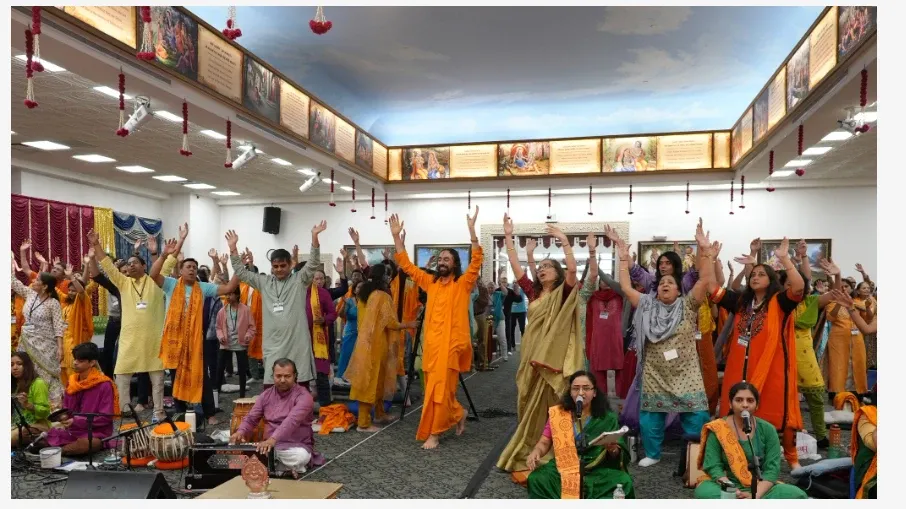
Kirtan forms the spiritual heartbeat of devotional Holi. Collective chanting calms the mind and unites participants through sacred sound. Meditation sessions before or after celebration help maintain spiritual grounding.
Music transforms joy into devotion and celebration into prayerful connection.
Sattvic Holi: A Mindful and Pure Celebration
A sattvic Holi emphasizes purity of body, mind, and intention. Devotees choose sobriety, simplicity, and vegetarian nourishment to maintain spiritual clarity throughout the festival. Avoiding intoxicants and excessive behavior preserves the devotional atmosphere and allows celebration to remain joyful yet respectful.
Mindful celebration includes beginning the day with prayer or meditation, offering colors first to the Divine, and engaging in respectful interaction with others. Gentle application of colors, consent based participation, and gratitude centered gatherings cultivate peace rather than chaos.
Preparing homemade vegetarian meals and sweets further reflects sattvic living. Food prepared with devotion nourishes both body and spirit, reinforcing Holi as an occasion of sacred sharing rather than indulgence.
Offering Colors: A Symbolic Act of Surrender
In devotional practice, colors are first offered to the Divine. Gulal is placed before Radha Krishna deities while prayers are chanted. Only afterward are colors shared among participants.
This act symbolizes surrender of ego and acceptance of divine grace. Applying color respectfully becomes a blessing rather than playful chaos.
Prasad: Offering and Sharing Holy Food
Food prepared during Holi is first offered to God and then shared as prasad. Vegetarian sweets, fruits, and festive dishes symbolize gratitude and divine nourishment.
Sharing prasad strengthens community bonds and spreads spiritual joy beyond individual households.
Eco Devotion: Honoring Creation Through Natural Colors
Devotion naturally extends to care for the environment, which is regarded as divine creation. Eco conscious celebration transforms Holi into an offering of gratitude toward nature itself. Traditional colors were once derived from flowers, herbs, turmeric, sandalwood, and plant extracts, reflecting harmony between celebration and ecology.
Using natural colors protects skin, animals, water sources, and soil while preserving spiritual authenticity. Many communities now prepare homemade gulal using dried flower petals and herbal powders, reconnecting with ancient practices.
Reducing water waste, choosing biodegradable decorations, and organizing post celebration cleanups express reverence for the Earth. Eco devotion reminds participants that honoring God includes protecting creation.
The Spirit of Forgiveness: Healing as the Ultimate Act of Worship
At its deepest level, Holi celebrates renewal of relationships. The festival invites individuals to release past grievances and rebuild connections through forgiveness. Applying color becomes symbolic reconciliation, a gesture that dissolves emotional distance and restores harmony.
Seeking forgiveness and offering goodwill embody the essence of bhakti. Spiritual teachings emphasize that devotion cannot flourish within a heart burdened by resentment. Holi therefore becomes an opportunity to heal misunderstandings, reconnect with loved ones, and extend kindness even toward those with whom differences exist.
Communities often embrace this spirit by visiting neighbors, exchanging sweets, and offering respectful greetings. These acts reaffirm unity and shared humanity. Forgiveness transforms celebration into worship because it reflects divine compassion in human relationships.
Through sacred fire, renewal rituals, mindful celebration, ecological responsibility, and heartfelt forgiveness, Holi 2026 becomes more than a festival. It becomes a living expression of devotion, harmony, and spiritual awakening that continues to inspire long after the colors fade.
Conclusion: Embracing Joy and Spiritual Renewal in 2026
Holi 2026 invites humanity to rediscover sacred joy rooted in devotion. Through remembrance of Prahlad’s faith, celebration of Radha Krishna’s divine love, and conscious preparation during Holashtak, the festival becomes a path toward inner renewal.
When negativity is surrendered and joy is offered with humility, Holi transforms into spiritual awakening. The colors may fade, yet devotion continues to illuminate daily life.
Key Devotional Elements for 2026
Scriptural Connection
Chanting bhajans and reflecting on the divine color pastimes of Radha and Krishna deepen spiritual understanding. Sacred storytelling and mantra chanting connect celebration with timeless tradition.
✨ Key Takeaways: Holi 2026 at a Glance
- 🌸 Holi celebrates devotion triumphing over ego.
- 🔥 Holika Dahan symbolizes inner cleansing and renewal.
- 🕉 Holashtak prepares the heart through prayer and reflection.
- 🎨 Offer colors to the Divine before celebration begins.
- 🎶 Bhajans and kirtan transform joy into worship.
- 🌿 Choose a sattvic and eco conscious Holi.
- 🤝 Forgiveness and unity reflect true bhakti.
- 💛 Let Holi renew your mind, heart, and spirit.
🌸 Celebrate Holi 2026 in Divine Joy at RKT Allen, Texas 🌸
Let this Holi be more than celebration. Let it be devotion, community, and spiritual awakening.
Join devotees, families, and friends for a vibrant and heart centered Holi celebration filled with kirtan, colors, prasadam, and divine remembrance at Radha Krishna Temple (RKT), Allen, Texas.
✨ Experience devotional Holi the traditional way
🌼 Offer colors to Radha Krishna
🎶 Sing uplifting bhajans and kirtans
🍬 Share sanctified vegetarian sweets
💛 Celebrate unity, love, and forgiveness
Bring your family, your friends, and your joyful spirit as we come together in faith and celebration.
👉 Join the Holi Celebration at RKT Allen, Texas:
https://www.radhakrishnatemple.net/festival-of-holi-in-dallas#Highlight
Celebrate consciously. Celebrate devotionally.
Celebrate Holi where colors meet the Divine.
FAQs: Holi 2026 Devotional Celebration
1. What is the spiritual meaning of Holi?
Holi symbolizes the victory of devotion, love, and faith over ego and negativity.
2. What is Holika Dahan?
It is the sacred bonfire ritual representing purification and the burning of inner darkness.
3. What is Holashtak?
An eight day period before Holi dedicated to reflection, prayer, and spiritual preparation.
4. How can Holi be celebrated devotionally?
By offering colors to deities, chanting bhajans, practicing forgiveness, and sharing prasadam.
5. Why use natural colors during Holi?
Natural colors honor nature, ensure safety, and reflect eco conscious devotion.