
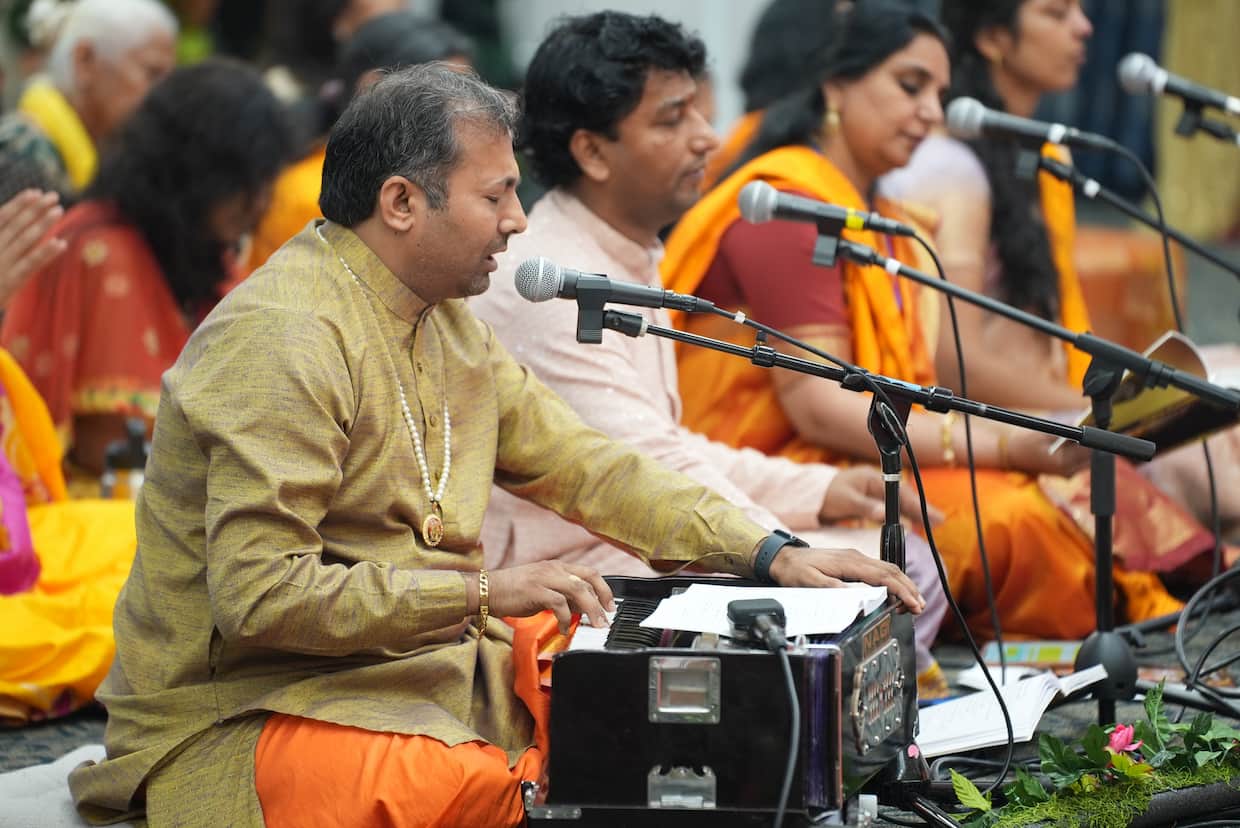
Discover the essence of Tridha Bhakti and why saints and scriptures call Kirtan the Mahāsādhana of this age.
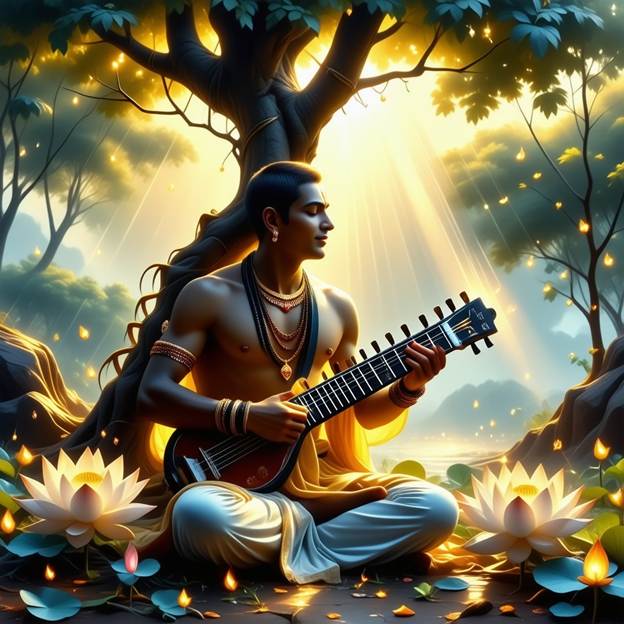
In the vast landscape of bhakti, there are many paths and practices. One may perform aarti, walk to a temple, offer bhog, recite Sundarkand, or immerse in bhajan sandhya. All of these are beautiful expressions of devotion. But amidst this rich diversity, there shines one supreme practice—Smaran Bhakti, the remembrance of God.
Bhakti in All Its Forms
When someone asked, “What about the Navadha Bhakti? Aren’t all these devotional acts equally important?” The response was filled with clarity and compassion: “Yes, do them all! Go to holy places, sing bhajans, perform puja.” Engage in any form of devotion that resonates with your heart. But always remember—the essence lies in remembrance.
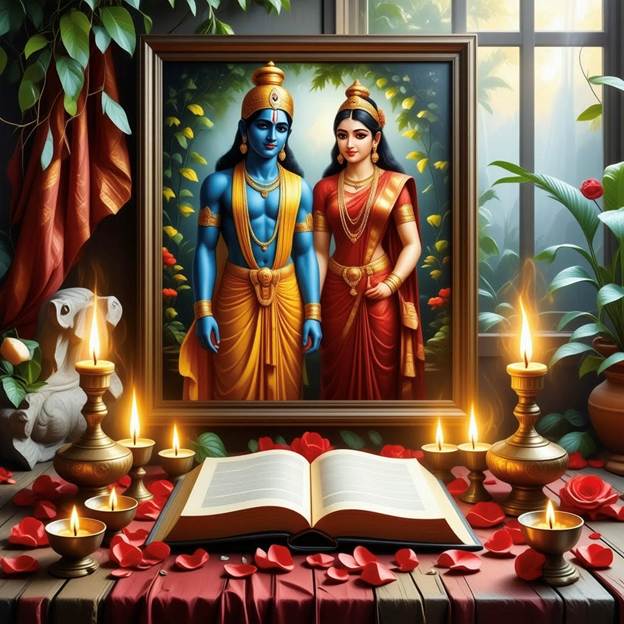
While all forms of bhakti uplift the soul, remembrance—Smaran Bhakti—is the golden thread that binds the heart to the Divine. Saints and scriptures unanimously affirm that for the perfected meditator, remembrance alone is sufficient. But for most of us, that inner stillness remains elusive. We sit to meditate, only to find the mind wandering—chasing thoughts, memories, and desires.
The senses, naturally drawn outward, keep distracting us with the world’s constant noise and allure. In this state, we need support—practices that help harness the mind and turn it inward. That’s where chanting, hearing, and other forms of bhakti serve as sacred tools to awaken and steady our remembrance.
The Role of Kirtan in Stabilizing the Mind
The human mind is like a candle flame in a gusty room—flickering, restless, vulnerable to every passing breeze of thought, emotion, or sensory stimulation. Just as a candle steadies when the windows are shut, our mind too finds steadiness when its outward distractions are removed or redirected. But in a world constantly demanding our attention, how do we calm this turbulence?
This is where Kirtan—the musical chanting of God’s names and glories—becomes a profound spiritual remedy.
When we chant, we engage our tongue; when we listen, we involve our ears; and when we internalize the meaning, we bring the mind into sacred alignment. This trifecta of chanting, hearing, and remembering is not just a devotional exercise—it’s a strategy for mental absorption in the Divine.
Our senses, when left unguarded, become windows through which restlessness enters. But when these very senses are employed in devotion, they no longer distract the mind—they help anchor it. Kirtan envelops the senses in divine sound, making it easier to pull the mind away from worldly thoughts and direct it toward God.
This practice is at the heart of Tridha Bhakti, a form of devotion extolled by saints like Chaitanya Mahaprabhu and rooted deeply in scriptural tradition. It is accessible, joyful, and effective—a sacred tool to transform the restless mind into a serene vessel of remembrance.
Through Kirtan, we do not suppress the senses—we sanctify them, making the path to God not a burden, but a blissful song.
Scriptural Authority and the Saints’ Endorsement
Kirtan has been hailed in the Padma Purana, where Lord Shankar himself calls it Mahāsādhana—the supreme practice. It’s simple yet profound. It doesn’t require strenuous physical effort. Instead, it gently enchants the heart and helps the mind merge into divine bliss. The Adhyatma Ramayan declares that no matter how fallen a soul may be, through kirtan they can rise and purify themselves. The Bhakti tradition across centuries—from Vallabhacharya to Mahaprabhu—has placed Kirtan at the heart of spiritual life.
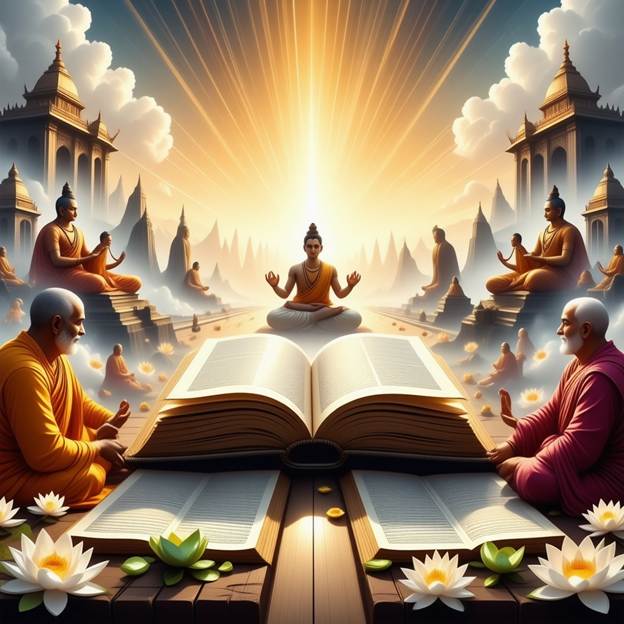
Even other spiritual traditions reflect this truth. Christian carols, Sufi qawwalis, and devotional songs across the globe reflect humanity’s universal yearning to sing to the Divine.
A Story of Divine Intervention: Sant Tukaram and Shivaji Maharaj
Let us travel to the time of Sant Tukaram, the saint-poet whose Abhangas (devotional poems) inspired thousands. During one such satsang, Shivaji Maharaj, the Maratha king and a devout listener, was present.
A threat loomed: a Mughal general sent his soldiers to arrest Shivaji. Failing to identify him, the general ordered the massacre of the entire gathering. Two thousand soldiers approached with lethal intent.
But then, the miracle happened.
Lord Vitthal, the personal deity of Sant Tukaram, took the form of Shivaji himself and rode away on a horse, diverting the entire army. The Divine intervened, playing a trick of maya to protect His devotee. The enemy was misled, the satsang was saved, and the kirtan continued.
Truly, “Rakhe Krishna mare ke, mare Krishna rakhe ke”—If Krishna wishes to save, none can harm. If He chooses to take away, none can protect.
Chaitanya Mahaprabhu and the Power of Divine Song
Chaitanya Mahaprabhu, the golden incarnation of love and devotion, carried the torch of Kirtan Bhakti. When he chanted the holy names of God in divine ecstasy, even animals in the forest responded. Trees swayed; deer danced; and birds sang in harmony.

This was not ordinary music. This was Nam Sankirtan—the song of God’s glories from a surrendered heart.
Jagadguru Kripaluji Maharaj: Singing and Dancing in Bhav Samadhi
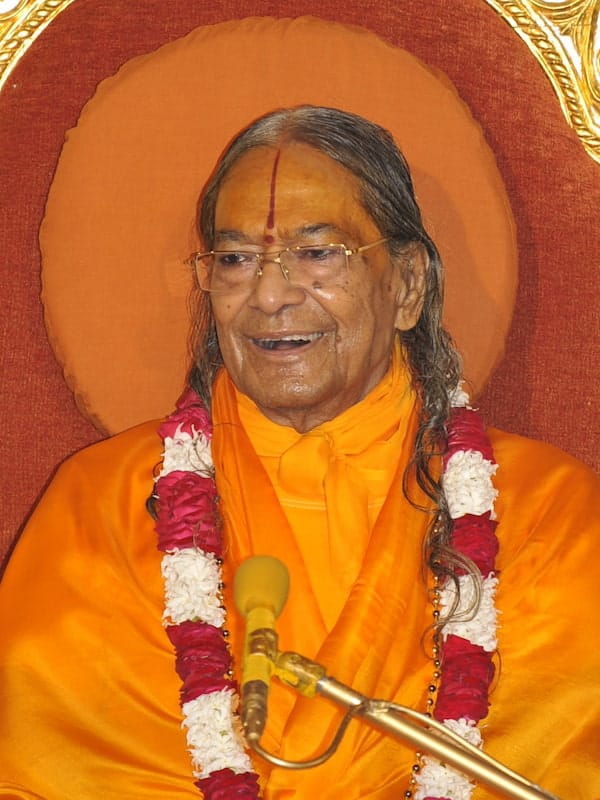
The legacy continued through Jagadguru Kripaluji Maharaj, who in his youth would lead kirtans with such divine intensity that they would extend late into the night. Around midnight, lost in divine remembrance, he would enter Bhav Samadhi—a state of spiritual ecstasy—and sing and dance in rapture.
His kirtans were not mere songs. They were waves of divine love, awakening countless souls.
The Essence of Tridha Bhakti
Every soul, in its deepest yearning, longs for connection—an intimate, unbroken link with the Divine. This connection is not merely forged through action, ritual, or intellectual pursuit, but through a consistent inner orientation of the heart and mind toward God. This is where Tridha Bhakti—the threefold path of chanting (kirtanam), hearing (shravanam), and remembering (smaranam)—emerges as a radiant and complete spiritual discipline.
In the spiritual traditions of India, this approach is not a modern invention but an age-old wisdom, spoken of by saints, sages, and scriptures alike. It recognizes that the human being is composed of body, senses, and mind—and that a harmonious spiritual practice should engage all three.
Kirtanam, the act of chanting God’s name or glories, involves the vocal expression of devotion. When the sacred names are sung, especially in a spirit of surrender and longing, they elevate the soul beyond ego and language. These names are not ordinary—they are said to carry the same power as the Divine Being they represent. Through chanting, the voice becomes a sacred instrument, tuning the heart to divine frequencies.
Shravanam, the art of listening, cultivates receptivity. Unlike passive hearing, this practice demands attention, presence, and absorption. By listening to scriptural recitations, divine pastimes, or the melodious kirtans sung by others, the devotee draws the mind inward. The ears, often used to absorb worldly noise, now become pathways to spiritual clarity.
Smaranam, or remembrance, is the crown jewel of the three. It is an inner, silent act—subtle yet powerful. Through remembrance, the mind rests on God’s form, name, leelas (divine pastimes), or teachings. This remembrance can take place anytime: while walking, cooking, sitting quietly, or even amidst daily chores. It transforms ordinary life into sacred living.
Together, these three aspects form a cyclical current: chanting leads to listening, which naturally deepens into remembrance. And from remembrance arises a desire to chant again. This cycle nourishes the devotee from within, purifying thoughts, speech, and perception.
Unlike rigid rituals that require specific conditions, Tridha Bhakti is portable—it moves with the heart. It requires no elaborate altar, no prescribed hour. All it asks is sincerity and willingness to direct one’s inner life toward the Divine.
Let these three—chanting, hearing, and remembering—become the heartbeat of your spiritual life. Let them lift you from distraction to absorption, from separation to union. Let them lead you, step by step, into the eternal embrace of God.
🙏 Call to Action: Begin Today
If you’re new to bhakti or have been practicing for years—now is the time to embrace the power of Tridha Bhakti:
• Start by setting aside 15 minutes each day to chant the names of God.
• Listen to a devotional kirtan while commuting or doing chores.
• Close your eyes and meditate on the form of your Ishtadev (beloved deity).
• Attend Sunday satsangs at a Radha Krishna Temple near you.
Your voice may tremble at first, your mind may wander—but keep going. The Divine is listening.
Related FAQs
1. What is Smaran Bhakti?
Smaran Bhakti means the devotional remembrance of God. It involves mentally meditating on God's name, form, qualities, and pastimes.
2. Why are chanting and hearing emphasized so much?
Because they engage the senses in devotion. This steadies the mind, making it easier to remember God—a practice known as Tridha Bhakti (chanting, hearing, remembering).
3. Is it okay if I don’t understand the language of the kirtan?
Yes. The power of divine names transcends language. Focus on the emotion and surrender behind your participation.
4. Can I do Kirtan alone or does it have to be in a group?
Both are valuable. Group kirtans build shared energy, but personal kirtan fosters inner connection. Do whichever suits your daily routine.
5. Do I need to be musically trained to do kirtan?
Not at all! Bhakti does not require talent—only sincerity. Sing from the heart.
📖 Resources
Watch: Connect with Krishna Instantly – #1 Way to Absorb Your Mind in God | Swami Mukundananda
· Bhagavad Gita – Chapter 12 (Bhakti Yoga) – Offers direct guidance on devotional practice.
· Padma Purana – Contains Lord Shankar’s praise of kirtan as Mahasadhan.
· Adhyatma Ramayan – Affirms the purifying power of Kirtan.
· Teachings of Chaitanya Mahaprabhu – Available via ISKCON literature or Bhakti literature collections.
· Books by Jagadguru Kripaluji Maharaj – Especially Prem Ras Madira and Bhakti Shatak.