
Introduction
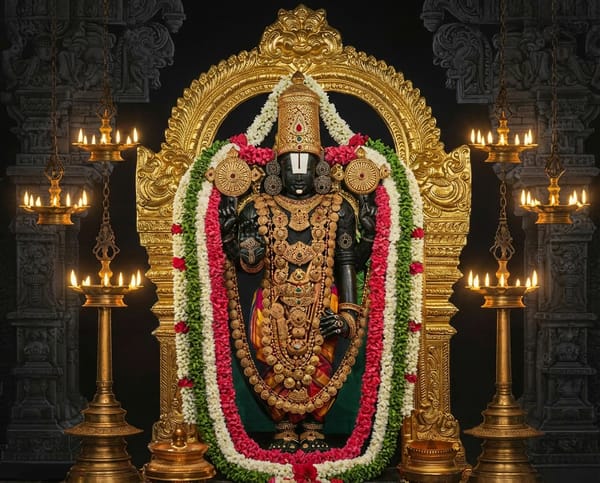
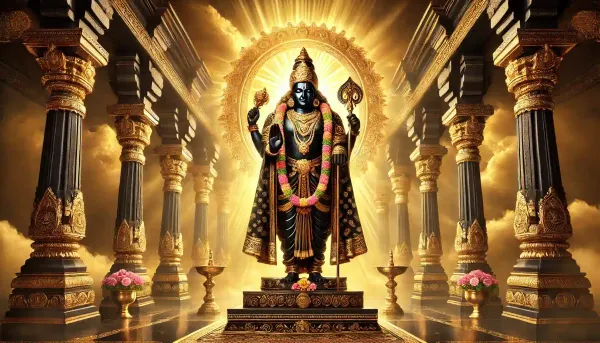
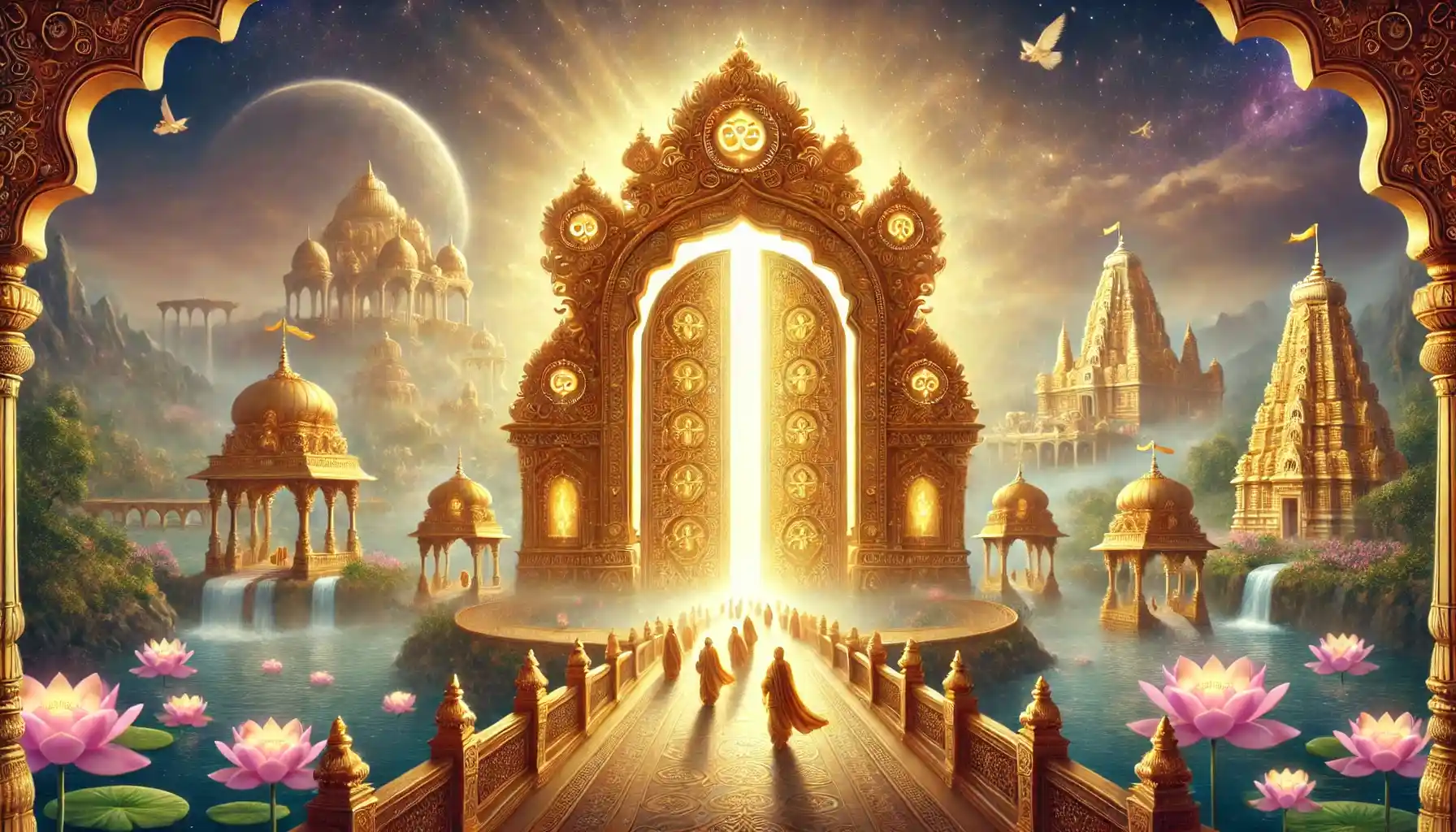
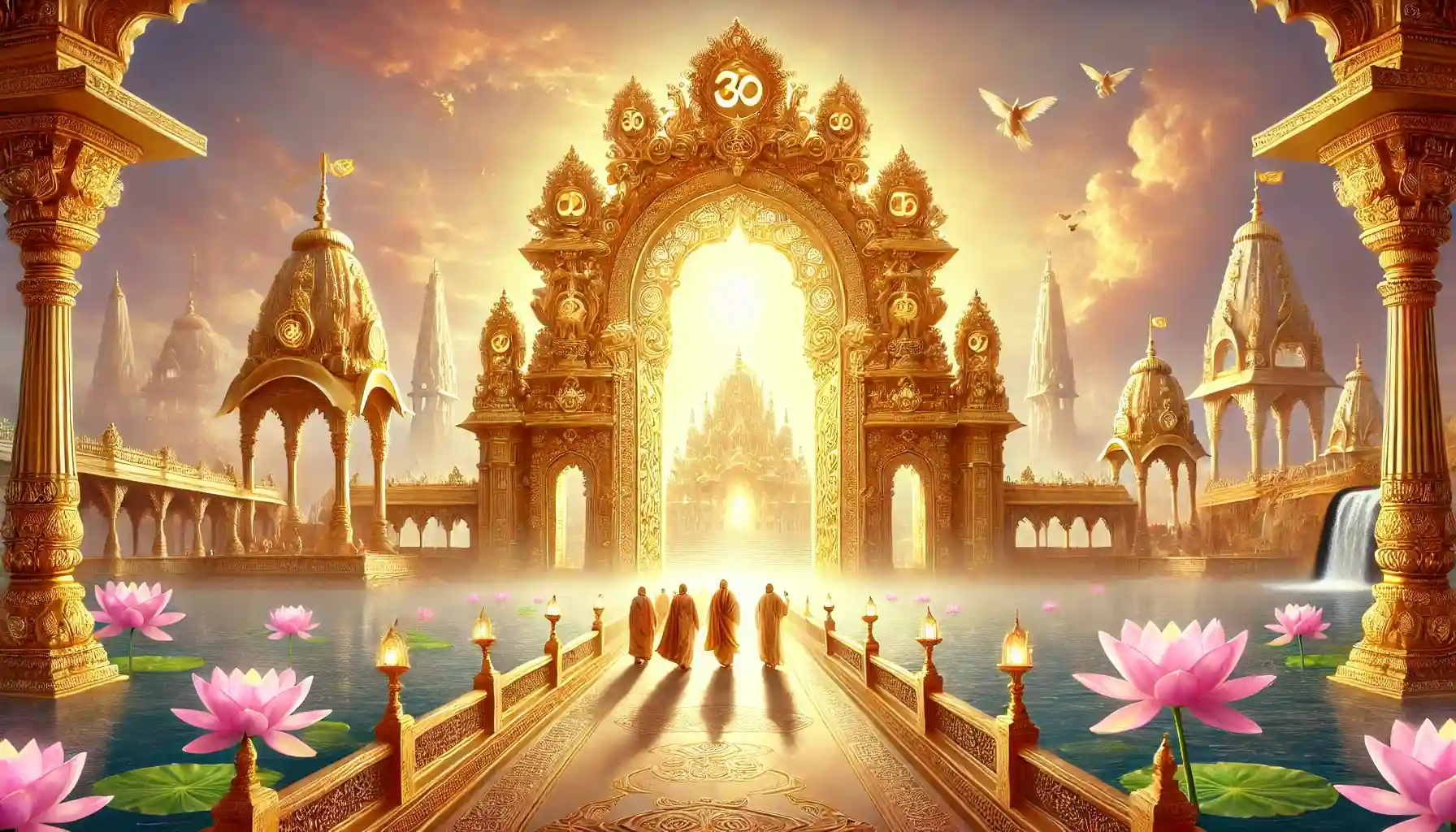
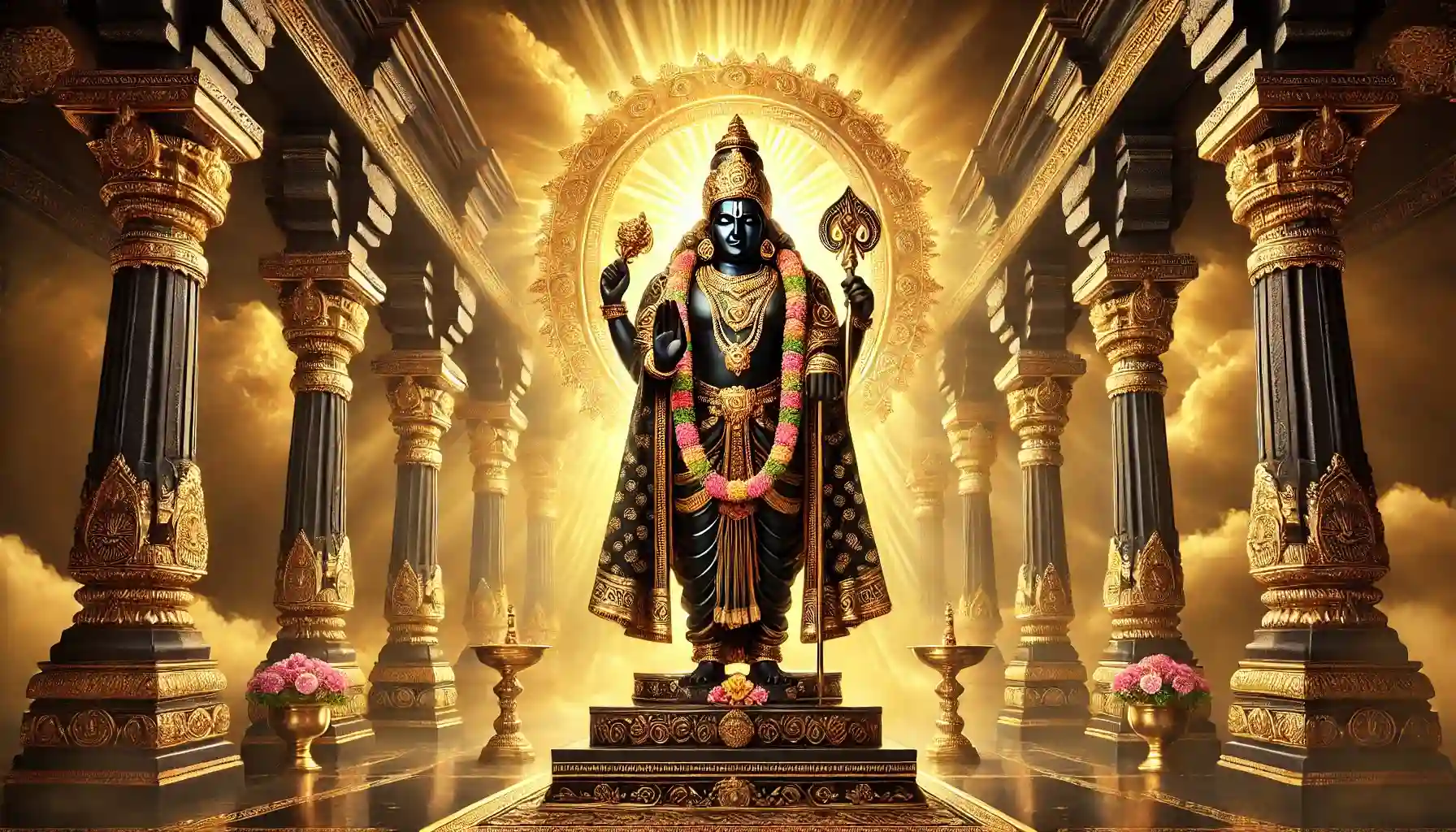
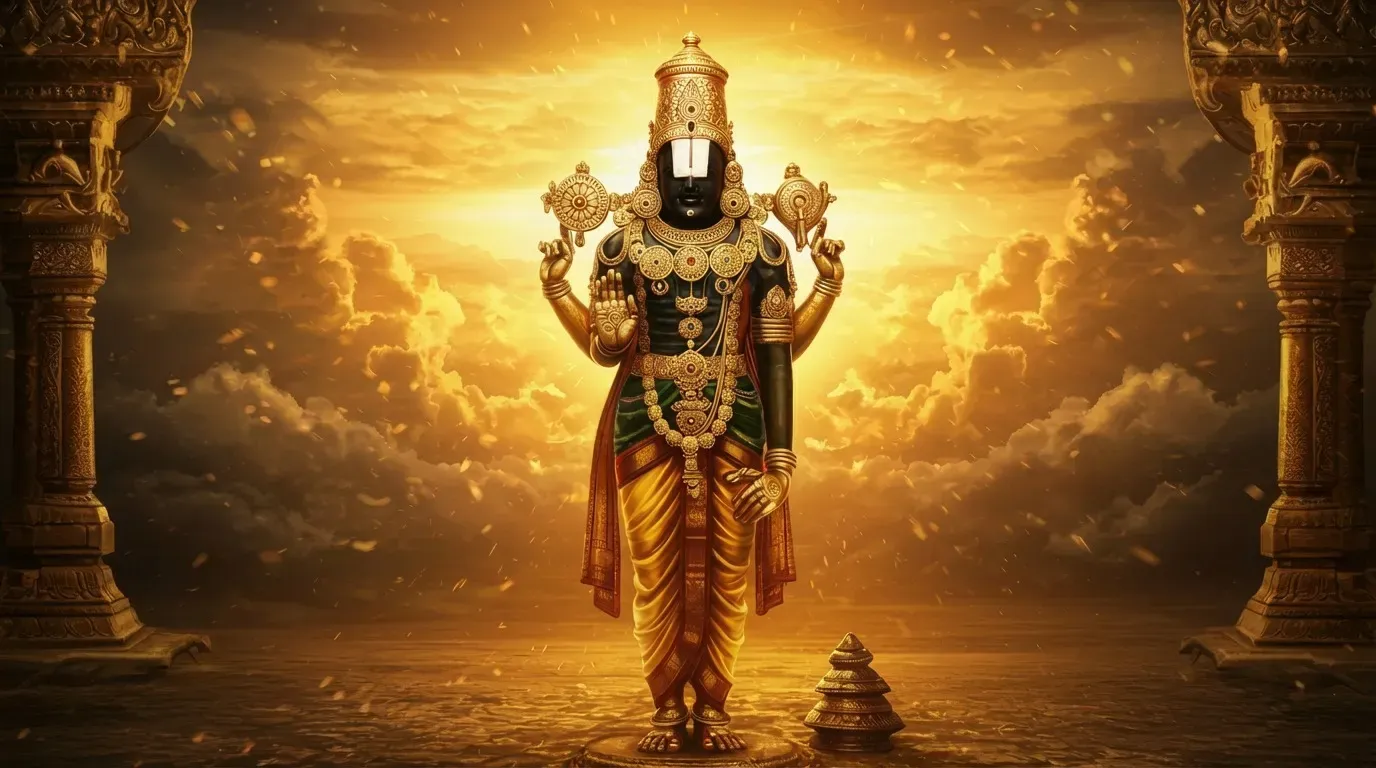
Every year during Dhanurmas, a spiritually charged period in the Hindu calendar associated with heightened devotion and disciplined practice, one of the most profound observances is Vaikunta Ekadashi. Falling this year on December 30, 2025, this Ekadashi is considered the holiest of all Ekadashis because it is believed that on this day the divine gates of Vaikunta, which is Lord Vishnu’s eternal abode, are opened for devotees, offering an auspicious path toward Divine Love.
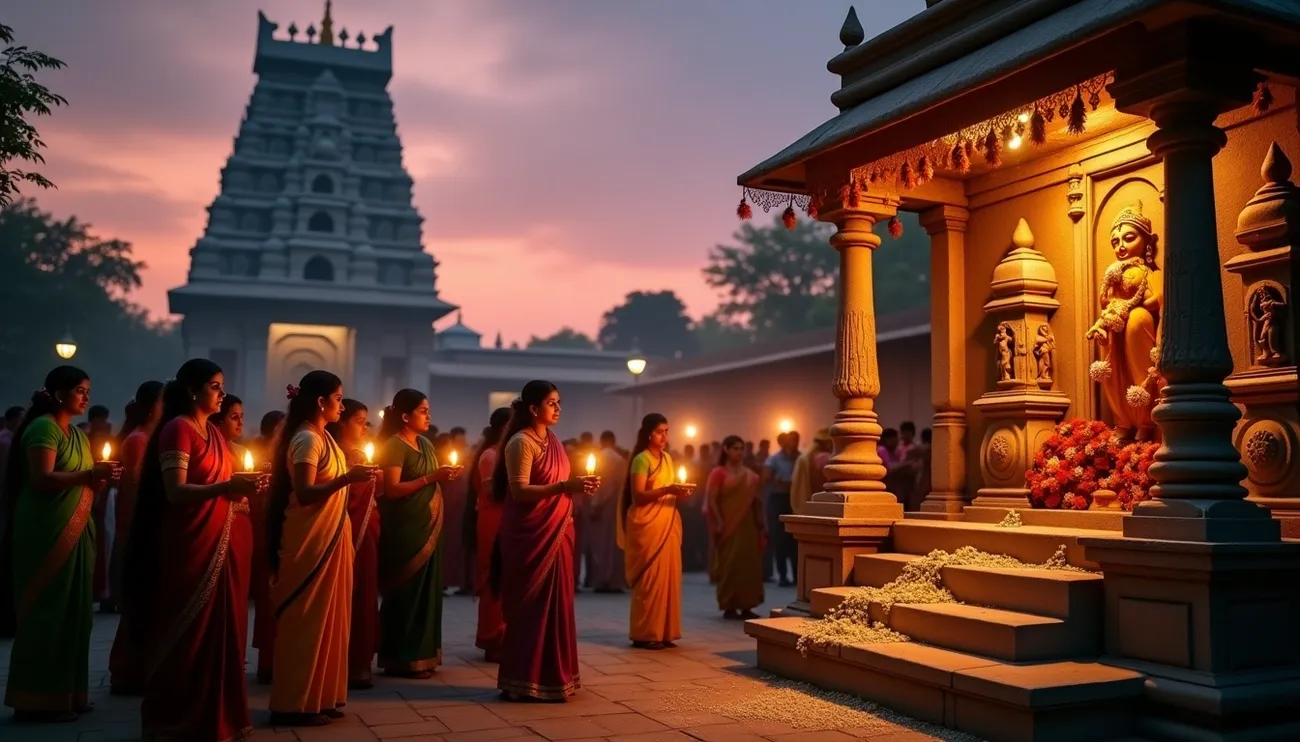
Believers across the world undertake fasting, prayer, and special temple rituals to celebrate this day. Temples like Ranganathaswamy in Srirangam and Tirumala in Tirupati host massive gatherings, and devotees queue up to pass through the Vaikunta Dwaram, a ceremonial gateway believed to grant divine grace and spiritual merit.
In this deep-dive guide, we’ll explore why Vaikunta Ekadashi is so significant, how to observe the fast with devotion and discipline, what rituals and traditions are central in temples, and how this Ekadashi connects with the wider Dhanurmas spiritual rhythm.
What Is Vaikunta Ekadashi? Spiritual Background & Significance
Vaikunta Ekadashi, also known as Mokshada Ekadashi, is observed on the 11th lunar day (Ekadashi Tithi) of the bright fortnight (Shukla Paksha) of the Hindu month corresponding to Dhanurmas (Margazhi/December to January). Devotees believe that on this day, Lord Vishnu opens the sacred Vaikunta Dwaram, the gate to His divine abode
In Vaishnava belief, visiting a Vishnu temple and passing through the temple’s Vaikunta Dwaram on this day is said to be equivalent to entering the divine realm itself, symbolizing liberation from the material cycle of life and death.
Temples across India, especially in South India, celebrate Vaikunta Ekadashi with elaborate rituals. In Srirangam’s Ranganathaswamy Temple, it forms part of a larger festival that spans 21 days (Pagal Pathu and Ira Pathu).
When Vaikunta Ekadashi Falls in 2025
According to the traditional Hindu calendar:
- Vaikunta Ekadashi Tithi Begins: Midnight to early morning on December 30, 2025
- Ekadashi Tithi Ends: Late evening on December 30, 2025
- Fast Observance Day: December 30, 2025
- Parana (Fast-breaking): Usually on the following Dwadashi Tithi in the afternoon or early evening, though traditions like Vaishnava/Smartha may vary.
This day coincides with the heart of Dhanurmas, making it one of the most spiritually charged days of the month.
Ekadashi Fasting: Why and How It’s Observed

Fasting during Ekadashi, especially Vaikunta Ekadashi, is considered a powerful devotional practice aimed at purification, self-discipline, and spiritual focus.
Spiritual Purpose of Fasting
- Ekadashi fasting is believed to purify the body and mind.
- It is considered equivalent to observing all Ekadashi fasts of the year in sacred merit.
- Strict observers believe it opens the Vaikunta Dwaram spiritually and grants divine blessings.
Types of Fasting Practices

Fasting can vary from complete fasting (abstinence from all food and water) to partial fasting (eating only fruits, milk, and simple satvic food items). Traditional guidelines include:
- Avoiding grains and rice on the day of Ekadashi as symbolic restraint.
- Refraining from eating during the daylight hours of Ekadashi itself.
- Fasting may begin from the previous night or early morning and continue until after Parana on the following day.
- Some traditions recommend fasting on the day before (Dashami) and on Ekadashi itself for deeper spiritual merit.
Practical Fasting Tips
- Drink plenty of water before sunrise and stay lightly hydrated.
- Consume simple, nutrient-rich foods like fruits, root vegetables, and milk if observing a partial fast.
- Avoid tamasic (heavily spiced or processed) foods and stimulants like caffeine for purity of body and mind.
- Rest, chant, meditate, and avoid undue stress. This aligns your physical discipline with mental focus.
Note: Individuals with health conditions, pregnant or breastfeeding mothers, or the elderly should observe a modified fast as per medical advice and their body’s ability.
Temple Traditions & Rituals on Vaikunta Ekadashi
Vaikunta Dwaram / Paramapada Vasal
In many Vishnu temples, a special passage called the Vaikunta Dwaram (or Paramapada Vasal) is ceremonially opened on Vaikunta Ekadashi. Devotees walk through this gateway as a symbolic act of entering the divine realm, which is believed to bestow spiritual merit and blessings.
Extended Celebrations in Large Temples
- Major centers like Srirangam Ranganathaswamy Temple celebrate Vaikunta Ekadashi as part of a multi-day festival including rituals such as Pagal Pathu and Ira Pathu (daytime and nighttime observances spanning weeks).
- Tirumala Tirupati Devasthanams (TTD) opens the sacred Vaikunta Dwaram at Tirumala for about 10 days around the Ekadashi to facilitate darshan (vision of the Lord) for devotees.
Special Offerings and Sevas

Temples may also hold special sevas (services) including:
- Vaikunta Gadyam chanting
- Vishnu Sahasranama recitation
- Prakarotsavam (processional celebrations)
- Oonjal Seva (swing ceremonies)
- Discourses and devotional music
These traditions uplift the festive spirit and offer devotees multiple avenues for engaged worship.
Daily Practices on the Day of Vaikunta Ekadashi
If you’re observing the Ekadashi fast and rituals at home or in temple, here’s a helpful daily structure:
- Purify and wake early: Begin before sunrise if possible.
- Clean and prepare your pooja space: Offer flowers, incense, and sandalwood.
- Light an oil lamp: A symbol of spiritual illumination.
- Chant mantras or sacred texts: Such as Vishnu Sahasranama or Om Namo Bhagavate Vasudevaya.
- Meditate and reflect: Focus on devotion rather than physical hunger.
- Visit a Vishnu temple: Participate in darshan and, if possible, pass through the Vaikunta Dwaram.
- Break the fast (Parana): After moonrise or as per prescribed ‘parana time’ during Dwadashi.
The Deeper Symbolism of Vaikunta Ekadashi
Vaikunta Ekadashi is more than ritual fasting. It represents a spiritual journey of surrender, discipline, and purification. According to tradition:
- The fasting body and quiet mind become instruments of devotion.
- Walking through the Vaikunta Dwaram symbolizes letting go of material attachments and stepping toward divine union.
- Chanting and meditation cultivate inner awareness in alignment with Lord Vishnu’s eternal presence.
Conclusion
Vaikunta Ekadashi, especially when observed during the spiritually sanctified period of Dhanurmas, calls devotees into a sacred space of surrender, devotion, and loving remembrance of the Lord. Fasting with faith, chanting the holy names, participating in puja, and walking through the Vaikunta Dwaram are cherished expressions of Bhakti that help purify the heart. Yet, as lovingly taught by Swami Mukundananda, it is not the outer ritual alone but the inner intention, humility, and longing for God that truly please Lord Vishnu. When each act is offered with devotion, even the simplest observance becomes a doorway to divine grace.
As this holy Ekadashi dawns, may we embrace the spirit behind the practice, namely, softening the ego, awakening gratitude and offering every thought and action at the lotus feet of the Lord. In this sincere surrender lies the path to true transformation. May your Vaikunta Ekadashi 2025 be filled with deep devotion, inner peace, and the boundless mercy of Lord Vishnu.
FAQs
1. Should I fast completely or partially?
Fasting is best tailored to your health and capability. Complete fasting is ideal for spiritual discipline, but partial fasting with fruits and milk is recommended if a full fast is too strenuous.
2. What foods should I avoid?
On Ekadashi, devotees traditionally avoid grains, rice, beans, and tamasic foods. Instead, consume light, sattvic items like fruits, milk, and root vegetables if fasting isn’t strict.
3. Can I sleep during the day of fasting?
Avoiding sleep during the Ekadashi day is recommended to maintain vigilance and devotion, though rest at night is encouraged for health balance.
4. Is it necessary to visit a temple?
Visiting a Vishnu temple and participating in temple rituals enhances the spiritual experience, but heartfelt worship at home with disciplined devotion is equally valid.
5. When should I break the fast (Parana)?
A: Parana is usually performed on Dwadashi (the day after Ekadashi) during prescribed auspicious times between sunrise and sunset. Specific timings may vary by tradition.
References:
 RKT Blog Team
 JKYog Team
 RKT Blog Team
 RKT Blog Team