
Introduction: What Makes Bhakti a Lifeline in Hard Times?
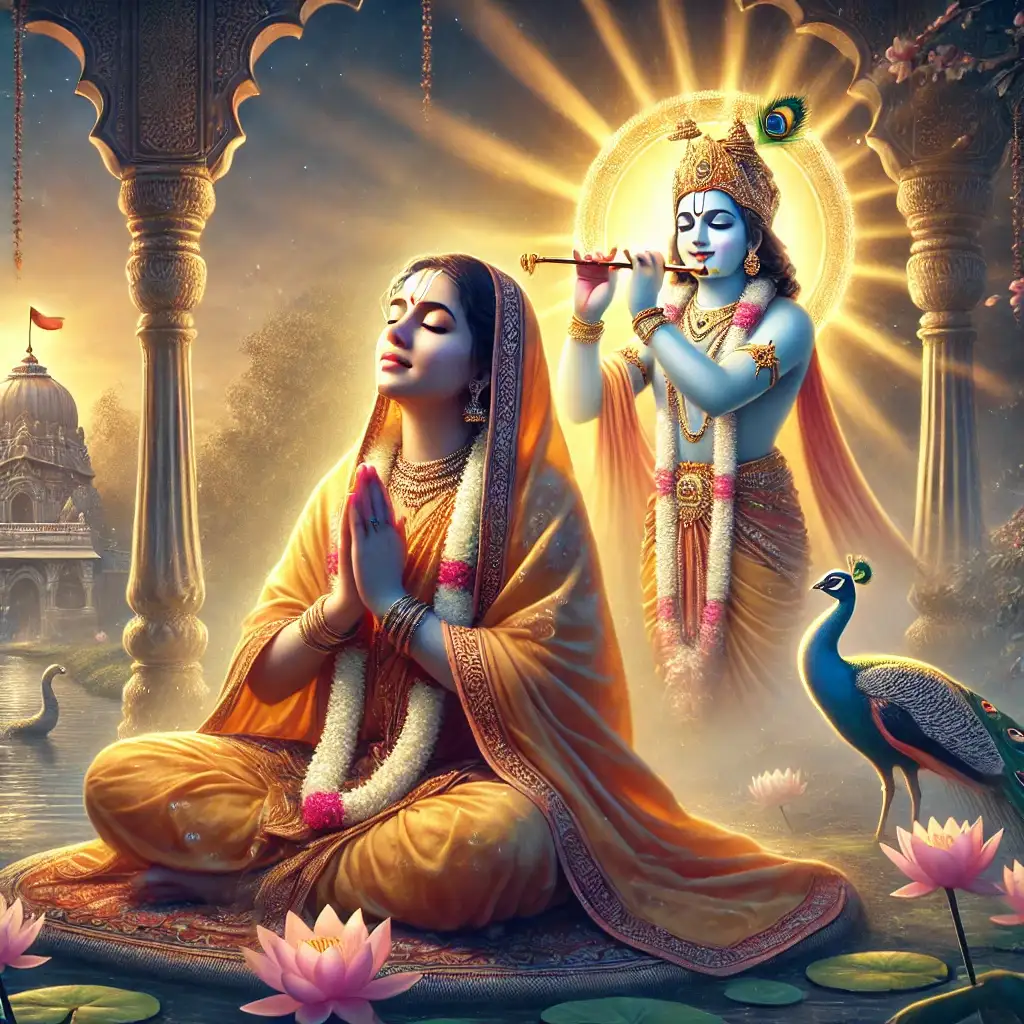
In the hardest seasons of life, when grief feels heavy, when uncertainty clouds the mind, and when the heart struggles to stay afloat, we long for something deeper than motivation or routine. We long for an anchor. Bhakti, the path of loving devotion, becomes that lifeline. Rooted in the wisdom of the Bhagavad Gita and illuminated by the teachings of Swami Mukundananda Ji, Bhakti helps transform emotional pain into compassion, fear into faith, and loneliness into divine companionship. Through stories of Hanuman, Surasa, Prahlad, Meera, and the real-life journey of Mrs. Sharma, this blog explores how devotion nurtures empathy, strengthens the heart, and turns suffering into service. Bhakti doesn’t remove life’s storms—it becomes the unshakeable shelter within them.

The Bhagavad Gita reminds us that divine connection is the highest refuge:
“To those who are constantly devoted to serving Me with love, I give the understanding by which they can come to Me.”
— Bhagavad Gita 10.10 (Link)
This “loving devotion”—Bhakti—does not eliminate difficulties, but infuses the heart with courage, compassion, and clarity.
This blog explores:
- What Bhakti really is
- How it differs from religion
- How Bhakti awakens compassion
- How it nurtures empathy
- How it builds strength
- Real-life transformation (Mrs. Sharma’s story)
- Scriptural insights
- Examples from Hanuman, Surasa, Meera, Prahlad
- FAQs + References
And all through the lens of Swami Mukundananda Ji’s teachings on Bhakti.
1. What Is Bhakti?
Bhakti means loving remembrance of God—not out of fear or obligation, but out of affection, gratitude, and surrender.
“Bhakti is the transformation of the heart. When love flows toward God, it purifies every thought, word, and action.”
— Swami Mukundananda
Bhakti is not a ritual; it is a relationship.
Not an act; but a feeling.
Not a practice; but a pathway of the soul.
2. Bhakti vs Religion — Understanding the Difference
|
Religion (Dharma) |
Bhakti (Devotional Love) |
|
Rituals, customs, and traditions |
Heart-centered relationship with God |
|
Community identity |
Individual inner experience |
|
Structure of worship |
Flow of love |
|
External expression |
Internal awakening |
|
Teaches “what to do” |
Teaches “how to feel” |
|
Discipline of life |
Transformation of soul |
In simple terms:
Religion is the body.
Bhakti is the heartbeat.
Religion offers guidance.
Bhakti offers connection and compassion.
And in challenging times, connection is what heals.
3.How Bhakti Awakens Compassion (Karuṇā)
Bhakti softens the heart—not in weakness, but in wisdom.
How Bhakti Turns Pain into Compassion
- When you love God, you begin seeing God in others.
- When you feel God’s kindness, you naturally extend kindness outward.
- When your heart is touched by divine love, it gains the courage to love others despite suffering.
“Compassion does not make us weak; it makes us God-like.”
— Swami Mukundananda
Examples of Compassion Through Bhakti
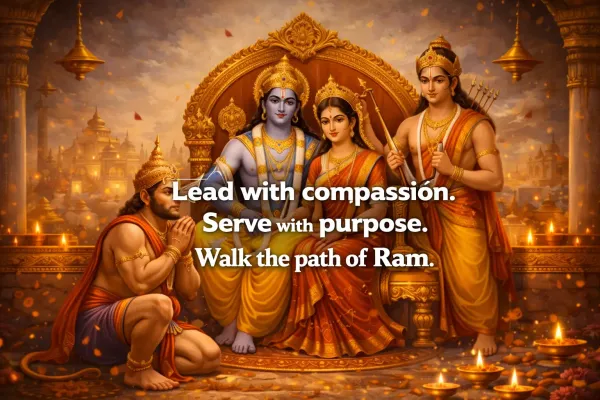
- Hanuman serving Sita and Ram with total selflessness
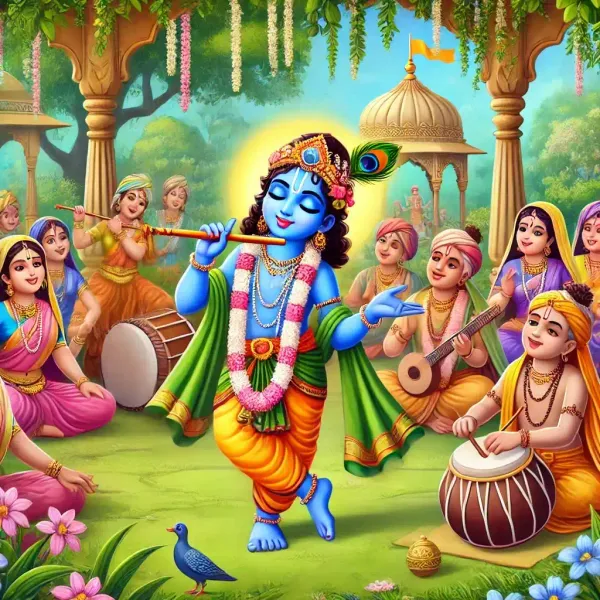
- Krishna lifting Govardhan Hill to protect villagers
- Prahlad praying for even his father’s welfare
- Meera Bai singing bhajans despite persecution
- Sage Valmiki transforming Ratnakar through kindness, not punishment
Bhakti never stops at prayer.
Bhakti becomes seva—the highest form of compassion.
4. Hanuman & Surasa — A Lesson in Compassion + Strength

When Surasa blocked Hanuman during his journey to Lanka, he did not become angry or aggressive.
Instead,
- He recognized that she was performing a divine duty
- He responded wisely, kindly, patiently
- He was satisfied with her condition without harming her
This moment teaches us:
Bhakti balances strength with compassion, courage with humility, and firmness with kindness.
Hanuman’s response to Surasa is the perfect example of
“Compassion with Clarity.”
5. How Bhakti Nurtures Empathy (Anukampā)
Bhakti helps us understand the inner world of others, not just their words or actions.
Empathy Through Bhakti Looks Like
- Listening as seva
- Seeing God in every soul
- Offering comfort, not criticism
- Understanding intention, not judging behavior
- Feeling for others without being overwhelmed
“When we see others as children of God, empathy becomes our natural nature.”
— Swami Mukundananda
Bhakti transforms emotional vulnerability into emotional maturity.
6. How Bhakti Builds Strength in Difficult Times
Bhakti teaches a profound truth:
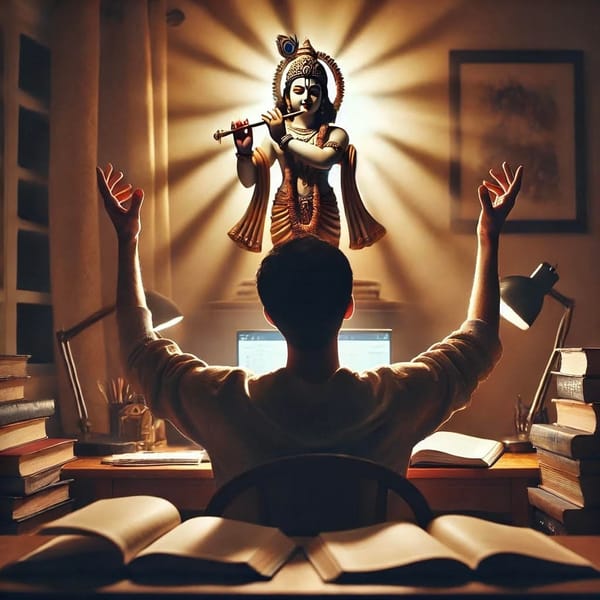
“I am not alone. God walks with me.”
How Bhakti Turns Weakness into Inner Strength
- Fear becomes faith
- Anxiety becomes surrender
- Helplessness becomes prayer
- Isolation becomes connection
- Pain becomes purpose
Bhakti Strength Practices
- Chanting when the mind is restless
- Japa mala for grounding
- Seva during sorrow
- Gratitude journaling
- Offering struggles to God
- Reading Bhagavad Gita verses daily
Bhakti does not remove the storm.
It becomes the unshakeable shelter within it.
7. Real-Life Example: The Story of Mrs. Sharma (Transformation Through Bhakti

The Story of Mrs. Sharma – When Bhakti Held Her Heart
Mr. and Mrs. Sharma, a retired content couple, lived peacefully after his career as a professor and her as a respected school principal. Mrs. Sharma after her retirement ran a small consultancy for developing English as a second language in schools. Nothing big but enough to keep them busy. Their spirituality was gentle, simple—prayers, rituals, festivals, and occasional satsangs.
Sharma’s children were concerned about them and insisted they shift closer to them. They resisted for some time but soon gave in, hoping they would convince their children and return home. But life had a big unpleasant surprise for them and Mrs. Sharma life changed forever.
Mr. Sharma passed away quietly in his sleep, leaving his wife distraught, broken, lonely and shattered.
The laughter of their home vanished; silence grew heavy.
Her children worried deeply. Knowing her love for God, they brought her to a nearby Krishna temple—a place alive with seva, teaching, and community service.
Mrs. Sharma slowly joined as a volunteer teacher, sharing stories from the Ramayana, the festivals of India, and the lives of great Saints. The love, sympathy, and understandings of teachers; The innocence of children touched her heart.
Their affection soothed her grief.
The miracle happened when Swamiji guided her lovingly:
“Don’t just follow rituals. Feel Krishna walking with you.”
Her sorrow slowly melted into strength.
Seva gave her purpose.
Satsang gave her peace.
Bhakti gave her a new life, rooted in compassion, calmness, and quiet joy.
She now says:
“When I lost everything, Krishna became everything.”
8. The Insight: Bhakti Converts Suffering into Service
Bhakti turns pain into sensitivity and sensitivity into compassion.
It takes the broken pieces of the heart and rearranges them into a vessel that can hold more love than before.
Like Hanuman facing Surasa or Mrs. Sharma finding healing through seva,
Bhakti teaches us that:
- Tests refine us
- Love expands us
- Service elevates us
- Surrender strengthens us
Bhakti doesn’t promise a life without suffering.
It promises a soul that cannot be defeated by suffering.
9. Daily Micro-Practices to Live Bhakti in Difficult Times
- Chant one mala every morning
- Offer one act of kindness daily
- Read one Gita verse with meaning
- Do 10 minutes of silent japa
- Avoid negative talk
- Practice forgiveness
- Write 3 gratitude points nightly
- Do at least one seva task weekly
- See everyone as Krishna’s child
- The most important, easiest and best way is to do it is Seva. When we work with hands, our mind is engaged and bhakti flows freely.
“Small acts done with devotion become big steps toward peace.”
— Swami Mukundananda
10. FAQs on Bhakti in Difficult Times
Q1. How can Bhakti help during emotional pain?
Bhakti gives the mind a place to rest—in God’s love. It transforms fear into faith and loneliness into divine companionship.
Q2. Is Bhakti only for religious people?
No. Bhakti is the emotion of love, not the structure of religion.
Q3. How do I practice Bhakti daily?
Chant God's name, read the Gita, attend satsangs, and perform seva.
Q4. Can Bhakti reduce anxiety?
Yes. Bhakti focuses the mind on divine support, reducing overthinking.
Q5. What does Swami Mukundananda Ji teach about Bhakti?
He teaches that Bhakti is the easiest, sweetest, and most powerful path because it transforms the heart directly.
This one step can transform your outlook, your inner strength, and your connection with the Divine.
11. References & Citations
- Bhagavad Gita – Verses & Commentary: https://www.holy-bhagavad-gita.org/
12. Summary of Key Takeaways
- Bhakti is emotional connection with God, beyond rituals
- It turns pain into compassion
- It builds empathy and emotional maturity
- It gives inner strength during crisis
- Real-life transformation (Mrs. Sharma)
- Hanuman–Surasa example of compassionate strength
- Swami Mukundananda Ji’s teachings make Bhakti practical
- Daily practices help anchor the mind