

It was Diwali night. Aarav sat on his terrace, surrounded by lights yet feeling darkness within. His grandmother lit a small diya beside him.
“Do you know why we light these lamps?” she asked.
“To celebrate Lord Ram’s return,” he said.
She smiled. “Yes—but also to remind us to light the lamp within.”
That night, as Aarav watched the flame, he realized the real Diwali was about conquering the mind’s chaos—just as Lord Ram conquered Ravan.
The True Meaning of Diwali: Beyond Lights and Fireworks

Diwali, one of the most celebrated festivals in India, is commonly known as the festival of lights. But its deeper significance lies far beyond the physical act of lighting diyas or exchanging sweets. It is, at its essence, a celebration of the triumph of clarity over confusion, self-control over indulgence, and inner light over darkness of ignorance.
When Lord Ram returned to Ayodhya after 14 years of exile, the citizens illuminated the entire city with lamps. This was not merely to welcome a king, but to symbolize the restoration of Dharma—order, harmony, and righteousness.
In the same way, Diwali invites each of us to restore our own inner Ayodhya—the peaceful kingdom of the mind—by overcoming the Ravanas within: anger, greed, attachment, ego, and fear.

Mind Management through the Lens of Shree Ram’s Life
1. The Exile: Training the Mind through Acceptance
When Lord Ram was ordered into exile for fourteen years, He did not react with resentment, anger, or despair. Instead, He accepted the decree with serenity and grace.
Here lies the first lesson of mind management: acceptance.
Most of our mental disturbances arise not from what happens, but from our resistance to what happens. Shree Ram teaches us that circumstances are external, peace is internal.
Acceptance does not mean weakness; it means strength—the strength to face reality without letting it shake your inner balance.
2. The Forest: Finding Calm Amidst Chaos
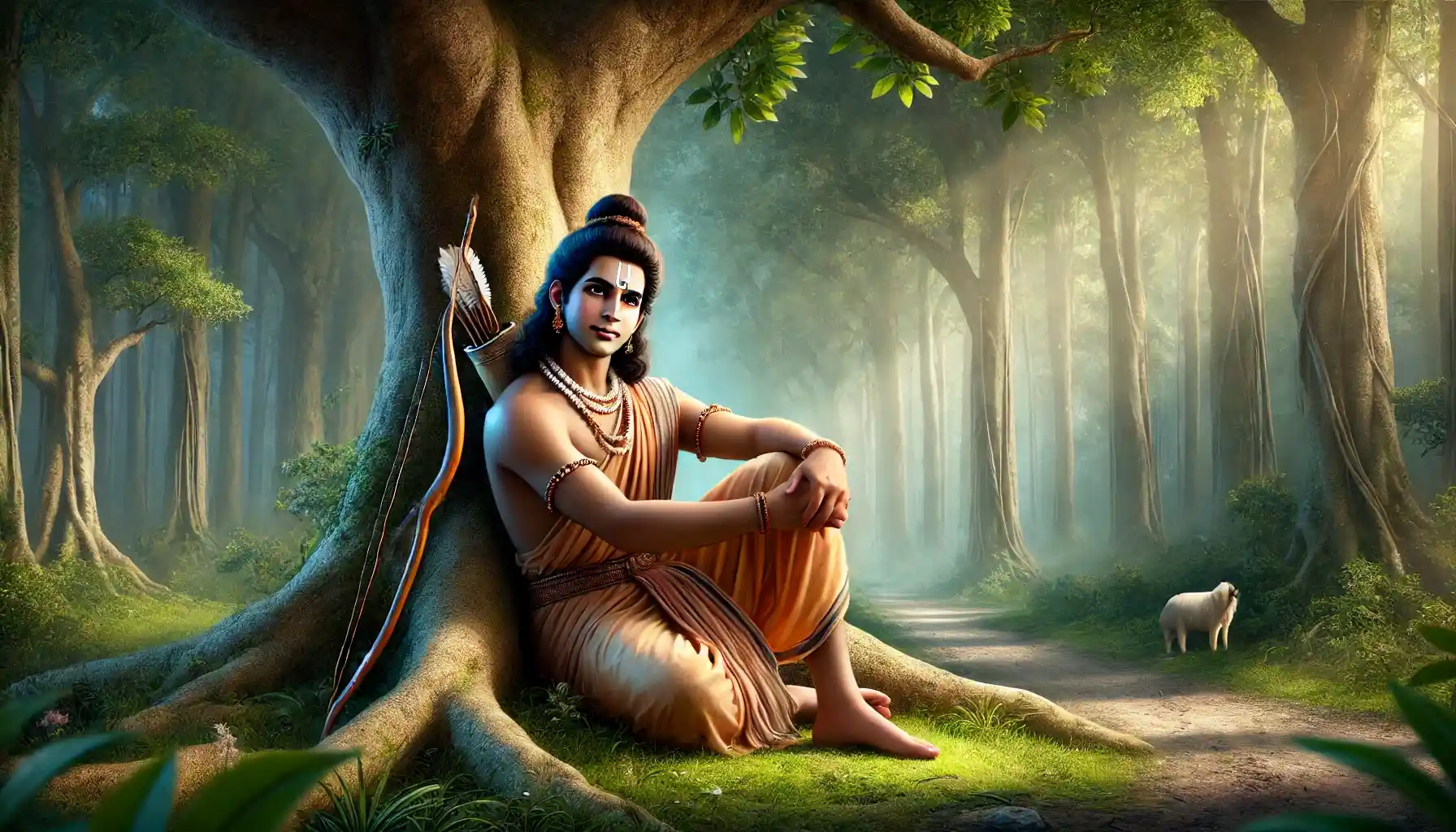
During His years in exile, Lord Ram lived a life of simplicity and detachment, amidst the unpredictable wilderness. Every moment demanded vigilance, yet His mind remained calm.
This teaches us equanimity—the art of staying balanced when life swings between joy and sorrow.
In today’s terms, it’s about staying composed amid deadlines, social pressure, and uncertainty. Mind management begins when we learn to remain centered—just like Ram, who, despite being surrounded by forest fires of uncertainty, never let His inner flame waver.
3. The War with Ravan: The Battle Within
Ravan was not merely a king of Lanka; he was the symbol of an uncontrolled mind. Each of his ten heads represents one of the human vices: anger, lust, greed, pride, jealousy, delusion, selfishness, injustice, hatred, and ego.
The Ramayana, then, is not just an epic—it is a map of mind management. The real battlefield of Lanka lies within us.
When Lord Ram’s arrow struck down Ravana, it was symbolic of the disciplined mind conquering the undisciplined desires. The victory of good over evil is, therefore, the victory of the higher self over the lower impulses.
Swamiji’s Vision: Mastering the Mind, Mastering Life
Swamiji often says, “The greatest kingdom to rule is the kingdom of your own mind.”
This simple yet profound truth aligns perfectly with the philosophy of Diwali. The mind is our constant companion—it can be our best friend or our worst enemy. Just as Shree Ram ruled His kingdom with justice and discipline, we too must rule our inner kingdom with awareness and wisdom.
1. The Restless Mind: The Real Darkness
Swamiji explains that the greatest darkness is not the absence of light but the absence of understanding. When the mind is restless—filled with comparisons, anxieties, and endless desires—it becomes a Ravan, scattering our energy in ten directions.
Mind management begins by turning inward, by becoming aware of our thoughts instead of being ruled by them. This self-awareness is the first spark that can ignite the lamp within.
2. Discipline: The Bridge to Peace

Swamiji teaches that discipline is not restriction—it is liberation.
Just as the bridge to Lanka was built stone by stone with precision and purpose, the bridge to peace is built habit by habit—with meditation, right thought, right food, right company, and right actions.
A disciplined mind can navigate any storm. Diwali reminds us to burn away indiscipline, just as we burn old lamps and start anew.
3. Gratitude and Service: Lighting Others’ Lamps
True Diwali is not in lighting a thousand lamps outside, but in lighting one lamp in another’s heart.
Swamiji emphasizes the power of seva (selfless service) as a form of mind purification. When we act without selfish motive, the mind becomes light, free from the heaviness of ego.
In Shree Ram’s life, this is beautifully symbolized by Hanuman—the perfect devotee—whose every action was done with love and surrender. Hanuman represents the controlled mind in service of the Divine will.
Diwali and the Psychology of Light
From a psychological perspective, the symbolism of Diwali aligns beautifully with principles of mind management.
- Light represents awareness.
- Darkness represents ignorance.
- Cleaning the house symbolizes cleaning the mind of toxic patterns.
- Decorating with rangoli is the practice of bringing beauty and harmony to thought.
- Bursting crackers signifies the release of suppressed emotions and negativity.
- Sharing sweets embodies the sweetness of positive communication and relationships.
Thus, Diwali becomes not just a festival but a five-step therapy for the mind—cleansing, illuminating, balancing, releasing, and connecting.
The Inner Ram Rajya: Building Mental Order
When Lord Ram returned to Ayodhya, He established Ram Rajya—an ideal kingdom of harmony and justice. In the same way, we can establish Ram Rajya within our mind.
In Ram Rajya of the mind,
- Thoughts are disciplined like loyal citizens,
- Emotions obey the rule of Dharma,
- Desires serve purpose rather than dominate it,
- And the Self—the true King—governs with wisdom and compassion.
Swamiji often compares the mind to a government: thoughts are ministers, senses are citizens, and the intellect is the ruler. When the ruler is wise, peace prevails. But when the senses rule the intellect, chaos begins.
Mind management, therefore, is self-governance.
The Modern Mind’s Ravanas: What We Can Learn
In our times, Ravana no longer lives in Lanka—he lives in our phones, screens, notifications, comparisons, and desires. The ten heads of Ravana have modern forms:
| Ravana’s Head | Modern Equivalent | Antidote from Shree Ram & Swamiji |
|---|---|---|
| Anger | Online arguments, impulsive reactions | Pause, breathe, respond consciously |
| Lust | Overstimulation through media | Cultivate purity in thoughts |
| Greed | Material obsession, endless shopping | Practice contentment |
| Pride | Social media validation | Develop humility |
| Jealousy | Comparison culture | Practice gratitude |
| Delusion | Believing illusions of success | Seek truth and awareness |
| Selfishness | “Me first” mindset | Serve others selflessly |
| Injustice | Cutting corners for gain | Uphold Dharma in action |
| Hatred | Intolerance, polarization | Embrace compassion |
| Ego | “I know it all” attitude | Practice surrender and learning |
By managing these inner enemies, we celebrate Diwali every day.
Lessons from Shree Ram and Swamiji for Daily Life
1. Choose Response over Reaction
When Kaikeyi demanded His exile, Lord Ram didn’t react emotionally. He responded with clarity. Similarly, Swamiji teaches that emotional maturity is when you respond, not react.
A managed mind pauses before it decides, reflects before it speaks, and acts before it regrets.
2. Detach without Indifference
Ram’s detachment did not mean coldness; it meant clarity. He loved deeply but was not bound by attachment. Swamiji explains that true detachment is not withdrawal from life—it is full participation without losing your peace.
The mind becomes powerful when it acts without being enslaved by emotions.
3. Meditate like Hanuman
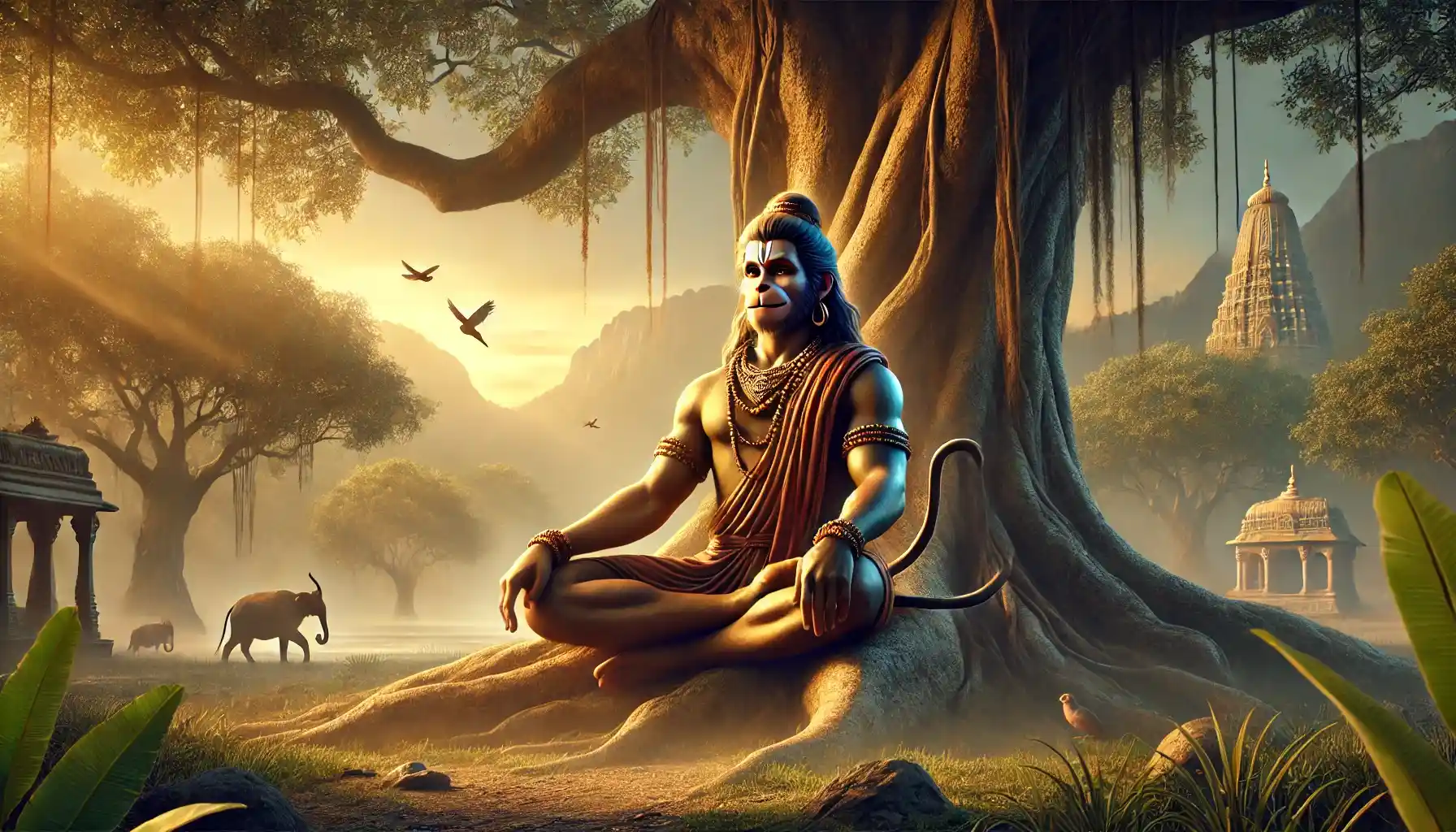
Hanuman is the embodiment of perfect mind control. His focus was unwavering—his only thought was “Ram.” In modern life, meditation means anchoring the mind on a single uplifting idea.
Swamiji says, “A mind that is scattered is weak; a mind that is centered is divine.”
This Diwali, make your mind your Hanuman—strong, loyal, and devoted.
4. Turn Adversity into Opportunity
The forest was not a punishment for Lord Ram; it was His training ground. Challenges refine the mind, like fire refines gold. Swamiji calls this Tapasya—mindful endurance.
Instead of resisting hardship, use it to strengthen your patience, resilience, and inner focus.
5. Lead with Love
When Shree Ram ruled Ayodhya, His leadership was rooted in empathy and justice.
Swamiji often reminds us that leadership begins with self-leadership. A managed mind inspires others naturally, because peace radiates more powerfully than authority.
Lighting the Lamp Within: A Diwali Meditation Practice
Here’s a simple Swamiji-inspired reflection to practice this Diwali:
- Sit quietly. Light a diya before you.
- Gaze at the flame—steady, silent, unwavering.
- Visualize that this flame is your awareness.
- Observe your thoughts rise and fall like sparks—don’t judge, just watch.
As you practice this daily, the inner Diwali begins—the celebration of self-awareness.
- Affirm: “I am light. My mind is calm. I am free.”
Mind Management Is the Real Celebration
Diwali comes once a year, but its message is eternal. Each day offers an opportunity to light a lamp in the darkness of the mind. Swamiji’s teachings remind us that mind management is not control—it is understanding.
When we understand the mind, we transcend it.
When we transcend it, we discover peace.
And in that peace, we live the true Diwali—not just for a night, but for a lifetime.
A Final Reflection: The Flame Never Dies
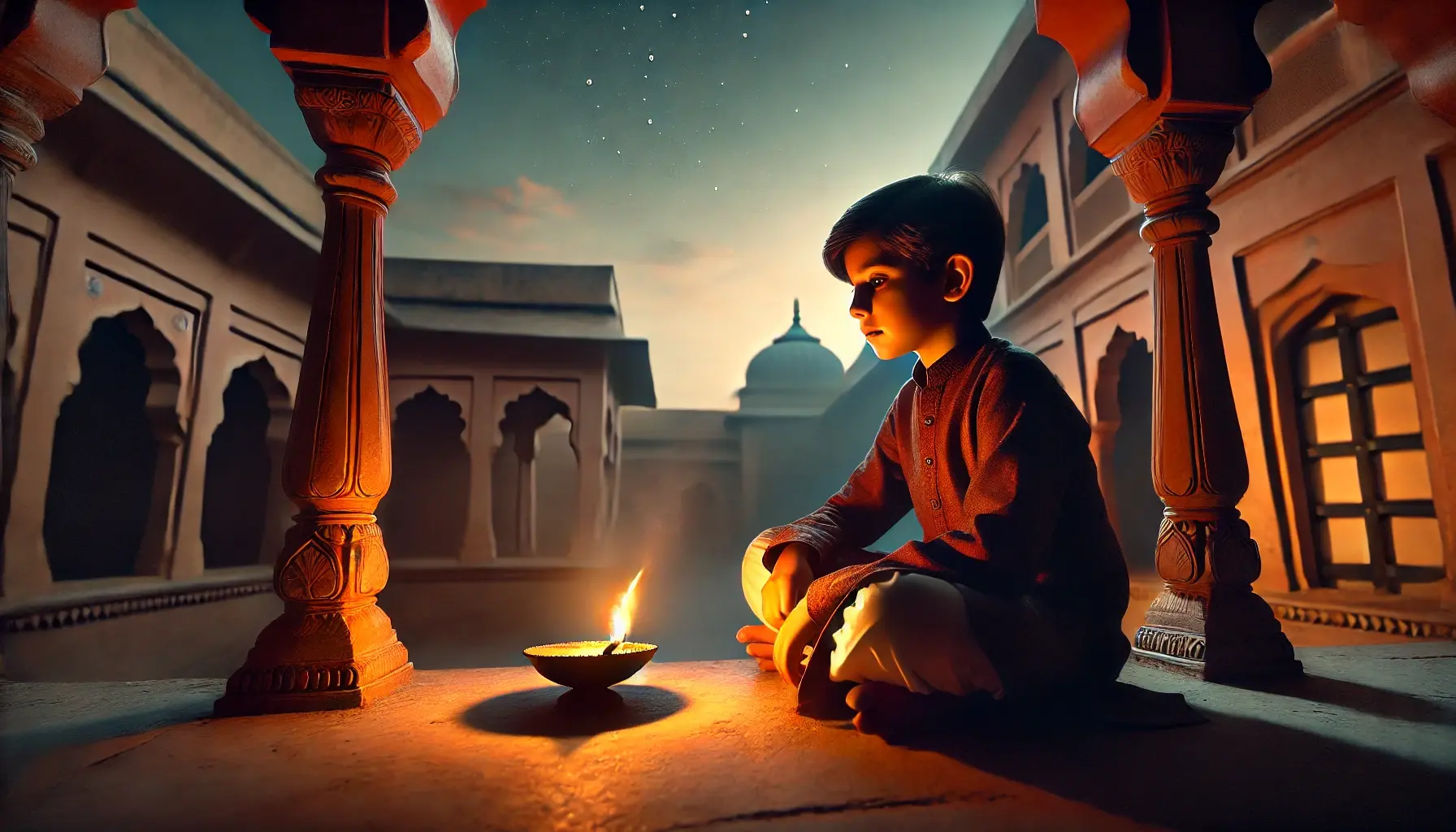
As Aarav from our opening story sat watching the flame, he realized something profound—the diya did not flicker because of the wind; it flickered because he had not protected it.
Likewise, our inner light needs care. Each thought, each habit, each act of kindness adds oil to that flame.
When Shree Ram entered Ayodhya, millions of diyas lit up the night. When we manage our minds with awareness and love, millions of inner diyas light up humanity.
This is Diwali—not outside, but inside
Conclusion: Living the Diwali Way
To live Diwali every day is to:
- Awaken the Ram within—the pure consciousness.
- Subdue the Ravan within—the ego and impulses.
- Walk the path of Dharma—truth and balance.
- Serve like Hanuman—with devotion and strength.
- Radiate light like Sita—with compassion and grace.
Swamiji beautifully says, “The lamp of wisdom burns steady only when the mind is still.”
So this Diwali, instead of only lighting homes, let us light hearts. Instead of only burning crackers, let us burn our anger. Instead of only wearing new clothes, let us wear new thoughts.
When the mind is managed, life becomes luminous. And then, every day becomes Diwali
Call To Action
🎊 This Diwali, step into the Leela.
✅ Join your family for a divine celebration:
👉 Radha Krishna Temple of Dallas – Diwali 2025
✅ Light your soul every day by subscribing to:
👉 Swami Mukundananda’s YouTube Channel
Watch daily wisdom, stories, and powerful bhakti that nourishes the heart.
✅ Start your Gita journey here:
👉 Holy Bhagavad Gita Website
📚 References and Inspirations
- Swamiji’s Talks on Mind Management and Spiritual Leadership – “Rule your mind, and the world bows to you.”
- The Ramayana – Valmiki’s epic; interpreted as the journey of the human soul towards self-mastery.
- Bhagavad Gita, Chapters 2 & 6 – On equanimity, self-control, and mastery of the mind.
🪔 Frequently Asked Questions (FAQs)
1. What does Diwali have to do with mind management?
Diwali celebrates the victory of light over darkness—within us as much as around us. It’s about conquering inner confusion, ego, and negativity through awareness, balance, and discipline.
“The real Diwali is the illumination of awareness within.”
2. How can Shree Ram’s life teach us mental strength?
Shree Ram faced exile and hardship with calm acceptance and faith. His life shows that peace comes from disciplined thoughts and dharmic choices, not from external comfort.
Ram Rajya begins when you rule your own thoughts.
3. What are the practical steps to ‘light the lamp within’?
Start small:
- Meditate five minutes daily.
- Practice gratitude before sleep.
- Serve selflessly.
- Respond, don’t react.
- Keep company and content positive.
These habits slowly awaken the inner light—the true Diwali spirit.
4. How do Swamiji’s teachings connect to Diwali?
Swamiji teaches that peace begins with mind awareness, discipline, and selfless service. Diwali symbolizes this awakening—lighting lamps of clarity and compassion within the heart.
“Discipline is not restriction—it is liberation.”
5. How can we celebrate Diwali consciously?
Light diyas with mindfulness. Let go of resentment. Simplify celebrations. Share kindness and reflect on your inner Ravanas—ego, anger, greed. When the mind shines, every day becomes Diwali.
“Every diya outside is a reminder of the flame within
Closing Thought
“When you light the lamp of awareness, you don’t just celebrate Diwali — you become it.”