

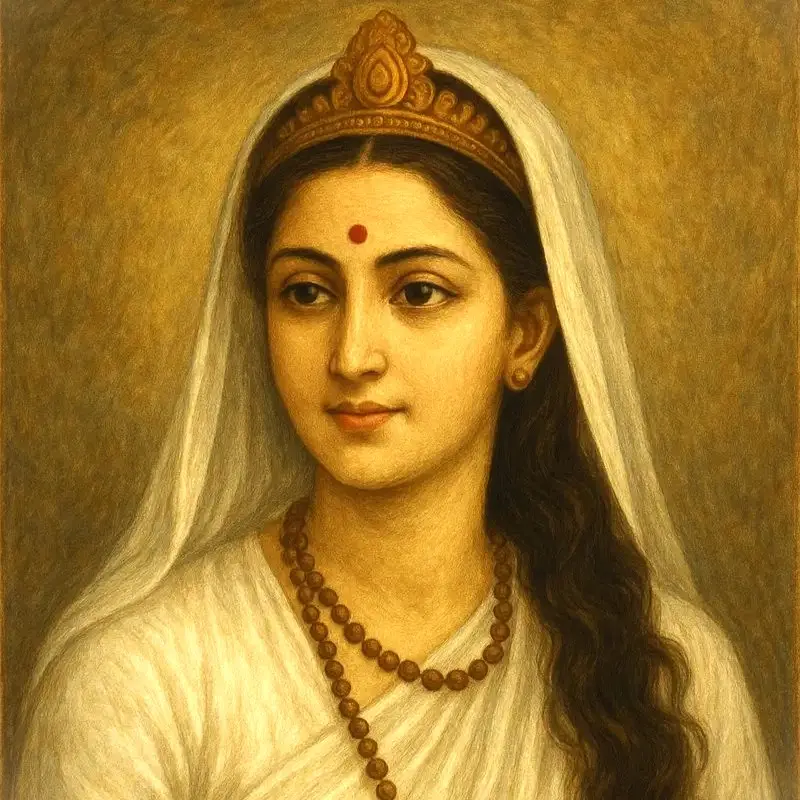
Introduction: The Journey from Shailaputri to Brahmacharini
Navratri, a sacred nine-day celebration of the Divine Feminine, is not only a festival of lights, rituals, and devotion but also a symbolic inward journey of the soul. Each day corresponds to one of the nine forms of Maa Durga, guiding us step by step toward spiritual evolution.
Navratri is incomplete without Garba and Dandiya, where the joyous dance celebrates Maa Durga’s victory and fills the nights with divine energy. Clad in colorful attire, devotees gather to dance, rejoice, and honor the Divine Mother in an atmosphere of joy and reverence.
At Radha Krishna Temple of Dallas, the Navratri Mahotsav 2025 offers unforgettable evenings filled with Garba, Dandiya, Durga Pooja, children’s activities, delicious food, and vibrant cultural programs. As lamps glow and music fills the air, the community comes together in a beautiful celebration of tradition, devotion, and festivity—an experience of Navratri magic like never before.
Join us at the celebration; get your tickets today!
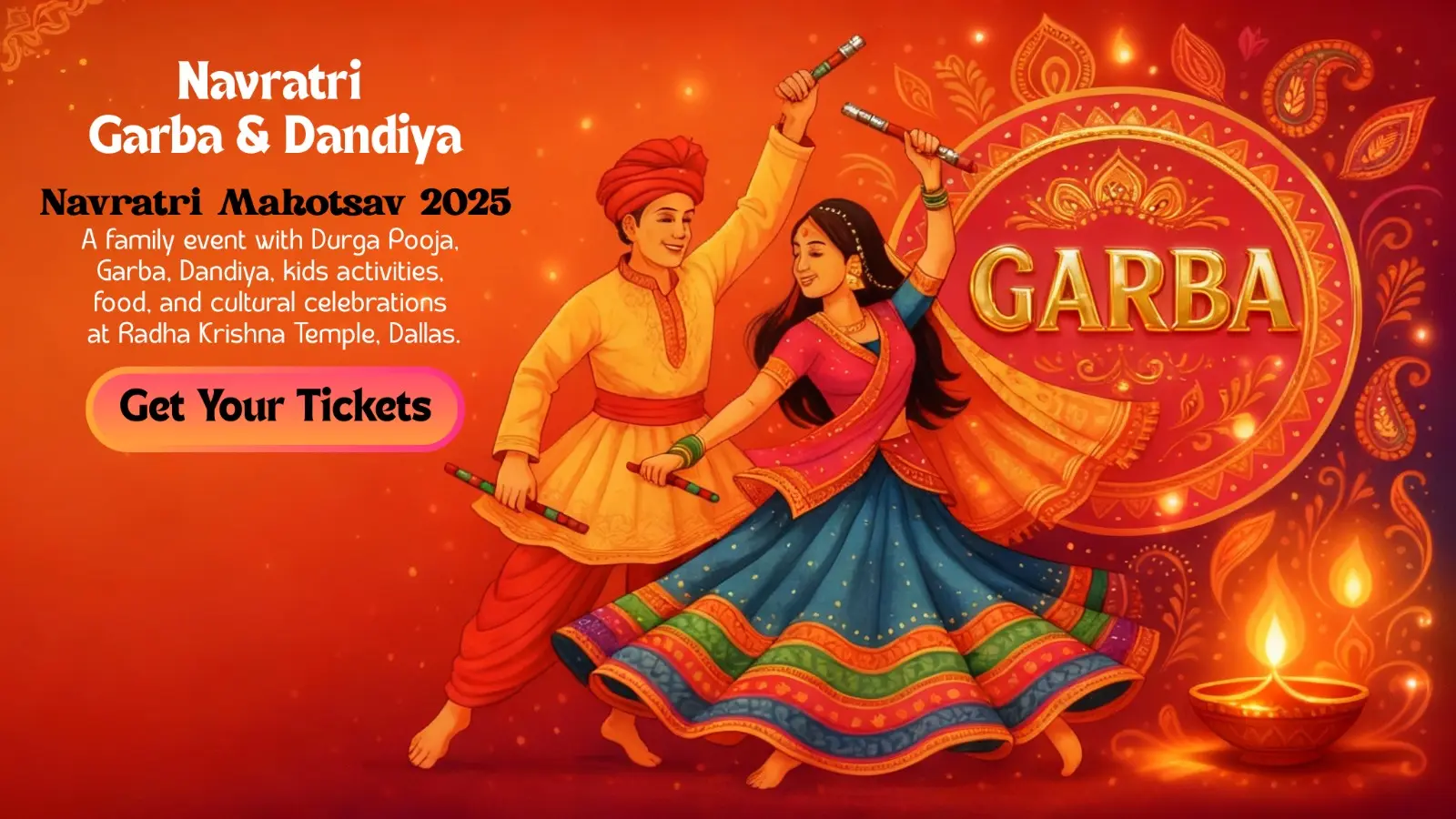
Radha Krishna Temple of Dallas | Navratri Mahostav 2025 | Garba & Dandiya Tickets
On the first day, we worshiped Maa Shailaputri, the daughter of the Himalayas, symbolizing purity and grounding—the root from which devotion begins.
On the second day of Navratri, devotees turn to Maa Brahmacharini, whose name itself embodies the essence of penance, discipline, and unwavering devotion. “Brahma” refers to the absolute reality or supreme knowledge, while “Charini” means one who practices or follows. Thus, Maa Brahmacharini is the goddess who embodies the pursuit of Brahma through steadfast discipline, meditation, and tapasya (penance).
Her worship inspires seekers to cultivate the virtues of self-restraint, simplicity, and perseverance on the spiritual path. While Shailaputri represents the roots of faith, Brahmacharini represents the steady walk on the path of truth.
Who is Maa Brahmacharini?
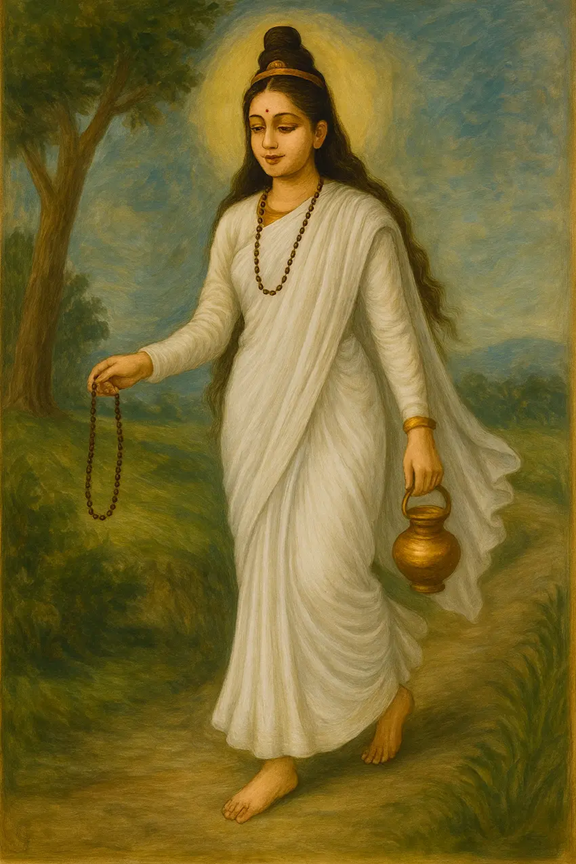
Maa Brahmacharini is revered as the embodiment of austerity and penance. In her previous birth as Sati, the daughter of King Daksha, she immolated herself in the sacrificial fire to protest her father’s insults toward her husband, Lord Shiva. After her rebirth as Parvati, she performed intense penance for thousands of years to win Shiva as her consort.
It was during this time that she came to be known as Brahmacharini, walking barefoot in forests, living only on fruits, roots, and even leaves, and later on surviving simply on air. Her tapasya was so powerful that even the gods and sages marveled at her determination. Ultimately, her devotion and penance bore fruit, and Lord Shiva accepted her as his divine consort.
In this way, Maa Brahmacharini symbolizes devotion fueled by unwavering determination and self-discipline.
Iconography of Maa Brahmacharini
The imagery of Maa Brahmacharini reflects simplicity and tapasya:
- She is depicted as walking barefoot, clothed in a pure white sari, representing renunciation and simplicity.
- In her left hand, she carries a kamandal (water pot)—a symbol of asceticism, spiritual purity, and sustenance through faith.
- In her right hand, she holds a japamala (rosary), representing meditation, prayer, and continuous remembrance of God.
- Her calm and serene face conveys peace and patience, qualities that sustain a devotee on the arduous spiritual journey.
This simplicity in her form conveys a profound message: that true spiritual power does not lie in external grandeur but in internal strength, self-restraint, and faith.
The Deeper Symbolism of Brahmacharini
Brahmacharini is not only a goddess to be worshiped but also a principle to be understood and practiced.
- Tapasya (Austerity):
She reminds us that no great achievement, worldly or spiritual, comes without effort and discipline. Just as she undertook severe penance to attain Lord Shiva, so too must seekers dedicate themselves wholeheartedly to their goal. - Self-Discipline:
Brahmacharini’s life represents control over the senses and mind. True freedom comes not by indulging desires but by mastering them. - Simplicity and Renunciation:
Her white attire and simple form signify detachment from material distractions and a life rooted in truth and purity. - Perseverance in Devotion:
Despite challenges, Brahmacharini never wavered. Her story teaches us the importance of patience and consistency in sadhana (spiritual practice).
Worship and Rituals on Day 2 of Navratri
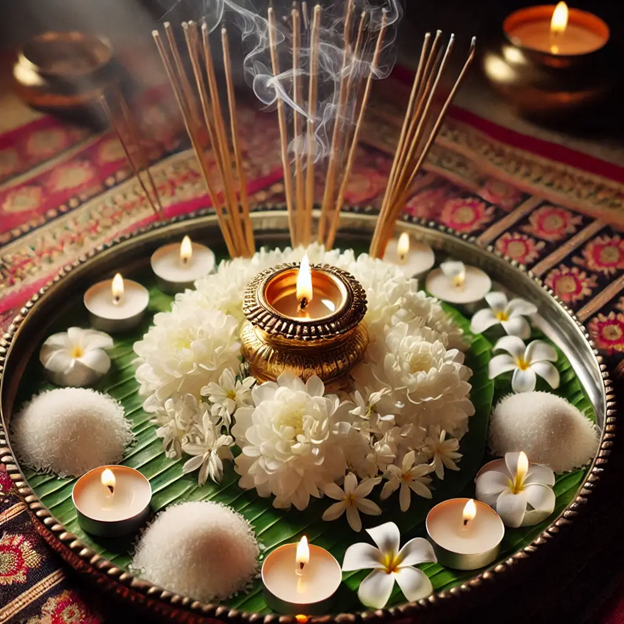
On the second day of Navratri, devotees worship Maa Brahmacharini with rituals that reflect her qualities:
- Altar Setup: The altar is adorned with white flowers, symbolizing purity. Incense, lamps, and offerings of sugar are common, as sugar is believed to represent sweetness and serenity.
- Mantra Chanting: Devotees recite mantras such as:
“Dadhana kar padmabhyam akshamala kamandaloo,
Devi praseedatu mayi brahmacharinyanuttama.”
This prayer seeks her blessings for knowledge, devotion, and freedom from obstacles.
- Meditation: Since Maa Brahmacharini represents penance and meditation, devotees are encouraged to sit in silence, practice japa, and reflect on self-discipline in their lives.
- Charity: Offering food and clothes to Brahmins and the poor is believed to please her and bring blessings of peace and perseverance.
Maa Brahmacharini and the Spiritual Path
Navratri is not only about external worship but about internalizing the goddess’s qualities. On this second day, Maa Brahmacharini teaches us that the spiritual path requires discipline, patience, and inner purity.
- Discipline in Thought and Action:
The journey toward God-realization requires a focused mind. Brahmacharini reminds us that each thought and action should align with higher ideals. - Courage in Trials:
Just as she endured hardships in her penance, devotees too must be prepared for challenges—both external obstacles and internal struggles with the ego and desires. - Sacrifice and Simplicity:
Spiritual elevation demands letting go of unnecessary distractions. A simple, God-centered life is the foundation of peace and progress.
The Relevance of Maa Brahmacharini in Modern Life
In today’s world, filled with constant distractions, consumerism, and stress, the message of Maa Brahmacharini is more relevant than ever.
- Focus Amid Distraction: With endless notifications and pressures, maintaining focus on one’s higher purpose is an act of tapasya.
- Self-Mastery: Modern life often equates freedom with indulgence, but Brahmacharini teaches that real freedom is mastery over the senses.
- Patience in Goals: Whether in careers, relationships, or spirituality, perseverance is the key to meaningful success.
- Living Simply: Her white sari and kamandal inspire us to embrace minimalism and focus on inner wealth rather than external show.
Stories and Legends of Maa Brahmacharini
The legends associated with Brahmacharini are deeply symbolic.
The Penance for Shiva
When Parvati was determined to marry Shiva, her parents initially resisted. But Parvati’s resolve was unshakable. She withdrew to the forest, practicing severe austerities. For years, she meditated, gave up food, and lived amidst natural elements. Her tapasya shook even the heavens. Finally, Lord Shiva appeared before her and accepted her love.
This story illustrates that true devotion is rewarded, and that penance is not about suffering but about proving the strength of one’s determination and love.
The Blessings of Brahmacharini
It is believed that worshiping her brings peace, knowledge, and self-control. She blesses her devotees with the strength to overcome adversities and remain steadfast in their duties.
Philosophical Dimensions of Brahmacharini’s Worship
The worship of Brahmacharini invites reflection on deeper philosophical truths:
- Discipline as a Form of Love: Her austerities were not mechanical; they were acts of love for Shiva. Similarly, when discipline stems from love for God, it becomes joyous rather than burdensome.
- Sacrifice as Growth: Her penance shows that letting go is not loss but gain. By sacrificing temporary comforts, one attains eternal fulfillment.
- Devotion and Knowledge: With the japamala and kamandal, she unites devotion (bhakti) with knowledge (jnana). Spirituality is incomplete without the balance of both.
Maa Brahmacharini in the Journey of Navratri
Navratri is a ladder of spiritual ascent. Shailaputri grounded us in faith, and Brahmacharini now teaches discipline. Without discipline, devotion cannot progress. Just as a tree cannot grow without roots, spiritual life cannot flourish without self-control.
Thus, Day 2 marks the stage of stability and practice—the point where faith transforms into determined action.
Final Thoughts: From Tapasya to Raganuga Bhakti
The worship of Maa Brahmacharini is not merely about remembering her penance but about cultivating the same spirit of devotion in our own lives. Her life shows us that true love for God is proven by sacrifice, simplicity, and perseverance.
Swami Mukundananda often explains that the highest form of devotion is Raganuga Bhakti—spontaneous, love-driven devotion where one serves God not out of duty or fear but out of deep affection, much like the gopis of Vrindavan served Shri Krishna.
Maa Brahmacharini’s penance is a shining example of this principle. Though her austerities were severe, they were not performed out of compulsion. They arose from her overwhelming love for Shiva. This is exactly what Raganuga Bhakti signifies—devotion so pure and natural that sacrifice feels sweet, and discipline feels like an expression of love.
As we worship her on this second day of Navratri, let us remember: the path of tapasya and discipline is not about deprivation but about love so strong that no hardship feels burdensome. Maa Brahmacharini invites us to walk this path and, through steadfast devotion, enter the realm of Raganuga Bhakti—where discipline blossoms into spontaneous, joyful love for the Divine.
Call to Action
As we honor Maa Brahmacharini on the second day of Navratri, let us embrace her message of simplicity, discipline, and steadfast devotion. Take time each day to practice meditation, self-restraint, and prayer, drawing inspiration from her tapasya. May her blessings guide you toward inner strength and unshakable faith on your spiritual journey.
📖 Continue Your Navratri Journey
Day 1: Worshiping Maa Shailaputri »
Day 3: Worshiping Maa Chandraghanta »
Day 4: Worshiping Maa Kushmanda »
Day 5: Worshiping Maa Skandamata »
Day 6: Worshiping Maa Katyayani »
Day 7: Worshiping Maa Kalaratri »
Day 8: Worshiping Maa Mahagauri »
Day 9: Worshiping Maa Siddhidatri – Coming Soon
📚 Learn about all 9 forms of Goddess Durga and explore Navratri rituals in our Complete Navratri 2025 Guide »
✨ Explore the All Navratri Days Blog
🛕 Join us at the Radha Krishna Temple of Dallas as we celebrate Navratri 2025 with grandeur and devotion from 22nd September to 1st October.
Durga Pujas
Participate in 9 Sacred Durga Pujas
Durgashtami Havan
Reserve your Spot
Food Festival
Celebrate with Every Bite
Ravan Dahan
Celebrate Dussehra with Devotion
⏳ Countdown to Navratri
Navratri begins on Sunday, Sept 21, 2025. Evening Garba starts at 7:00 PM.
Sacred Offerings for Durga Maa
Offer your devotion through seva.
Garba Workshops
Get ready for Navratri! 💃🕺 Join our Garba Workshop at Radha Krishna Temple, Dallas and learn traditional steps, Dandiya moves, and rhythm with ease.
Dates
Sept 13, 6pm - 7pm
Sept 20, 6pm - 7pm
Price
Garba Workshop: $7
Dandiya Sticks : $5
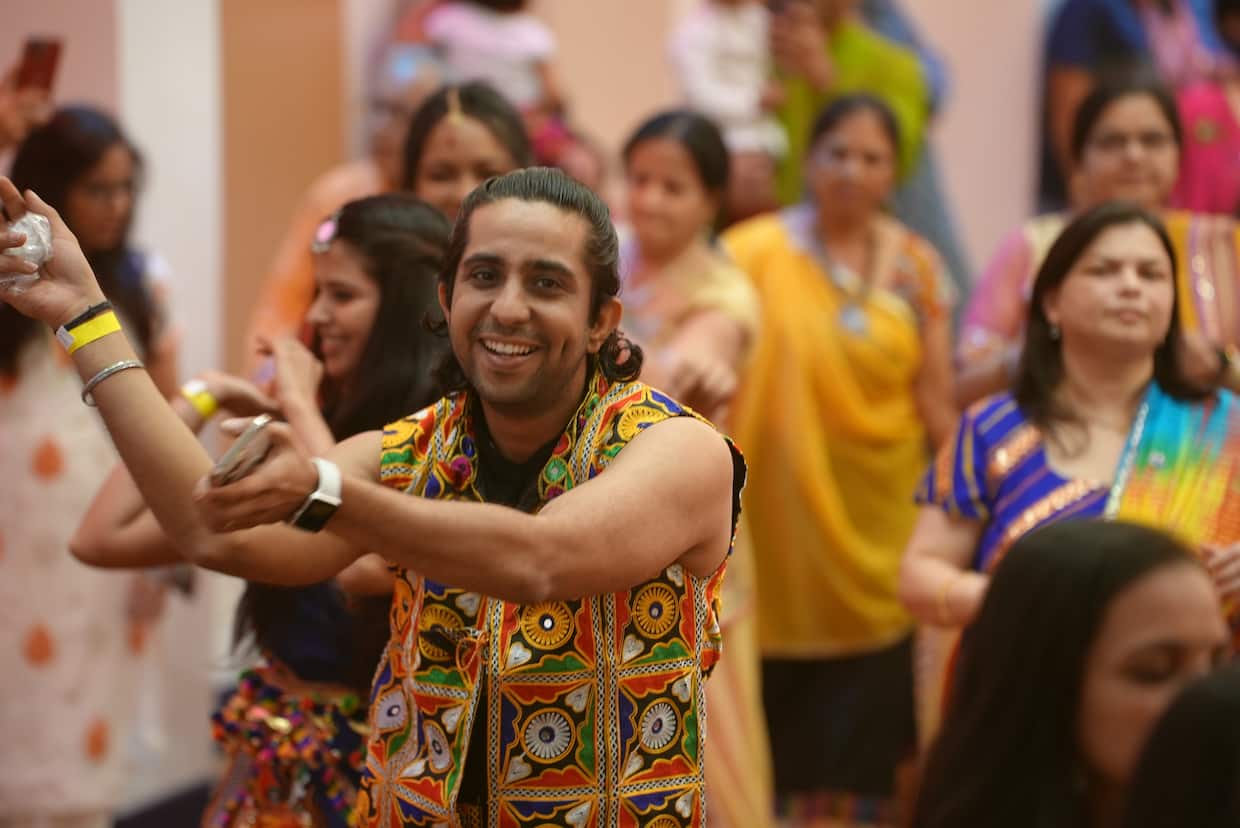
Cherished Moments of Past Navratri Celebrations
Relive the inspiring moments from past Navratri celebrations! Experience the joy, devotion, and vibrant festivities that make this event so special.


Serve, Grow, Inspire! — Volunteer for Navratri Mahotsav
Join us as a volunteer for the Navratri & Dussehra Celebrations! Experience the joy of devotion, build lifelong friendships, and serve the community while being part of these grand festivities. Sign up today to make this celebration truly special
References
- Markandeya Purana (Durga Saptashati) – Stories and praises of Maa Durga’s nine forms.
- Bhagavad Gita: The Song of God (Translation and commentary by Swami Mukundananda)
🔗 Read Online - Swami Mukundananda. The Science of Mind Management
🔗 Buy on Amazon - Swami Mukundananda on Navratri and the nine forms of the Divine Mother
FAQs
Q1. Who is Maa Brahmacharini?
Maa Brahmacharini is the second form of Maa Durga, symbolizing penance, discipline, and simplicity. She represents devotion rooted in perseverance and austerity.
Q2. What does Maa Brahmacharini hold in her hands?
She carries a japamala (rosary) in her right hand, symbolizing meditation and prayer, and a kamandal (water pot) in her left, representing purity and ascetic life.
Q3. What is offered to Maa Brahmacharini during worship?
Devotees often offer white flowers, sugar, and fruits. Sugar in particular is considered auspicious as it signifies serenity and sweetness.
Q4. What qualities does Maa Brahmacharini inspire in devotees?
She inspires self-discipline, perseverance, simplicity, patience, and deep devotion, reminding us to walk steadily on the path of truth.
Q5. How is Day 2 of Navratri significant?
Day 2 marks the stage where faith begins to transform into disciplined practice. Worshiping Maa Brahmacharini helps devotees strengthen resolve and move deeper into spiritual life.