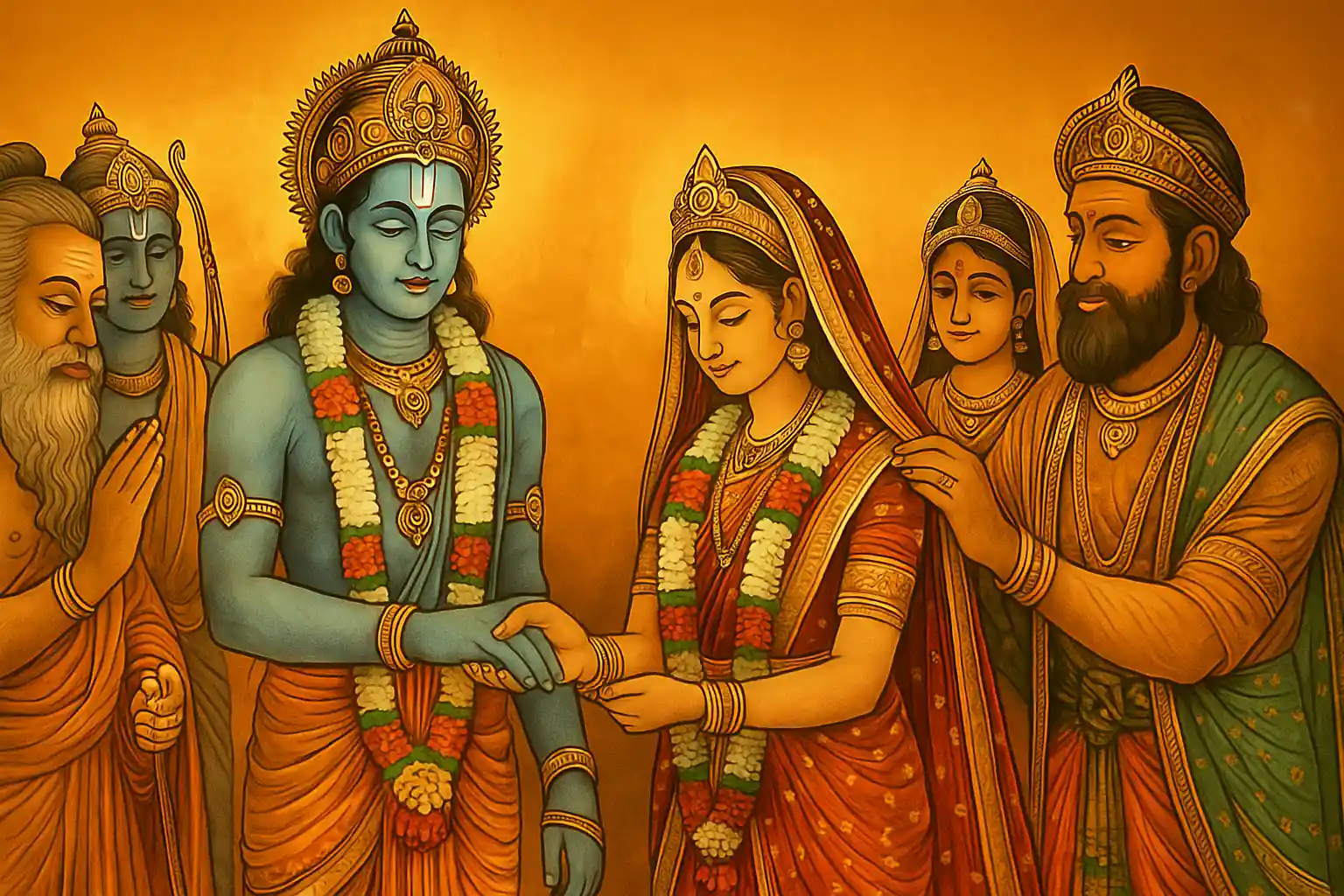

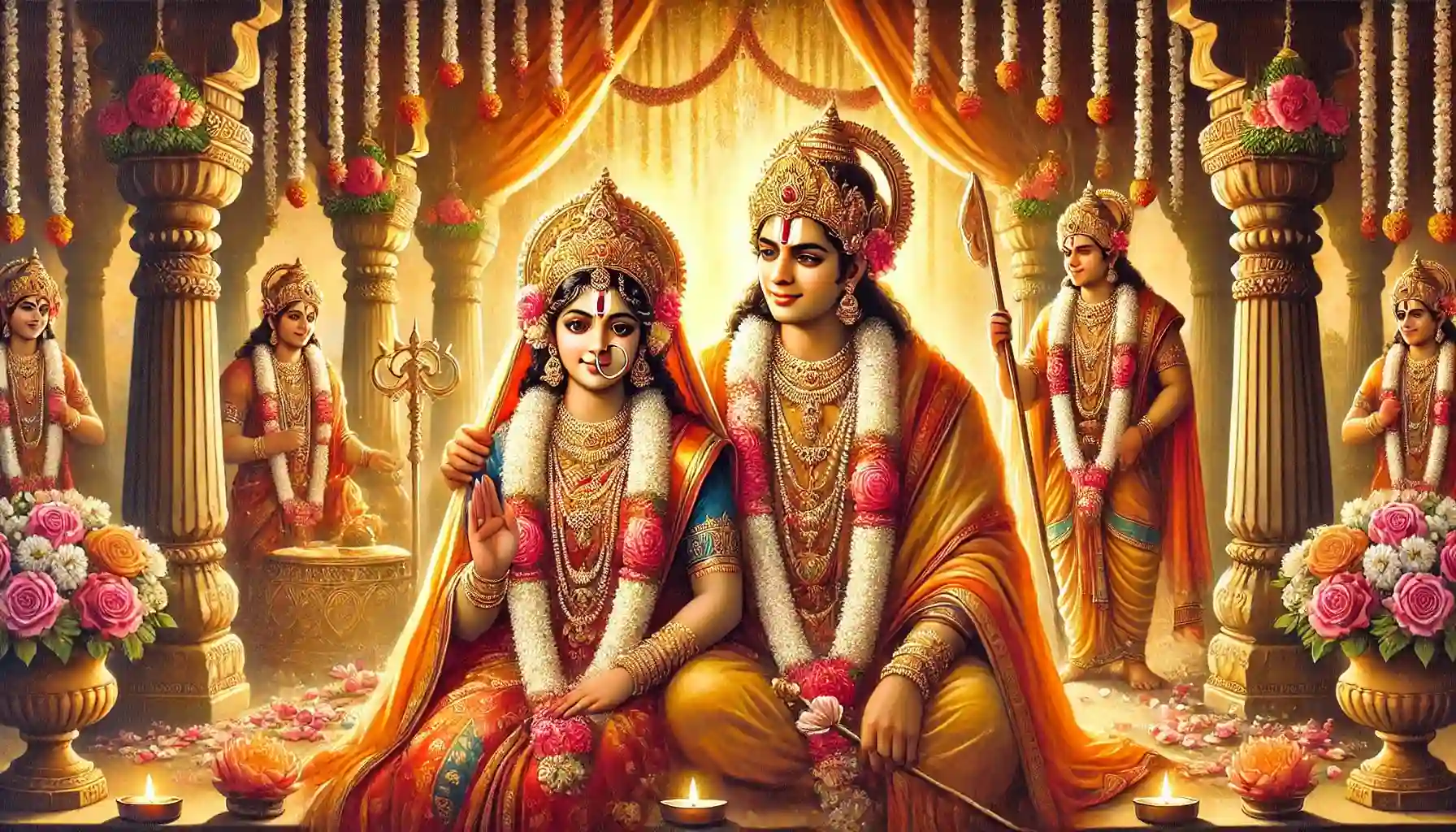
The sacred union of Lord Ram and Sita remains one of the most beloved stories in Hindu mythology. Their marriage symbolizes more than just two souls coming together - it represents the ideal relationship between husband and wife in Hindu culture.
Devotees will celebrate Vivah Panchami, the sacred marriage ceremony of Ram and Sita, on November 25, 2025. This important Hindu festival honors the divine union that occurred on Margashirsha month's fifth day of Shukla Paksha.
The marriage story revolves around a defining moment at the Swayamvar. Lord Rama won Maa Sita's hand by breaking Lord Shiva's Dhanush Baan (bow). Devotees throughout India consider this marriage date sacred and gather at temples to celebrate this divine wedding. Janakpur, the traditional wedding venue, buzzes with week-long celebrations that draw thousands of devotees who seek blessings for their family's harmony.
Let's explore how devotees commemorate this celestial union across India. We'll look at the rich traditions behind these celebrations and understand the spiritual meaning that still moves devotees today. The divine marriage remains the life-blood of Hindu devotion and cultural heritage, celebrated through temple decorations and traditional ceremonies.
The Swayamvar and breaking of Shiva's bow
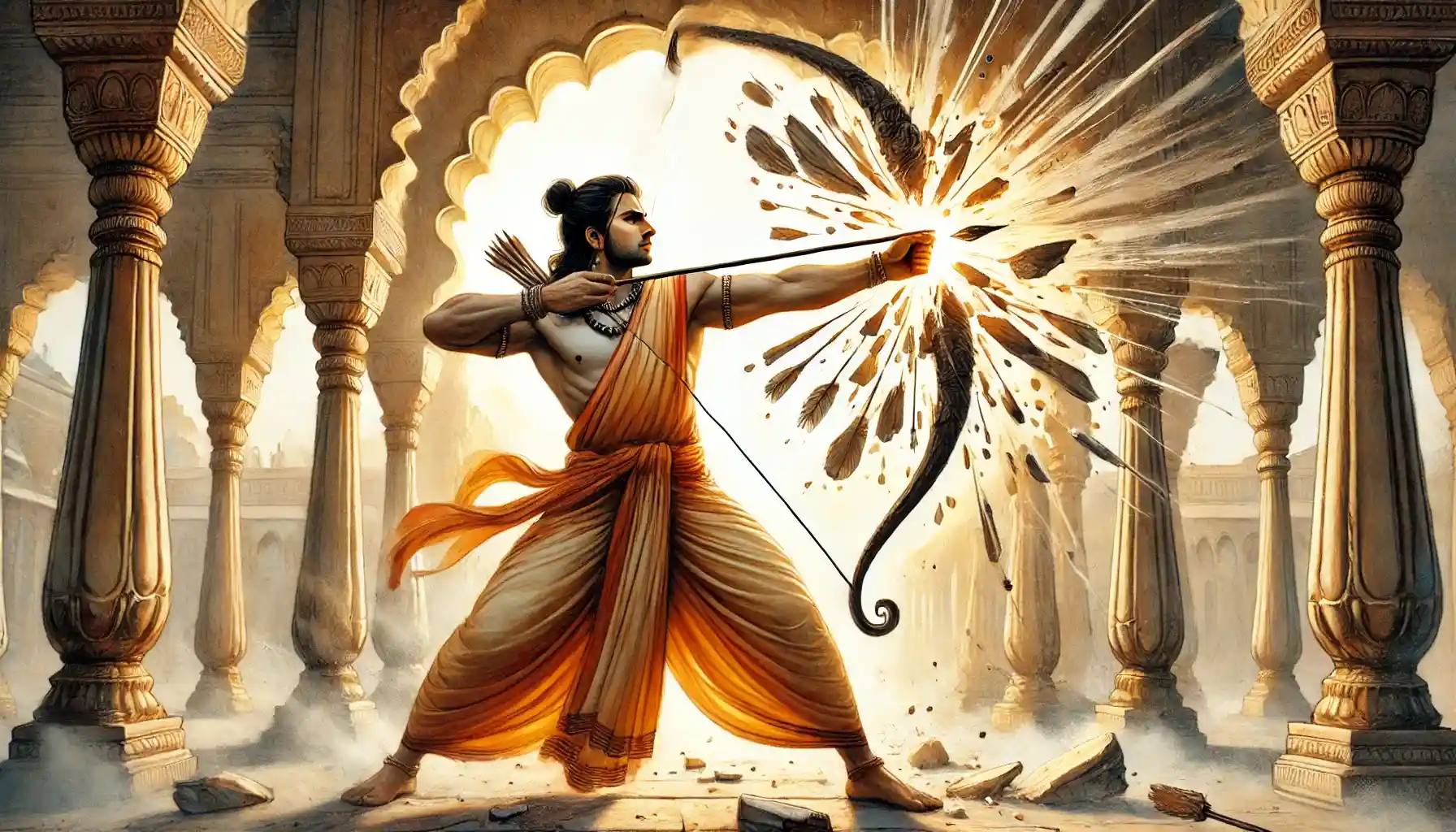
King Janaka of Mithila found baby Sita while plowing a field and raised her as his daughter. Sita grew into a beautiful young woman, and her father organized a Swayamvar - a ceremony where suitors competed to win her hand in marriage.
This was no ordinary contest. King Janaka created an extraordinary challenge: the person who could lift, string, and break Lord Shiva's divine bow (Shiva Dhanush) would marry Princess Sita. This mighty bow, a gift from Lord Shiva, had stayed unmoved for generations.
Strong kings and princes tried the challenge without success. Some couldn't move the massive bow at all, while others barely lifted it before giving up. The royal court grew tense as each suitor faced defeat.
Finally, Lord Ram stepped forward. He showed calm confidence as he lifted the bow with ease and strung it. The ancient bow broke with a thunderous sound that echoed through the kingdom when he tested the string. This act fulfilled King Janaka's condition and showed Ram's divine power to the world.
Message from Mithila to Ayodhya
King Janaka sent messengers to Ayodhya right after Lord Ram's success. They traveled non-stop to tell King Dasharatha about his son's achievement and upcoming marriage.
The news sparked celebrations throughout Ayodhya. King Dasharatha began preparations to travel to Mithila with his queens and royal ministers. Ayodhya's citizens felt overjoyed at the news about their beloved prince.
Royal messengers shared how Lord Ram had achieved what even the mightiest kings could not. They also brought King Janaka's invitation for Ayodhya's entire royal family to attend the ceremony.
This bond between kingdoms led to more happy unions. The royal houses arranged marriages for Ram's three brothers too - Lakshman married Urmila (Sita's sister), Bharat wed Mandavi, and Shatrughna married Shrutakirti (Sita's cousins).
Ram and Sita's marriage story helps us understand the Ramayana better and shows the perfect example of marital devotion in Hindu tradition.
The Journey of the Wedding Procession from Ayodhya
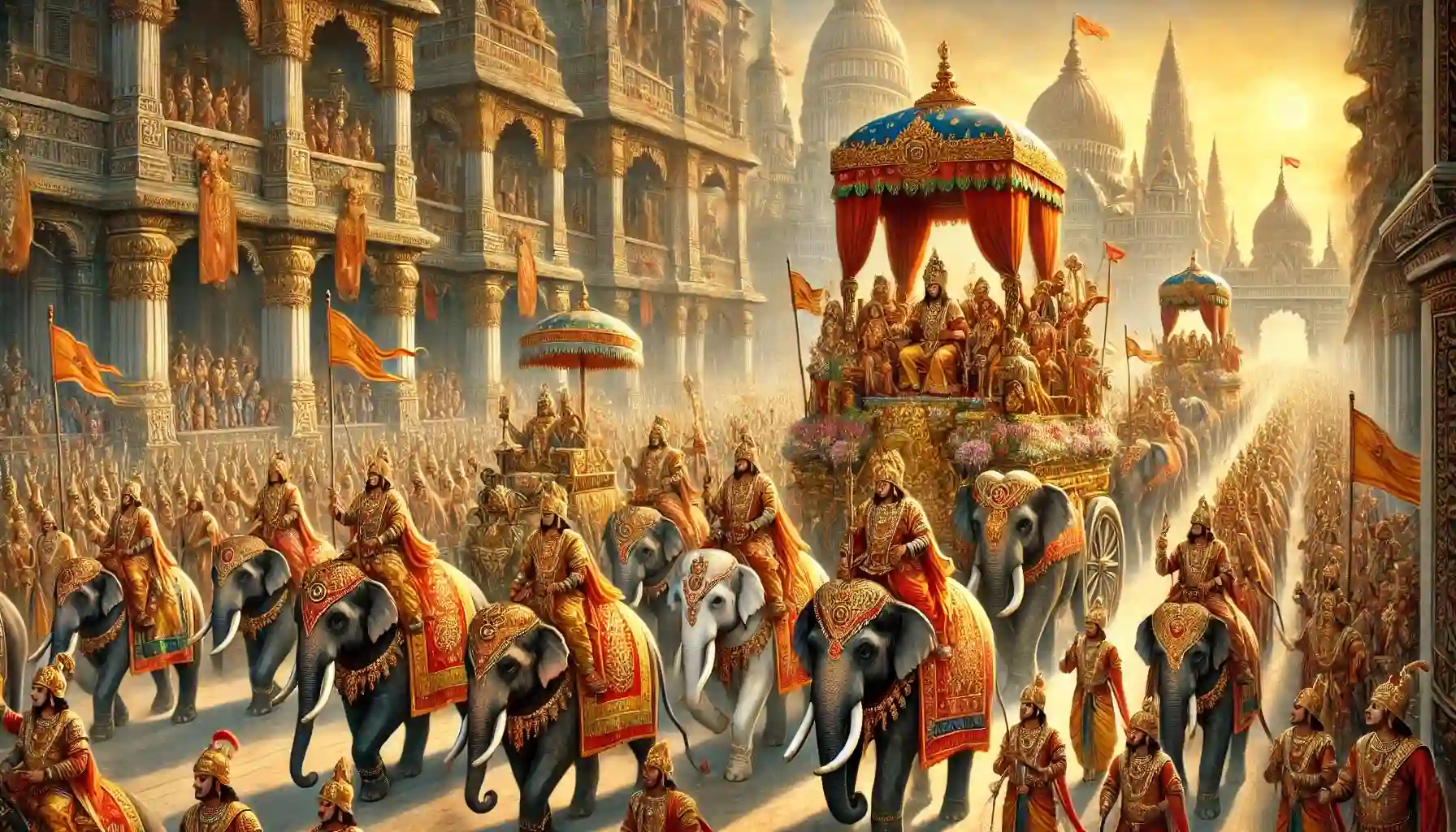
The news of Mithila's wedding invitation filled Ayodhya with joy. Ram and Sita's marriage preparations began with great excitement. This royal wedding procession would become the grandest celebration in the kingdom's history.
Dasharath's preparations and emotions
Fatherly pride filled King Dasharatha's heart as he started the wedding preparations. He performed a special ritual one early morning to bring good fortune before their departure. His generosity showed when he donated a hundred thousand cows to Brahmin priests on behalf of each of his four sons.
The king's generosity extended beyond the priests. He gave away gold and precious gems to thousands of sages who came to witness the wedding. His convoy included trusted sages, ministers, and royal advisors, all arranged with great care.
Arrival of the Royal Procession in Mithila
The journey between the kingdoms turned into a spectacular sight. King Dasharatha led his royal army in a magnificent procession that showcased incredible wealth. The entourage carried precious gems as wedding gifts that highlighted the Ikshvaku dynasty's richness.
People stood amazed at the royal caravan's splendor during their five-day journey. Dhols and shehnais filled the air with festive music. The procession moved slowly as tradition demanded, a custom that lives on today when wedding processions take hours to cover short distances.
Mithila's citizens lined the streets to welcome their distinguished guests from Ayodhya. Everyone wanted to see the royal family whose son had achieved what no other prince could.
Welcoming rituals and family reunions
King Janaka stepped forward to welcome King Dasharatha with royal honors. This meeting symbolized more than protocol; it marked the union of two great dynasties.
The palace welcomed its royal guests with traditional hospitality. Both kings shared heartfelt conversations about their children's wedding.
Both royal families grew closer as the ceremony approached. They exchanged light moments and learned each other's customs. These moments captured the perfect blend of royal dignity and family warmth that marked ancient Indian weddings.
The Divine Wedding Ceremony
Ram and Sita marriage date and place
Hindu tradition places the marriage on the fifth day (Panchami) of the bright fortnight (Shukla Paksha) during Margashirsha month (November-December). Devotees across India celebrate this day, known as Vivah Panchami, with deep devotion.
The wedding took place in Janakpur, ancient Mithila's capital in present-day Nepal. This sacred place draws thousands of devotees who seek blessings for marital harmony and joy.
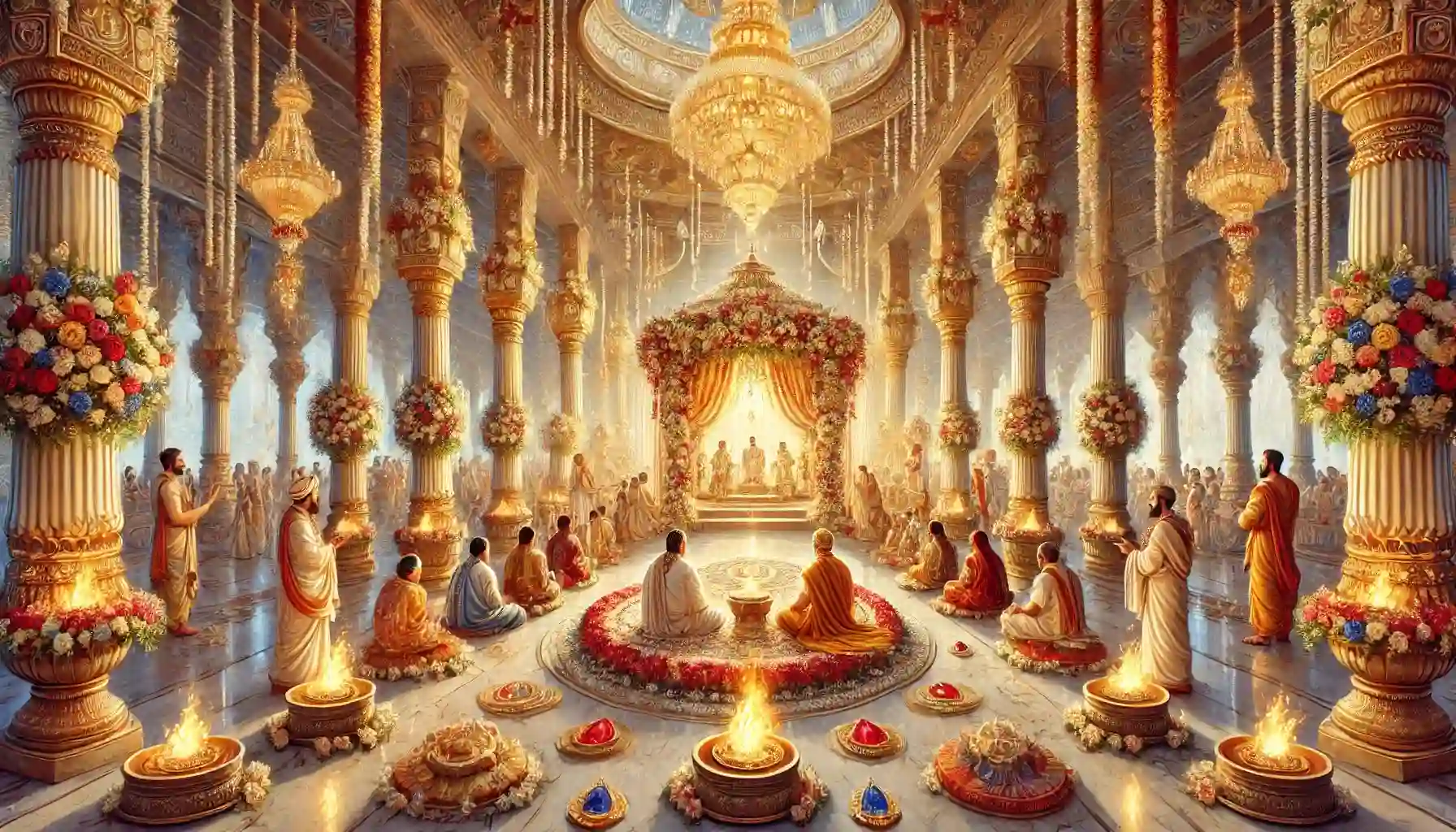
The ceremony followed all Vedic traditions of that time. Beautiful flowers, gems, and precious metals adorned the mandap (wedding altar). Priests chanted powerful Vedic mantras near sacred fires. Both royal families took part in the sacred rituals that blessed this divine union.
The marriage ceremony took place in a magnificent pavilion. Marble walls and gem-studded pillars created an awe-inspiring space while flower garlands decorated every corner of this sacred venue.
Washing of Ram's feet: Three symbolic moments
Ram's feet washing ritual held three profound symbolic dimensions. The bride's family showed respect and honor by acknowledging Ram's divine status and welcoming him into their household. This sacred act symbolized purification and cleansed negative energies to prepare the groom for the ceremony ahead. The ritual embodied humility, a core virtue in Hindu marriage tradition that signifies the commitment to serve each other in married life.
Sita's arrival and her divine beauty
A magical moment unfolded as Sita entered the wedding pavilion. Her divinely arranged bridal jewelry sparkled brilliantly - jeweled pendants, diamond-studded hair pins, and multi-stringed pearl necklaces boosted her natural radiance.
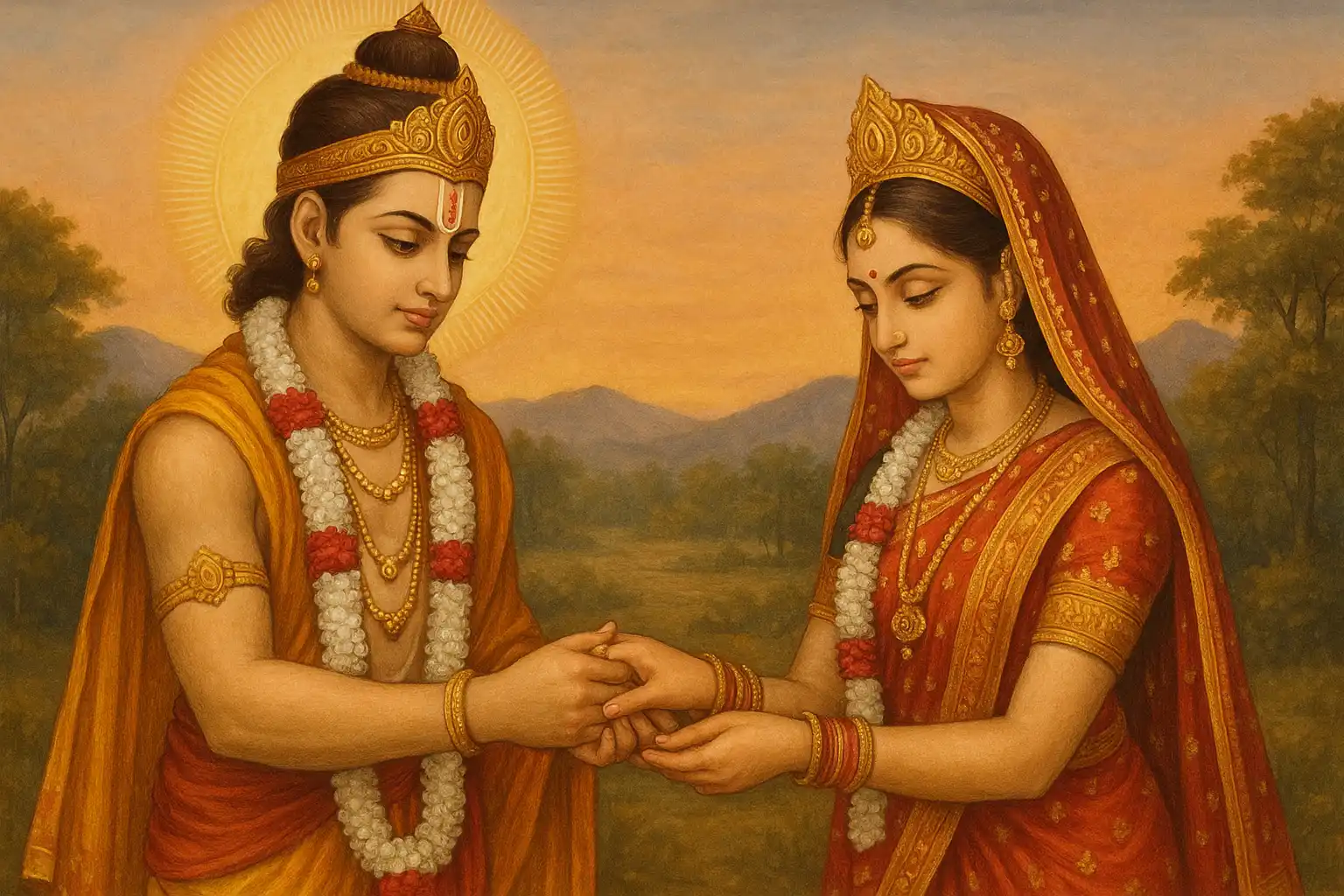
King Janak guided his daughter to Ram's side before the sacred fire. His voice filled with emotion as he declared: "Ram, here is my daughter Sita. She will be your companion in performing sacred duties. Accept her hand in marriage. She is devoted, virtuous, and will always support you like your shadow".
The sacred rituals and mantras
Sage Vashistha, along with Vishwamitra and Shatananda, prepared the marriage altar with great care. The vedi (sacred platform) gleamed with flowers, sandalwood, golden vessels, and ritual items needed for the ceremony.
Priests lit the sacred fire according to tradition and made offerings while chanting Vedic mantras. Elderly Brahmins' melodic hymns echoed through the pavilion, creating a divine atmosphere.
The eternal bond was sealed as Ram and Sita circled the sacred fire.
Other royal weddings: Bharat, Lakshman, Shatrughna
Four divine unions blessed this auspicious day. After Ram and Sita's ceremony, King Janaka blessed each of Ram's brothers:
He turned to Lakshman: "May you be blessed! I give Urmila to you. Please accept her."
His words to Bharat followed: "Raghunandan, accept Mandavi's hand in marriage."
Finally, he blessed Shatrughna: "O mighty one, accept Shrutakirti as your wife".
Vedic traditions guided the four brothers and their brides through the sacred fire rituals. Their union created an unbreakable bond between the royal families that would last generations.
How Devotees Celebrate Vivah Panchami Today
Indians celebrate Vivah Panchami with great enthusiasm today. This festival honors the sacred marriage that became a symbol of marital devotion. Each region adds its unique touch to the celebrations while staying true to the story through rich traditions.
Temple decorations and Ramleela performances
The temples of Ayodhya and Janakpur (Nepal), birthplaces of Lord Ram and Sita, transform into beautiful wedding venues. Sacred spaces shine with gorgeous flower arrangements, oil lamps, and bright lights. Devotees in Uttar Pradesh, Bihar, and Madhya Pradesh carry adorned idols of the divine couple through streets filled with devotional music.
The story comes alive through nationwide dramatic performances. These Ramleela shows bring Sita's Swayamvar and the sacred wedding ceremony to life, letting devotees experience this heavenly union.
Recitation of Ramcharitmanas and Bal Kand
Devotees recite Ramcharitmanas, with special focus on Bal Kand, in homes and temples throughout this blessed day. People believe that hearing "Vivah Prasang" from the Ramcharitmanas brings joy, blessings and creates family harmony.
Many families host special Ram-Sita Vivah Katha recitals at home. They see this practice as highly auspicious to receive divine blessings.
Fasting and Puja Vidhi on the day
Devotees start their day during Brahma Muhurta before dawn. They take purifying baths and wear fresh traditional clothes. Many follow strict fasts to maintain spiritual discipline.
The puja involves placing Ram and Sita's idols on a wooden platform with yellow or red cloth. Devotees offer yellow garments to Lord Ram and red clothes to Sita, along with flowers, fruits, sweets, and incense. Married couples seek marital harmony while unmarried people hope to find ideal partners through these devoted rituals.
Distribution of prasad and community feasts
Devotees share prasad with everyone after the ceremonial wedding. Communities come together for "bhandara" where people share meals. Some regions practice Anna-daan as part of their celebrations.
People avoid traditional marriages on this day because of beliefs about Sita's later hardships during her 14-year exile.
Spiritual Significance and Devotional Insights
The story holds deep spiritual meaning that shapes Hindu beliefs and practices even thousands of years later.
Why marriages are not performed on this day
Traditional families avoid marriages on Vivah Panchami, especially in Mithila and Nepal. Their belief stems from Sita's difficult married life - fourteen years in exile, Ravana's abduction, the Agni Pariksha (trial by fire). She ended up raising her children alone in the forest after abandonment. Many devotees believe wedding ceremonies on this day might bring similar challenges to newly married couples. However, it is important to note that this belief is not supported by the scriptures. Lord Rama's pastimes were divine in nature and are not to be confused with earthly relationships.
Symbolism of divine love and duty
This divine wedding means much more than a historical event - it represents the perfect union of divine and human worlds. Their relationship shows the values needed in an ideal marriage: steadfast loyalty, mutual trust, and shared spiritual growth. Devotees see in Sita's devotion and Ram's righteousness a model that balances love with dharma (duty). Their bond exceeds earthly attachments and reminds couples that human relationships should lead to eternal divine love.
Conclusion
Vivah Panchami has been the life-blood of Hindu tradition through generations. It connects devotees to Ram and Sita's eternal love story. Their union exceeds time itself and gives spiritual wisdom to families looking for harmony in their relationships.
Devotees recreate precious moments each year through celebrations that include the breaking of Shiva's bow, the grand procession from Ayodhya to Mithila, and the sacred wedding rituals. Without doubt, these traditions remind us powerfully of the values this divine couple lived by - steadfast dedication, mutual respect, and righteous conduct.
Devotees gather at temples in India to watch the divine wedding through colorful Ramleela performances. Families also participate in Ramcharitmanas recitations, especially the Bal Kand. They believe these sacred texts bring divine blessings to their homes.
Ram and Sita's marriage holds meaning way beyond the reach and influence of just being a historical tale. Their story shows the perfect balance between love and duty that gives spiritual lessons to married couples seeking harmony and those hoping to find ideal partners. Their bond shows how earthly relationships can mirror divine connections built on shared values and spiritual growth.
This celestial wedding brings devotees together yearly as part of a living tradition that has kept Hindu culture alive for thousands of years. Ram and Sita's story lives on not just as an ancient text but as a vibrant force in millions of people's spiritual lives. It offers timeless wisdom about life's most sacred bonds.
Key Takeaways
Discover how the divine marriage of Lord Ram and Sita continues to inspire millions through vibrant celebrations and timeless spiritual wisdom across India.
• Vivah Panchami celebrates Ram breaking Shiva's bow to win Sita's hand, symbolizing divine power overcoming impossible challenges.
• Devotees recreate the celestial wedding through temple decorations, Ramleela performances, and recitations of sacred texts like Ramcharitmanas.
• The divine union represents perfect balance between love and duty, offering spiritual guidance for marital harmony and family peace.
This sacred celebration demonstrates how ancient wisdom continues to guide modern relationships, connecting devotees to eternal values of devotion, righteousness, and spiritual growth through the timeless love story of Ram and Sita.
FAQs
Q1. What is Vivah Panchami and how is it celebrated?
Vivah Panchami is a Hindu festival commemorating the divine marriage of Lord Ram and Sita. It is celebrated with special pujas, temple decorations, Ramleela performances, and recitations of sacred texts like Ramcharitmanas. Devotees often fast and participate in community feasts.
Q2. Why are traditional marriages not performed on Vivah Panchami?
Despite being an auspicious day, many people avoid scheduling weddings on Vivah Panchami. This is due to a false belief that Sita faced numerous hardships in her married life, including exile and separation. So, they will also face the similar problems in their married life. Some fear that marrying on this day might invite similar challenges, although this belief is not supported by the scriptures.
Q3. What is the spiritual significance of Ram and Sita's marriage?
The union of Ram and Sita symbolizes the perfect balance between divine love and duty. It serves as a model for ideal marital relationships, emphasizing values such as unwavering loyalty, mutual trust, and shared spiritual growth. Their story offers guidance for both married and unmarried individuals seeking harmony in relationships.
Q4. What are some key events in the Ram and Sita marriage story?
The story includes Lord Ram breaking Shiva's bow during Sita's swayamvar, the grand procession from Ayodhya to Mithila, and the sacred wedding ceremony. These events are often reenacted through Ramleela performances and are central to Vivah Panchami celebrations across India.
Call to Action:
Experience the eternal love of Lord Ram and Sita through Swami Mukundananda's divine discourses:
Further Reading:
 JKYog Team
 JKYog Team
 JKYog Team