

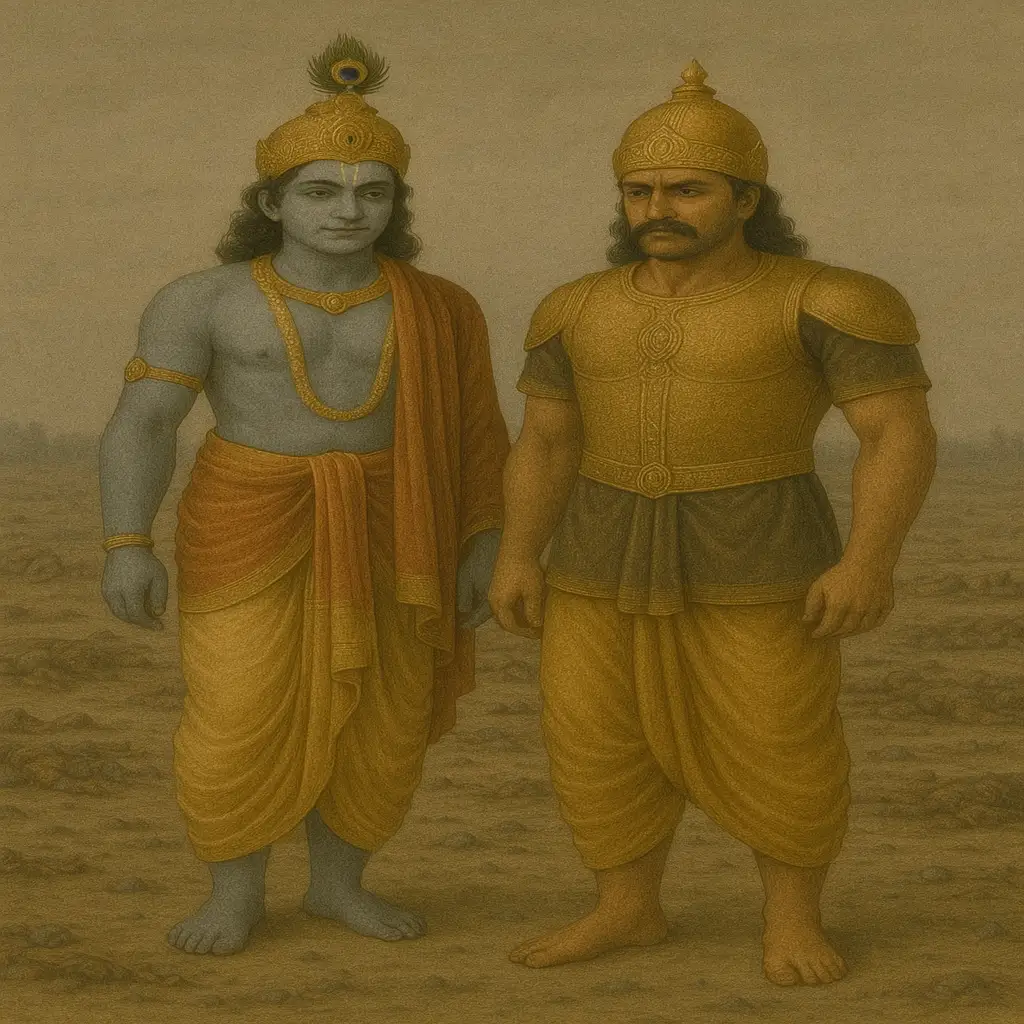
The Mahabharat War, one of the greatest epics in Indian history, did not merely end with the victory of the Pandavas. What unfolded afterward carries deep philosophical, spiritual, and emotional significance, especially as elaborated in the Srimad Bhagavatam. In Part 3 of his Bhagavatam lecture series, Swami Mukundananda delves into these profound events, bringing to life the mystical stories of Shukadev, Ved Vyas, Parikshit Maharaj, and the divine intervention of Shree Krishna.
In this post, we’ll explore the untold aftermath of the Mahabharat war, focusing on:
- The divine story of Shukadev Ji
- The emergence of Parikshit Maharaj
- The significance of forgiveness and spiritual wisdom
- The mystical power of Shree Krishna’s presence even after the war
- Why this part of the Bhagavatam is a must-watch for spiritual seekers
👉 Watch the full video on YouTube:
📺 Bhagavatam Series - Chapter 3 by Swami Mukundananda
Shukadev: The Paramahamsa Who Transcended Birth
After composing the Mahabharat, Ved Vyas yearned to share its spiritual essence with the world. But who could be the perfect messenger? His thoughts turned to his own son, Shukadev, a being of extraordinary wisdom even before his birth.
Shukadev stayed in his mother’s womb for 12 years, fearing that once he emerged into the material world, Maya (illusion) would engulf him. Even from within the womb, he corrected his father’s Vedic chants, astonishing Ved Vyas with his knowledge.
It took Narada Muni’s intervention to convince Shukadev to take birth. Once he did, he immediately attained the body of a young ascetic and left for the forest, detached from all worldly ties.
A Story to Illustrate Detachment
On his journey, Shukadev passed bathing women, who remained unperturbed by his presence. Yet when Ved Vyas followed, they quickly covered themselves. Perplexed, Vyas asked why. They replied:
“Your son is a Paramahamsa. His eyes see no duality. He views trees, rocks, and people as the same – as Brahman. But your gaze showed judgment, and that made us self-aware.”
Such stories illustrate the profound detachment and divine state of Shukadev – qualities that made him the perfect speaker of the Srimad Bhagavatam.
How Shukadev Was Drawn Back to the World
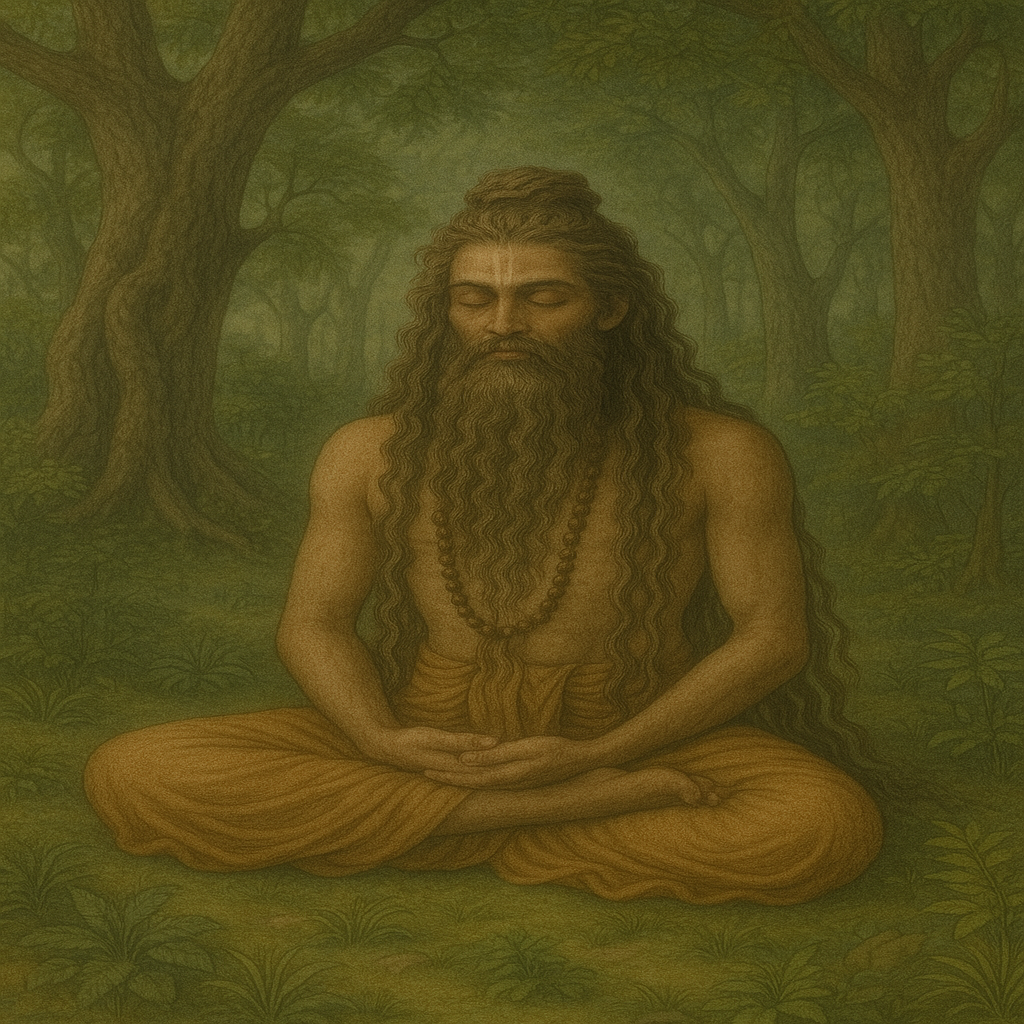
In his Nirvikalp Samadhi, Shukadev remained unmoved, even when young disciples tried to break his trance. But it was a single verse from the 10th Canto of the Srimad Bhagavatam that pulled him out:
"When Krishna returned from the forest at dusk, dust from the cows adorning his dark form, flute on his lips, and his peacock crown fluttering..."
Hearing this description of Shree Krishna, Shukadev was mesmerized. The impersonal Brahman he meditated on had now taken a form full of rasa (divine nectar).
This moment marked his return to Ved Vyas, where he absorbed the entire Bhagavatam – a monumental scripture celebrating Shree Krishna’s divine play (leelas), teachings, and the path to liberation.
Enter Parikshit: The Listener of the Srimad Bhagavatam
A scripture is only as effective as its listener. Just as Shree Krishna adjusted the teachings of the Bhagavad Gita for Arjun, Shukadev required a listener of high spiritual maturity.
That listener was King Parikshit, the grandson of Arjun and son of Abhimanyu. But how did Parikshit survive the brutal war and become so spiritually attuned?
Ashwatthama’s Sin and Shree Krishna’s Divine Protection
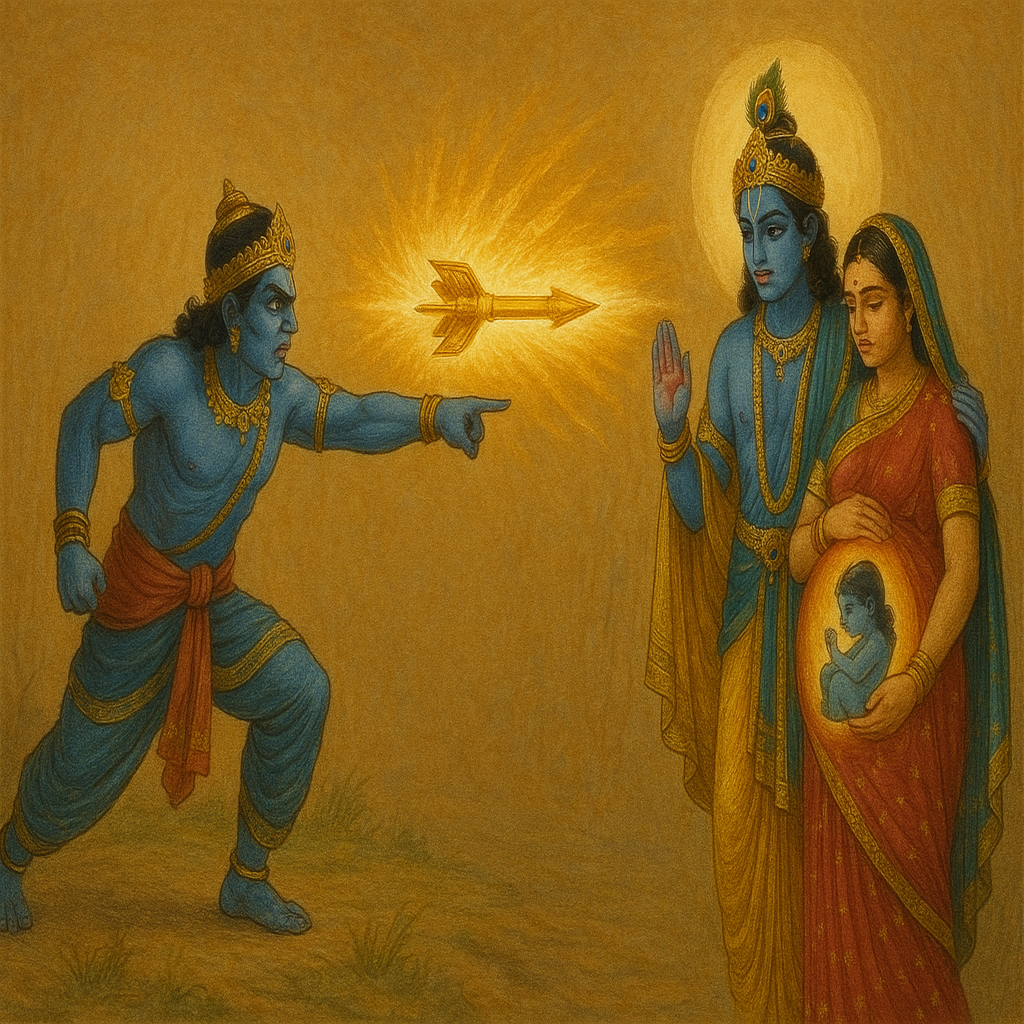
After the war, Ashwatthama, in a desperate attempt to please Duryodhana, killed the sleeping sons of the Pandavas, mistaking them for the Pandavas themselves. Even Duryodhana was disgusted by this heinous act.
When confronted, Ashwatthama tried to escape justice by unleashing the Brahmastra (a nuclear-like weapon) toward the womb of Uttara, who carried Abhimanyu’s son, the unborn Parikshit.
But Shree Krishna intervened.
He entered Uttara’s womb, neutralized the Brahmastra, and blessed Parikshit, giving him a glimpse of the divine.
This miraculous act made Parikshit not only a survivor but also a spiritually evolved soul from birth.
The Supreme Lesson in Forgiveness
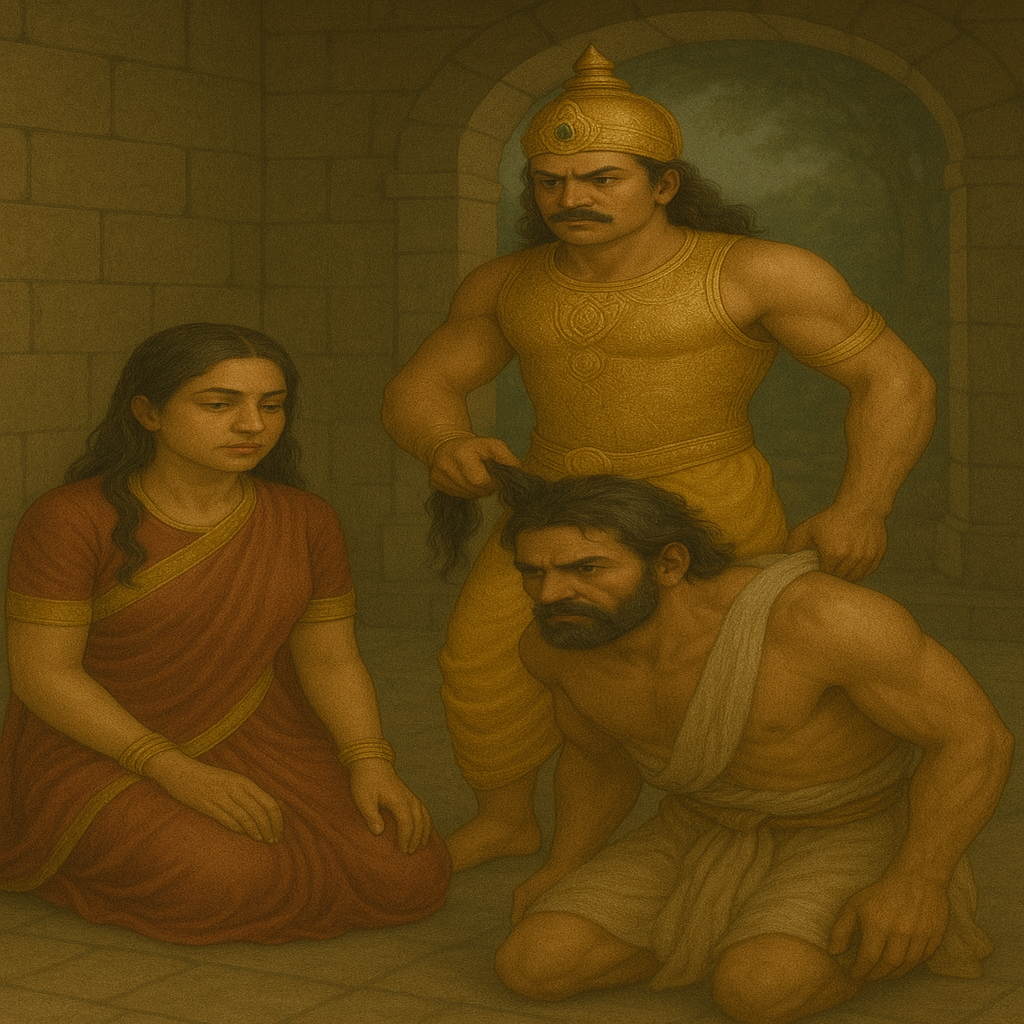
One of the most heart-wrenching yet elevating moments comes when Arjun captures Ashwatthama and brings him before Draupadi, the mother of the slain children.
Filled with grief, she still utters:
“Don’t kill him. I know the pain of losing a child. Why should his mother suffer the same?”
Even Shree Krishna, when consulted, offers a balanced perspective – recognizing the sin but also respecting the dignity of Brahmanhood.
Arjun finds a middle path: he humiliates Ashwatthama by removing his jewel and sacred tuft but spares his life.
This tale echoes the value of compassion, even when justice demands retribution – a lesson deeply relevant today.
Kunti’s Prayer: A Devotee’s Astonishing Request
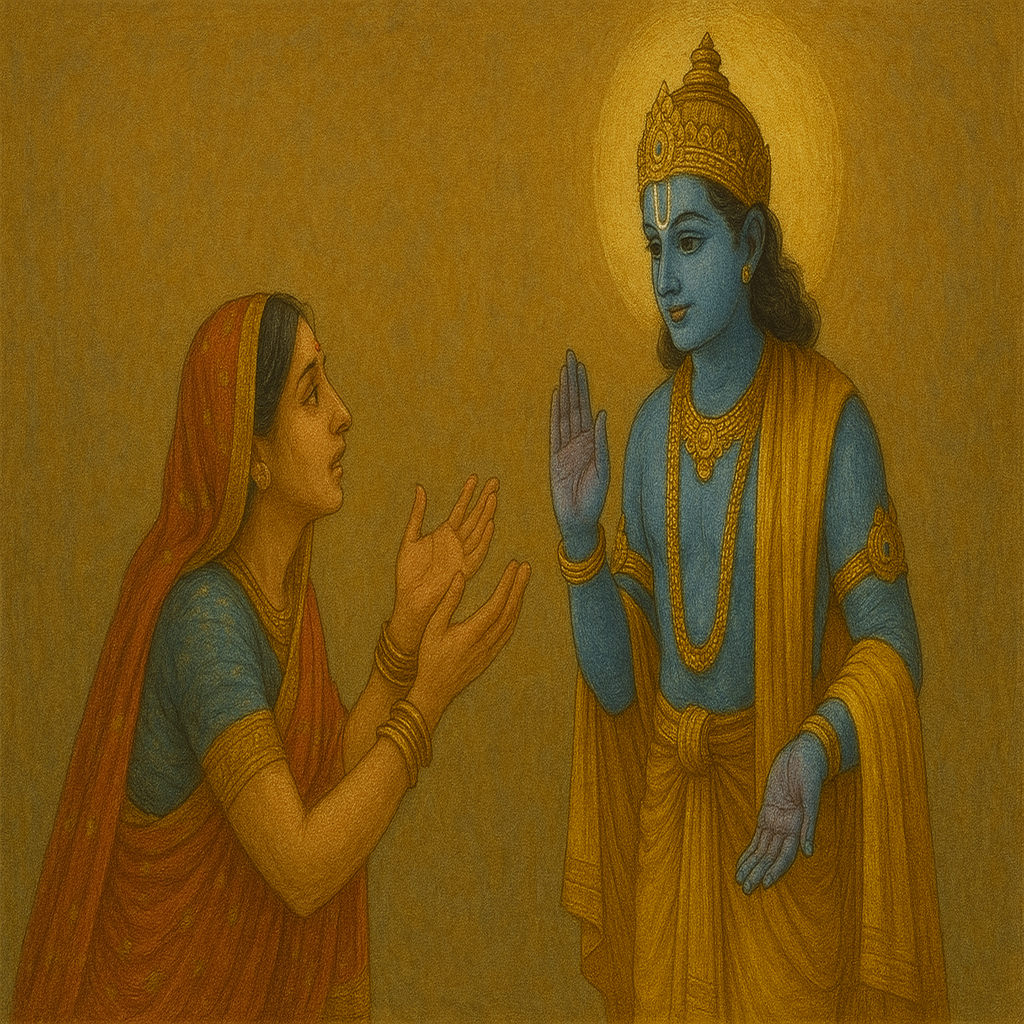
As Shree Krishna prepared to return to Dwarka, Kunti Devi, the mother of the Pandavas, offered a surprising prayer:
“O Krishna, please give me more calamities.”
Why? Because in hardship, her mind remained anchored in God. In comfort, she feared forgetfulness.
Such vairagya (detachment) and bhakti (devotion) are rare even among saints – showcasing why the Bhagavatam calls Kunti one of the wisest devotees.
Why This Episode Is a Spiritual Treasure
The stories shared in this part of the Bhagavatam are not just divine tales; they are living teachings on:
- Renunciation (as exemplified by Shukadev)
- The soul's journey beyond the physical body (illustrated in womb-protection of Parikshit)
- Forgiveness over vengeance (seen in Draupadi’s compassion)
- Bhakti as the highest path (echoed in Kunti’s prayer)
Swami Mukundananda weaves these stories with powerful insights, helping listeners connect ancient wisdom to modern life.
🙏 Subscribe to Swami Mukundananda’s YouTube Channel
If you found these teachings enlightening, don't miss the full lecture and many others in this profound series.
🔥 Click here to watch Bhagavatam Series – Chapter 3
📌 And make sure to subscribe to Swami Mukundananda’s official YouTube channel for spiritual wisdom that transforms lives.
👉 Subscribe now: YouTube Channel - Swami Mukundananda
Frequently Asked Questions (FAQs)
❓ What happened after the Mahabharata war?
After the war, most warriors were dead. The Pandavas ruled Hastinapur, but personal tragedies and spiritual awakenings unfolded. Events like Ashwatthama's attack, Parikshit’s divine protection, and Kunti’s prayer are key post-war episodes explained in the Bhagavatam.
❓ Who is Shukadev, and why is he important?
Shukadev is the son of Ved Vyasa and the speaker of the Srimad Bhagavatam. Known for his supreme renunciation and spiritual enlightenment, he was chosen to deliver the divine scripture to King Parikshit.
❓ Why is Parikshit Maharaj significant in the Bhagavatam?
Parikshit, the grandson of Arjuna, was saved by Krishna while in his mother’s womb. Later, knowing he had only seven days to live, he renounced his kingdom to listen to the Srimad Bhagavatam from Shukadev – becoming an ideal listener for divine knowledge.
❓ What is the main teaching of this part of the Bhagavatam?
This chapter emphasizes divine protection, true detachment, the power of forgiveness, and the supremacy of Bhakti Yoga. It also sets the stage for the Srimad Bhagavatam’s deeper teachings through Parikshit’s and Shukadev’s dialogue.
❓ Where can I watch Swami Mukundananda’s Bhagavatam series?
You can watch the Bhagavatam series, including Chapter 3, on his official YouTube channel.
📺 Watch Chapter 3 Now
🔔 Subscribe to the Channel
Final Thoughts: Why You Should Watch This Episode
In a world grappling with chaos, loss, and confusion, the stories after the Mahabharata war provide timeless wisdom and deep solace. Swami Mukundananda, through his vibrant narration and insightful commentary, brings these teachings to life.
Whether you are a spiritual seeker, a history lover, or simply someone looking for inner peace, this episode of the Bhagavatam will resonate with you.
👉 Don’t just read—immerse yourself in the divine narrative.