
Diwali, the festival of lights, symbolizes the victory of inner light over spiritual darkness. While it is most commonly linked to Lord Ram’s return to Ayodhya, its deeper essence reflects various divine journeys that awaken the soul. One such journey is found in the Srimad Bhagavatam, which recounts Shree Krishna’s departure from Vrindavan and his arrival in Mathura—a transition rich in spiritual insight and emotional resonance.
This blog delves into three key moments from Shree Krishna’s journey to Mathura, unveiling their deeper meaning in the light of Diwali. These include the heartfelt separation of the Gopis, Akroor’s inner awakening, the redemption of Kubja, and the restoration of dharma in Mathura. Each episode offers enduring lessons in love, surrender, karma, and divine grace. Through Shree Krishna’s path, we are reminded that Diwali is not merely an external celebration, but an invitation to ignite the light of spiritual wisdom within.
The Sorrow of the Gopis and Akroor’s Realization
As Shree Krishna prepared to leave for Mathura, the Gopis found themselves engulfed in grief. Their hearts bore the weight of separation from the one they loved most. Yet, despite their sorrow, they chose not to delay the journey. Their love for Shree Krishna was selfless and unconditional, expressing itself in sacrifice rather than possession.
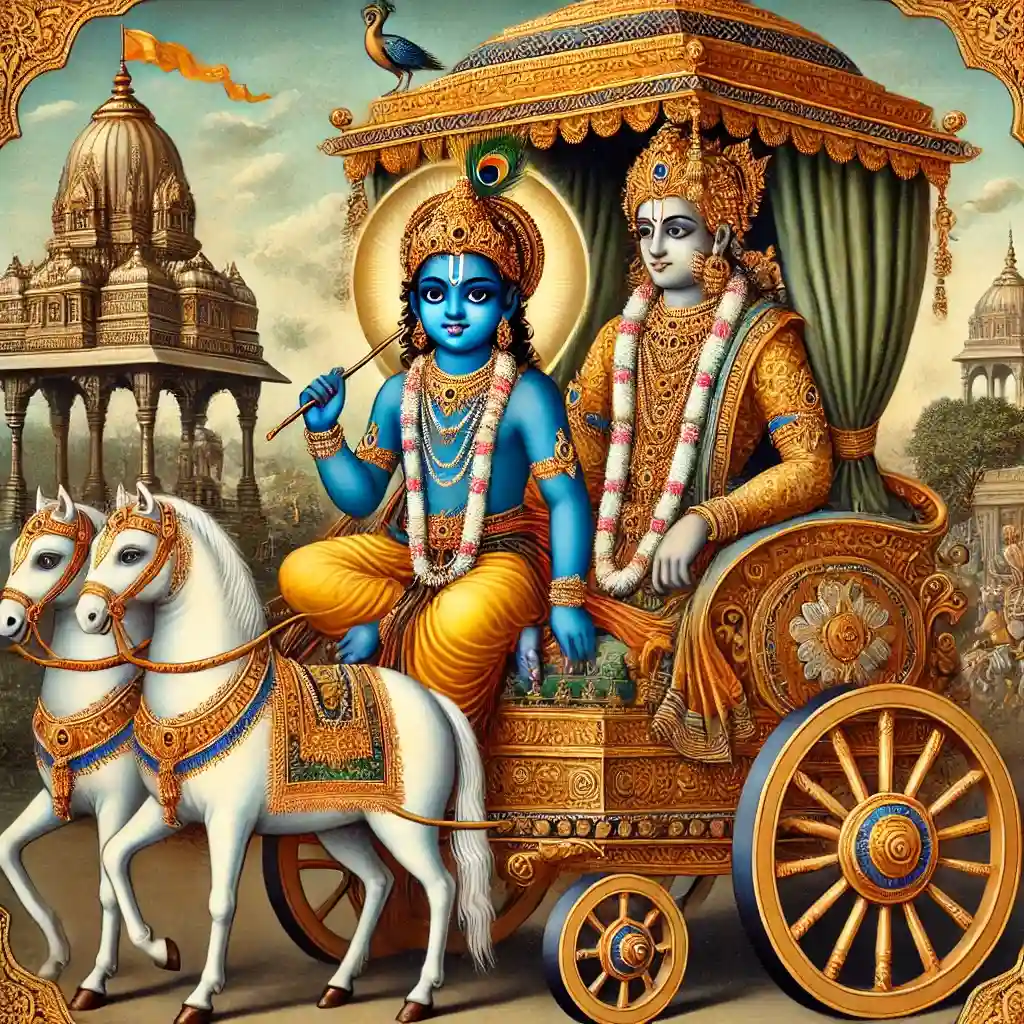
Akroor, the royal messenger who had come to escort Shree Krishna and Lord Balram, began to feel the sting of guilt. Though his name meant “not cruel,” he felt he was committing a cruel act by taking Shree Krishna away from the Brajwasis. Emotionally burdened, Akroor questioned his role in this separation. As the chariot neared the Yamuna River at what is now called Akroor Ghat, Shree Krishna asked him to fetch some water.
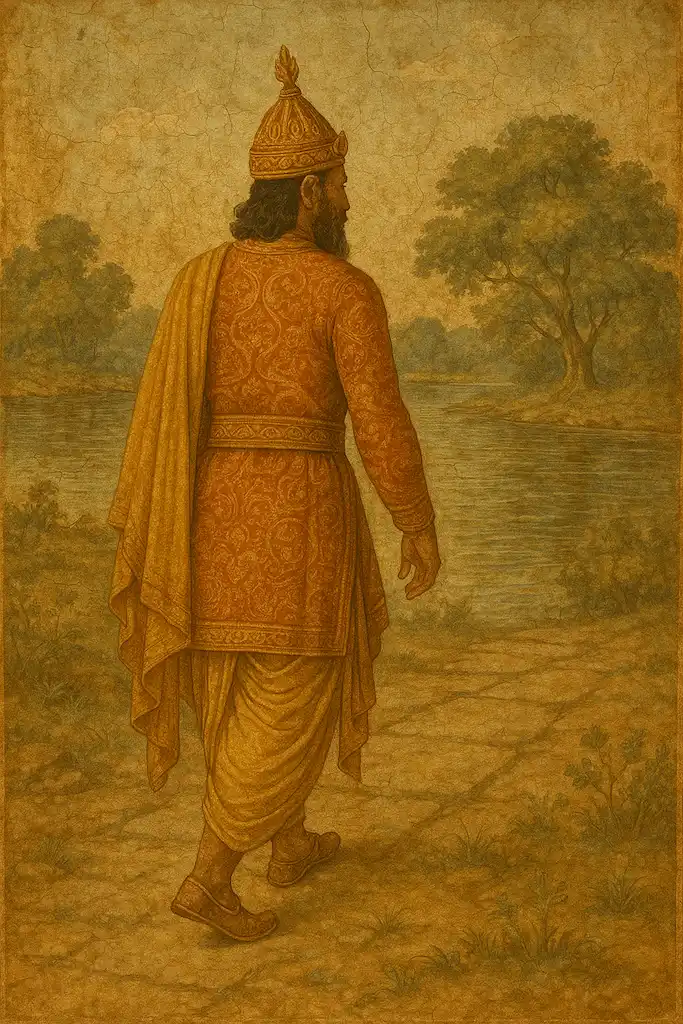
While taking a dip in the sacred river, Akroor was blessed with a divine vision. Beneath the water, he saw Shree Krishna and Lord Balram seated majestically on the celestial serpent, Anant Shesh. Startled, he surfaced, only to see them still on the chariot. He submerged again, and the divine vision persisted.
This profound experience dissolved his guilt. He realized that Shree Krishna was not bound by worldly circumstances. God was orchestrating His own leela (divine pastime), and Akroor was merely a participant, playing his destined role.
Lessons
- Selfless love transcends attachment and pain.
- God reveals Himself when the heart is sincere and troubled.
- Divine will operates through individuals, making them instruments rather than doers.
Shree Krishna’s Arrival in Mathura and Divine Assertion
Upon reaching the outskirts of Mathura, Shree Krishna, Lord Balram, and their companions, coming from the simplicity of village life, were struck by the grandeur of the city. Curious and eager, they sought permission from Nanda Baba to explore their new surroundings.
Once in the city, Shree Krishna and his cowherd friends realized their attire did not suit the urban environment. They encountered a washerman who served the palace of King Kansa and carried a bundle of royal garments. Shree Krishna requested some of the clothes, but the washerman refused arrogantly, believing the garments were too royal for villagers. This washerman, in his previous birth, had played a role in the exile of Sita during the avatar of Shree Ram by questioning her purity.
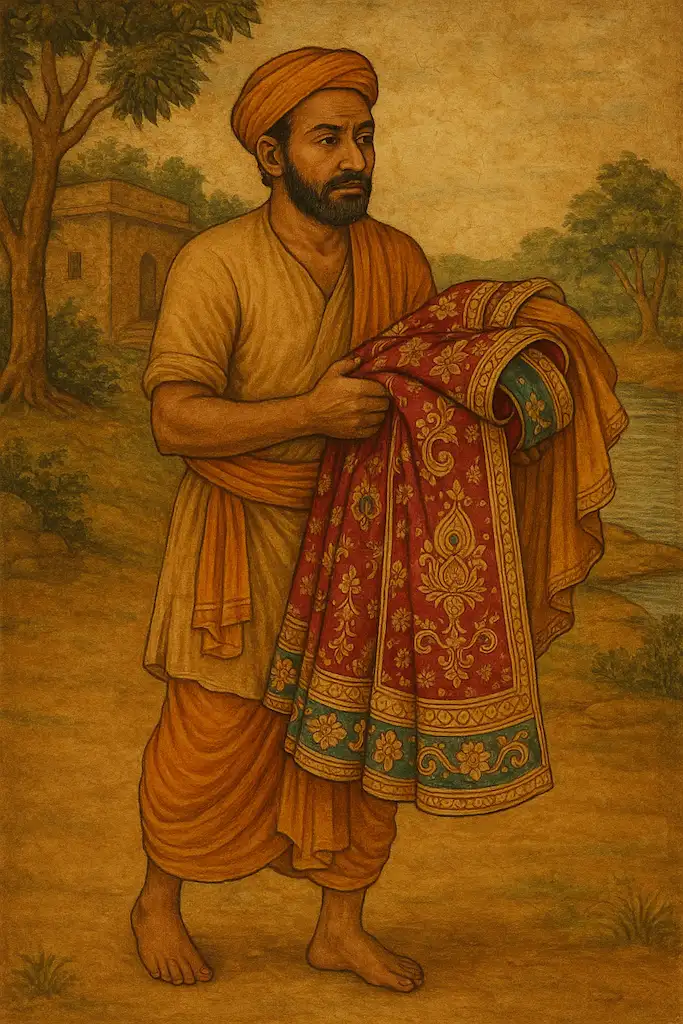
In divine retribution and fulfillment of karmic justice, Shree Krishna ended the washerman's life with a single strike. The cowherd boys then adorned themselves in the fine clothing and began exploring the city. Their presence, now regal and confident, caught the attention of the citizens of Mathura.
Some traders and townspeople, witnessing Shree Krishna’s strength and charisma, began to sense his potential to challenge the current regime. They saw it as wise to befriend him. Meanwhile, the women of Mathura, captivated by Shree Krishna’s beauty and divine aura, felt a strong spiritual attraction to him.
This entry into Mathura marked the beginning of divine change, not only in terms of political power but in the spiritual energy of the city itself.
Lessons
- God ensures karmic balance across lifetimes.
- Divine power is expressed both through justice and grace.
- Spiritual radiance naturally attracts both love and reverence.
The Redemption of Kubja
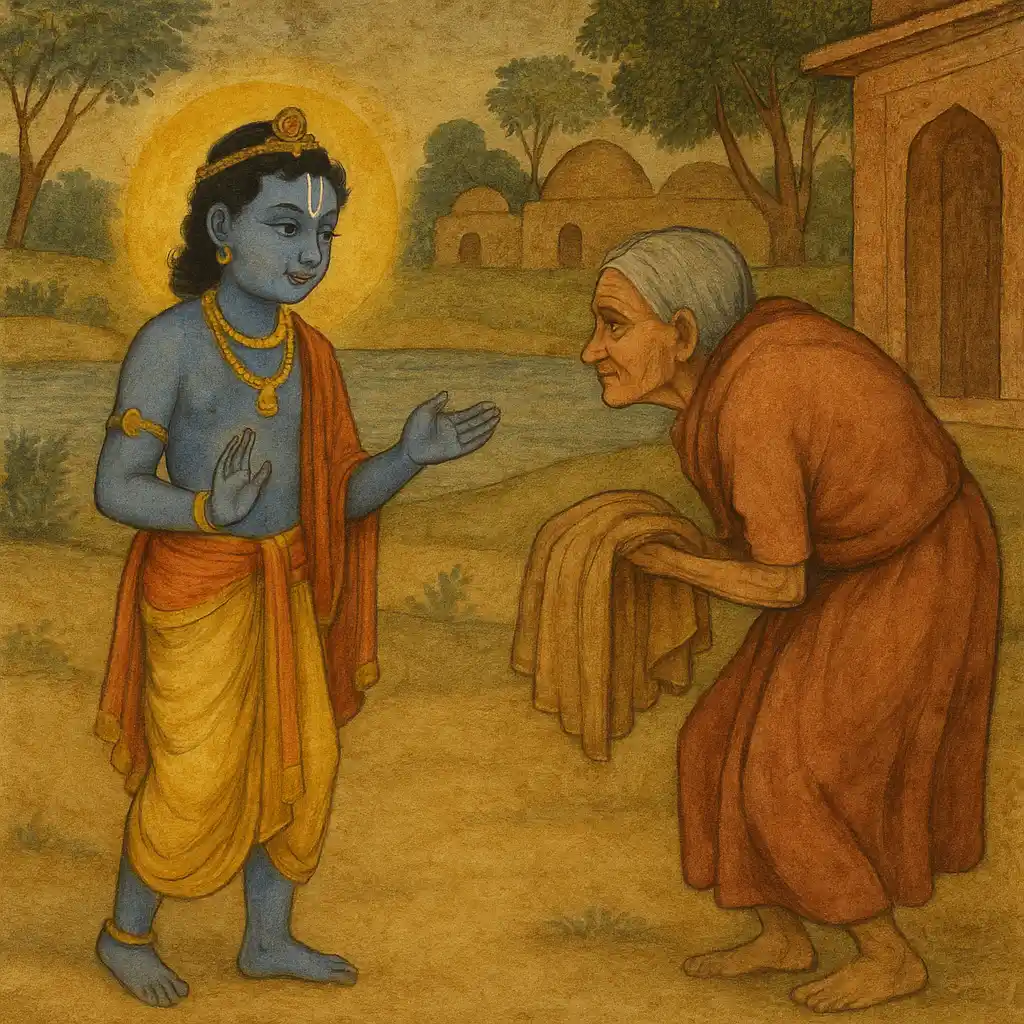
While walking through the streets of Mathura, Shree Krishna noticed a woman with a hunched back carrying sandalwood paste. Her name was Kubja. Though her appearance was considered unattractive by worldly standards, Shree Krishna saw something deeper within her.
Kubja had spent her days grinding sandalwood and applying it to King Kansa, who valued the scent highly. She had resigned herself to a life of servitude and neglect, never experiencing affection or admiration. When Shree Krishna addressed her with kindness and love, she was taken aback. No one had seen her inner beauty before.
Unknown to many, Kubja was the reincarnation of Surpanakha, the sister of Ravan. During Shree Ram's avatar, Surpanakha had approached Shree Ram with a blend of worldly desire and spiritual longing. Shree Ram, bound by the principles of that incarnation, rejected her. Now, as Shree Krishna — the embodiment of divine play and grace — he chose to redeem her.
Kubja willingly offered Shree Krishna the sandalwood paste. Moved by her sincerity and devotion, Shree Krishna placed His feet on her toes and gently lifted her chin. Instantly, her body transformed. The crookedness disappeared, and she stood tall and radiant, as beautiful as Lakshmi herself. Shree Krishna awakened not only her physical form but also her inner dignity.
Kubja invited Shree Krishna to her home. Though he promised to come later, the transformation had already occurred — she had been uplifted by divine love.
Lessons
- God sees the soul, not the external form.
- Previous lives and karmas shape present interactions with the Divine.
- Grace does not require perfection, only sincerity.
Conclusion
The journey of Shree Krishna from Vrindavan to Mathura is a divine event that mirrors the journey of every soul — from innocence to realization, from emotional bondage to spiritual freedom. These stories from the Srimad Bhagavatam contain the essence of Diwali’s inner light. While Diwali celebrates the return of divine presence to Ayodhya, Shree Krishna’s journey reminds devotees that God is always present — guiding, transforming, and illuminating lives in unexpected ways.
The Gopis’ unwavering devotion, Akroor’s internal conflict, the assertion of dharma in Mathura, and the redemption of Kubja all point to the same truth: Divine light dispels inner darkness. This is the true meaning of Diwali — not just lighting lamps outside, but also within.
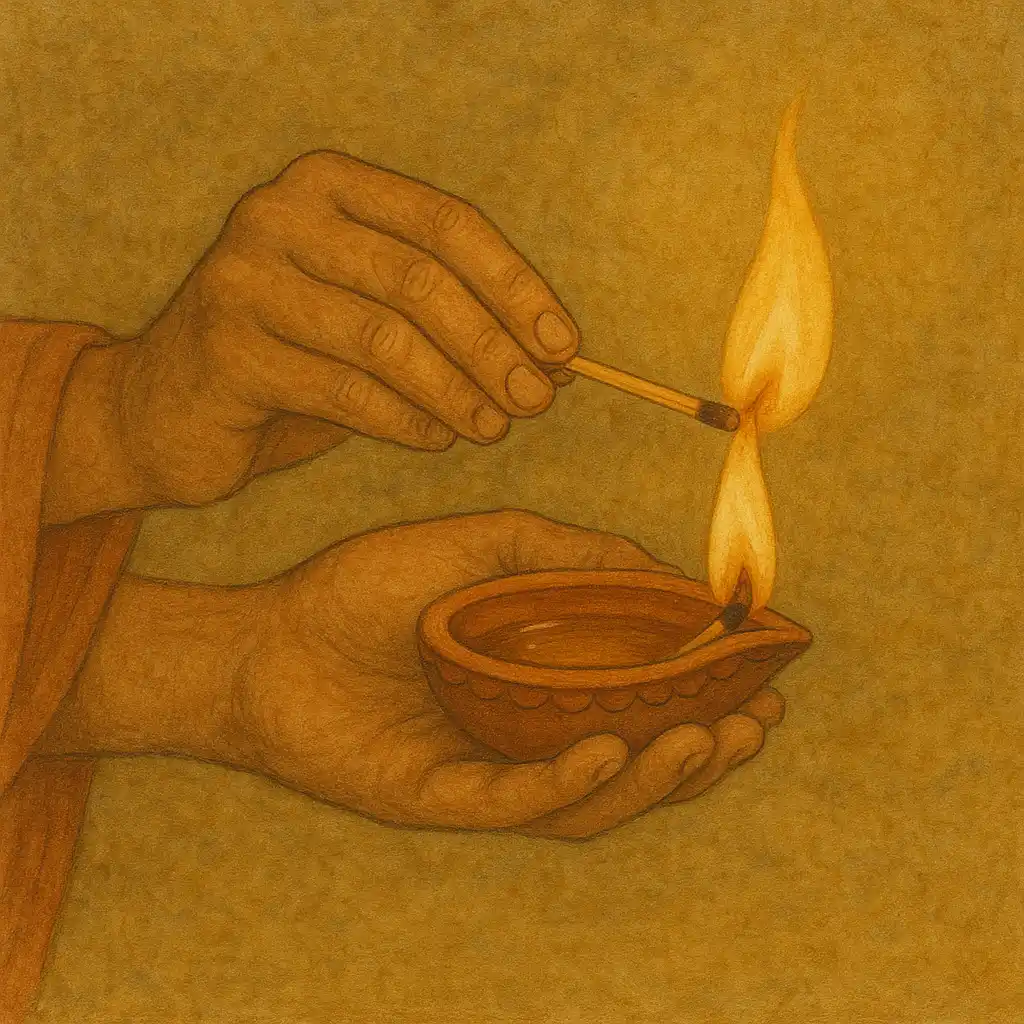
As devotees light diyas this Diwali, they are called not only to celebrate but also to reflect, not just to rejoice but to surrender, and not only to decorate their homes but to purify their hearts. In remembering Shree Krishna’s journey, one remembers the eternal journey of the soul toward divine union.
Call to Action
- Immerse yourself in the divine pastimes of Shree Krishna and transform your spiritual journey by listening to Swami Mukundananda's Srimad Bhagavatam sessions on YouTube.
- Join the Diwali Mahotsav 2025 at the Radha Krishna Temple of Dallas, happening from October 17th to November 21st, 2025, for a week filled with devotion, cultural festivities, and spiritual light. Register now to light a diya, offer your seva, and celebrate with joy and grace!
Frequently Asked Questions (FAQs)
1. What is the spiritual connection between Shree Krishna’s journey to Mathura and Diwali?
Diwali symbolizes the return of divine light. Shree Krishna’s journey reflects the soul’s transition from emotional attachment to divine purpose. Both stories highlight the triumph of dharma and the illumination of consciousness.
2. Why did Akroor feel conflicted despite serving Shree Krishna’s mission?
Akroor, though serving as a messenger, felt the emotional weight of separating Shree Krishna from the Brajwasis. His inner turmoil was resolved through divine vision, teaching that even pain can lead to spiritual clarity.
3. How does the story of Kubja relate to spiritual transformation?
Kubja’s transformation represents how divine grace can uplift even the most neglected or broken soul. Her body symbolized inner hurt, which was healed by Shree Krishna’s love.
4. What does Shree Krishna’s slaying of the washerman signify?
The act reflects divine justice. The washerman, whose past karma had once harmed Sita in the Ramavatar, faced the consequences in this life. It emphasizes that divine retribution is always timely and just.
5. How can devotees apply these teachings during Diwali?
By reflecting on these leelas, devotees can strive to cleanse their hearts, deepen their devotion, and open themselves to divine grace. Lighting the inner lamp of wisdom and surrender is the ultimate way to celebrate Diwali.
Resources
Specific Blog
Radha Ashtami: Celebrating Radha Rani’s Divine Love and Shree Krishna’s Journey