
How the Birth of Shree Krishna Inspires a Life of Health, Balance, and Inner Strength
Introduction
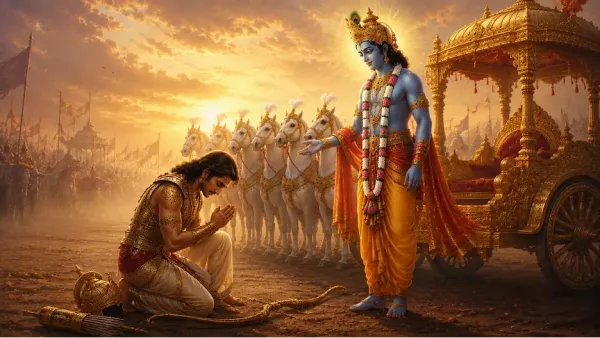
Janmashtami, the sacred festival celebrating Shree Krishna’s birth, is one of the most joyful and spiritually uplifting days in the Vedic calendar. It marks the moment when the Supreme Personality of Godhead descended into this world over 5,000 years ago, in the prison cell of Mathura, to protect the righteous, annihilate evil, and reestablish dharma (righteousness).
Around the world, temples and homes come alive with decorations, melodious kirtans, vibrant plays depicting Shree Krishna’s life, and devotional fasting. But beyond the rituals and celebrations, Janmashtami holds deep spiritual and practical wisdom, especially for healthy living.
Shree Krishna’s teachings in the Bhagavad Gita are not abstract philosophy. They are a manual for living well: physically, mentally, emotionally, and spiritually. When understood deeply, Janmashtami is not just a commemoration of Krishna’s appearance. It becomes an invitation to allow His consciousness to take birth in our hearts every single day.
Let’s explore six key lessons from Janmashtami that can transform how we live.
1.Remember Your True Identity

प्रकृते: क्रियमाणानि गुणै: कर्माणि सर्वश: ।
अहङ्कारविमूढात्मा कर्ताहमिति मन्यते ॥ 27॥
prakṛiteḥ kriyamāṇāni guṇaiḥ karmāṇi sarvaśhaḥ
ahankāra-vimūḍhātmā kartāham iti manyate
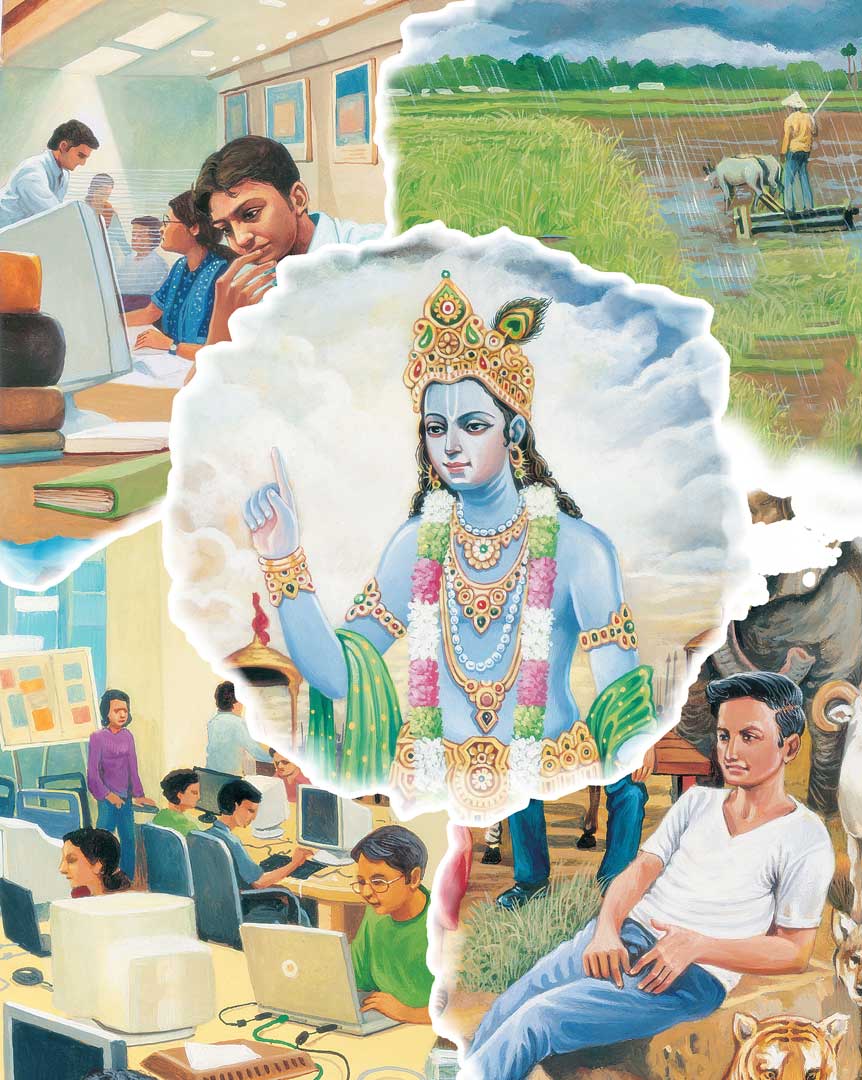
BG 3.27: All activities are carried out by the three modes of material nature. But in ignorance, the soul, deluded by false identification with the body, thinks of itself as the doer.
Expanded Insight
Janmashtami is about Shree Krishna’s birth in Mathura, but spiritually, it is about the rebirth of divine awareness in our own lives. Just as Shree Krishna appeared to restore balance when darkness had spread, we too can invite His light to appear in our hearts whenever negativity such as stress, unhealthy habits and self-doubt overpowers our inner harmony.
This verse also reveals a personal truth: when our life feels off-balance, it is a signal that we must return to our original identity as eternal souls. In modern life, we often define ourselves by our job, appearance, or achievements: identities that shift constantly. But Krishna reminds us that our real birth is not from the body, but from the eternal spirit within.
In terms of health, this means caring for the body not as our identity, but as our instrument. When we remember our spiritual origin, we naturally feel less obsessed with perfectionism and more motivated to nurture our body through balanced living.
Practice Tip: On Janmashtami morning, write down one way you can “invite Krishna’s birth” into your life: maybe replacing gossip with gratitude, replacing processed food with fresh sattvic meals, or replacing late-night scrolling with meditation.
2. Fasting with Purpose, Not Just Ritual
देवद्विजगुरुप्राज्ञपूजनं शौचमार्जवम् ।
ब्रह्मचर्यमहिंसा च शारीरं तप उच्यते ॥ 14॥
deva-dwija-guru-prājña- pūjanaṁ śhaucham ārjavam
brahmacharyam ahinsā cha śhārīraṁ tapa uchyate
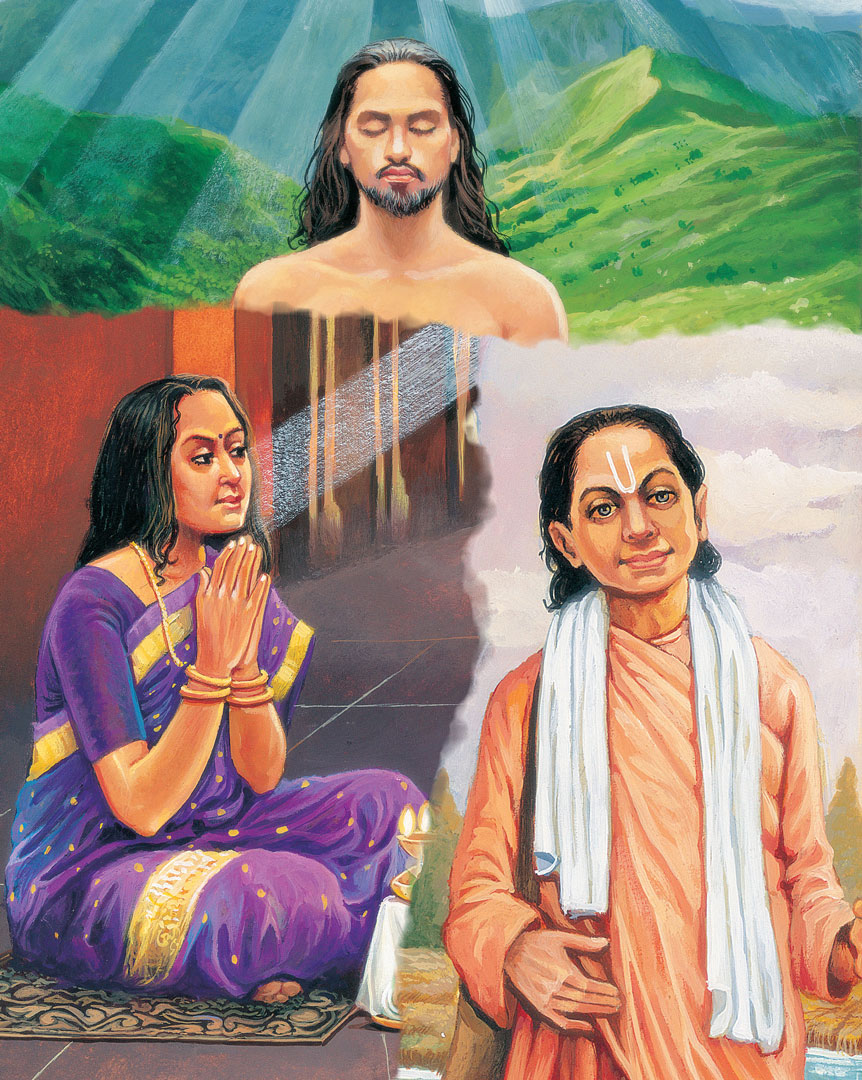
BG 17.14: When worship of the Supreme Lord, the Brahmins, the spiritual master, the wise, and the elders is done with the observance of cleanliness, simplicity, celibacy, and non-violence then this worship is declared as the austerity of the body.
Expanded Insight
Fasting is a common Janmashtami tradition, but Shree Krishna expands the concept far beyond skipping food. True austerity (tapasya) involves discipline of the body, mind, and speech.
Physical fasting can have health benefits: detoxifying the digestive system, improving metabolism, and enhancing mental clarity. But without mental fasting: avoiding gossip, negativity, and harmful thoughts, physical fasting is incomplete. And without verbal fasting (choosing words that are kind and uplifting) our hearts remain heavy.
Janmashtami invites us to redirect the energy saved from eating into spiritual connection—through chanting, reading scriptures, or serving others. This way, fasting doesn’t weaken you, rather it recharges you.
Practice Tip: If you observe fasting, drink plenty of water and avoid mentally exhausting activities. Instead of thinking about what you can’t eat, focus on what you can feed your soul: devotion, peace, and gratitude.
3. Joyful Devotion as Stress Relief
सततं कीर्तयन्तो मां यतन्तश्च दृढव्रता: ।
नमस्यन्तश्च मां भक्त्या नित्ययुक्ता उपासते ॥ 14॥
satataṁ kīrtayanto māṁ yatantaśh cha dṛiḍha-vratāḥ
namasyantaśh cha māṁ bhaktyā nitya-yuktā upāsate
BG 9.14: Always singing My divine glories, striving with great determination, and humbly bowing down before Me, they constantly worship Me in loving devotion.
Expanded Insight
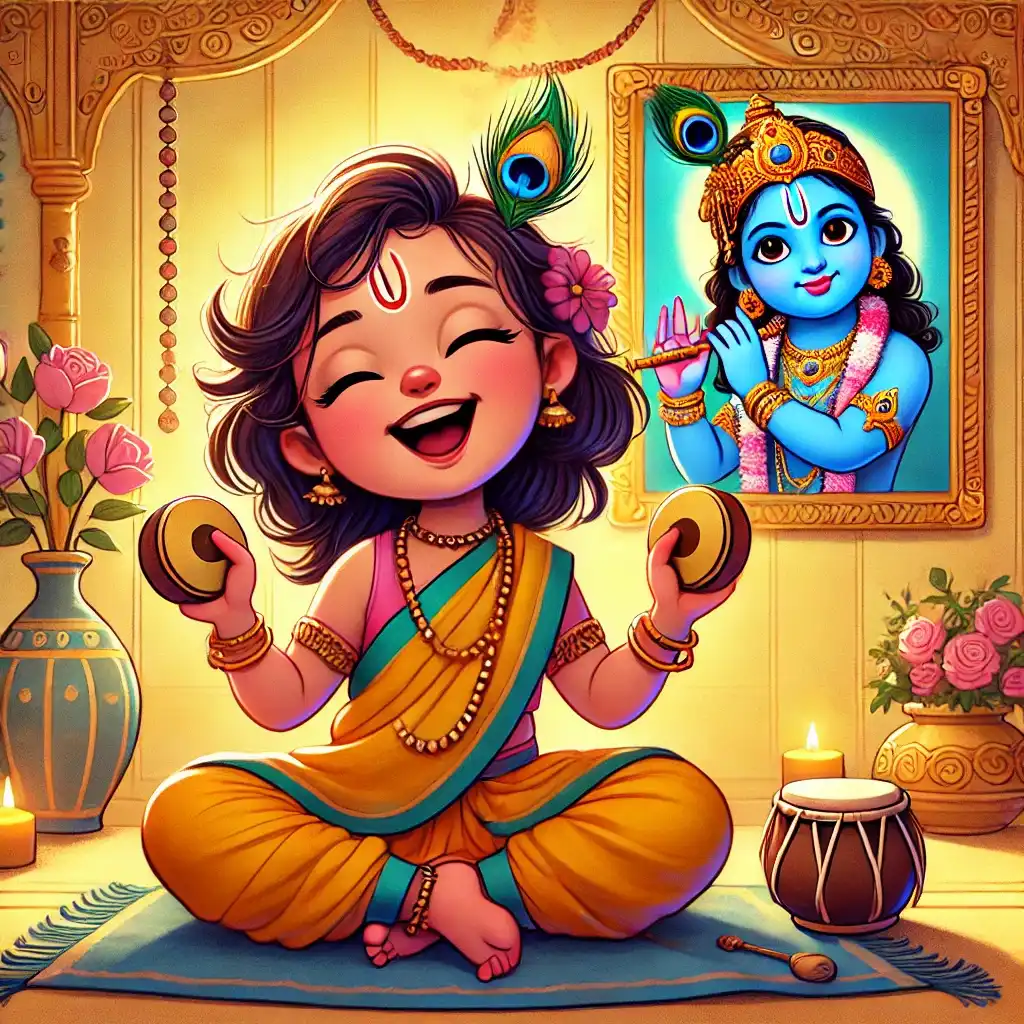
Janmashtami nights are often filled with bhajans, kirtans, and joyous dancing. This isn’t just a cultural activity, it is a scientifically proven stress-relief practice. Singing devotional songs with others releases dopamine (pleasure hormone) and oxytocin (bonding hormone), lowering stress and improving mood.
Shree Krishna teaches that this joy is not superficial, it is soul nourishment. Unlike temporary pleasures that leave us drained, Krishna-centered joy replenishes us. Chanting His names cleanses the heart of worry, jealousy, and fear, just as wind clears dust from a mirror.
In everyday life, this means making joy a conscious habit. Stress shrinks when our heart is occupied with gratitude and divine remembrance.
Practice Tip: After work or study, instead of turning to a screen for distraction, play a Krishna bhajan and sing along. Even five minutes can shift your energy from restless to peaceful.
4. The Birthplace Story: Finding Light in Darkness
सर्वधर्मान्परित्यज्य मामेकं शरणं व्रज ।
अहं त्वां सर्वपापेभ्यो मोक्षयिष्यामि मा शुच: ॥ 66॥
sarva-dharmān parityajya mām ekaṁ śharaṇaṁ vraja
ahaṁ tvāṁ sarva-pāpebhyo mokṣhayiṣhyāmi mā śhuchaḥ
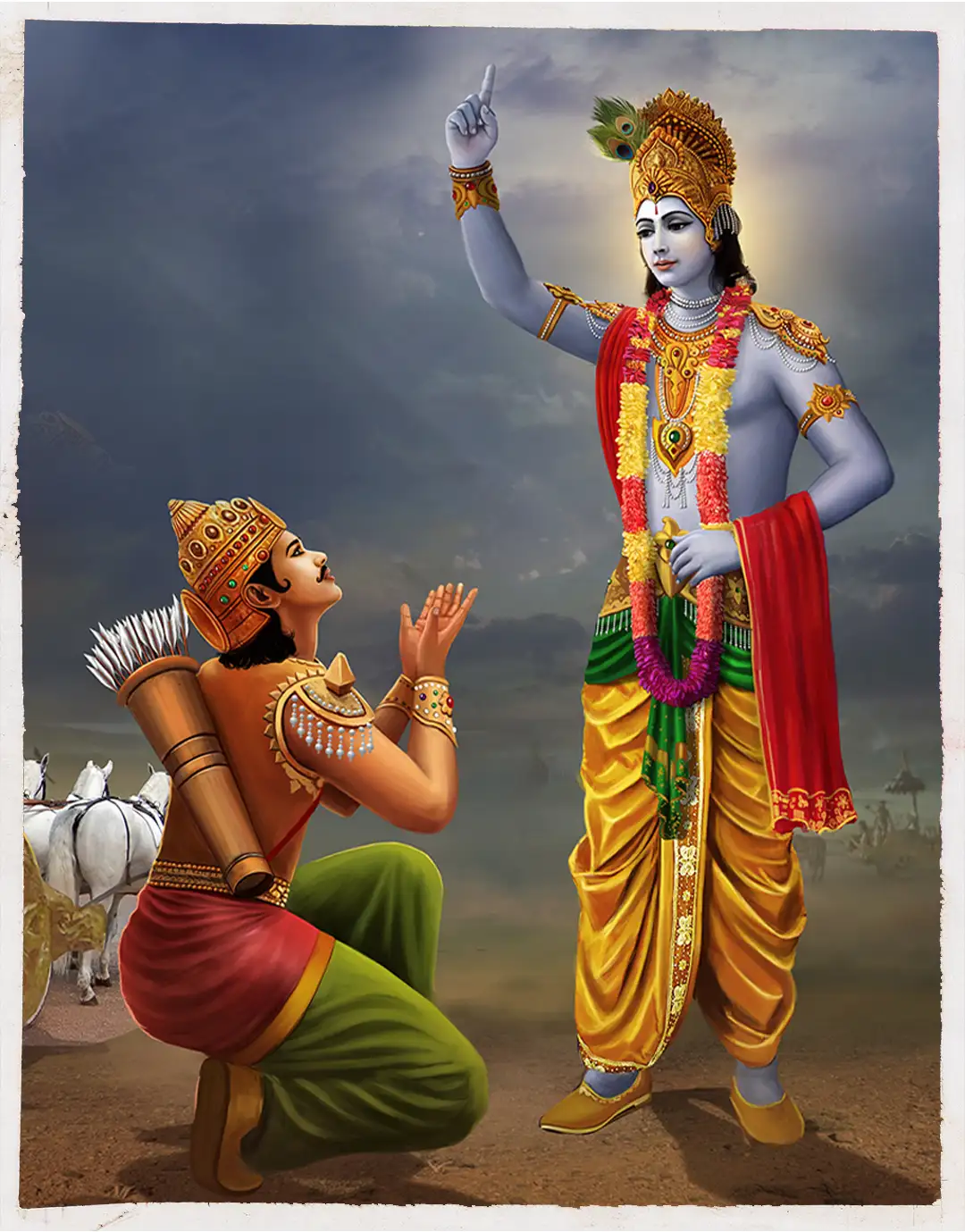
BG 18.66: Abandon all varieties of dharmas and simply surrender unto Me alone. I shall liberate you from all sinful reactions; do not fear.
Expanded Insight
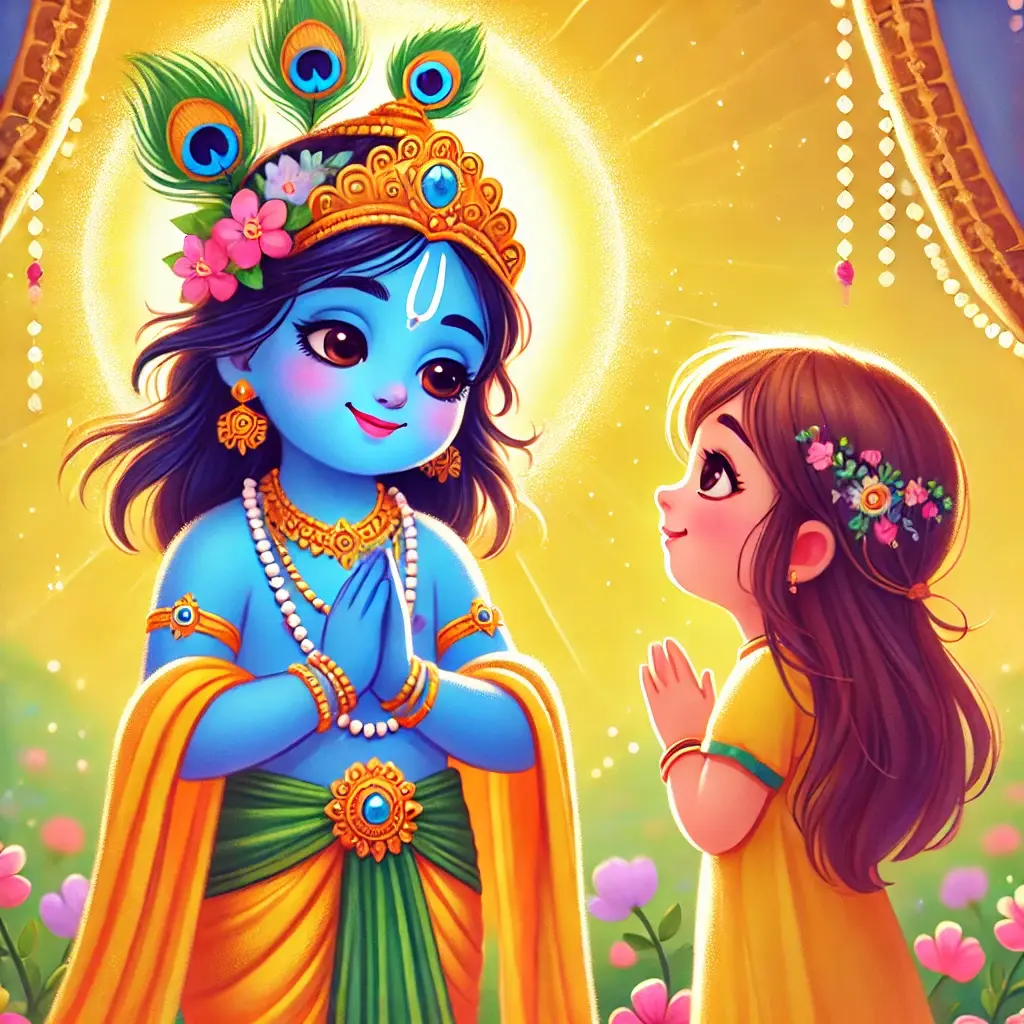
Shree Krishna’s birth in the prison of Mathura at midnight is a metaphor for spiritual life: divine light emerges in the darkest moments. The prison represents our own mind when trapped by fear, worry, or unhealthy attachments. Midnight represents the moments when life feels cold, quiet, and hopeless.
But just as Vasudeva carried baby Krishna through the flooded Yamuna, we too can carry faith through storms. This verse assures us that surrendering to Krishna’s guidance frees us from fear and confusion. In health terms, surrender can release the chronic stress that drains immunity and disturbs sleep.
Practice Tip: When overwhelmed, visualize placing your worries in Krishna’s hands. Imagine Him smiling and saying, “Do not fear, I will guide you.” This mental surrender can instantly calm your nervous system.
5. Offering of Love
पत्रं पुष्पं फलं तोयं यो मे भक्त्या प्रयच्छति ।
तदहं भक्त्युपहृतमश्नामि प्रयतात्मन: ॥ 26॥
patraṁ puṣhpaṁ phalaṁ toyaṁ yo me bhaktyā prayachchhati
tadahaṁ bhaktyupahṛitam aśhnāmi prayatātmanaḥ
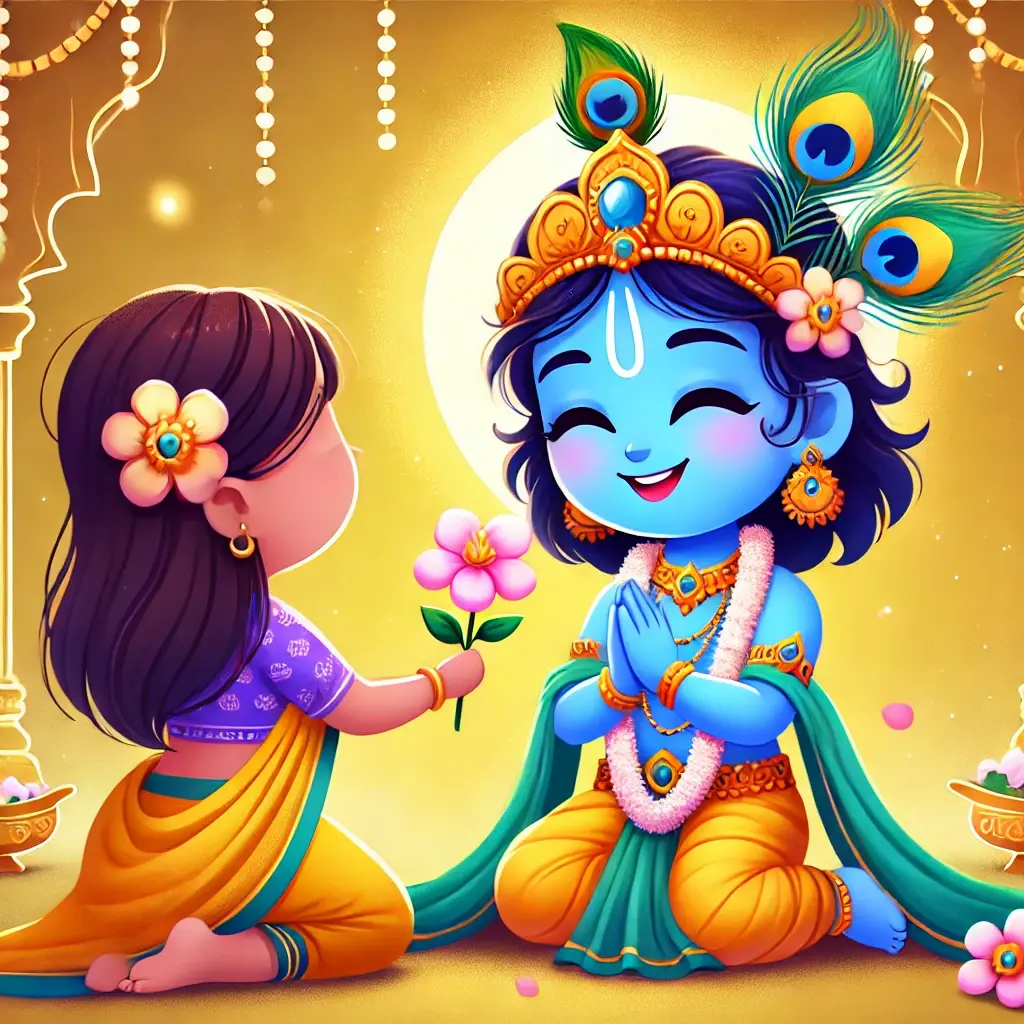
BG 9.26: If one offers to Me with devotion a leaf, a flower, a fruit, or even water, I delightfully partake of that item offered with love by My devotee in pure consciousness.
Expanded Insight
Janmashtami feasts are colorful and abundant, but Shree Krishna’s standard is simple: He values love more than luxury. A single tulsi leaf offered with devotion is more pleasing to Him than a lavish meal made with pride.
Sattvic food, which is fresh, plant-based, unprocessed, is not only spiritually uplifting but physically healing. When food is cooked mindfully, with gratitude, and offered to Krishna before eating, it becomes prasad, infused with divine blessings.
Eating prasadam is an act of sacred nourishment. It transforms eating from a biological need into a spiritual exchange, a reminder that all our sustenance ultimately comes from God.
Practice Tip: This Janmashtami, prepare one simple sattvic dish (like sweet makhan, fresh fruit salad, or kheer) and offer it to Krishna with love. Share it with family or friends as prasadam.
6. Living Janmashtami Year-Round
युक्ताहारविहारस्य युक्तचेष्टस्य कर्मसु ।
युक्तस्वप्नावबोधस्य योगो भवति दु:खहा ॥ 17॥
yuktāhāra-vihārasya yukta-cheṣhṭasya karmasu
yukta-svapnāvabodhasya yogo bhavati duḥkha-hā
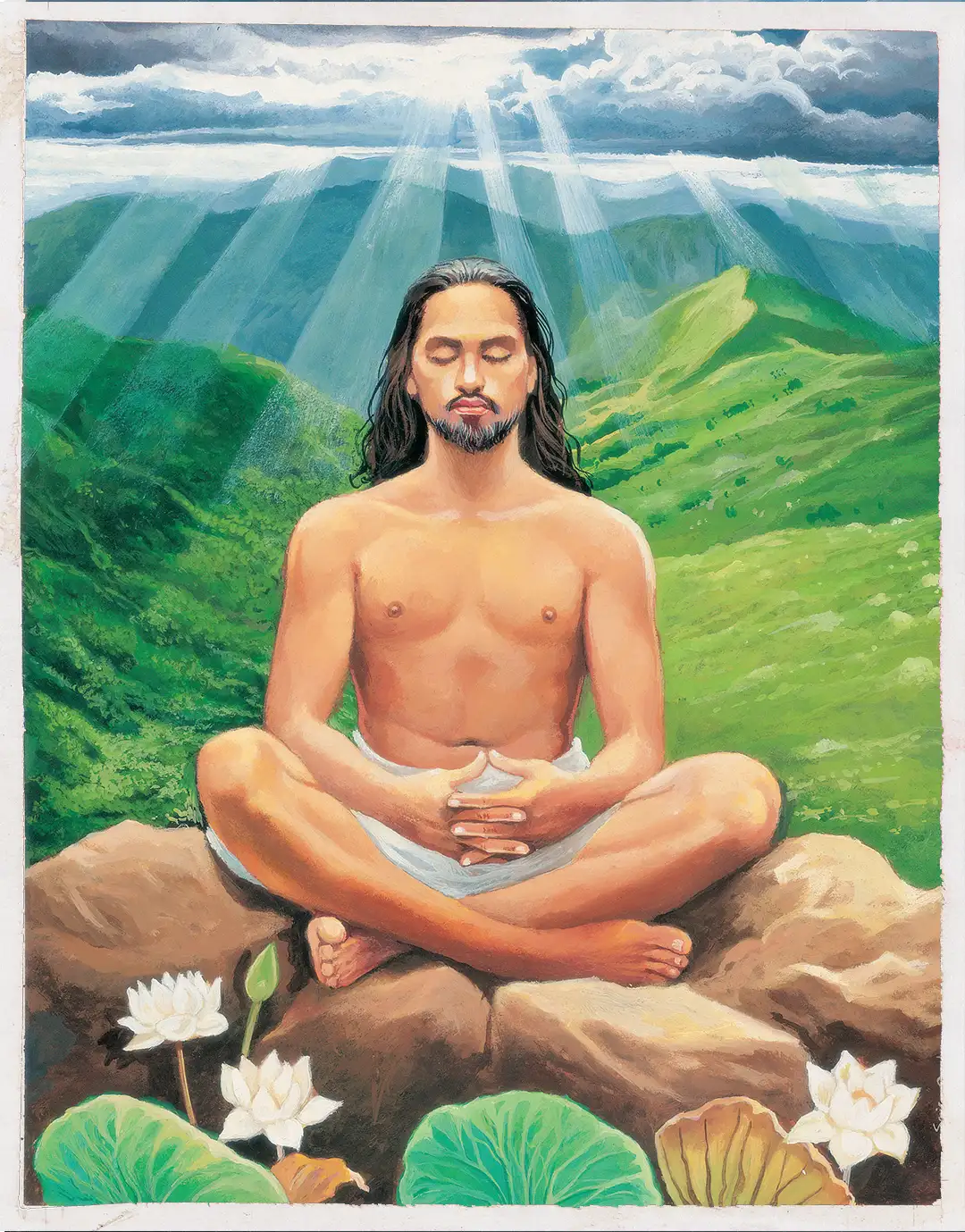
BG 6.17: But those who are temperate in eating and recreation, balanced in work, and regulated in sleep, can mitigate all sorrows by practicing Yog.
Expanded Insight
The challenge and opportunity of Janmashtami is to carry its energy beyond the festival.Shree Krishna teaches that regulating our daily habits in alignment with spiritual purpose reduces both physical and emotional pain.
This means not swinging between the extremes of overwork and burnout or indulgence and restriction, but living with steady discipline. When we keep Krishna in our thoughts through daily prayer, chanting, or mindful living, every day becomes Janmashtami.
Imagine waking with gratitude, eating mindfully, serving others joyfully, and ending your day with Krishna’s name on your lips. That is how the Janmashtami spirit becomes a lifestyle.
Practice Tip: Choose one Janmashtami tradition such as evening kirtan, offering food, or reading a Gita verse daily, and make it a permanent part of your life.
Call To Action
Let Krishna’s Wisdom Take Birth in Your Heart
This Janmashtami 2026, go beyond the festivities and reflect on the timeless teachings of Shree Krishna. His message of purpose, balance, devotion, and inner strength remains as relevant today as it was thousands of years ago. As you celebrate His divine appearance, take a moment to invite His wisdom into your daily life. Even a small step toward spiritual growth can lead to profound transformation.
May this Janmashtami inspire you to live with greater clarity, cultivate inner peace, and discover the joy that comes from aligning your life with a higher purpose.
FAQs
What is the spiritual significance of Janmashtami?
Janmashtami celebrates the divine appearance of Shree Krishna, who descended to restore dharma and guide humanity toward spiritual awakening. It is an opportunity to reflect on His teachings and deepen our relationship with God.
How are Krishna’s teachings relevant today?
The Bhagavad Gita addresses universal challenges such as stress, anxiety, purpose, relationships, and emotional balance. Krishna’s wisdom offers practical guidance for living a healthier and more meaningful life.
What can Janmashtami teach us about healthy living?
Janmashtami reminds us to cultivate balance in all aspects of life—physical health, mental well-being, emotional resilience, and spiritual growth. Krishna’s teachings encourage moderation, self-discipline, and inner harmony.
Why is the Bhagavad Gita considered a guide for life?
The Bhagavad Gita provides timeless wisdom on how to perform our duties, manage emotions, overcome challenges, and connect with our higher spiritual purpose.
How can I apply Krishna’s teachings in daily life?
You can start by practicing gratitude, maintaining emotional balance, serving others selflessly, engaging in regular spiritual practices, and making decisions aligned with your values and purpose.
What is the deeper message of Janmashtami?
The deeper message is to allow divine consciousness to awaken within us. Just as Krishna appeared in the world to dispel darkness, His teachings can illuminate our hearts and transform our lives.
References