Introduction
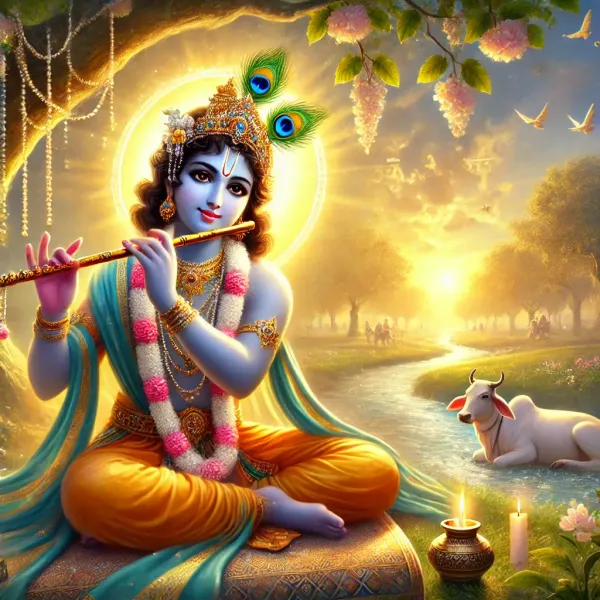
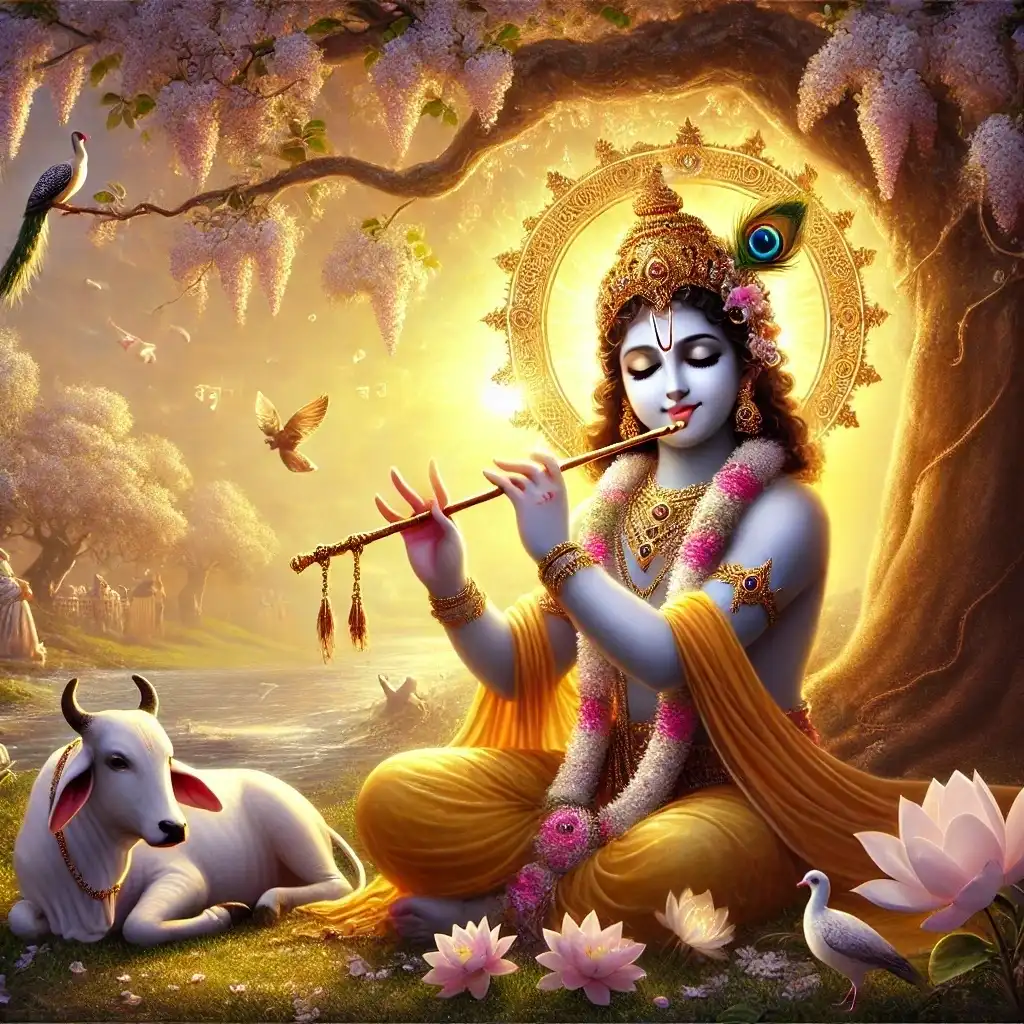
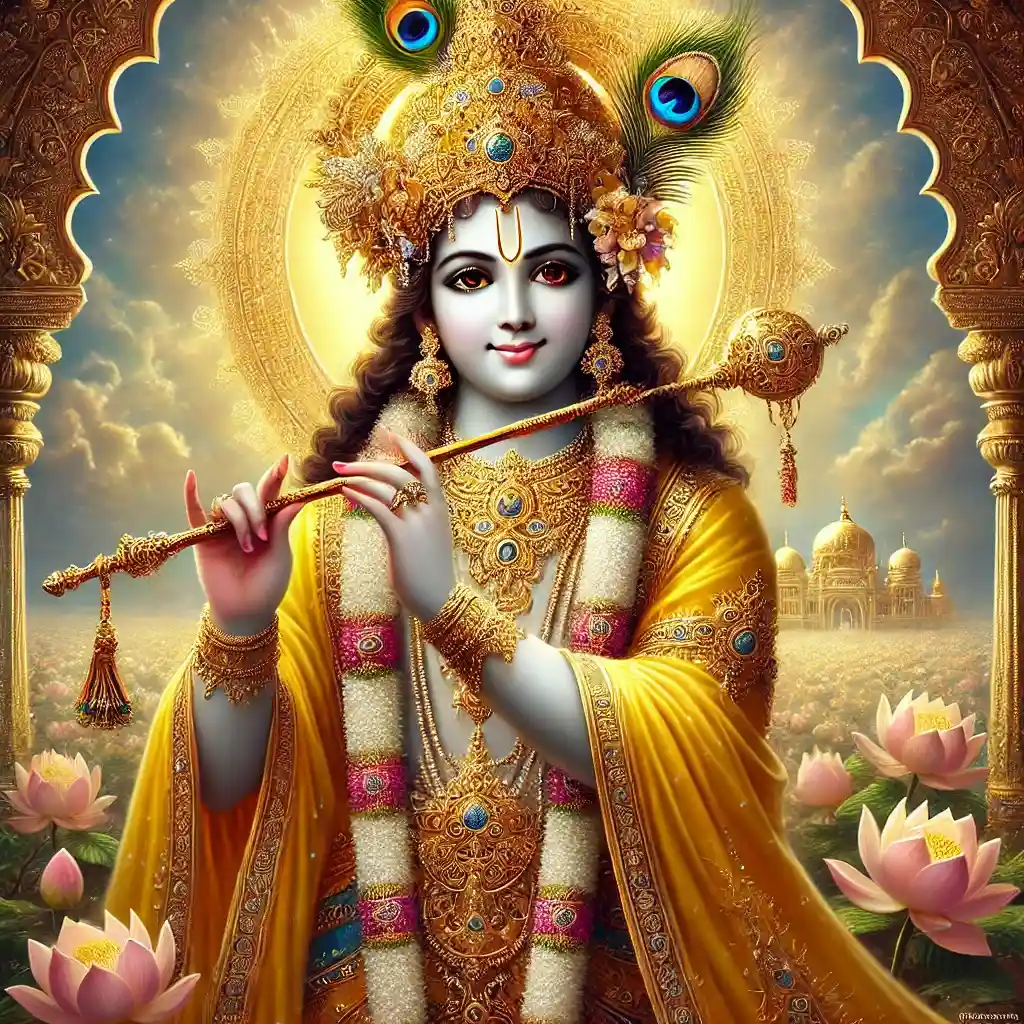
Lord Krishna, the divine flutist, the speaker of the Bhagavad Gita, and the beloved of Radha, holds a timeless presence in the spiritual traditions of India and beyond. He is the Supreme Personality of Godhead — playful, wise, loving, and powerful. His very name evokes joy, devotion, and inner transformation.
While His stories and teachings offer endless inspiration, there is a more immediate and intimate way to connect with Him — taking His holy names and mantras. Krishna mantras are sacred sound vibrations that uplift the mind, purify the heart, and draw the soul closer to God. In this blog, we will explore seven powerful Krishna mantras, their full Sanskrit verses, deep meanings, spiritual significance, and practical chanting tips.
Let these mantras guide you to devotion, clarity, and divine love.
1. Shri Krishna Sharanam Mantra – The Refuge of the Devotee

Sanskrit:
श्री कृष्ण शरणं मम ॥
Transliteration:
Shri Krishna Sharanam Mamah
📖 Meaning:
This simple yet powerful mantra means, “Lord Krishna is my refuge.” It is a direct expression of surrender to Krishna's divine will. By chanting this mantra, the devotee proclaims that Krishna is the sole protector, guide, and purpose of life.
It acknowledges our limitations in controlling the outcomes of life and places full trust in the Lord’s loving care.
It also reflects the core teaching of Bhagavad Gita: “Surrender unto Me alone, I shall deliver you from all sinful reactions.” (Gita 18.66)
This mantra is ideal for moments of weakness, pain, or transition when the soul seeks shelter in the divine.
✨ Significance:
- Encourages absolute surrender to Lord Krishna.
- Frees the soul from anxiety, ego, and material confusion.
- Instills divine faith and peace of mind.
- Opens the heart to receive grace unconditionally.
🧘 Practice Tips:
- Chant during times of fear, doubt, or emotional pain.
- Repeat 108 times with a Tulsi mala, especially before sleep.
- Visualize Krishna extending his arms in loving protection.
2. Govinda Mantra – The Invoker of Joy and Protection

Sanskrit:
ॐ नमो भगवते गोविन्दाय ॥
Transliteration:
Om Namo Bhagavate Govindaya
📖 Meaning:
“I offer my salutations to Govinda, the Lord who gives joy to the senses, cows, and all beings.” Govinda is one of Krishna’s most affectionate names, representing His role as the protector and nourisher of life.
Bhagavate refers to the Supreme Being who possesses six divine opulences in full — strength, beauty, wisdom, wealth, fame, and renunciation.
This mantra acknowledges Krishna as the source of bliss and sustenance — the one who ensures life’s beauty, meaning, and harmony.
It calls upon Krishna’s role as both ruler of the cosmos and the divine friend who lives in every heart.
✨ Significance:
- Invokes divine joy, harmony, and protection.
- Connects the heart to Krishna’s compassionate nature.
- Purifies the mind and strengthens one’s devotional attitude.
- Aligns the soul with truth, beauty, and divine order.
🧘 Practice Tips:
- Chant early in the morning while watching the sunrise.
- Ideal for chanting while doing seva or household work.
- Contemplate Krishna as the gentle cowherd of Vrindavan.
3. Vasudeva Mantra – The Mantra of Liberation and Realization

Sanskrit:
ॐ नमो भगवते वासुदेवाय ॥
Transliteration:
Om Namo Bhagavate Vasudevaya
📖 Meaning:
This 12-syllable mantra means, “I bow to the Supreme Lord Vasudeva (Krishna).” Vasudeva is used for both the son of Vasudeva and the indwelling Lord who lives in every being (vasu = all-pervading, deva = divine).
It is a liberation mantra (moksha mantra) from the Bhagavatam, often recited for attaining spiritual knowledge and divine presence. It recognizes Krishna as the Supreme Soul, beyond birth and death, who resides in all beings equally.
It is a mantra of complete surrender, a recognition that the divine lives within us and around us. It invites us to let go of ego, control, and fear, and to align ourselves with the divine will. By chanting this mantra, a devotee expresses humility and reverence toward the higher self and the Supreme Lord.
Whether recited silently in meditation, spoken aloud during prayer, or sung in devotional gatherings, Om Namo Bhagavate Vasudevaya has the power to uplift the soul and guide the seeker toward liberation, love, and unity with the divine.
✨ Significance:
- Liberates the soul from the cycle of birth and death.
- Enhances spiritual awareness and detachment.
- Fosters inner stillness and divine realization.
- Empowers the practitioner with universal love and clarity.
🧘 Practice Tips:
- Best chanted during morning meditation with a Tulsi mala.
- Repeat it silently when feeling distracted or restless.
- Use before studying scriptures for deeper absorption.
4. Radha Krishna Mantra – The Chant of Divine Love
Sanskrit:
राधा कृष्ण राधा कृष्ण
कृष्ण कृष्ण राधे राधे ॥
Transliteration:
Radha Krishna Radha Krishna
Krishna Krishna Radhe Radhe
📖 Meaning:
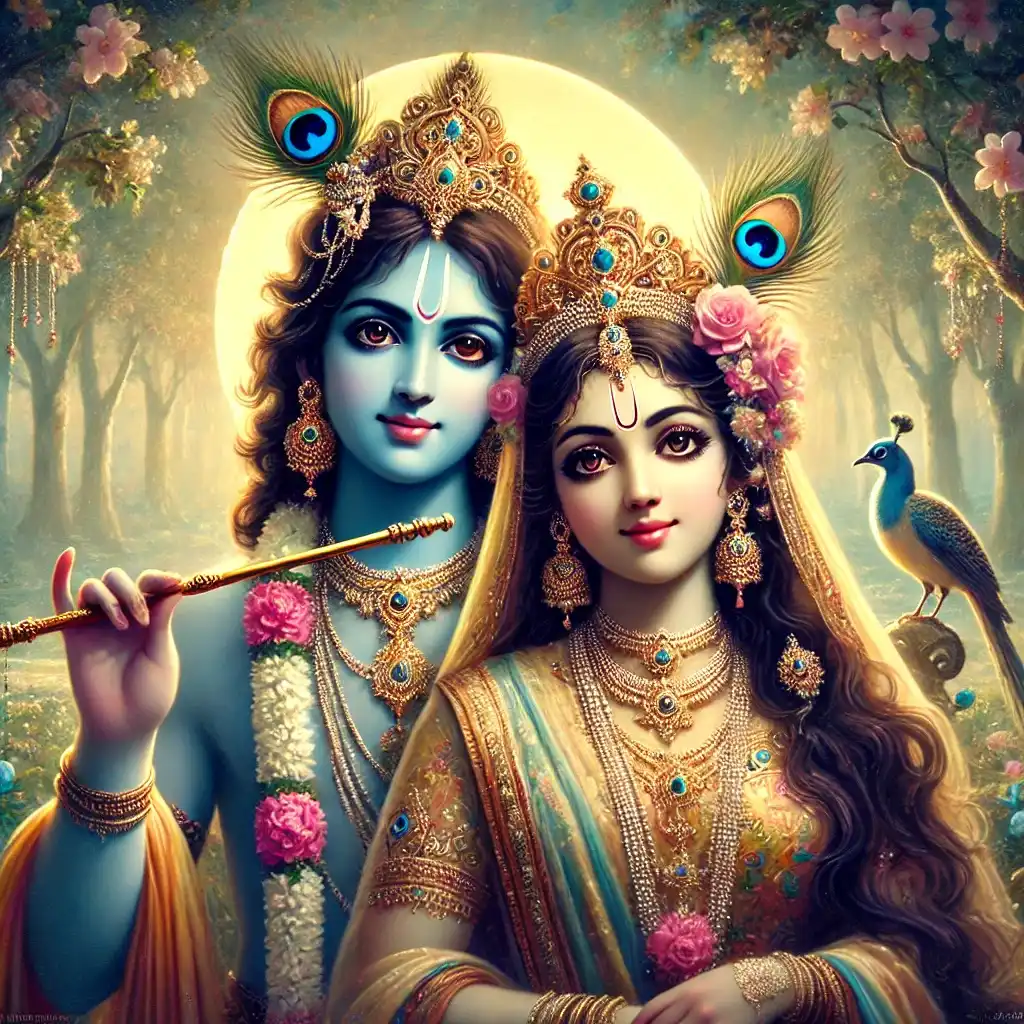
This loving chant is a melodic invocation of Radha and Krishna, representing the eternal bond of soul and God. Radha symbolizes the highest devotion, while Krishna is the divine beloved.
Her love for Krishna goes beyond worldly affection—it is unconditional, unwavering, and completely free of ego. Krishna, on the other hand, is the supreme deity, the playful and all-attractive Lord who responds only to love offered without expectation. When chanted together, their names awaken the energy of devotion within the heart and call forth the divine grace that Radha and Krishna embody.
Together, they reflect the union of human longing and divine grace.
This mantra celebrates the joyful, ecstatic love of Vrindavan and brings sweetness to the heart.
By chanting their names together, we invoke pure bhakti, the unconditional, playful, and eternal love that transcends all barriers.
✨ Significance:
- Awakens the soul’s innate longing for divine union.
- Opens the heart to pure, ecstatic devotion.
- Invokes the rasa (flavor) of divine playfulness and love.
- Uplifts the atmosphere with spiritual joy and rhythm.
🧘 Practice Tips:
- Sing during group kirtan with clapping and music.
- Chant while walking, cooking, or anytime throughout the day.
- Visualize Radha and Krishna playing in the forests of Vrindavan.
5. Damodara Mantra – The Humble Lord Bound by Love
Sanskrit:
ॐ नमो दामोदराय ॥
Transliteration:
Om Namo Damodaraya
📖 Meaning (explained):
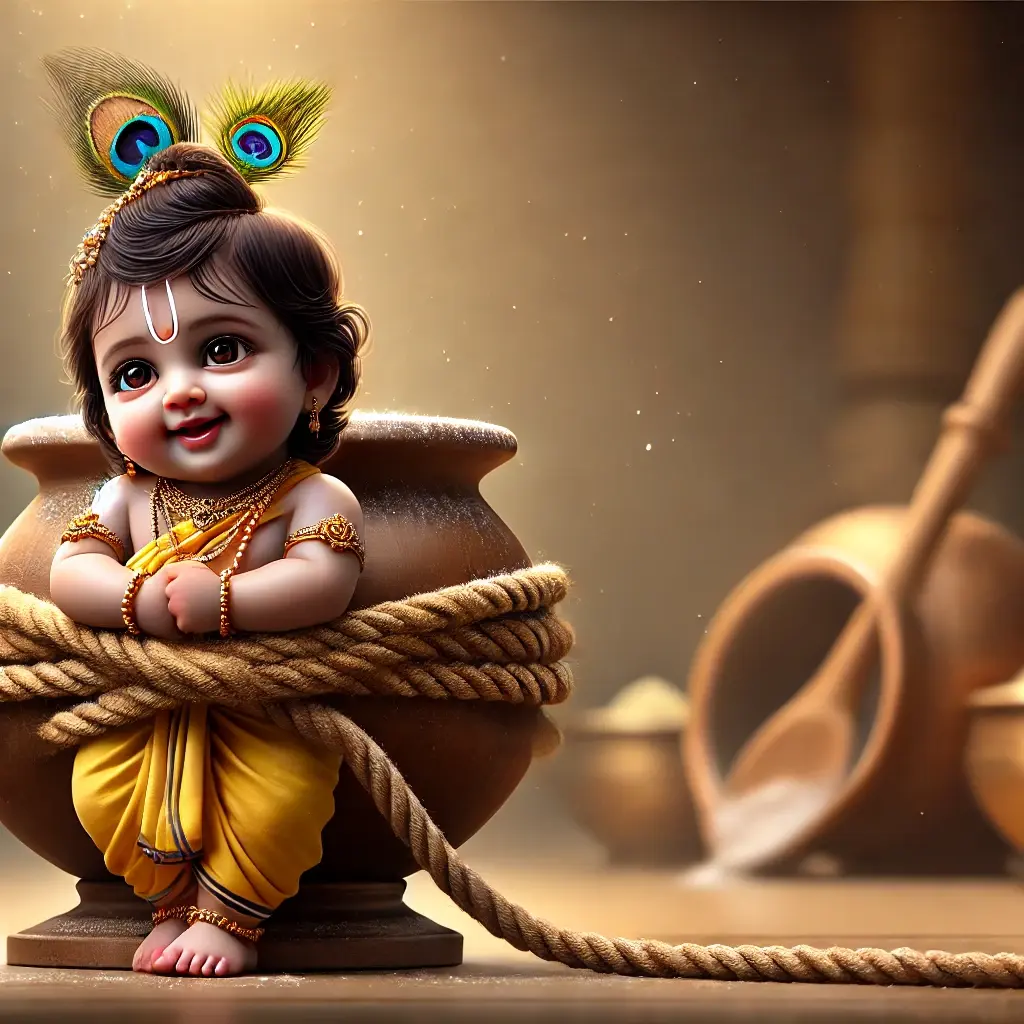
“I bow to Damodara, the divine child Krishna, who was tied with a rope around his belly by Mother Yashoda.”
Dama means “rope,” and udara means “belly.” This name comes from a sweet and intimate episode in Krishna’s early life, described in the Bhāgavat Purāṇ, where he is tied with a rope around his belly by his mother, Yashoda. The word “Dama” means rope, and “Udara” means belly; hence, Damodara refers to “the one with a rope around his waist.”
This playful yet deeply symbolic scene shows the young Krishna stealing butter, being mischievous like any child, and then being caught and lovingly disciplined by his mother. Although Krishna is the all-powerful Lord of the Universe, he willingly submits to her love. He allows himself to be tied—not because she is stronger, but because her love is greater than his divine majesty. In that moment, the infinite becomes small, the formless takes form, and the invincible bows to pure affection.
Chanting “Om Namo Damodaraya” is therefore not just a tribute to Krishna's childlike charm—it is a profound spiritual reminder. It teaches us that God is not conquered by strength, ritual, or knowledge, but by pure, innocent, heartfelt love. This is why the Damodara form of Krishna is especially cherished during the month of Kartik (October–November), when devotees offer lamps, sing special songs like the Damodarashtakam, and reflect on the beauty of divine love.
✨ Significance:
- Connects with the loving, playful child form of Krishna.
- Invokes divine humility and sweetness.
- Perfect for family worship, especially during the Kartik month.
- Reminds us that God is captured by sincere love.
🧘 Practice Tips:
- Light a diya and chant during the month of Kartik (October–November).
- Chant with your children to inspire early devotion.
- Meditate on Krishna’s Damodara form — eyes wide with surprise, bound in divine love.
6. Madhava Mantra – The Lord of Sweetness and Prosperity

Sanskrit:
ॐ श्री माधवाय नमः ॥
Transliteration:
Om Shri Madhavaya Namah
📖 Meaning (explained):
“I bow to Madhava, the consort of the Goddess of Fortune (Lakshmi).” The name Madhava combines Madhu (honey, sweetness, spring) and Dava (Lord), suggesting Krishna as the Lord of joy, fortune, and freshness.
It emphasizes Krishna's divine partnership with abundance, harmony, and righteousness.
Chanting this mantra attracts not only wealth and beauty but also grace, balance, and inner satisfaction.
Madhava is also the one who destroys illusion and ensures victory to the righteous.
✨ Significance:
- Invokes divine abundance, wisdom, and auspiciousness.
- Balances material and spiritual aspirations.
- Fosters loving relationships and inner serenity.
- Uplifts the heart with sweetness and warmth.
🧘 Practice Tips:
- Use when beginning new ventures or financial decisions.
- Keep a Lakshmi-Narayana image while chanting.
- Chant in the morning before work or study.
7. Keshava Mantra – The Supreme Controller and Beautiful Lord
Sanskrit:
ॐ केशवाय नमः ॥
Transliteration:
Om Keshavaya Namah
📖 Meaning (explained):
“I bow to Keshava, the Lord of beautiful hair.” Symbolically, Keshava means the one who controls the three principal energies — Brahma (creation), Vishnu (preservation), and Shiva (destruction).
Krishna as Keshava is the master of time, destiny, and the universe, yet beautiful and charming beyond imagination.
This mantra praises Krishna’s divine beauty and supreme power in one breath.
It is used to invoke protection, guidance, and divine leadership in life’s challenges.
✨ Significance:
- Enhances clarity, strength, and divine protection.
- Acknowledges Krishna’s control over cosmic forces.
- Encourages surrender to divine timing and wisdom.
- Fosters mental steadiness and spiritual discipline.
🧘 Practice Tips:
- Chant during new beginnings, transitions, or challenges.
- Begin morning prayers with this mantra for protection.
- Ideal to use with other Vishnu mantras in daily sadhana.
📿 How to Practice Krishna Mantras Effectively
To get the full benefit of chanting:
- Use a Tulsi mala: Traditionally used for Krishna worship (108 beads).
- Establish a fixed time: Morning and dusk are ideal.
- Chant with devotion: Feel the meaning, not just the words.
- Visualize Krishna’s form: Create a mental image as you chant.
- Create a clean space: Have a quiet, sacred corner or altar.
🌸 Transform Your Life with Krishna’s Holy Names
Chanting Krishna mantras daily can bring miraculous changes:
- Removes inner conflict, confusion, and anxiety.
- Attracts divine grace and protects from negative karma.
- Awakens divine love (prema) and surrender (sharanagati).
- Builds resilience, joy, and deep contentment.
🧘 Follow Swami Mukundananda for Guided Practice
To deepen your connection with Krishna and learn authentic spiritual wisdom, follow Swami Mukundananda, a renowned teacher of Bhakti Yoga and Vedantic philosophy.
📚 Author of:
- The Science of Mind Management
- Bhagavad Gita: The Song of God
- 7 Mindsets for Success, Happiness, and Fulfillment
🎥 On YouTube, he shares:
- Guided mantra chanting
- Discourses on Krishna bhakti
- Daily wisdom and practical spirituality
👉 Subscribe now to Swami Mukundananda’s YouTube Channel
📣 Final Call to Action
Don’t wait to bring Krishna’s grace into your life.
Start chanting today — even 5 minutes can uplift your heart.
🎧 Join thousands of seekers and begin your journey with:
👉 Swami Mukundananda’s YouTube Channel
Let Krishna’s name purify your mind, awaken your love, and guide your soul.
Radhe Radhe! Jai Shri Krishna! 🙏