

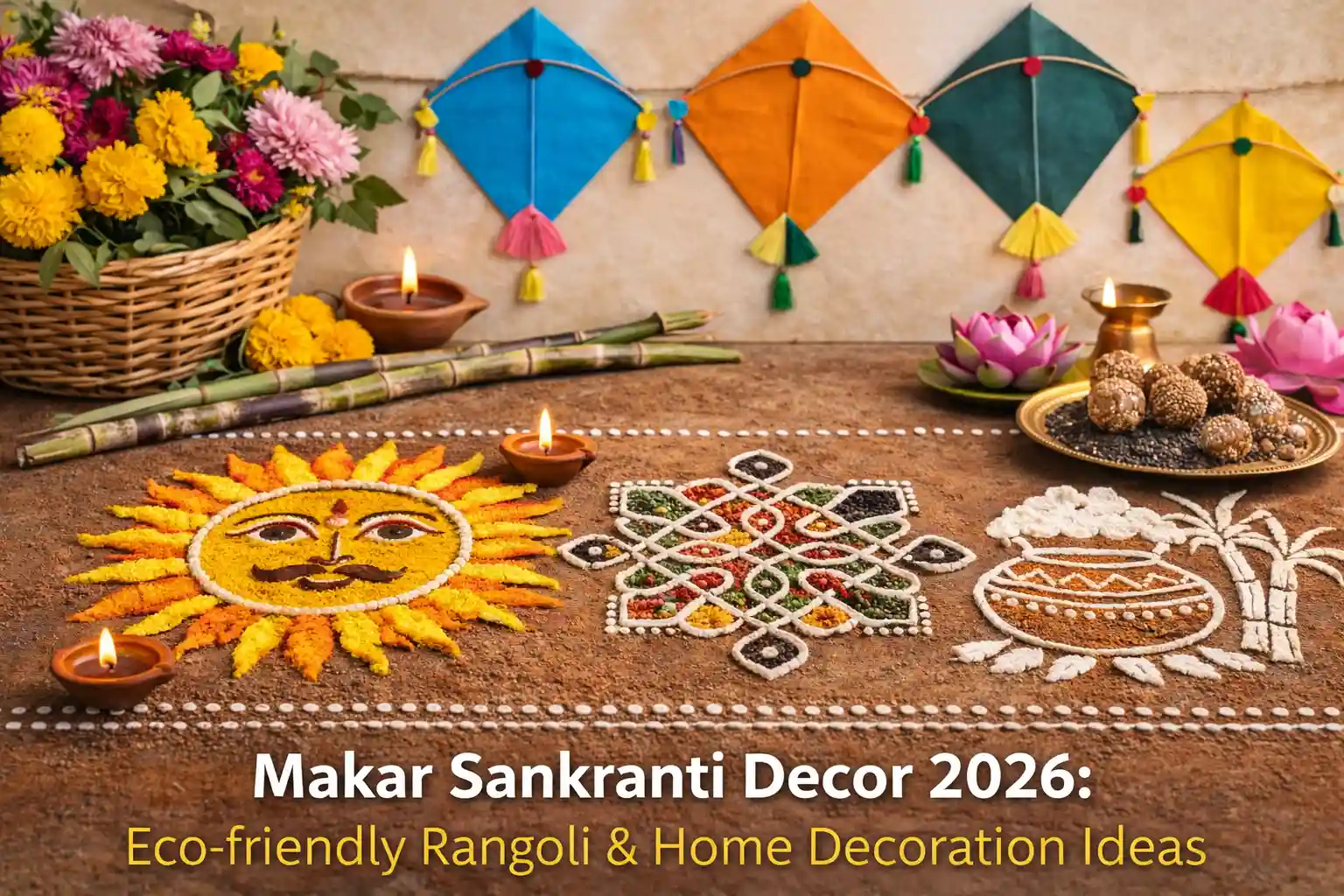
The morning sun rose gently over the rooftops, spilling golden light into the courtyard where my grandmother had already begun her Makar Sankranti rituals. The air smelled of freshly washed floors, cow dung cakes drying in a corner, and sesame ladoos roasting slowly in the kitchen. I watched as she bent down, her silver hair tied neatly, fingers dipping into bowls of turmeric, rice flour, and dried flower petals. She did not rush. Each line of the rangoli was drawn with care, as if she was welcoming not just guests, but the sun itself.
That was the first time I realized that Makar Sankranti decor was never just about beauty. It was about gratitude, renewal, and living in harmony with nature. As we step into 2026, this spirit feels more relevant than ever. Eco-friendly rangoli and sustainable home decoration ideas are no longer trends. They are conscious choices that reconnect us with traditions while protecting the environment.
This blog explores meaningful, creative, and earth-friendly Makar Sankranti decor ideas for 2026, focusing on natural rangoli, reusable decorations, and simple yet soulful ways to transform your home for the harvest festival.
Understanding the Spirit of Makar Sankranti
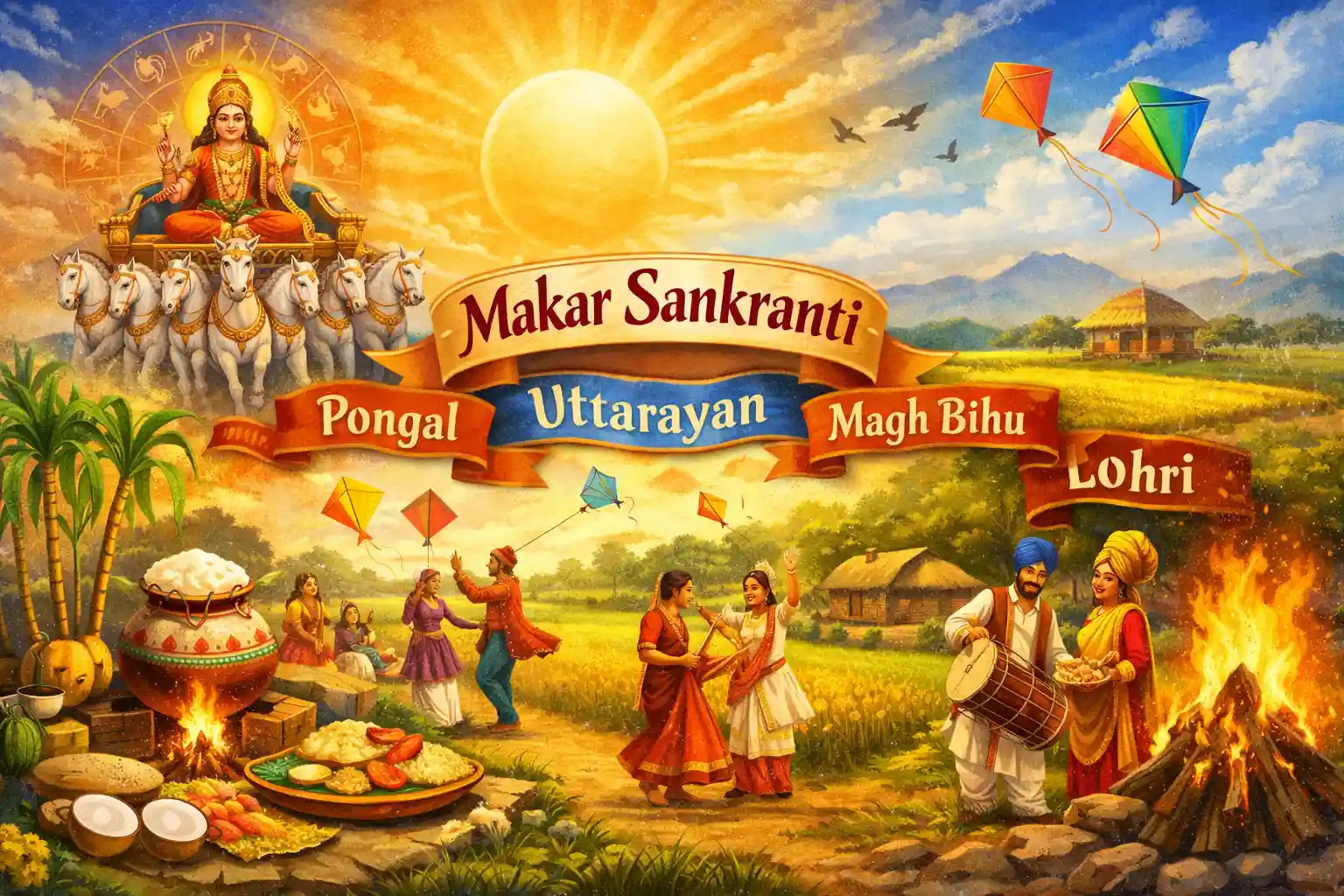
Makar Sankranti marks the transition of the sun into the zodiac sign of Capricorn. It symbolizes the end of longer nights and the beginning of brighter days. Across India, it is celebrated under different names such as Pongal, Uttarayan, Magh Bihu, and Lohri. Despite regional variations, the heart of the festival remains the same: gratitude for harvest, respect for nature, and hope for abundance.
Decorations during Makar Sankranti traditionally reflect these values. Natural materials, harvest symbols, sunlight, and warmth dominate the aesthetic. In 2026, eco-conscious decor aligns perfectly with the festival’s core meaning.
Why Choose Eco-friendly Decor in 2026
The environmental impact of synthetic colors, plastic decor items, and disposable decorations has become impossible to ignore. Chemical rangoli powders contaminate soil and water, plastic buntings end up in landfills, and artificial flowers rarely get reused.
Choosing eco-friendly Makar Sankranti decor helps you:
- Reduce waste and pollution
- Support local artisans and farmers
- Create a healthier home environment
- Pass sustainable values to the next generation
Eco-friendly decor does not mean compromising on beauty. In fact, natural elements bring warmth, texture, and authenticity that synthetic items can never match.
1. Rice Flour Rangoli with Traditional Patterns
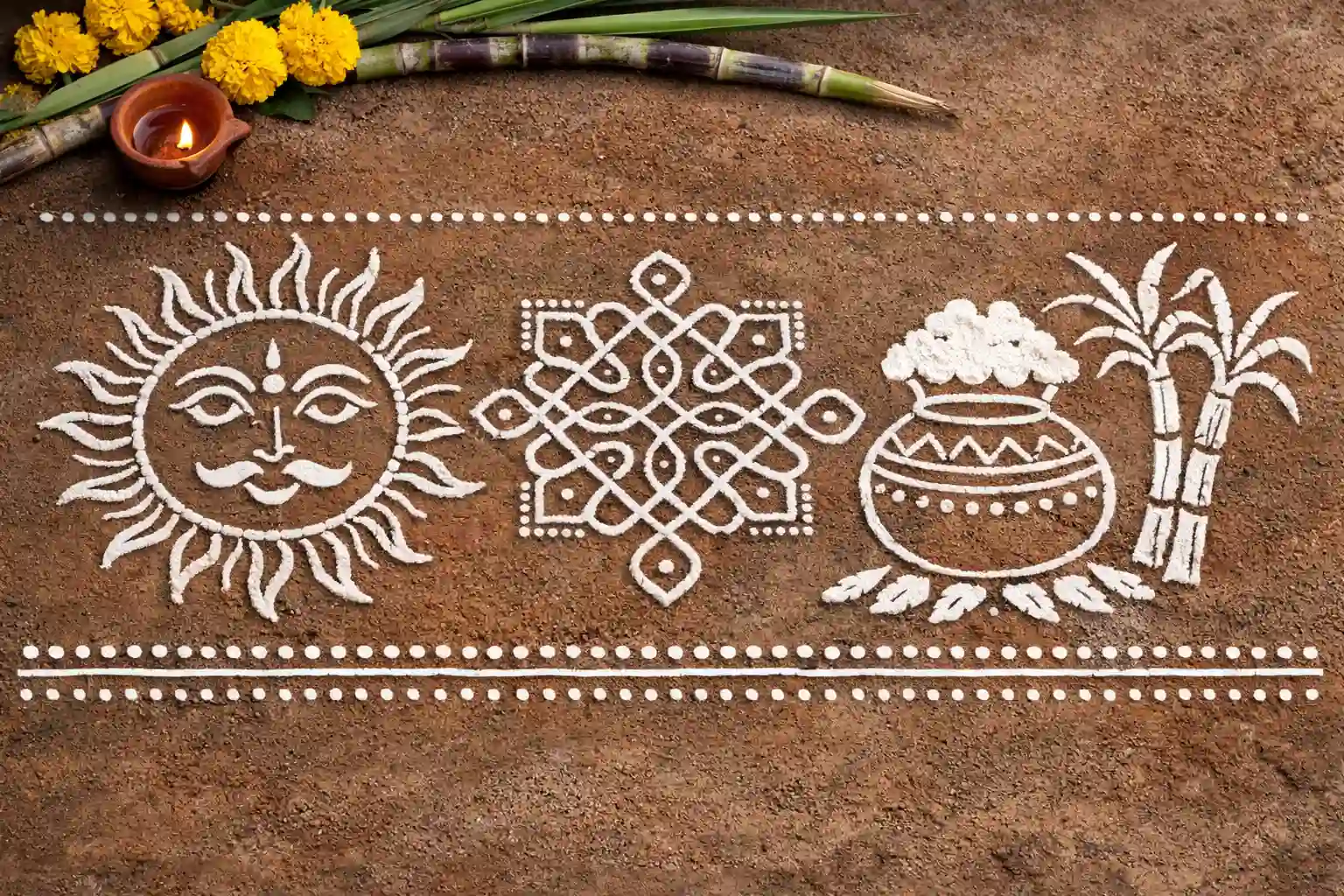
Rice flour rangoli is one of the oldest and most sustainable forms of floor art. It is biodegradable and even feeds ants and birds, reinforcing harmony with nature.
Ideas for 2026:
- Sun motifs symbolizing Surya Dev
- Geometric kolam inspired patterns
- Pongal pot or sugarcane designs
- Simple borders using dots and lines
Mix rice flour with a little water for smoother lines. For subtle color, blend in turmeric or dried leaf powder.
How to create it
- Sieve rice flour to make it fine.
- Mix with a little water for smooth flow, or use dry for traditional kolam style.
- Draw sun symbols, dots, or geometric patterns near the entrance.
- Add turmeric for yellow accents if desired.
Why it is eco-friendly
Rice flour returns to nature easily and feeds insects and birds.
Spiritual insight
Swami Mukundananda teaches that humility nourishes life just as food nourishes the body. Rice flour rangoli symbolizes offering sustenance back to nature, reminding us that abundance flows when we give selflessly.
2. Flower and Leaf Rangoli
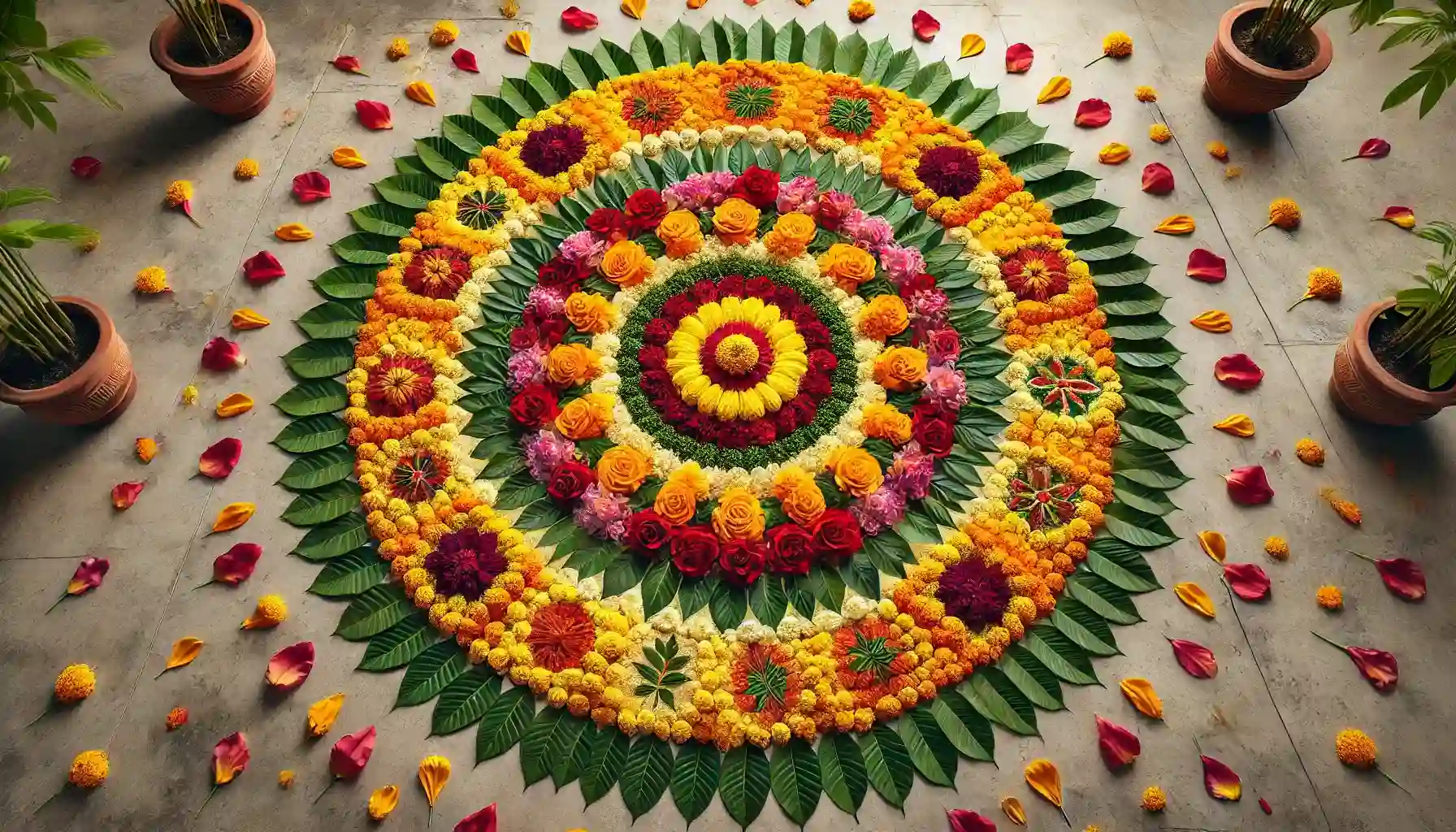
Fresh flowers and leaves create vibrant, fragrant rangoli designs that feel alive.
Best materials:
- Marigold petals for brightness
- Rose petals for softness
- Hibiscus for bold color
- Curry leaves, mango leaves, and tulsi
Arrange them in circular or sunburst patterns. You can also combine flowers with diyas for an elegant look.
Tip for 2026: Use flowers after pooja as compost for your plants.
How to create it
- Collect fresh flowers like marigold, rose, hibiscus, and leaves like mango or tulsi.
- Clean the floor and lightly sketch a design using chalk or rice flour.
- Fill sections with petals and leaves, starting from the center.
- Place a diya in the middle for a radiant effect.
Why it is eco-friendly
Flowers decompose naturally and can be composted later.
Spiritual insight
According to Swami Mukundananda, beauty offered with devotion uplifts the heart. Flower rangoli reminds us that nature itself is the most divine ornament.
3. Rangoli Using Grains and Pulses
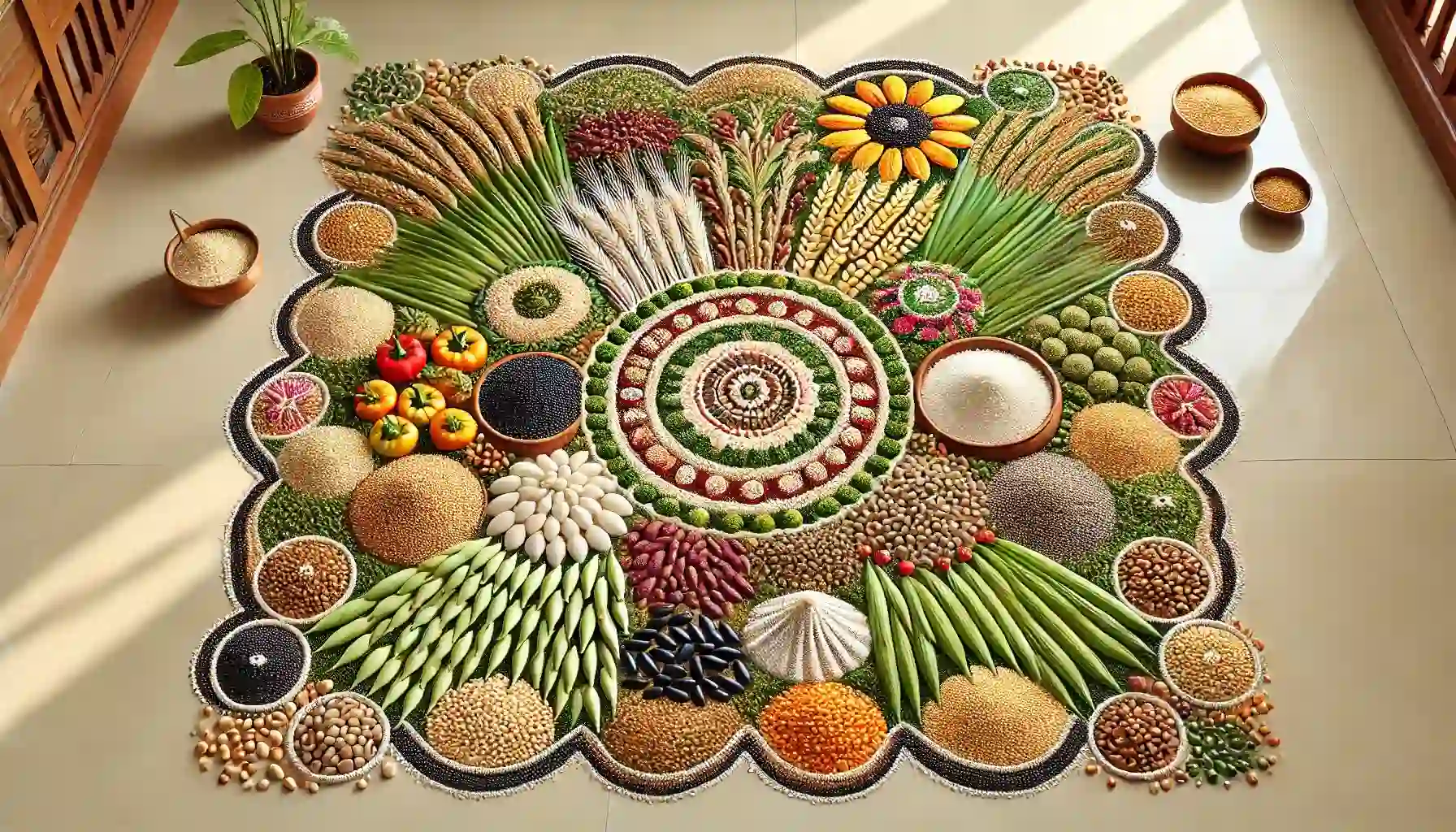
Celebrate the harvest literally by using grains.
Popular choices:
- Rice, wheat, and millets
- Black gram, green gram, lentils
- Sesame seeds to honor Sankranti traditions
These rangolis look earthy and symbolic. After the festival, you can donate the grains to birds or reuse them in your kitchen if kept clean.
How to create it
- Choose grains like rice, wheat, millets, lentils, and sesame seeds.
- Outline a simple design using chalk.
- Fill each section with different grains for contrast.
- Keep it indoors or in a protected area.
Why it is eco-friendly
It celebrates harvest directly and avoids artificial materials.
Spiritual insight
Swami Mukundananda often speaks of gratitude for food as sacred energy. Using grains in decor is a living prayer of thankfulness for nourishment.
4. Natural Color Rangoli Powders
Instead of chemical colors, create your own natural powders:
- Turmeric for yellow
- Kumkum for red
- Dried spinach or neem leaves for green
- Charcoal powder for black
- Rice flour for white
This method is especially popular for homes with children and pets.
How to create it
- Dry turmeric, neem leaves, spinach leaves, or beetroot peels.
- Grind them into fine powders.
- Store in small bowls.
- Use them like regular rangoli colors.
Why it is eco-friendly
No chemicals, safe for children, pets, and soil.
Spiritual insight
Purity in materials reflects purity in intention. Natural colors symbolize sattvic living, a concept Swami Mukundananda highlights for mental peace.
Sustainable Entrance and Door Decor Ideas
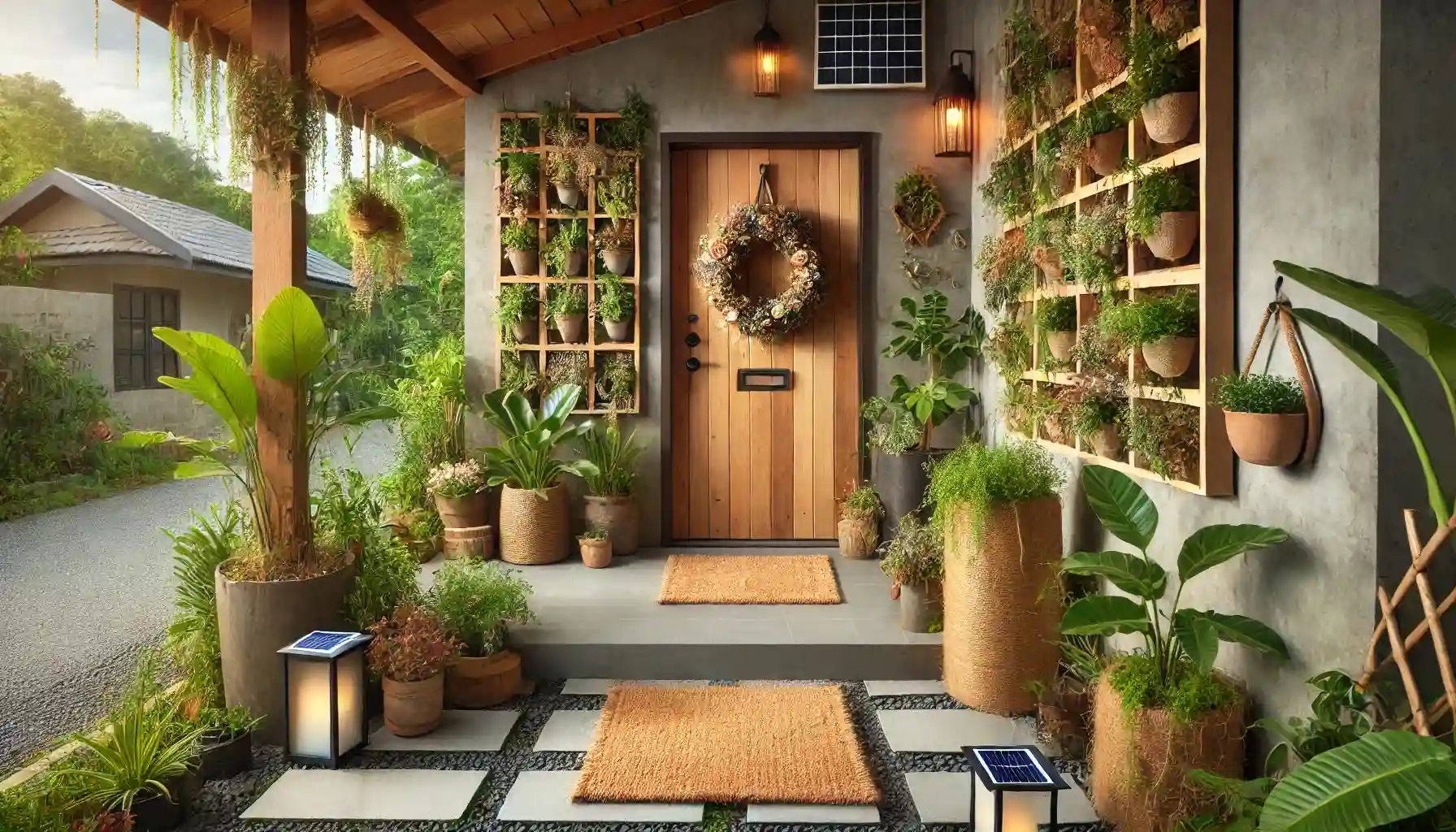
1. Mango Leaf Torans with Flowers
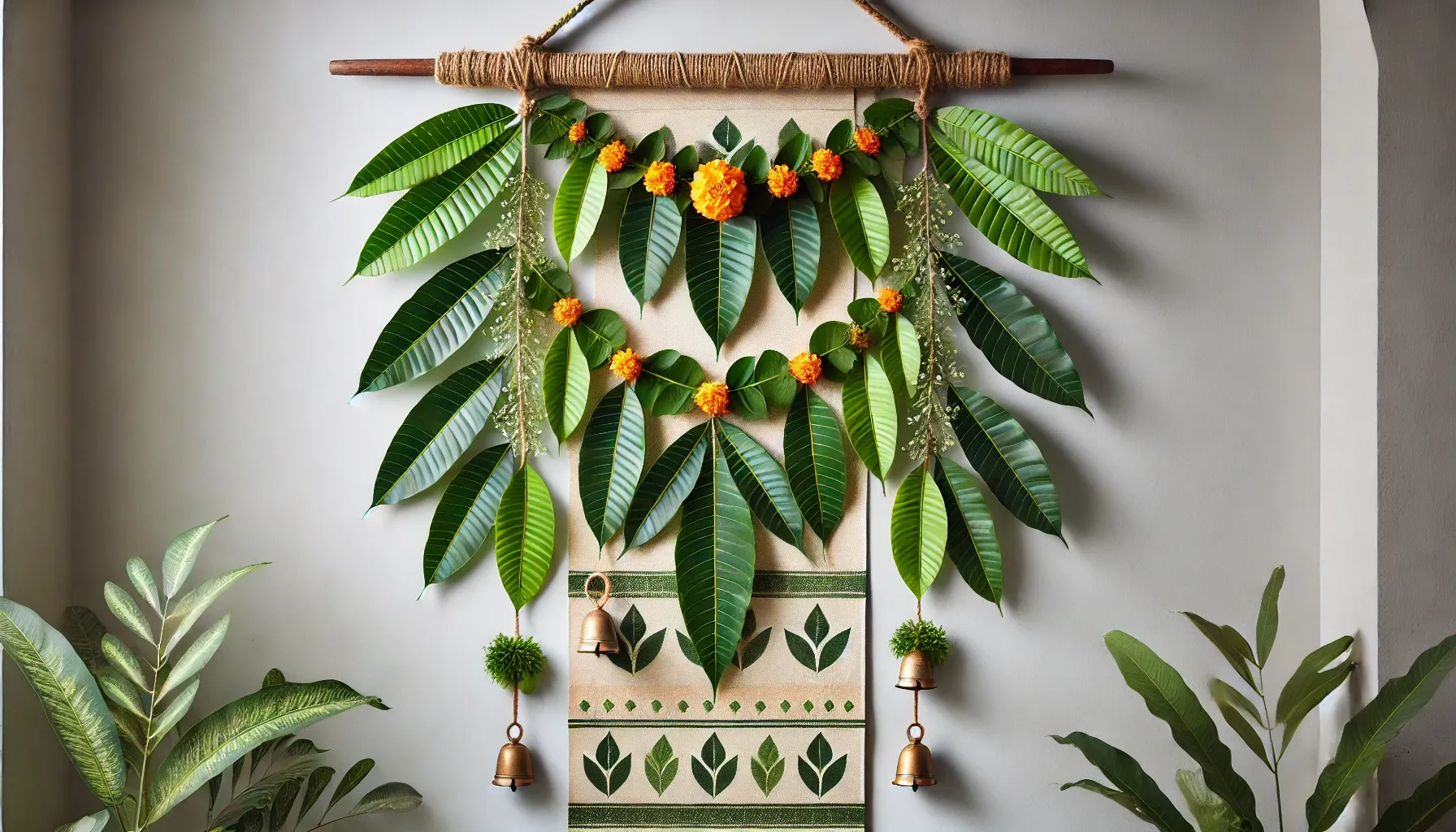
Mango leaves symbolize prosperity and positivity. Combine them with marigolds or dried flowers using cotton thread or jute rope.
For 2026, try:
- Minimalist torans with spaced leaves
- Layered torans with bells made of clay
- Reusable cloth torans with leaf prints
- 1. Mango Leaf and Flower Toran
How to create it
- Collect fresh mango leaves and marigolds.
- Use cotton thread or jute rope.
- Alternate leaves and flowers, tying securely.
- Hang across the doorframe.
Spiritual insight
Swami Mukundananda explains that inviting positivity begins with intention. A natural toran symbolizes welcoming auspicious energies into the home.
2. Sugarcane Sticks as Entrance Accents
Sugarcane is closely linked to Makar Sankranti. Place small sugarcane sticks on either side of the entrance or near the pooja area.
They add height, symbolism, and a festive rural touch without any waste.
How to create it
- Take two short sugarcane sticks.
- Clean them and trim edges neatly.
- Place them on either side of the entrance or pooja area.
- Decorate lightly with flowers.
Spiritual insight
Sugarcane represents sweetness through hardship. Swami Mukundananda often reminds us that patience transforms challenges into sweetness, just like sugarcane juice.
3. Clay and Terracotta Hangings
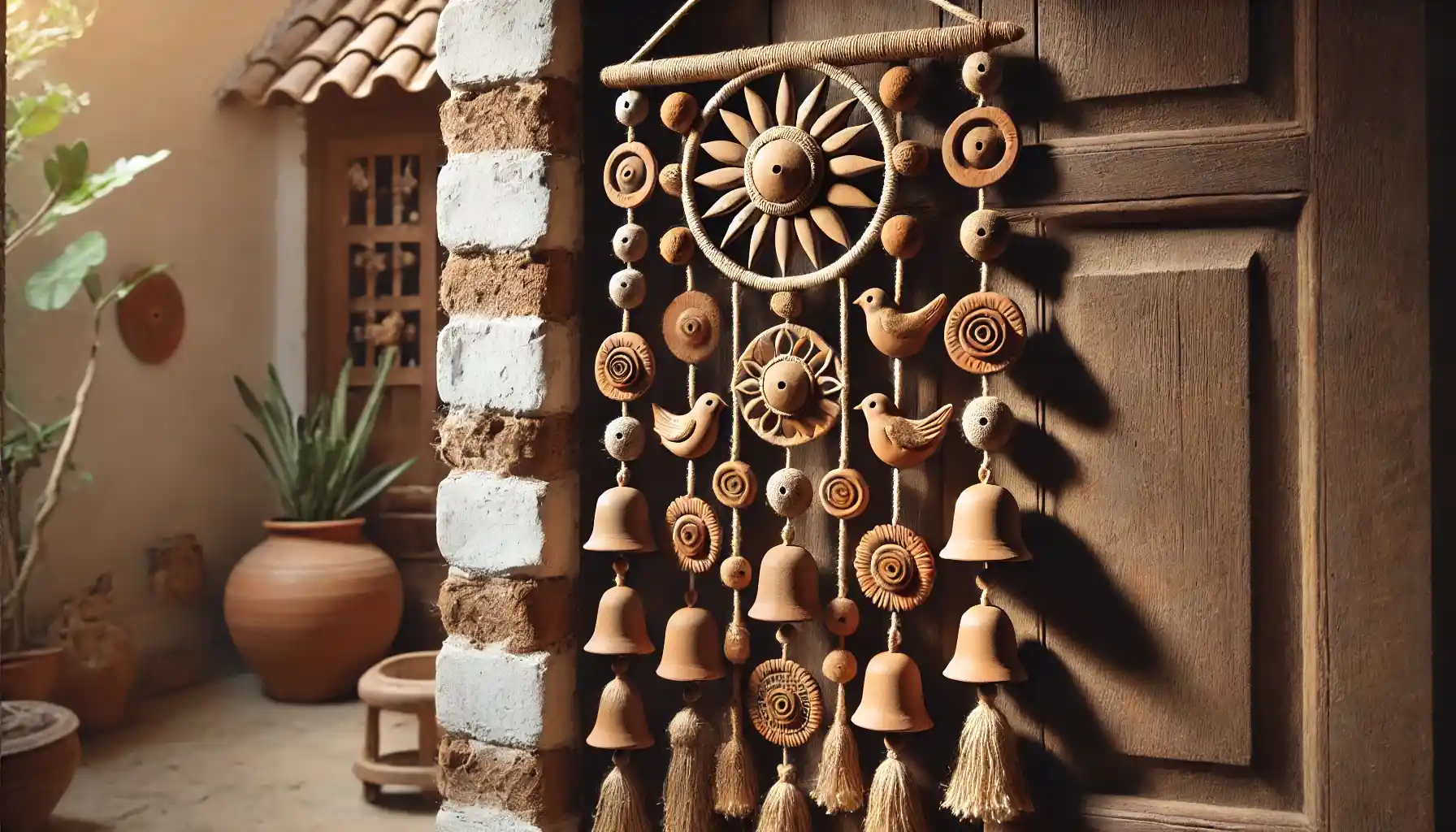
Handmade terracotta bells, birds, and sun motifs make beautiful door hangings. They are durable, reusable, and support local artisans.
Choose earthy tones to maintain a natural aesthetic.
How to create it
- Buy or make clay bells or sun motifs.
- Thread them using jute string.
- Hang near doors or windows.
Spiritual insight
Earth elements ground the mind. Clay decor reflects Swami Mukundananda’s teaching that staying rooted brings spiritual stability.
Eco-friendly Living Room Decor for Makar Sankranti
1. Earthen Diyas and Oil Lamps
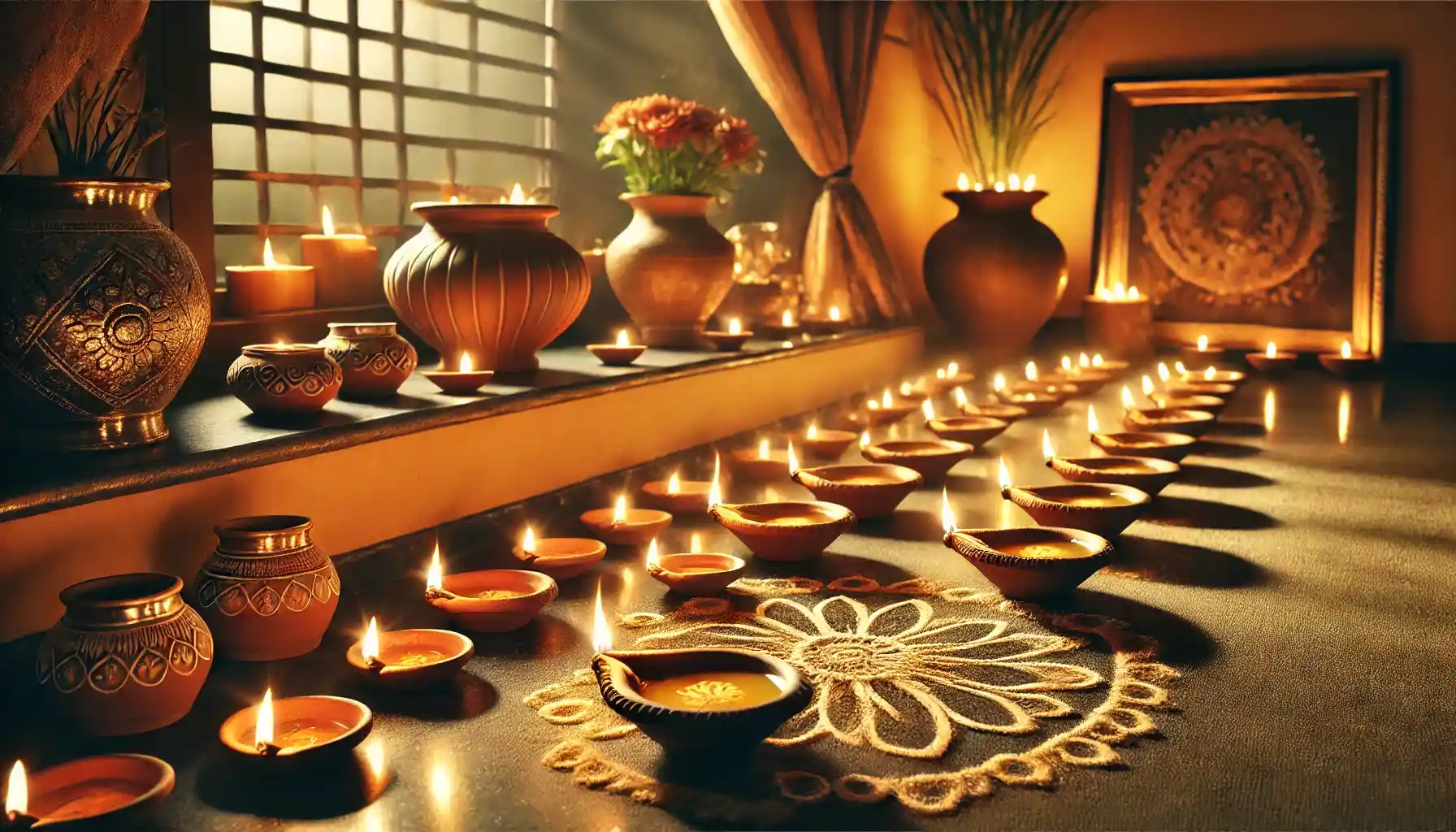
Replace electric lights with clay diyas using mustard oil or ghee. Arrange them on windowsills, corners, and near rangoli designs.
Safety tip: Use metal or clay plates under diyas to protect surfaces.
How to create it
- Buy unpainted clay diyas.
- Clean and dry them.
- Fill with mustard oil or ghee.
- Place near rangoli or windows.
Spiritual insight
Light symbolizes knowledge. Swami Mukundananda teaches that lighting a lamp is a reminder to illuminate our own consciousness.
2. Handloom Textiles and Cushion Covers
Swap synthetic cushion covers with handloom cotton or khadi fabrics. Choose warm shades like mustard, rust, and green to reflect the harvest mood.
In 2026, sustainable interiors are all about texture and comfort rather than excess shine.
How to create it
- Replace synthetic cushion covers with cotton or khadi.
- Choose earthy tones.
- Wash and reuse year after year.
Spiritual insight
Simple living enhances clarity of mind, a principle Swami Mukundananda strongly advocates
3. Brass and Copper Accents
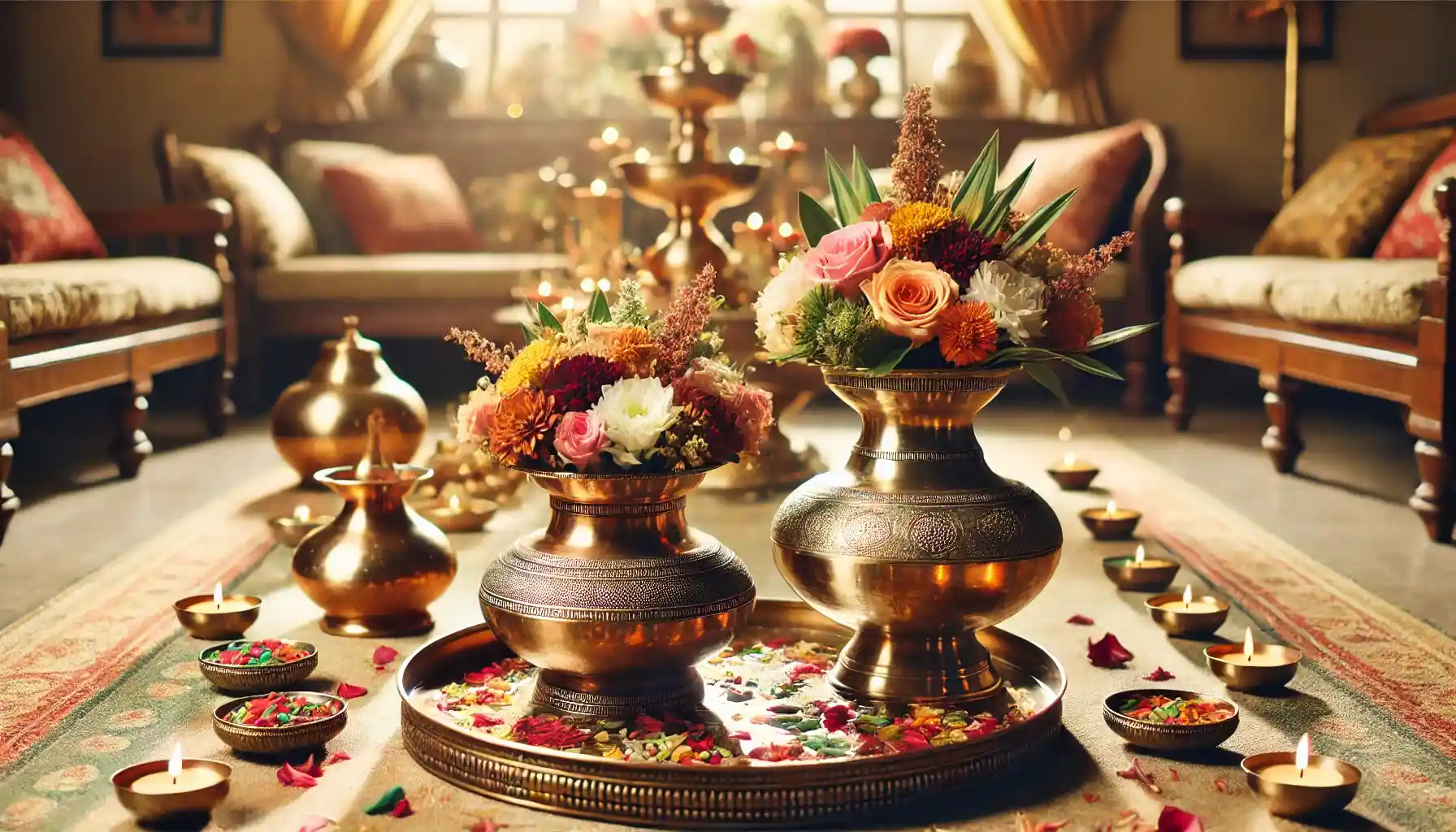
Use traditional brass or copper vessels as decor pieces. Fill them with flowers, grains, or water with floating petals.
These metals are long lasting and add a timeless festive charm.
How to create it
- Polish old vessels.
- Fill with flowers or grains.
- Place them as centerpieces.
Spiritual insight
Traditional metals signify longevity and discipline, mirroring the steady spiritual practice Swami Mukundananda encourages.
Eco-friendly Kitchen and Dining Decor
The kitchen is the heartof Makar Sankranti celebrations.
1. Display Traditional Utensils
Bring out brass pots, stone grinders, wooden ladles, and clay cookware. Arrange them neatly on shelves or counters.
They serve as decor while reminding us of slow, mindful cooking.
How to create it
- Arrange brass pots, wooden ladles, stone grinders neatly.
- Clean thoroughly before display.
Spiritual insight
Swami Mukundananda emphasizes mindfulness in daily actions. Traditional tools slow us down and bring awareness.
2. Banana Leaf and Natural Fiber Table Decor
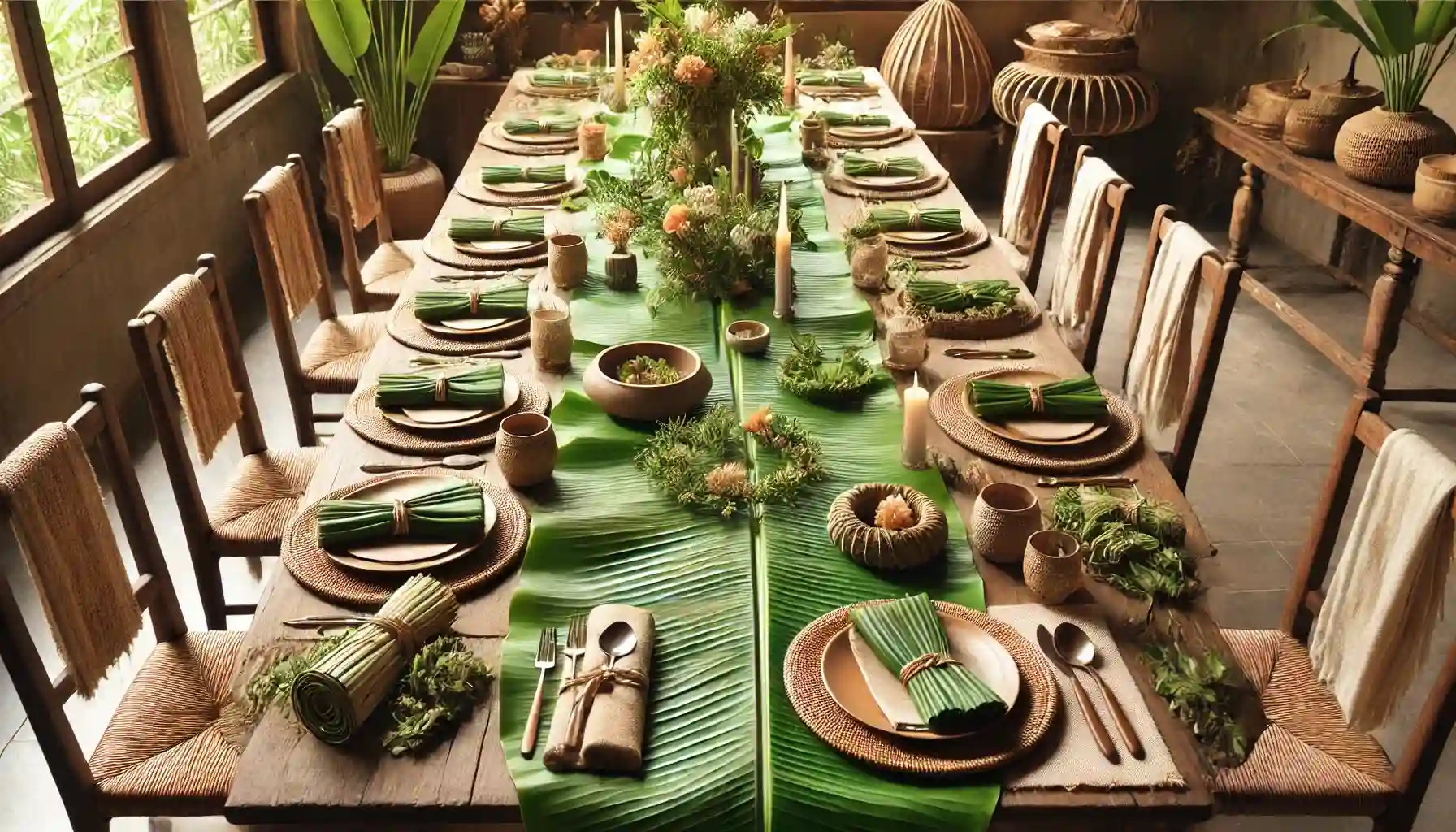
If you are hosting a Sankranti meal:
- Use banana leaves or areca leaf plates
- Cotton or jute table runners
- Steel or brass tumblers
This setup is festive, biodegradable, and deeply traditional.
How to create it
- Clean banana leaves.
- Use as plates or table decor.
- Dispose responsibly after use.
Spiritual insight
Eating with gratitude turns food into prasad, a concept Swami Mukundananda often explains.
3. Sesame and Jaggery Corner
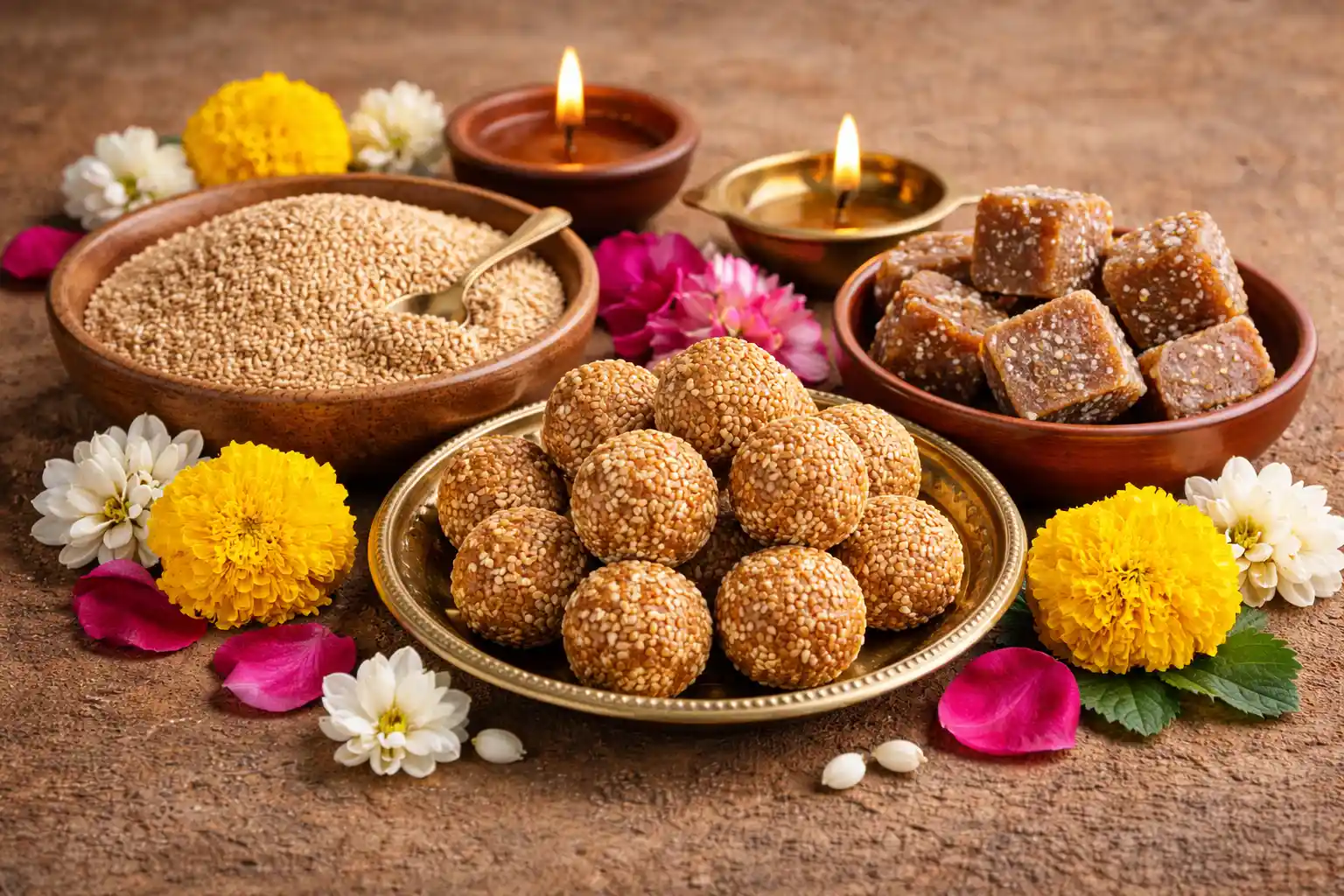
Create a small display using sesame seeds, jaggery blocks, ladoos, and bowls. It works as both decor and offering.
How to create it
- Arrange sesame seeds, jaggery, and ladoos in bowls.
- Decorate with flowers.
Spiritual insight
Sweetness and warmth symbolize harmonious relationships, a key message in Swami Mukundananda’s discourses.
Balcony and Outdoor Decoration Ideas
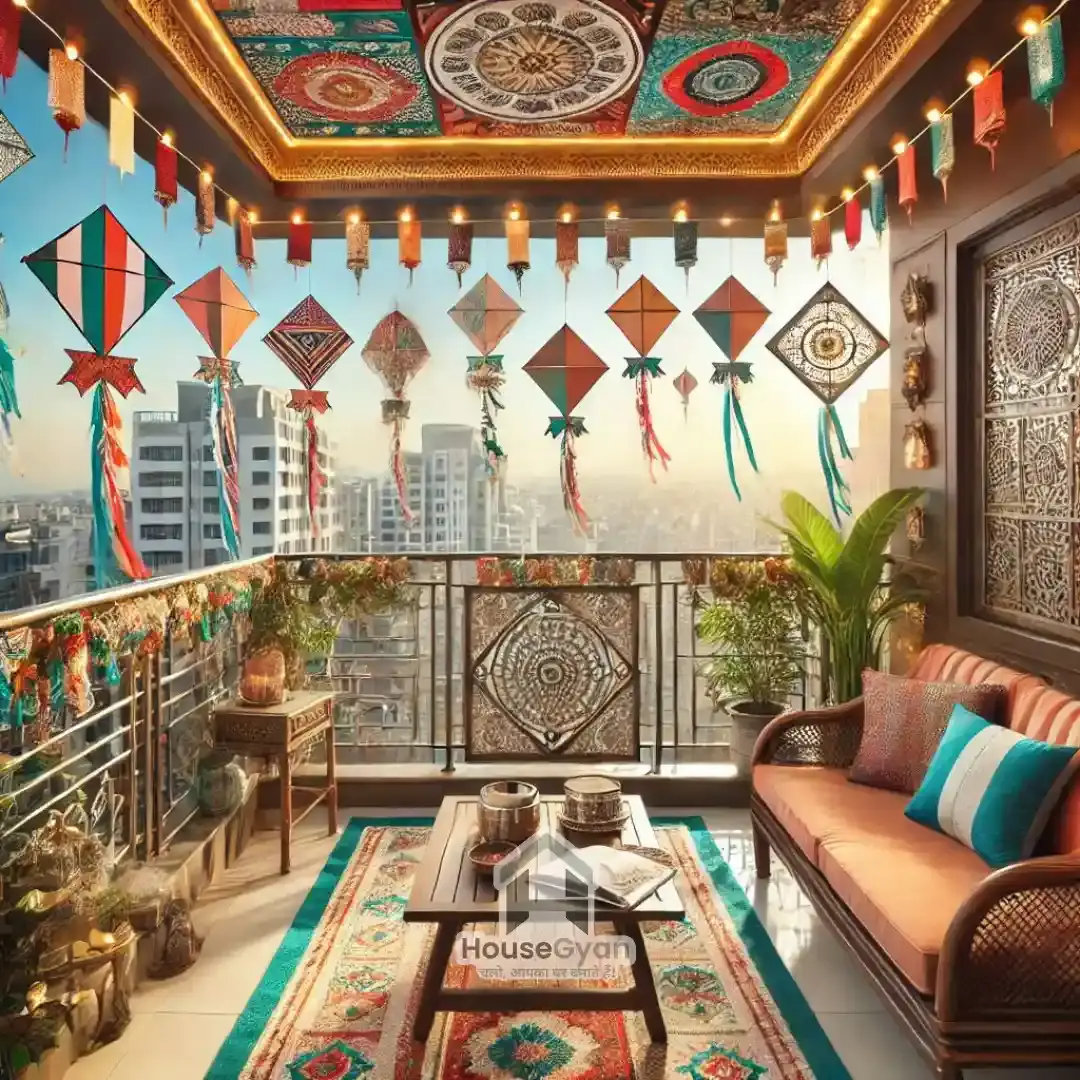
1. Kite Inspired Eco Decor
Instead of plastic kites, use:
- Paper kites
- Fabric kites stitched from old dupattas
- Painted cardboard kites
Hang them with cotton thread on balconies or walls.
How to create
Make paper or cloth kites, hang with cotton thread.
Insight: Elevation of thoughts leads to joy.
2. Plant Based Decor
Decorate with potted plants, especially flowering varieties like chrysanthemums or marigolds. Tie small bells or cloth ribbons to pots.
Plants continue to give joy long after the festival ends.
3. Solar Lanterns
For 2026, solar powered lanterns are a perfect blend of tradition and innovation. Place them outdoors for soft evening lighting
Pooja Room Eco-friendly Decoration
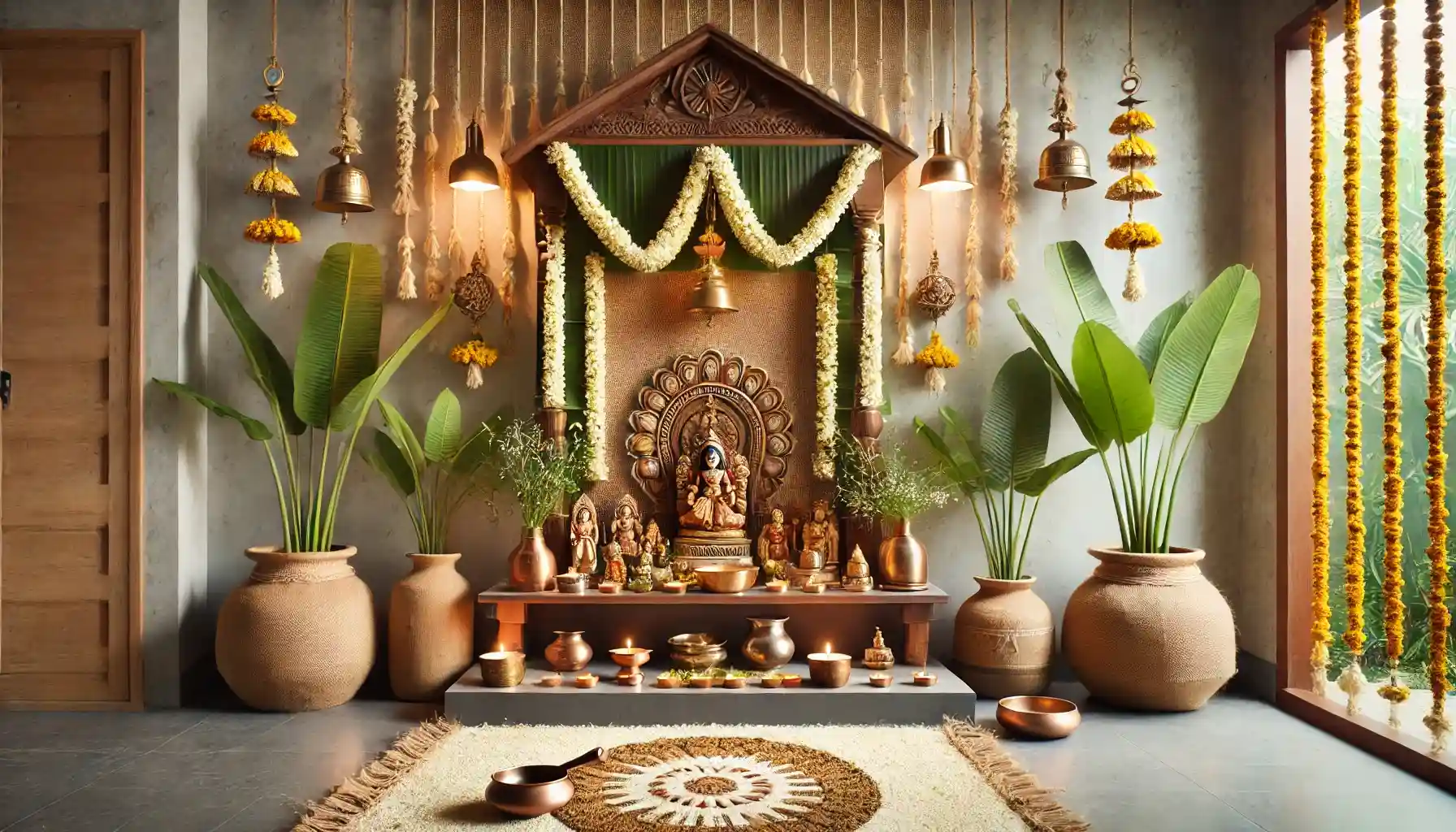
1. Fresh Flowers Over Plastic Garlands
Use jasmine, marigold, lotus, or seasonal flowers. Avoid artificial garlands that shed microplastics.
2. Clay Idols and Symbols
If you use idols or sun symbols, choose unpainted clay or natural colors. After the festival, immerse or place them in your garden soil
3. Minimalism with Meaning
In 2026, less is more. Focus on cleanliness, fragrance, and light rather than crowding the pooja space.
Kid Friendly Eco Decoration Activities
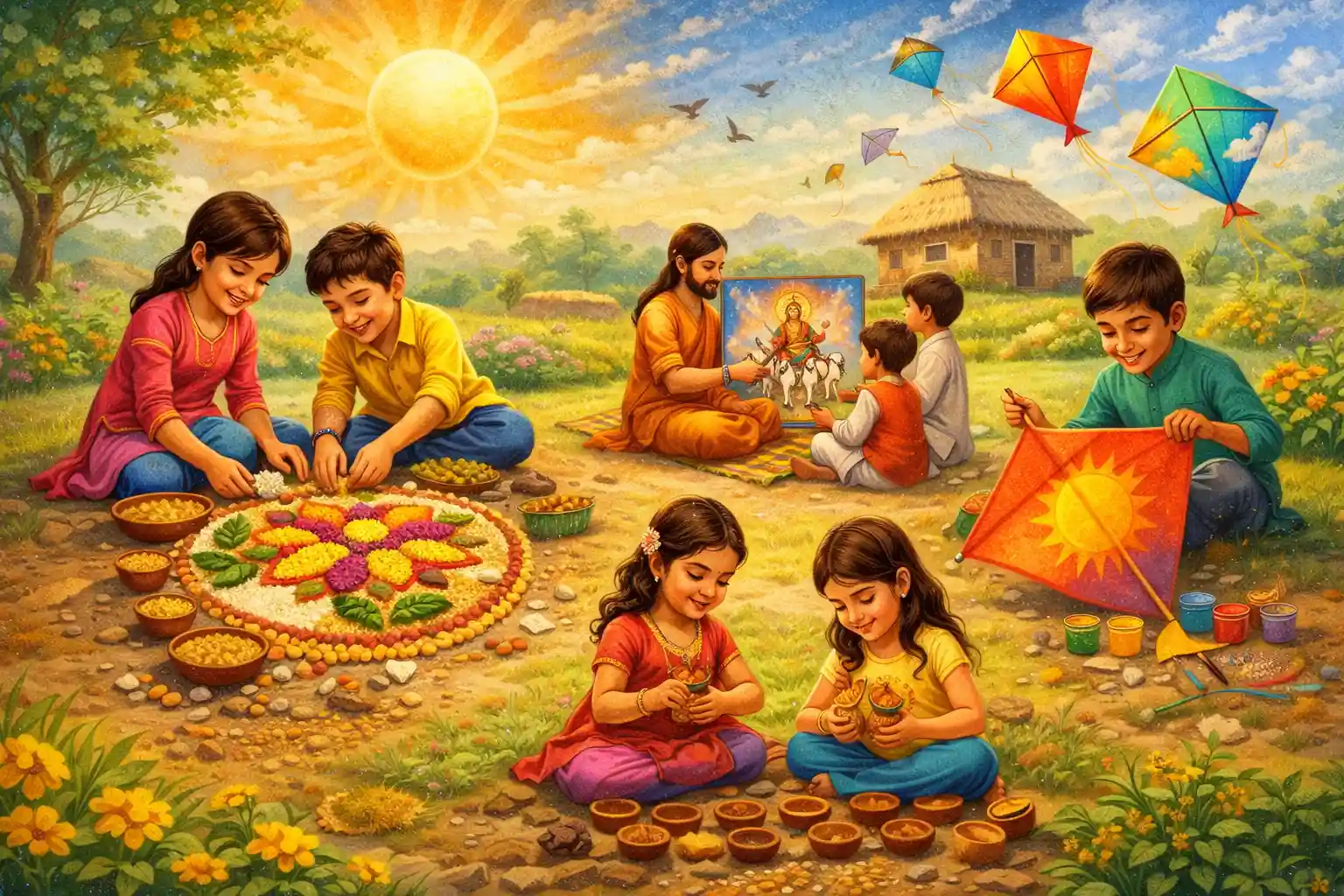
Ideas include:
- Making rangoli with pulses
- Painting paper kites
- Creating diya holders from clay
- Learning the story of Makar Sankranti
These activities build creativity and respect for nature.
Eco-friendly Decoration Mistakes to Avoid
Even with good intentions, some choices may not be truly sustainable.
Avoid:
- Plastic flowers labeled as reusable but rarely reused
- Glitter and thermocol items
- Chemical scented candles
- Excessive water wastage during cleaning
True eco-friendly decor focuses on simplicity and reuse.
Reusing and Storing Decorations After Makar Sankranti
A sustainable celebration continues even after the festival ends.
Tips:
- Compost flowers and leaves
- Wash and store cloth decor neatly
- Reuse grains wisely
- Keep clay items safely for next year
In 2026, mindful storage is part of eco living.
Makar Sankranti Decor Trends for 2026
Some key trends you will notice this year:
- Natural textures over glossy finishes
- Earthy color palettes
- Handmade and local products
- Multi use decor items
- Low waste celebrations
These trends are rooted in tradition and aligned with modern sustainability.
A Festival That Reflects Our Choices
As I think back to my grandmother’s rangoli, I realize she was practicing sustainability long before it became a buzzword. She used what the earth offered, returned what she could, and celebrated with gratitude.
Makar Sankranti 2026 gives us an opportunity to do the same. By choosing eco-friendly rangoli and home decoration ideas, we honor the sun, the soil, and the cycle of life. Our homes become warmer, our celebrations more meaningful, and our impact on the planet gentler.
This year, let your decor tell a story of respect, renewal, and responsibility. Let it begin at your doorstep, flow through your rangoli, and shine in every diya you light.
The morning sun rose gently over the courtyard, and as my grandmother began drawing rangoli with rice flour, she softly whispered a prayer of gratitude. Watching her, I understood something profound: decoration was not about display, but about devotion. This idea beautifully aligns with the teachings of Swami Mukundananda, who often emphasizes that true celebration is an expression of inner consciousness, not outer extravagance.
As we move into 2026, eco-friendly Makar Sankranti decor becomes a way to align our outer actions with inner values. Below, each decoration idea now includes how to create it step by step, along with spiritual reflections inspired by Swami Mukundananda’s teachings on simplicity, gratitude, and harmony with nature.
CTA
🌼 Celebrate Makar Sankranti 2026 with joy, color, and consciousness! 🌞
Bring your home alive with eco-friendly rangoli and sustainable decor that honors tradition and protects nature. ✨ Try these ideas, share them with loved ones, and spread the warmth of a mindful Sankranti celebration!
✨ 👉 Subscribe to Swami Mukundananda’s YouTube Channel
Join thousands in accessing the Gita wisdom, mind management, bhakti yoga, and transformational guidance that can light your entire year.
FAQS
1. Why is eco-friendly decor important for Makar Sankranti in 2026?
Eco-friendly decor aligns with the true spirit of Makar Sankranti, which celebrates nature, harvest, and gratitude. Using natural materials reduces waste, protects the environment, and reflects mindful living rooted in tradition.
2. What are the best materials for making eco-friendly rangoli?
The best materials include rice flour, turmeric, kumkum, flower petals, leaves, grains, pulses, and natural color powders made from dried herbs or vegetables. These are biodegradable and safe for the home and surroundings.
3. How can I decorate my home for Makar Sankranti without using plastic?
You can use clay diyas, terracotta decor, mango leaf torans, sugarcane, handloom fabrics, brass or copper vessels, fresh flowers, and reusable cloth or paper kites instead of plastic items.
4. Can Sankranti decorations also be used as offerings?
Yes, many eco-friendly decorations such as sesame seeds, jaggery blocks, ladoos, grains, and flowers double as festive decor and sacred offerings, making the celebration both meaningful and waste-free.
5. How do Swami Mukundananda’s teachings connect with eco-friendly festival decor?
Swami Mukundananda emphasizes simplicity, gratitude, and harmony with nature. Eco-friendly decor reflects these values by encouraging conscious choices, reducing excess, and transforming celebration into a spiritually uplifting experience.
Resources
- JKYog (Jagiadguru Kripalu Yog Trust)
Articles and spiritual insights on Indian festivals, sustainable living, and devotional practices.
https://www.jkyog.org/blog/ - Radha Krishna Temple of Dallas (RKT)
Cultural and festival celebrations reflecting traditional observances of Makar Sankranti and related harvest festivals.
https://www.radhakrishnatemple.net/blog/ - Swami Mukundananda – Discourses & Teachings
Spiritual teachings on gratitude, simplicity, harmony with nature, and mindful celebrations.
https://www.jkyog.org/swami-mukundananda/
Related blogs you may be interested