Introduction
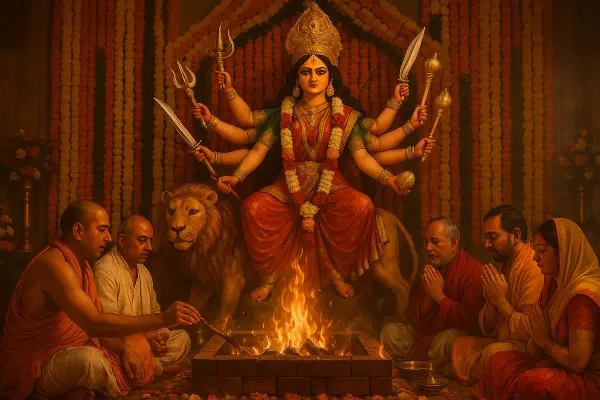
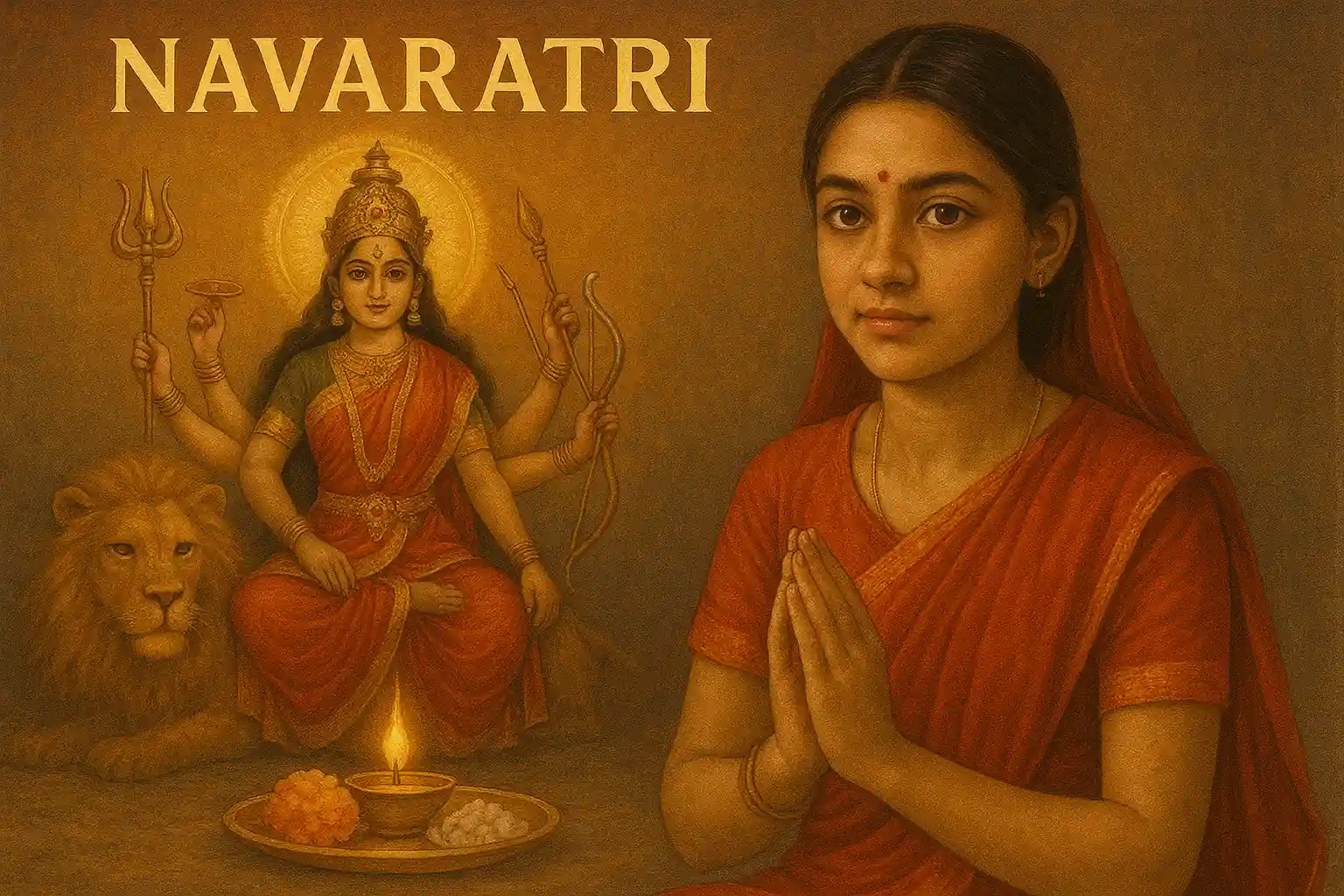
Navratri, one of the most celebrated Hindu festivals, is a vibrant nine-night spiritual journey dedicated to the Divine Mother, Durga.
Navratri is incomplete without Garba and Dandiya, where the joyous dance celebrates Maa Durga’s victory and fills the nights with divine energy. Clad in colorful attire, devotees gather to dance, rejoice, and honor the Divine Mother in an atmosphere of joy and reverence.
At Radha Krishna Temple of Dallas, the Navratri Mahotsav 2025 offers unforgettable evenings filled with Garba, Dandiya, Durga Pooja, children’s activities, delicious food, and vibrant cultural programs. As lamps glow and music fills the air, the community comes together in a beautiful celebration of tradition, devotion, and festivity—an experience of Navratri magic like never before.
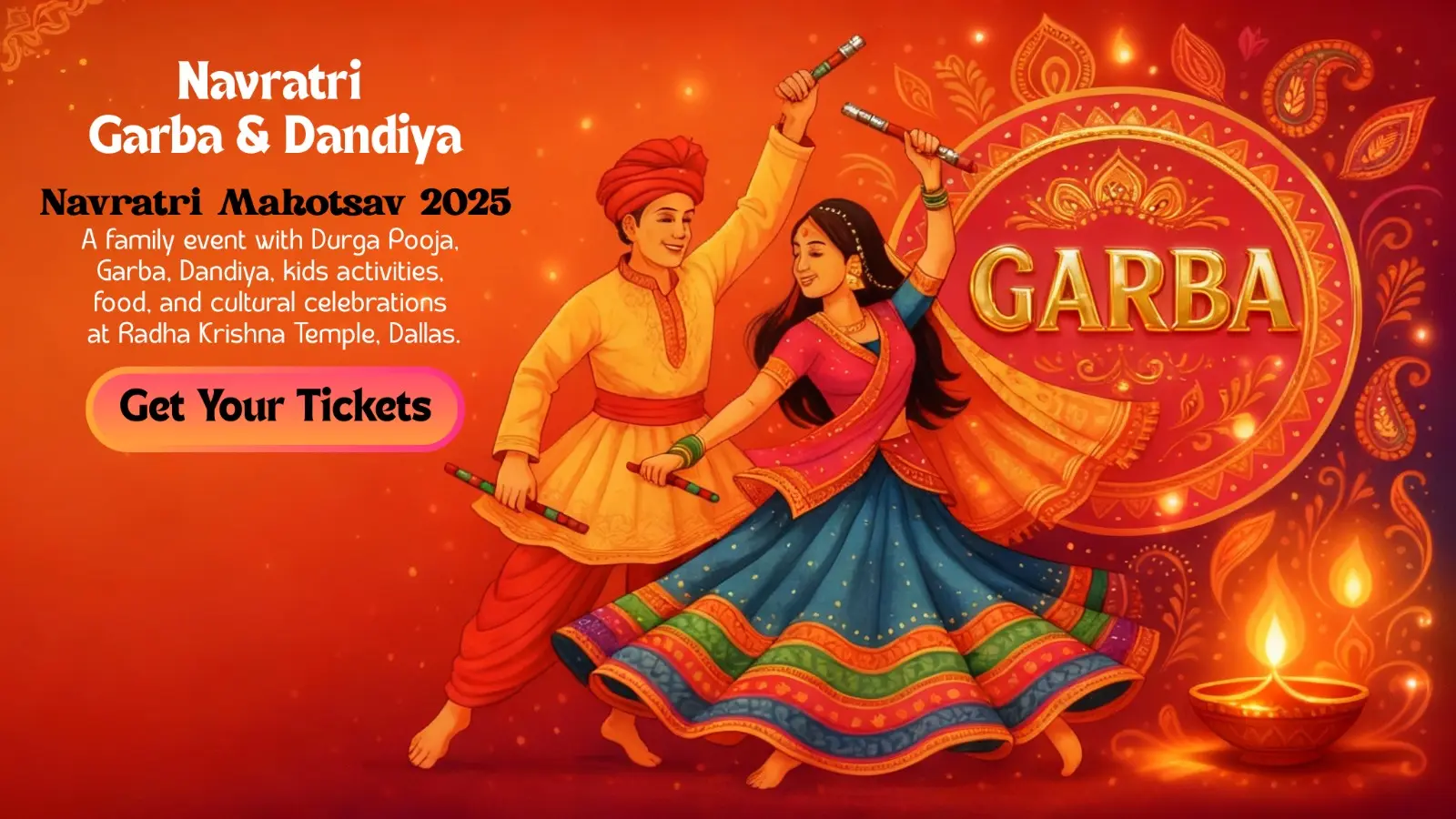
Join us at the celebration; get your tickets today!
Radha Krishna Temple of Dallas | Navratri Mahostav 2025 | Garba & Dandiya Tickets
Navratri is marked by devotional singing, prayer, cultural festivities—and most prominently, fasting. For millions, fasting during Navratri is a revered tradition passed down for generations. However, over time, many have come to follow this practice mechanically, often focusing on what foods are allowed rather than why they are fasting in the first place.
In the words of Swami Mukundananda, a renowned spiritual teacher and founder of Jagadguru Kripaluji Yog, "True spirituality begins when the heart turns towards God." This simple yet profound truth invites us to reflect: Are we observing Navratri fasts with true devotion, or have they become empty rituals?
This blog dives deep into the purpose, physical and spiritual benefits, and devotional essence of fasting during Navratri. It emphasizes the path of Bhakti (devotion) over ritualism, shedding light on how we can transform this beautiful tradition into a genuine offering to the Divine.
The Origins and Purpose of Fasting During Navratri
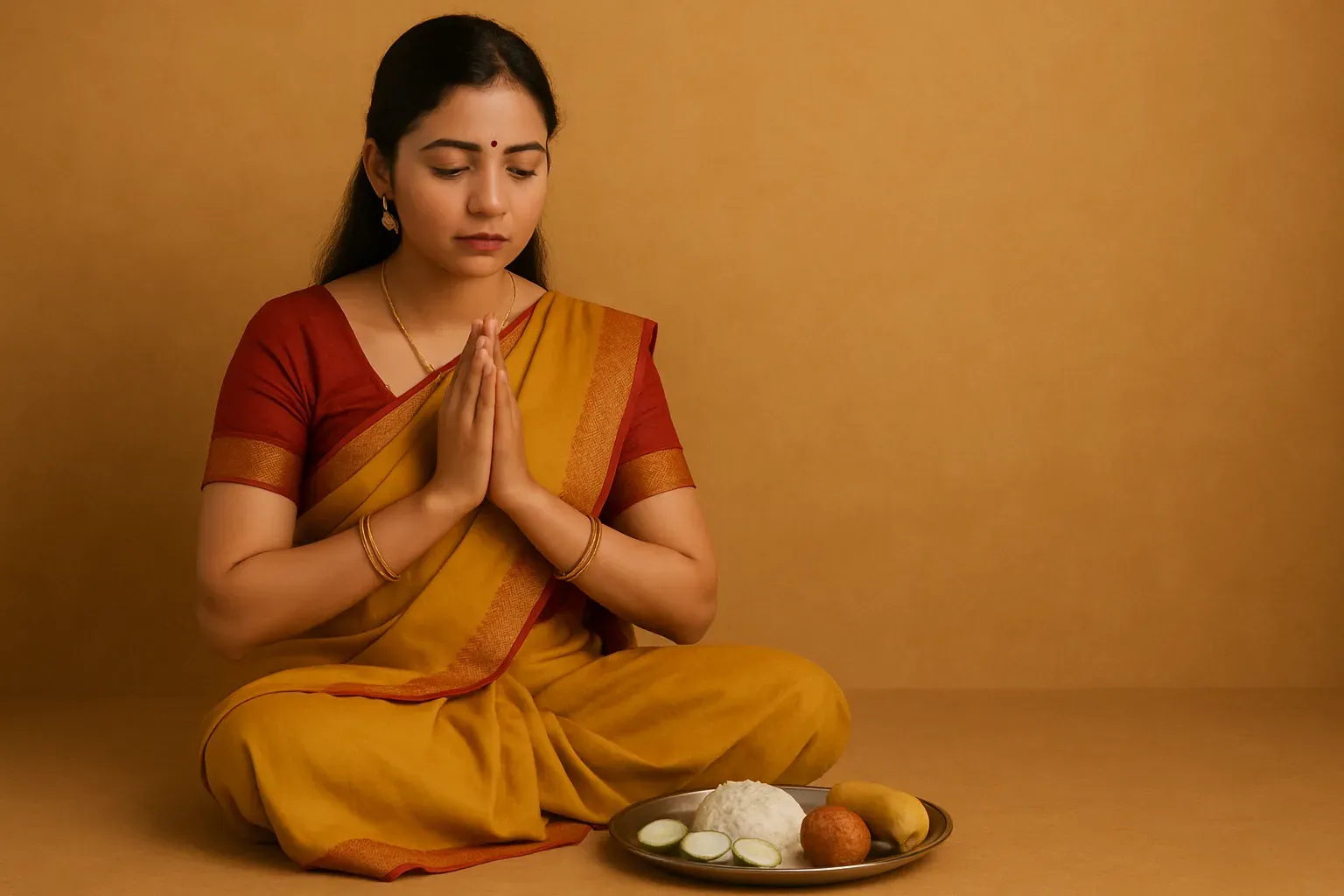
Navratri is observed four times a year, with Sharad Navratri (in autumn) being the most popular. It symbolizes the victory of good over evil, with each day dedicated to a different form of Goddess Durga.
Fasting during Navratri is not a standalone ritual—it is a spiritual practice (sadhana) designed to cleanse the body, mind, and soul. In ancient times, sages practiced fasting (upvaas) to achieve mental clarity and spiritual elevation. The Sanskrit term "Upvaas" literally means "staying close to God" (upa = near, vas = to stay), not simply abstaining from food.
Fasting was originally intended to:
- Enhance concentration and meditation
- Subdue the senses and reduce worldly distractions
- Create an atmosphere conducive to inner reflection and prayer
- Promote discipline and self-restraint
Over time, however, the external observance took precedence over the internal purpose. Today, fasting is often reduced to choosing foods from a "Navratri-approved" list, with elaborate vrat recipes replacing heartfelt prayers.
The Physical and Psychological Benefits of Navratri Fasting
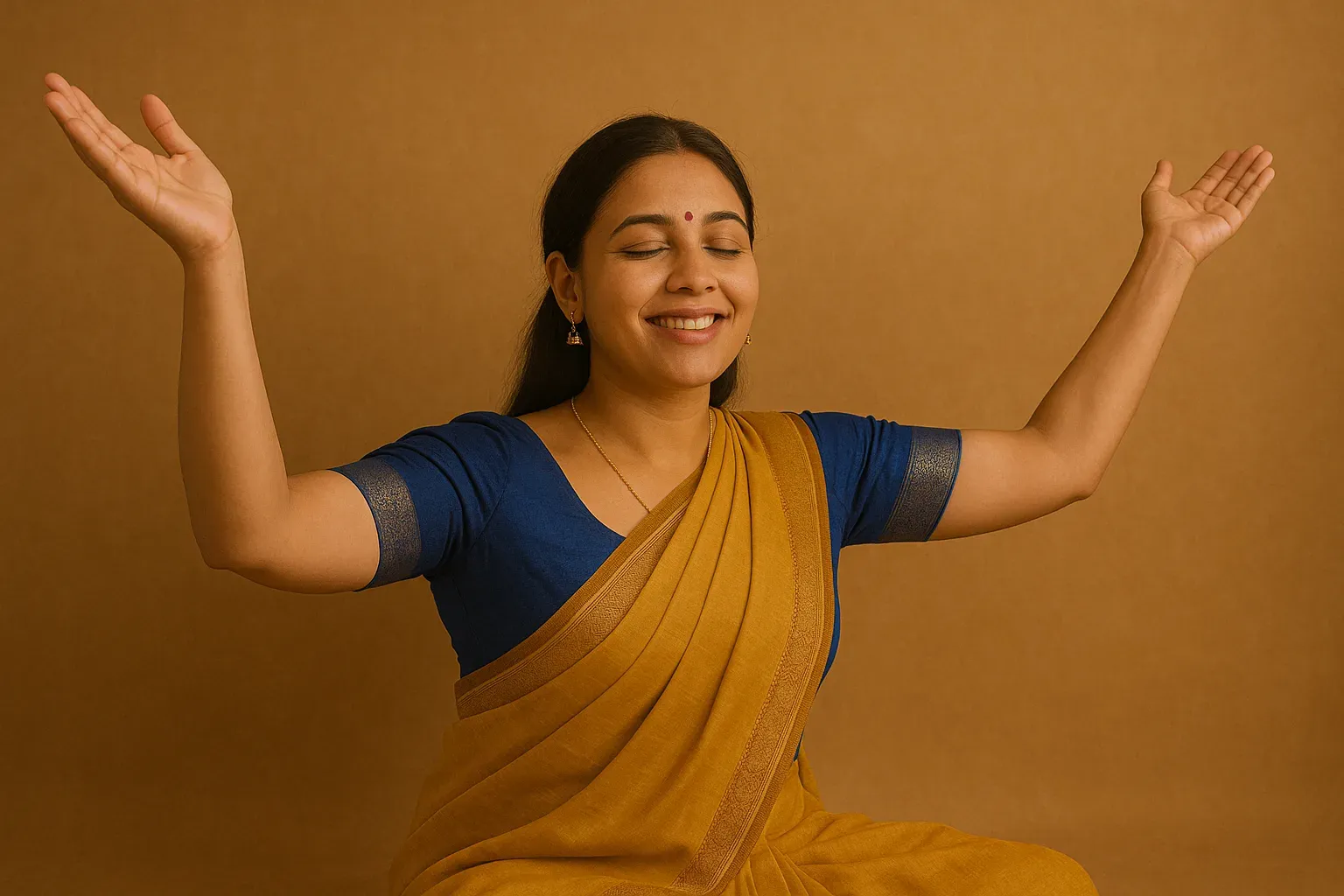
Fasting during Navratri also coincides with seasonal transitions, especially from monsoon to autumn, when the immune system is naturally more vulnerable. Ayurveda and modern science both recognize the health benefits of fasting during such periods:
1. Detoxification
Eliminating grains, meats, and processed foods during fasting helps the digestive system flush out toxins and rejuvenate itself.
2. Improved Digestion
Simple foods like fruits, rock salt, root vegetables, and light dairy are easier to digest and allow the gut to rest and repair.
3. Mental Clarity
Reduced food intake often leads to improved mental alertness and focus. When the stomach is not overburdened, the mind can turn inward more easily.
4. Discipline and Willpower
Voluntary abstinence builds mental strength, self-control, and a sense of detachment from indulgence.
However, these benefits are secondary to the main goal of Navratri fasting—which is spiritual upliftment through devotion and surrender to the Divine Mother.
The Spiritual Perspective: Fasting as a Tool for Bhakti
In his discourses, Swami Mukundananda often emphasizes that Bhakti (loving devotion to God) is the highest form of spiritual practice. He cautions against performing rituals mechanically, without understanding or devotion.
“It is not the ritual that pleases God, but the sincerity of the heart performing it.”
– Swami Mukundananda
When observed correctly, fasting becomes a means to cultivate deeper love for God. Let us explore how fasting can support our Bhakti Sadhana (devotional practice):
1. Creating Space for God in the Heart
By reducing attachment to food, comfort, and routine, fasting makes space in our mind for divine thoughts. Every hunger pang becomes a reminder to turn inward and remember God.
2. Subduing the Ego
Fasting humbles the ego. It is an act of sacrifice, reminding us that we are not the body, but the eternal soul—a fragment of God. The discomfort of fasting can help us detach from bodily identity and realize our spiritual nature.
3. Offering the Fast to God
Fasting becomes meaningful when it is done as an offering to the Divine. Instead of focusing on personal benefits (health, beauty, etc.), we can say:
“O Divine Mother, I offer this fast to you, in love and gratitude.”
This transforms the fast from a self-centered act to a selfless devotional offering.
Fasting Without Bhakti: The Pitfall of Ritualism
In the Bhagavad Gita, Lord Krishna warns Arjuna about rituals devoid of devotion. Actions performed without the right intention or understanding are tamasic—leading to delusion, not liberation.
Unfortunately, many today fast during Navratri simply because it is “tradition,” without aligning it to inner growth or divine remembrance. As Swami Mukundananda puts it:
“Many people fast to please others, or because they want to fulfill worldly desires. But that is not Bhakti—it is business.”
Fasting becomes empty when it is:
- Done out of fear or compulsion
- Aimed at impressing others
- Focused only on food rules
- Done without prayer or remembrance
Such a fast may still yield some benefits, but it misses the real treasure of Navratri—spiritual transformation.
How to Fast with Bhakti During Navratri: A Devotional Guide
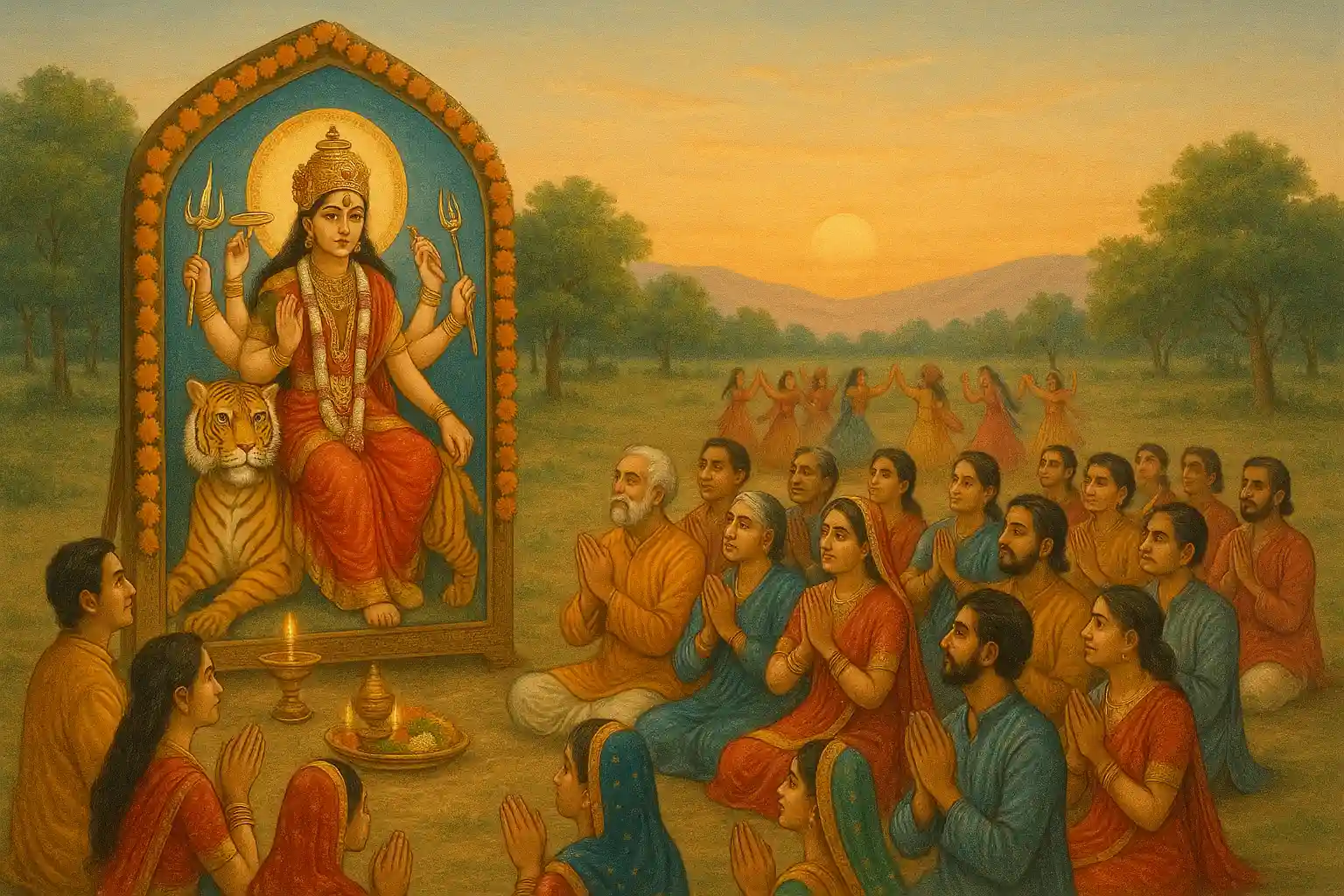
Let us now look at practical ways to observe Navratri fasting as a path of Bhakti, inspired by the teachings of Swami Mukundananda:
1. Begin with Intention (Sankalpa)
Start your fast with a clear resolve:
"I am fasting not just from food, but from all distractions, to turn my heart to You, O Divine Mother."
A sankalpa aligns the body, mind, and soul in divine remembrance.
2. Simplify, Don’t Substitute
Avoid elaborate "fast recipes" that take hours to prepare. Use the simplicity of fasting as a chance to withdraw from indulgence and focus on God.
“The point of fasting is not to change the menu—it is to change the mind.” – Swami Mukundananda
3. Chant and Meditate
Spend time each day chanting God’s names, meditating on Her form, and reading spiritual literature like the Durga Saptashati, Devi Bhagavatam, or Swami Mukundananda’s works on Bhakti Yoga.
4. Serve Others
Use the fast as a time for seva (selfless service)—cooking for others, helping the poor, or simply being kind and patient. This purifies the heart, the real goal of fasting.
5. Fast from Negativity
Fasting is not just about food. Also abstain from:
- Gossip
- Anger
- Lust
- Greed
- Social media
- Television
A true upvaas means staying close to God and away from distractions.
6. End the Fast with Gratitude
On the tenth day (Vijaya Dashami), break your fast with prayers and gratitude. Reflect on how the practice helped you grow in devotion.
Swami Mukundananda’s Teaching: Bhakti Over Ritualism
Swami Mukundananda emphasizes intentional, heart-centered devotion over blind ritualism. While rituals have their place, they should be used as tools, not as ends in themselves.
In his book “7 Mindsets for Success, Happiness & Fulfillment”, he writes:
"When we engage in spiritual practices with the right mindset—surrender, love, and devotion—they purify the heart and bring us closer to God."
Navratri fasting is a powerful practice, but only when it becomes a vehicle for Bhakti. Swami Mukundananda often shares the story of Shabari, who offered half-eaten berries to Lord Ram—not with ritualistic perfection, but with deep love. That love, that sincerity, is what the Divine seeks.
Conclusion: Let Fasting Be an Offering of Love
Navratri is not just a time of abstaining from food—it's a chance to reconnect with the Divine Mother, to purify the heart, and to walk the path of Bhakti. When fasting is done with devotion, it becomes sacred. When done mechanically, it becomes hollow.
Let us, as seekers on the spiritual path, rise above ritualism and embrace the true essence of Navratri fasting—not in the number of meals skipped, but in the depth of love offered.
As Swami Mukundananda so beautifully teaches:
“Bhakti is not in the act, but in the heart behind the act. If the heart is pure and surrendered, even a small offering becomes infinitely precious to God.”
This Navratri, may we not just fast from food—but also from ego, desire, and distraction.
May we feast on the name, form, and glory of the Divine Mother,
And may our hearts overflow with devotion and grace.
Jai Mata Di!
Radhey Radhey!
Call to Action
🥗 Continue Exploring Navratri Fasting
📚 Learn about all 9 forms of Goddess Durga and explore Navratri rituals in our Complete Navratri 2025 Guide »
🙏 More to Explore on Hindu Festivals & Spiritual Wisdom
📜 Curious about the ancestors' ritual before Navratri?
Read Pitru Paksh 2025 Guide →📖 Want to deepen your devotion with timeless wisdom?
Explore Gita Chapter 12 →🌺 Looking for the deeper meaning of Navratri and Shakti?
Read: Navratri & Shakti →🎉 Interested in Krishna-related celebrations?
Discover Radhashtami →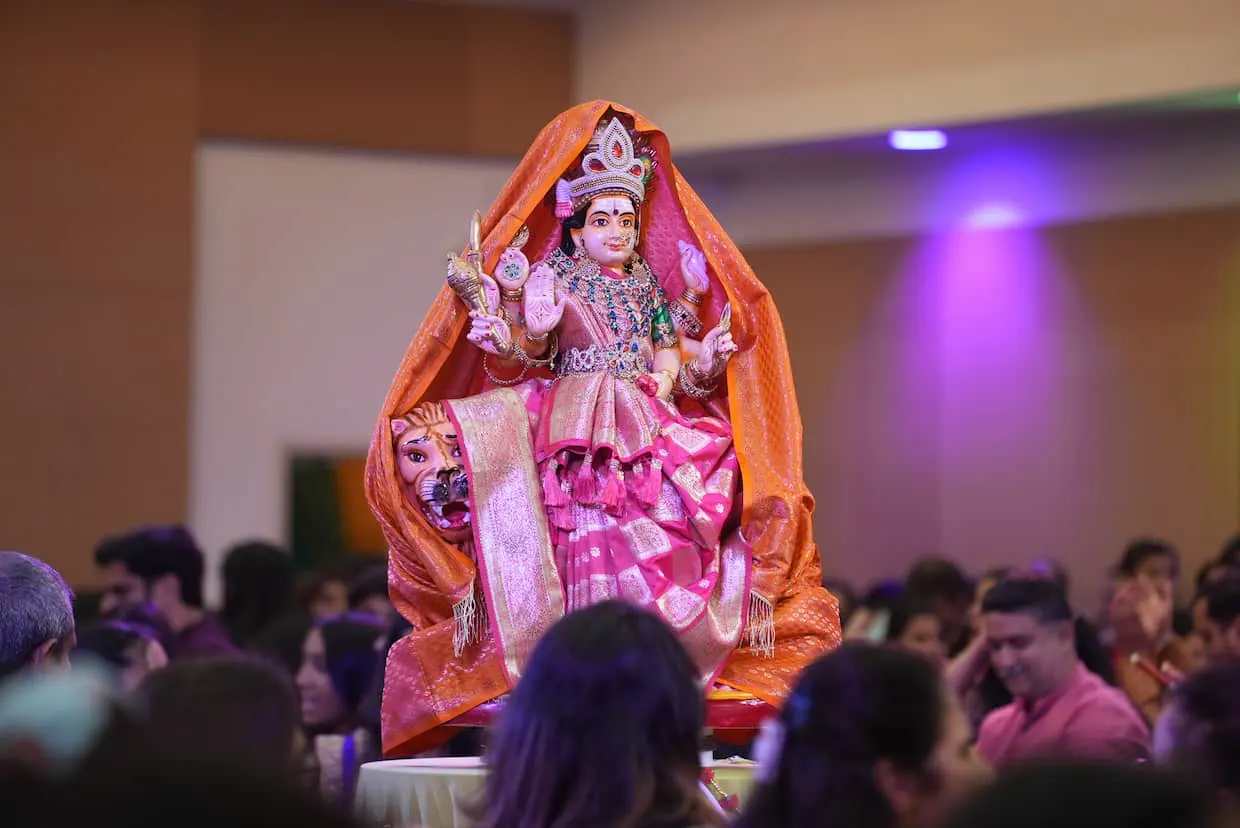
🌺 Navratri Mahotsav 2025 Dallas – Durga Puja, Garba & Dandiya Nights 🌺
Celebrate Navratri 2025 at Radha Krishna Temple of Dallas from Sept 21–Oct 1! Join us for eleven days of devotion, daily Durga Puja, Garba & Dandiya nights, satsangs, cultural programs, and community celebrations. Experience the joy, energy, and blessings of Goddess Durga in Dallas.
Durga Pujas
Participate in 9 Sacred Durga Pujas
Durgashtami Havan
Reserve your Spot
Food Festival
Celebrate with Every Bite
Ravan Dahan
Celebrate Dussehra with Devotion
⏳ Countdown to Navratri
Navratri begins on Sunday, Sept 21, 2025. Evening Garba starts at 7:00 PM.
Sacred Offerings for Durga Maa
Offer your devotion through seva.
Garba Workshops
Get ready for Navratri! 💃🕺 Join our Garba Workshop at Radha Krishna Temple, Dallas and learn traditional steps, Dandiya moves, and rhythm with ease.
Dates
Sept 13, 6pm - 7pm
Sept 20, 6pm - 7pm
Price
Garba Workshop: $7
Dandiya Sticks : $5
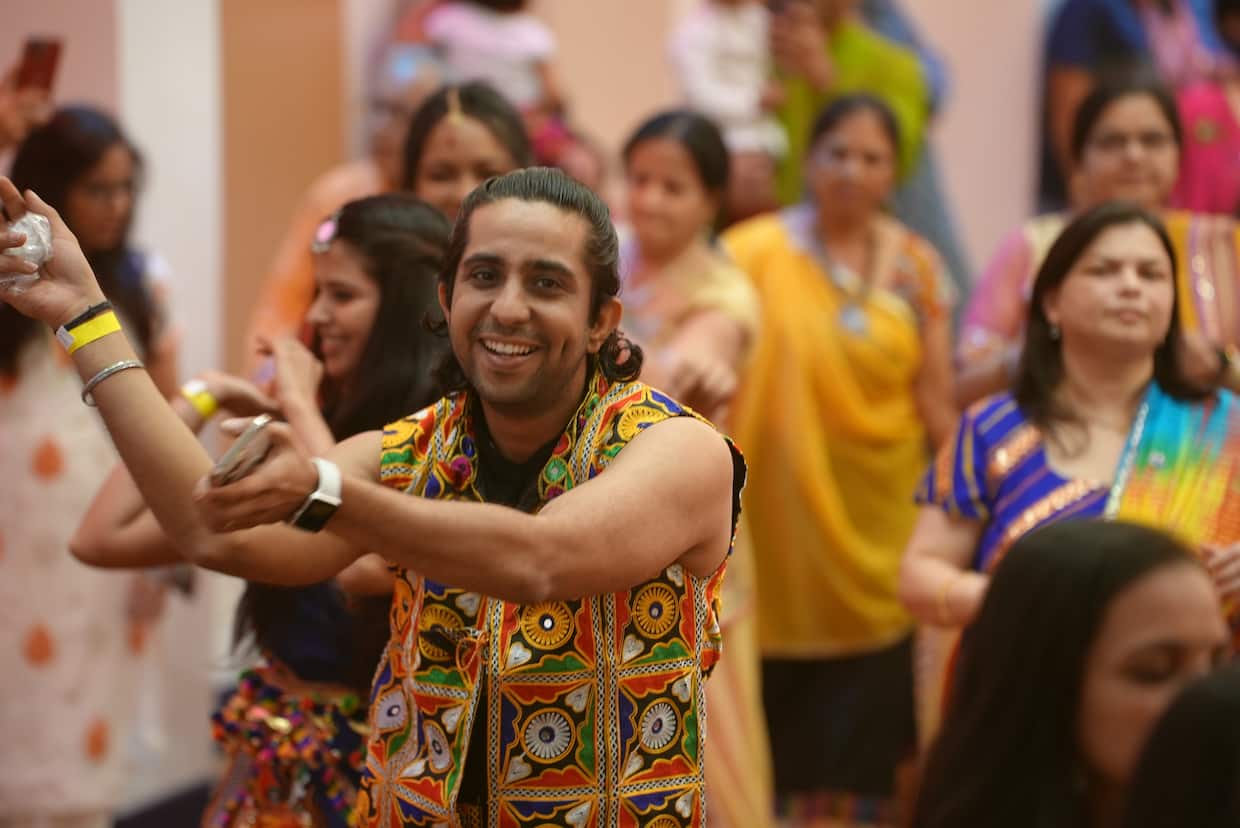
Cherished Moments of Past Navratri Celebrations
Relive the inspiring moments from past Navratri celebrations! Experience the joy, devotion, and vibrant festivities that make this event so special.


Serve, Grow, Inspire! — Volunteer for Navratri Mahotsav
Join us as a volunteer for the Navratri & Dussehra Celebrations! Experience the joy of devotion, build lifelong friendships, and serve the community while being part of these grand festivities. Sign up today to make this celebration truly special
Further Reading & Resources
- Swami Mukundananda Official Website
- Bhakti Shatak – by Jagadguru Kripaluji Maharaj
- 7 Mindsets for Success, Happiness & Fulfillment – Book by Swami Mukundananda.