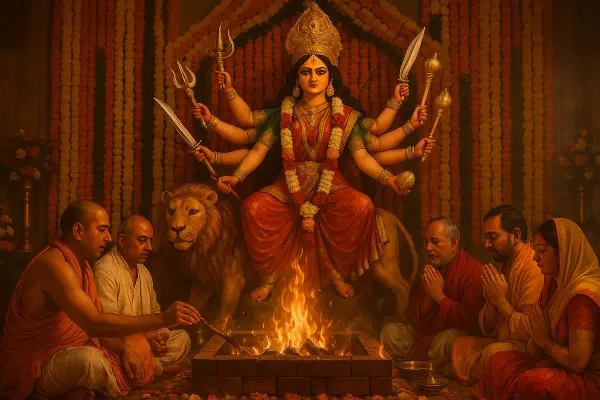

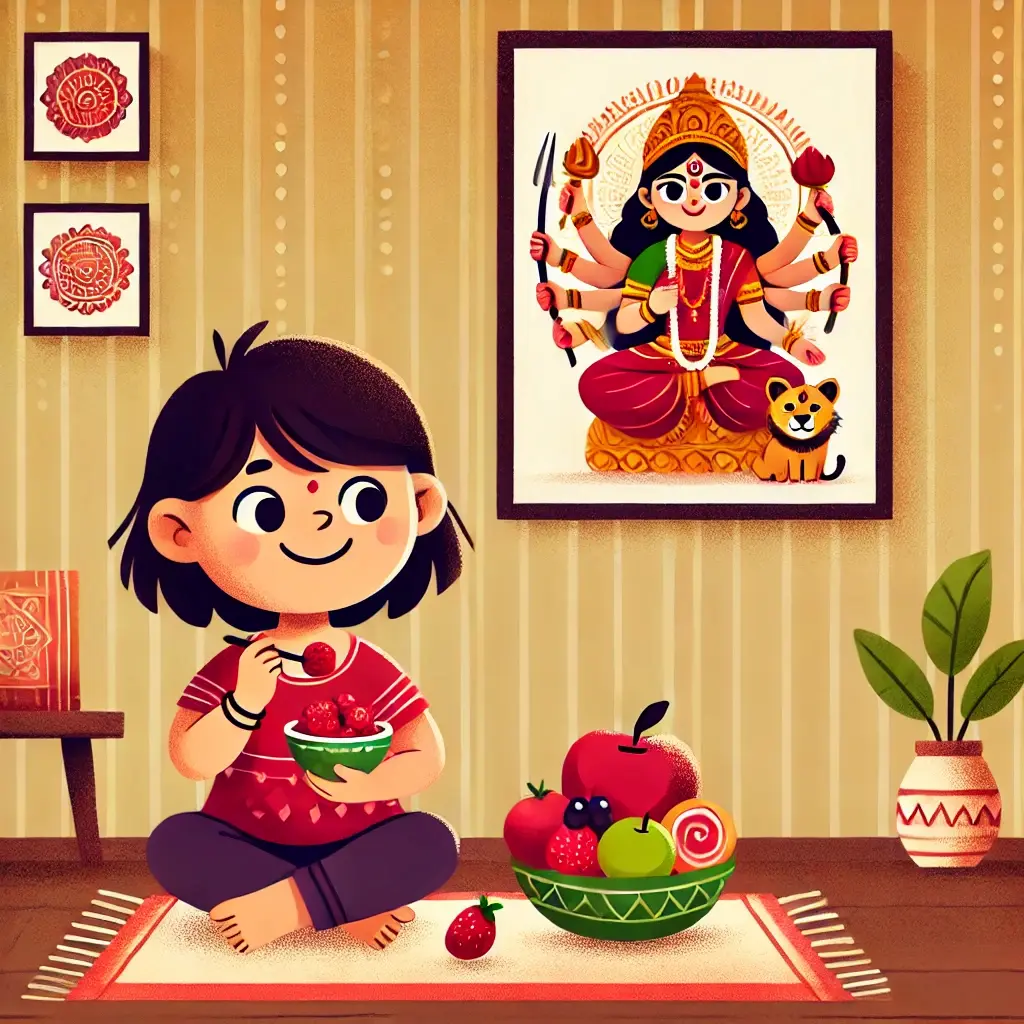
Navratri, one of the most revered Hindu festivals, is a celebration of divine feminine energy. The nine nights are dedicated to the worship of Goddess Durga in her nine different forms, each representing unique qualities such as courage, wisdom, protection, and prosperity.
In 2025, Sharad Navratri will begin on September 22 and end on September 30, culminating with Vijayadashami (Dussehra). During these nine sacred days, devotees observe fasting, offer prayers, participate in Garba and Dandiya, and honor the spiritual significance of the occasion.
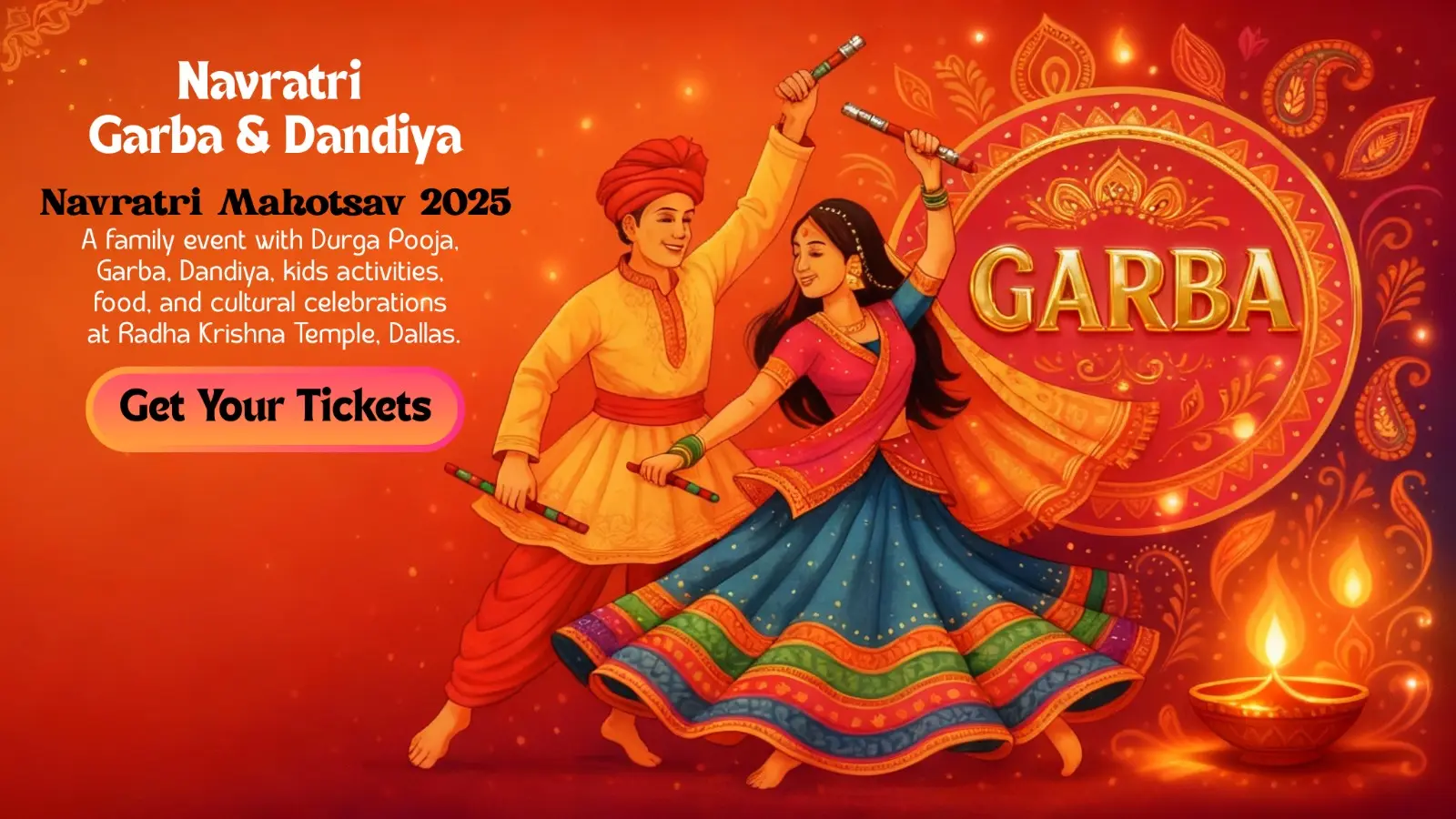
Join us at the celebration; get your tickets today!
Radha Krishna Temple of Dallas | Navratri Mahostav 2025 | Garba & Dandiya Tickets
Fasting during Navratri is more than just abstaining from food — it is a way to purify the mind, body, and soul. People follow a sattvic diet consisting of fruits, nuts, dairy, and specific flours like buckwheat (kuttu), amaranth (rajgira), and water chestnut (singhara). Each day of Navratri is associated with a specific color, and devotees often incorporate that color into their attire and sometimes even their meals.
Among these colors, red stands out as a symbol of power, vitality, and divine energy. It is linked with Goddess Durga’s strength and fearlessness. Including red foods in your fasting diet not only aligns with tradition but also enhances nutrition and energy levels during these spiritually charged days.
Let us look at nine red foods you can enjoy during the nine auspicious days of Navratri fasting in 2025, along with their health benefits and simple vrat-friendly ideas.
1. Pomegranate – The Fruit of Vitality
Pomegranates, known as anar in Hindi, are deeply symbolic of prosperity and fertility. Their ruby-red seeds are rich in antioxidants, vitamins A, C, and K, and iron.
- Why eat during fasting? Pomegranates help improve hemoglobin levels, prevent fatigue, and provide hydration.
- How to include? You can eat the seeds as a fruit bowl, prepare fresh juice (without refined sugar), or sprinkle them over vrat chaat for a burst of flavor.
2. Strawberries – Sweetness with a Punch of Vitamin C
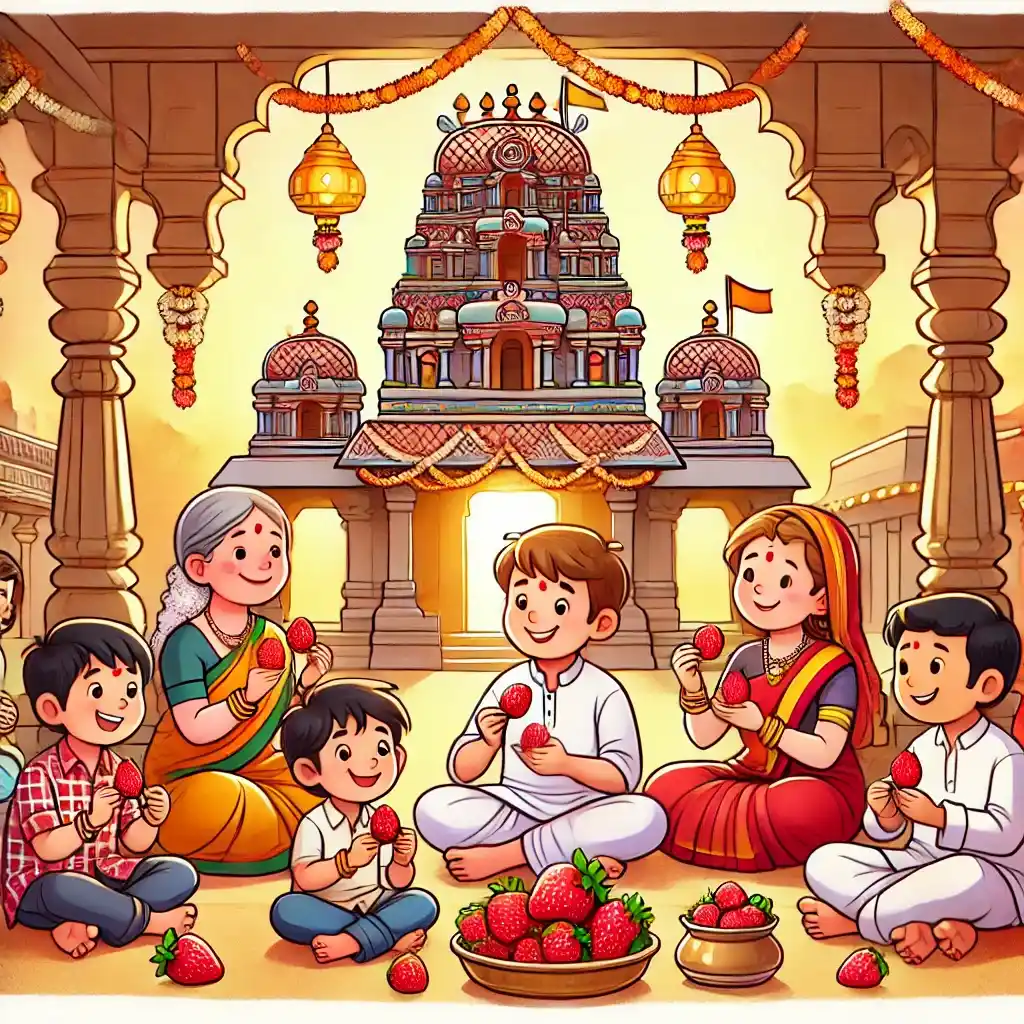
Strawberries are naturally sweet, making them a great fasting fruit that curbs sugar cravings while offering antioxidants and vitamin C.
- Why eat during fasting? They help boost immunity, support skin health, and give a refreshing energy boost.
- How to include? Blend strawberries with yogurt or coconut milk for a smoothie, or enjoy them fresh with a handful of fasting-approved nuts like almonds and walnuts.
3. Red Apples – A Symbol of Health and Wholesomeness
The phrase “an apple a day keeps the doctor away” is especially true during fasting when the body needs steady energy and fiber.
- Why eat during fasting? Apples regulate digestion, keep you feeling full for longer, and provide natural sweetness.
- How to include? Have sliced apples with peanut butter (if permitted in your tradition), or add to a fruit salad with bananas and pomegranates.
4. Watermelon – Hydration on a Plate
Fasting often limits water-rich foods, so watermelon is an excellent addition. Its high water content keeps you cool, refreshed, and hydrated.
- Why eat during fasting? It prevents dehydration, eases acidity, and provides natural electrolytes.
- How to include? Eat it plain, make a watermelon mint cooler (without added sugar), or freeze chunks for a vrat-friendly sorbet.
5. Cherries – Nature’s Candy
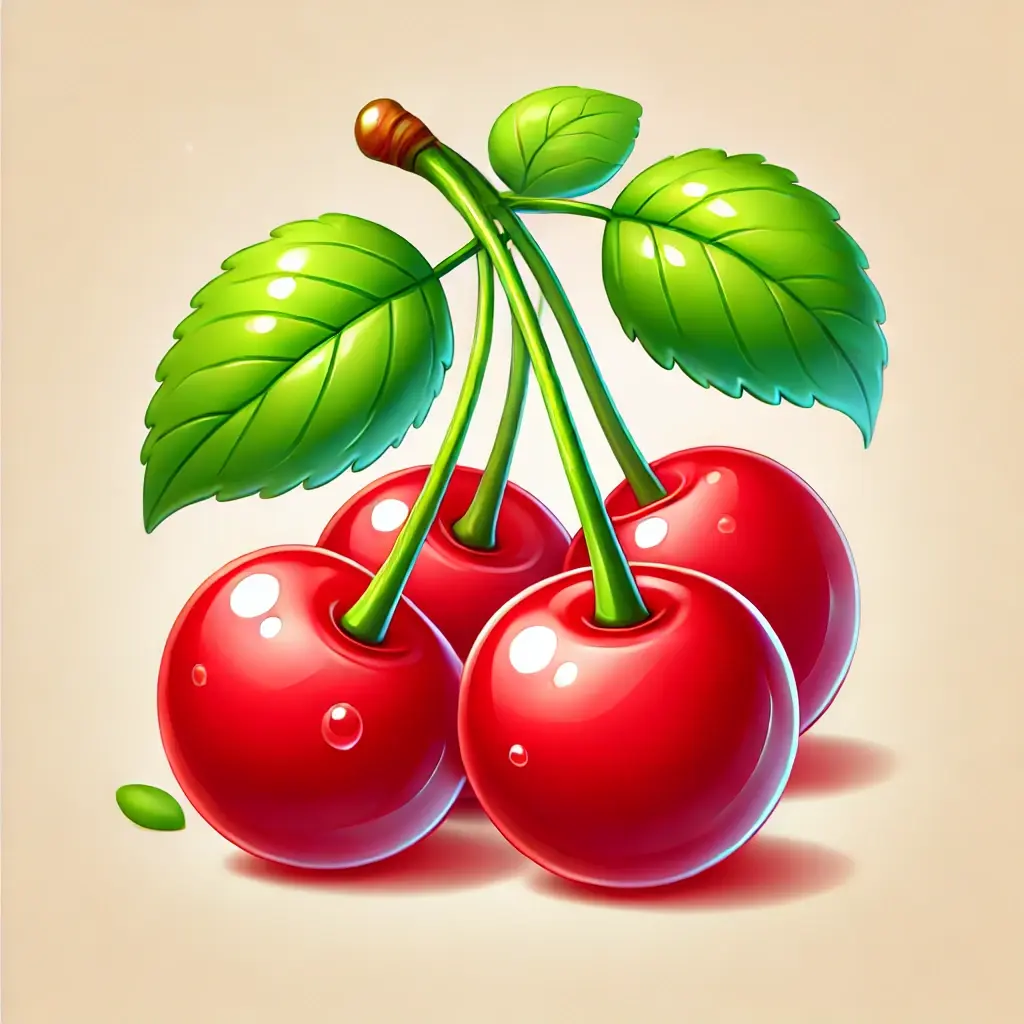
Cherries are nutrient-dense, containing vitamin C, potassium, and antioxidants. Their rich red color is also symbolic of devotion and purity.
- Why eat during fasting? They reduce inflammation, improve sleep quality (thanks to natural melatonin), and add sweetness to vrat meals.
- How to include? Pair them with yogurt, add to smoothies, or enjoy a small bowl of fresh cherries as a mid-day snack.
6. Red Grapes – A Quick Energy Boost
Juicy red grapes are a popular fasting food as they are light yet energizing.
- Why eat during fasting? They contain resveratrol, an antioxidant that supports heart health, and natural sugars for quick energy.
- How to include? Eat them as is, freeze for a fun snack, or juice them with pomegranate for a festive vrat drink.
7. Beetroot – The Powerhouse of Strength
Beetroot is a rich source of iron, folate, and nitrates, which improve blood circulation and stamina — perfect for sustaining energy during fasting.
- Why eat during fasting? It combats weakness, improves hemoglobin, and promotes detoxification.
- How to include? Juice beetroot with carrots and apples, or add grated beetroot to vrat sabzis made with potatoes or sweet potatoes.
8. Tomatoes – A Versatile Red Ingredient
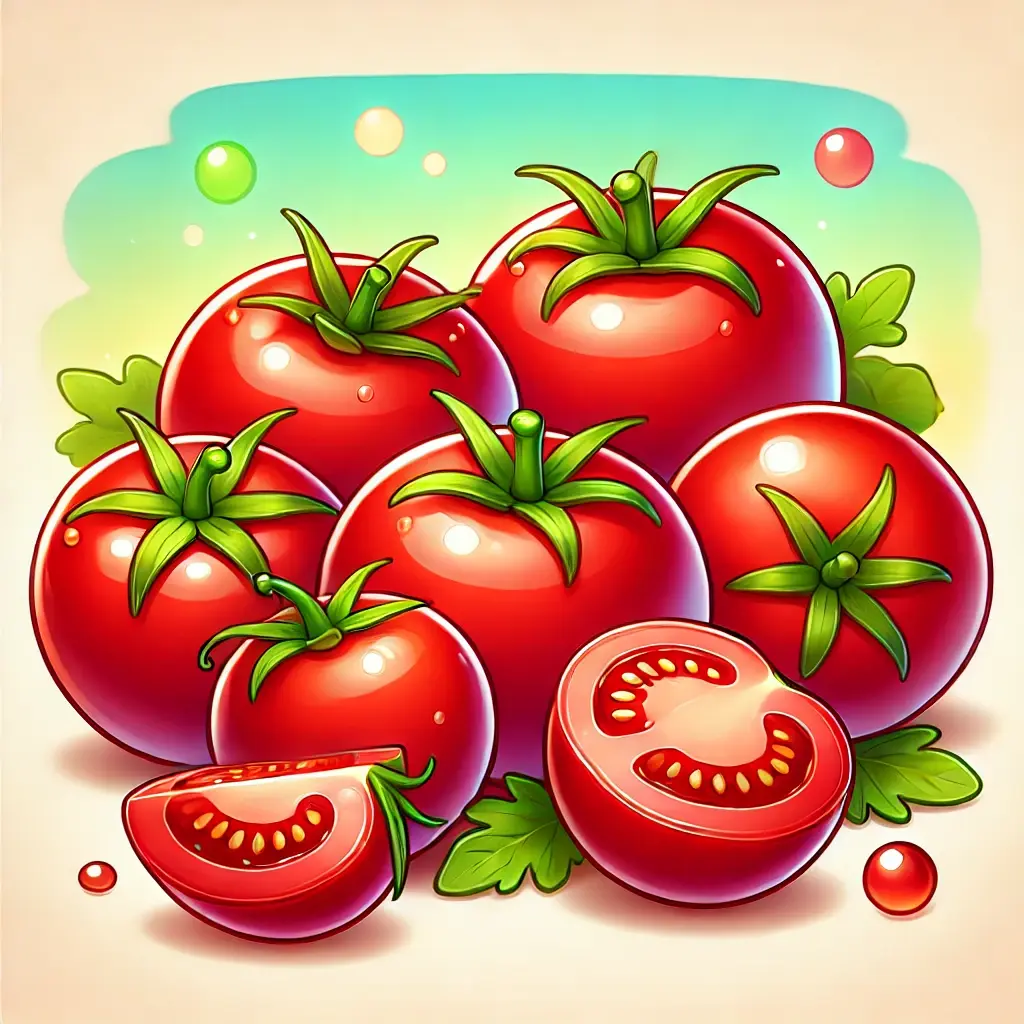
Tomatoes are often debated in fasting traditions. Some communities allow them, while others avoid them due to their tamasic (heat-producing) qualities.
- Why eat during fasting? If permitted, tomatoes provide vitamin C, antioxidants, and lycopene, supporting immunity and skin health.
- How to include? Add them to sabudana khichdi, make vrat-friendly chutneys, or prepare a light tomato curry with rock salt (sendha namak).
9. Red Bell Peppers – The Crunchy Superfood
Red bell peppers are rich in vitamin A, vitamin C, and fiber. They are light, easy to digest, and versatile in vrat recipes.
- Why eat during fasting? They boost immunity, improve vision, and add vibrant color to meals.
- How to include? Lightly roast or sauté in ghee, or stuff with mashed potatoes for a unique vrat snack.
The Cultural and Spiritual Connection of Red Foods in Navratri

Red is not just a color but a powerful spiritual symbol. It represents:
- Shakti (Strength): The divine feminine power embodied by Goddess Durga.
- Vitality and Energy: Consuming red foods resonates with this fiery energy, keeping devotees active during fasting.
- Devotion and Purity: Red is also associated with sindoor (vermillion), a sacred element in Hindu rituals.
By choosing red foods, devotees align their physical nourishment with spiritual symbolism, creating harmony between body and soul.
Daily Navratri Fasting Tips with Red Foods
- Day 1–3: Focus on hydrating red fruits like watermelon, strawberries, and apples.
- Day 4–6: Add energizing options like pomegranate, grapes, and cherries to sustain energy for long prayer sessions.
- Day 7–9: Include strength-boosting foods like beetroot, tomatoes, and red bell peppers for stamina as the fasting days intensify.
General Navratri Fasting Guidelines
- Use rock salt (sendha namak) instead of regular table salt.
- Prefer ghee and coconut oil for cooking.
- Avoid grains like rice and wheat; instead, choose vrat flours such as amaranth, buckwheat, or water chestnut.
- Drink plenty of water, coconut water, or herbal teas to stay hydrated.
- Avoid processed and fried foods — keep meals light and sattvic.
FAQs on Navratri Fasting 2025
Q1. Can I eat all nine red foods every day during Navratri?
Yes, you can, but it’s best to rotate them for variety and balance. For example, enjoy fruits in the morning and veggies like beetroot or bell peppers in the evening.
Q2. Are tomatoes allowed in Navratri fasting?
It depends on tradition. Some families avoid tomatoes, while others include them. Always follow your community or family’s guidelines.
Q3. Can I drink fruit juices during fasting?
Yes, but make them fresh and without refined sugar. Pomegranate, grape, or watermelon juice are excellent vrat options.
Q4. Which red food is best for boosting energy during Navratri?
Pomegranate and red grapes are the best quick energy boosters, while beetroot sustains long-term stamina.
Q5. Are packaged dried fruits like cranberries or cherries allowed?
Only if unsweetened and preservative-free. It’s better to stick with fresh fruits to keep the diet sattvic and natural.
Q6. How do red foods align with Navratri colors?
Each day of Navratri has an associated color, and red is often worn or celebrated on specific days. Consuming red foods enhances the symbolic energy of devotion and strength.
Q7. Can children and the elderly follow a red food–based fasting plan?
Yes, but with moderation. Ensure meals are balanced with enough protein (milk, paneer, nuts) and hydration to avoid weakness.
Final Thoughts
Navratri fasting is not just about abstaining from certain foods — it’s about embracing spiritual discipline, nourishing the body with sattvic meals, and connecting with the divine energy of Goddess Durga.
In 2025, as you celebrate the nine nights consider incorporating these nine red foods into your diet. They are not only delicious and symbolic but also packed with nutrients that keep you energized, balanced, and spiritually aligned.
🥗 Continue Exploring Navratri Fasting
📚 Learn about all 9 forms of Goddess Durga and explore Navratri rituals in our Complete Navratri 2025 Guide »
May this Navratri bring you strength, health, and blessings. 🌺✨
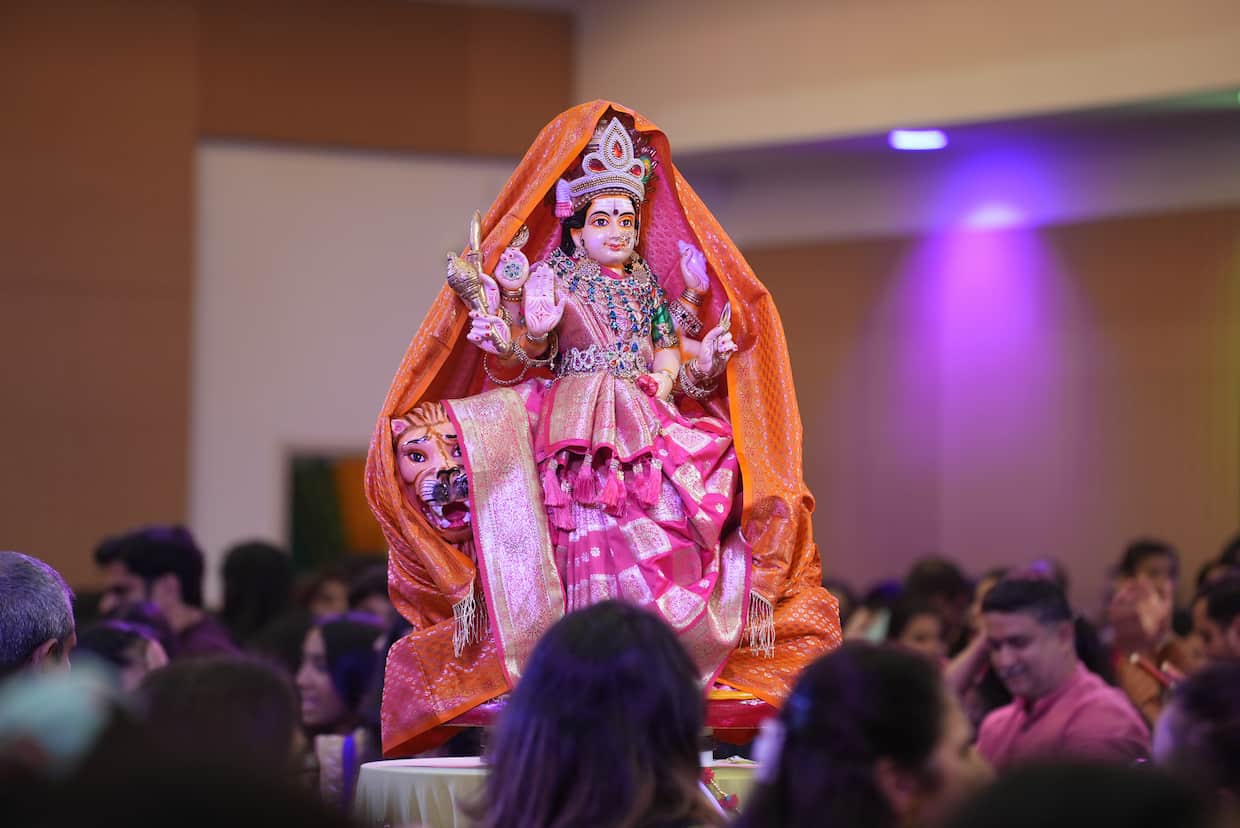
🌺 Navratri Mahotsav 2025 Dallas – Durga Puja, Garba & Dandiya Nights 🌺
Celebrate Navratri 2025 at Radha Krishna Temple of Dallas from Sept 21–Oct 1! Join us for eleven days of devotion, daily Durga Puja, Garba & Dandiya nights, satsangs, cultural programs, and community celebrations. Experience the joy, energy, and blessings of Goddess Durga in Dallas.
Durga Pujas
Participate in 9 Sacred Durga Pujas
Durgashtami Havan
Reserve your Spot
Food Festival
Celebrate with Every Bite
Ravan Dahan
Celebrate Dussehra with Devotion
⏳ Countdown to Navratri
Navratri begins on Sunday, Sept 21, 2025. Evening Garba starts at 7:00 PM.
Sacred Offerings for Durga Maa
Offer your devotion through seva.
Garba Workshops
Get ready for Navratri! 💃🕺 Join our Garba Workshop at Radha Krishna Temple, Dallas and learn traditional steps, Dandiya moves, and rhythm with ease.
Dates
Sept 13, 6pm - 7pm
Sept 20, 6pm - 7pm
Price
Garba Workshop: $7
Dandiya Sticks : $5
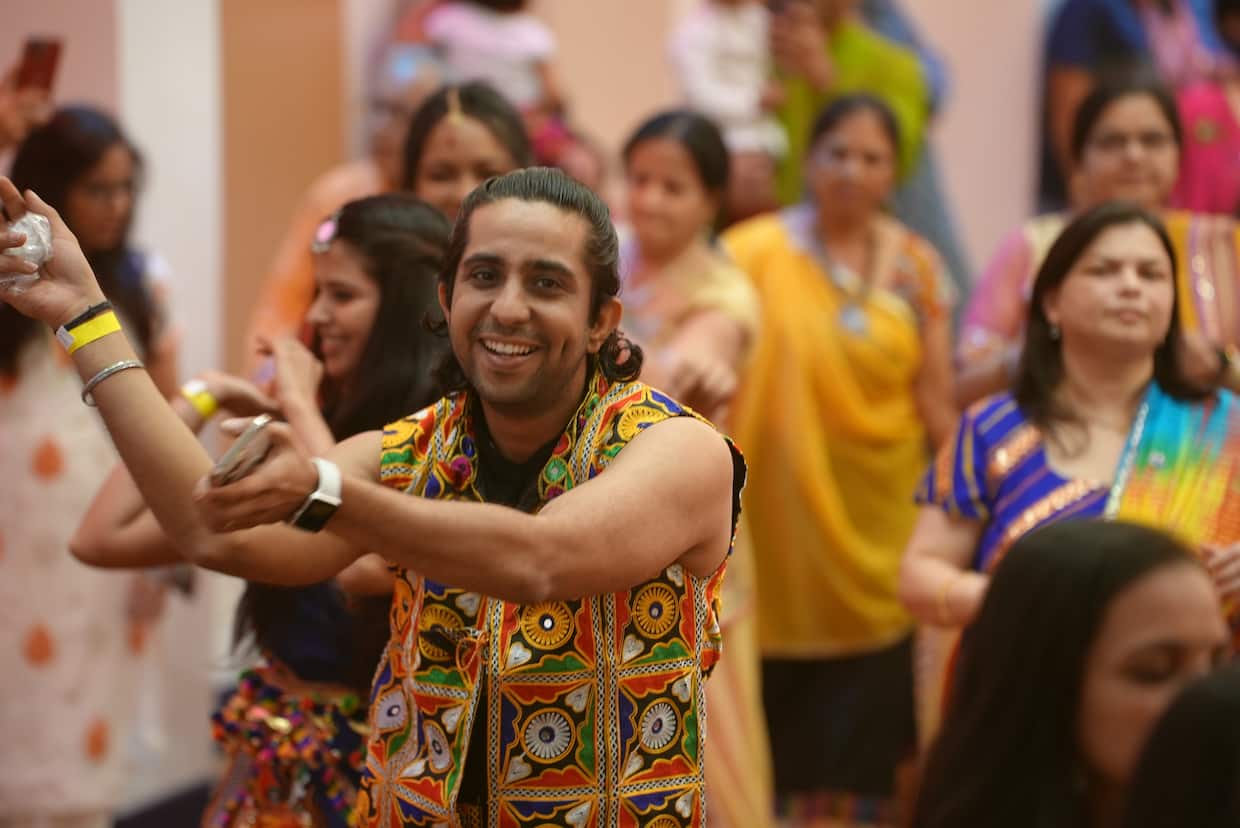
Cherished Moments of Past Navratri Celebrations
Relive the inspiring moments from past Navratri celebrations! Experience the joy, devotion, and vibrant festivities that make this event so special.
.jpg)
.jpg?ref=blog.jkyog.org)
.jpg?ref=blog.jkyog.org)
.jpg?ref=blog.jkyog.org)
.jpg?ref=blog.jkyog.org)

Serve, Grow, Inspire! — Volunteer for Navratri Mahotsav
Join us as a volunteer for the Navratri & Dussehra Celebrations! Experience the joy of devotion, build lifelong friendships, and serve the community while being part of these grand festivities. Sign up today to make this celebration truly special