
A Candle in the Dark
Once, a little boy found himself lost in a dense forest at night. Frightened by the sounds of wild animals and blinded by the darkness, he stumbled aimlessly, unsure of where to go. Suddenly, an old sage appeared with a lit lantern. The boy rushed to him and asked, “Baba, can you please help me find my way home?”
The sage smiled and said, “Child, this lantern will not show you your home all at once, but it will give you enough light to take the next step. Walk with faith, and step by step, the path will reveal itself.”

This simple story holds a profound truth. Just like the boy in the forest, we too wander in the darkness of Maya—the illusory world of endless desires, attachments, and distractions. Our hearts yearn for light, for direction, for peace. And just as the lantern helped the boy walk towards home, the light of Bhakti—devotion—guides us back to our true abode: God's realm.
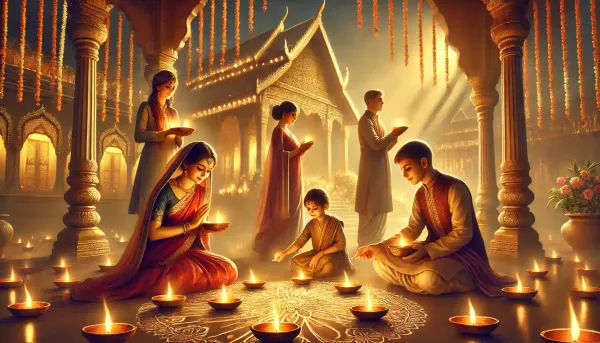
Diwali, the festival of lights, is not just about lighting lamps outside our homes, but about igniting the lamp of wisdom within. It is a reminder that our real journey is the inner one: from the outer darkness of Maya to the inner light of divine love.
The Darkness of Maya
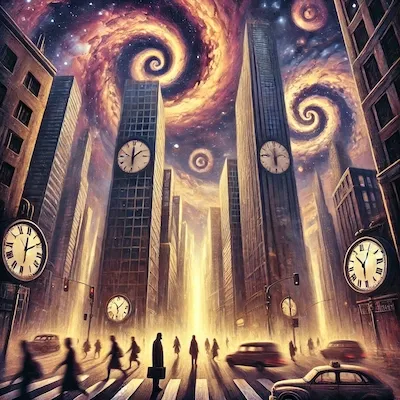
Swami Mukundananda often explains that Maya is not simply the world around us, but the illusion through which we perceive it. It is a veil that makes us identify with the temporary and forget the eternal. It whispers to us that joy lies in possessions, relationships, and achievements. It binds us to endless desires—one fulfilled, another arises.
The Bhagavad Gita declares:
दैवी ह्येषा गुणमयी मम माया दुरत्यया ।
मामेव ये प्रपद्यन्ते मायामेतां तरन्ति ते ॥
(Bhagavad Gita 7.14)
“My divine energy Maya, consisting of the three modes of nature, is very difficult to overcome. But those who surrender unto Me cross over it easily.”
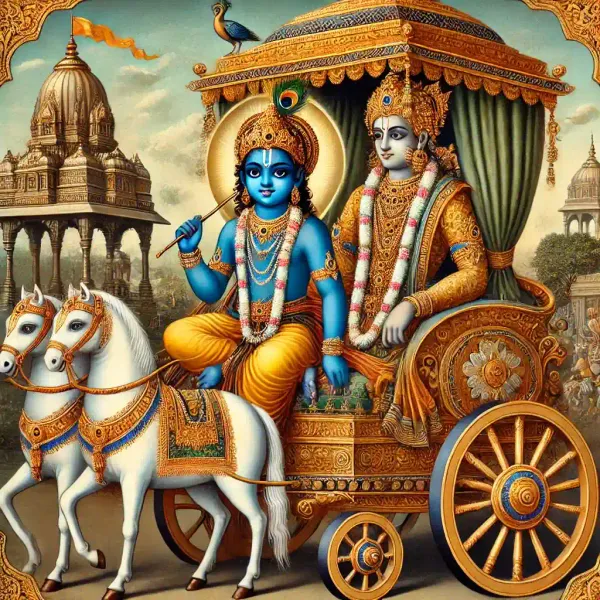
Maya promises bliss but delivers bondage. It binds us to endless cycles of joy and sorrow, gain and loss, praise and criticism. Yet Krishna assures us: surrendering to Him through Bhakti is the way out.
Maya makes us mistake the reflection for reality. We think we are the body, the mind, the ego. But these are like clothes worn by the soul, which is eternal. We measure success in terms of wealth, popularity, or power, but even the most powerful emperor or the wealthiest billionaire faces dissatisfaction, fear, and mortality.
This is the nature of Maya: it promises bliss but delivers bondage. We dance to its tune, not realizing that true freedom and happiness lie beyond its grasp.
Just as darkness has no independent existence but is simply the absence of light, Maya too has no power when divine knowledge dawns. And so, Diwali reminds us that even a single lamp of wisdom can banish the greatest darkness.
The Soul’s Longing
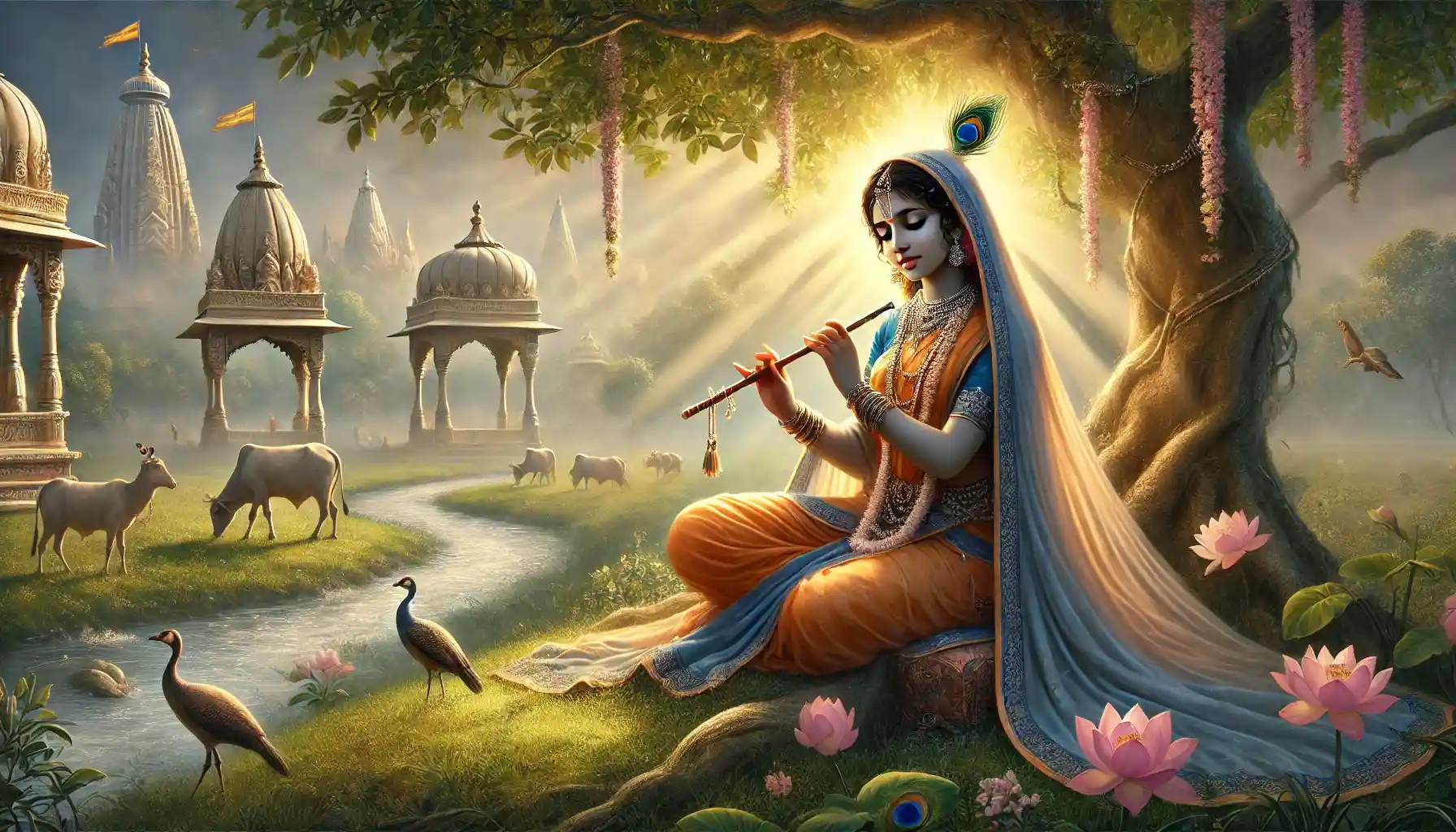
Despite being lost in Maya, the soul is divine in origin. Just as a fish longs for water, the soul longs for God. This longing manifests in our restless search for happiness.
Deep down, what we seek is eternal love and bliss. That love is God’s love. Until the soul reconnects with its divine source, it remains restless, wandering like the boy in the forest.
Some seek it in wealth, yet the richest people often lie awake in anxiety. Some seek it in relationships, yet even the most beloved companions cannot fill the inner void. Some seek it in fame, but even universal recognition cannot protect from loneliness. Why? Because the soul cannot be satisfied with material pleasures—it is like offering stones to someone dying of thirst.
Bhakti: The Light of Devotion
If Maya is darkness, Bhakti is light. Bhakti is not about ritual or fear—it is about love. Pure, selfless love for God. It is remembering Him in thought, word, and deed. It is trusting His will completely, knowing that His vision is infinite while ours is narrow.
Swami Mukundananda beautifully says: “Bhakti is not about asking God to change our destiny. It is about transforming our heart to accept His will joyfully.”
Krishna explains in the Bhagavad Gita:
मन्मना भव मद्भक्तो मद्याजी मां नमस्कुरु ।
मामेवैष्यसि सत्यं ते प्रतिजाने प्रियोऽसि मे ॥
(Bhagavad Gita 18.65)
“Always think of Me, be devoted to Me, worship Me, and offer obeisance to Me. Doing so, you will certainly come to Me. This is My pledge to you, for you are very dear to Me.”
Bhakti is like the lantern in the sage’s hand. It may not reveal the entire road, but it shows us the next step. It strengthens faith. It calms the restless heart. It purifies desires. Step by step, it takes us home.
The Inner Meaning of Diwali
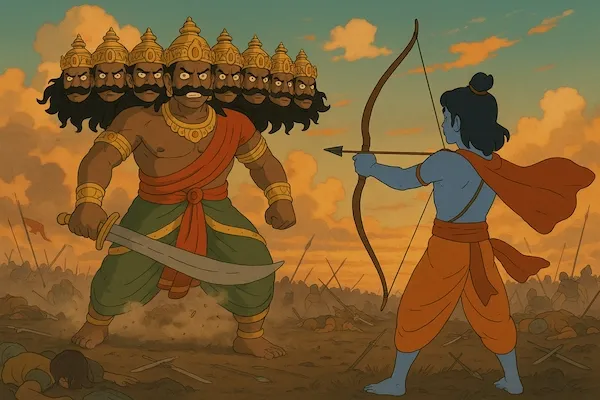
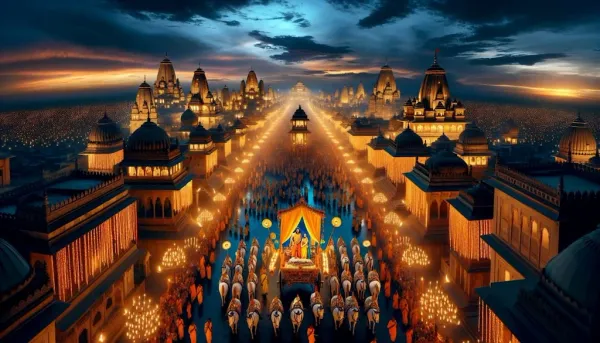
The story of Diwali itself is a metaphor for the spiritual journey. When Lord Rama returned to Ayodhya after defeating Ravana, the people lit lamps to welcome Him.
Ravana symbolizes the inner enemies—lust, anger, greed, pride, ego, jealousy, hatred —that enslave us. His ten heads represent the ten senses that drag the mind outward into Maya. Rama represents the divine nature of the soul, the victory of virtue over vice. Ayodhya is our heart. .
Valmiki writes in the Ramayana:
तमो नाशमथो दृष्ट्वा प्रहृष्टोऽभूत्स कालः ।
नवमे दिवसे रामो लङ्कायां प्रविवेश ह ॥
"When darkness was destroyed and even Time rejoiced, Shri Rama entered Lanka on the ninth day, marking the beginning of his righteous victory."
Just as Ayodhya shone with lamps on Rama’s return, so too must we light the lamp of devotion within our heart to welcome God.
Diwali is thus not only an outer festival but an inner celebration—the conquest of darkness by light, of illusion by truth, of Maya by Bhakti.
The Stages of the Journey
The return home is not a sudden leap but a gradual unfolding:
- Awareness of Darkness
The first step is realizing we are lost. Many remain so engrossed in Maya that they never question it. But when we pause and reflect—Is this the happiness I was seeking?—the journey begins. - The Gita says:
असतो मा सद्गमय ।
तमसो मा ज्योतिर्गमय ।
“Lead me from the unreal to the real, from darkness to light.”
This is the first awakening. - Turning Toward the Light
When dissatisfaction with Maya ripens, the soul naturally turns toward God. Saints, scriptures, and holy festivals like Diwali remind us of the higher purpose. This is the first flicker of the inner lamp. - Walking with Bhakti
Devotion grows with practice:- Keeping company of saints (satsang), for their flame lights ours.
- Remembering God (smaran) through prayer, chanting, meditation.
- Serving selflessly (seva), which purifies the heart.
- Facing the Struggles
Old habits pull us back. The senses clamor. The world distracts. Yet persistence is key. Each time we light the lamp of Bhakti, darkness diminishes.as the
Ramayana says:
बिनु हरि कृपा न होइ सँकटा ।
मिटहि न मन क्रमित भ्रान्ति विकटा ॥
“Without the grace of Lord Hari, the grave delusion of the mind cannot be destroyed.” - Arriving Home
Home is not a place but a state of being—resting in God’s love. When devotion illumines the heart, the soul feels whole, content, free. This is the eternal Diwali.
The Bhagavad Gita reminds us:
पत्रं पुष्पं फलं तोयं यो मे भक्त्या प्रयच्छति ।
तदहं भक्त्युपहृतमश्नामि प्रयतात्मनः ॥
(Bhagavad Gita 9.26)
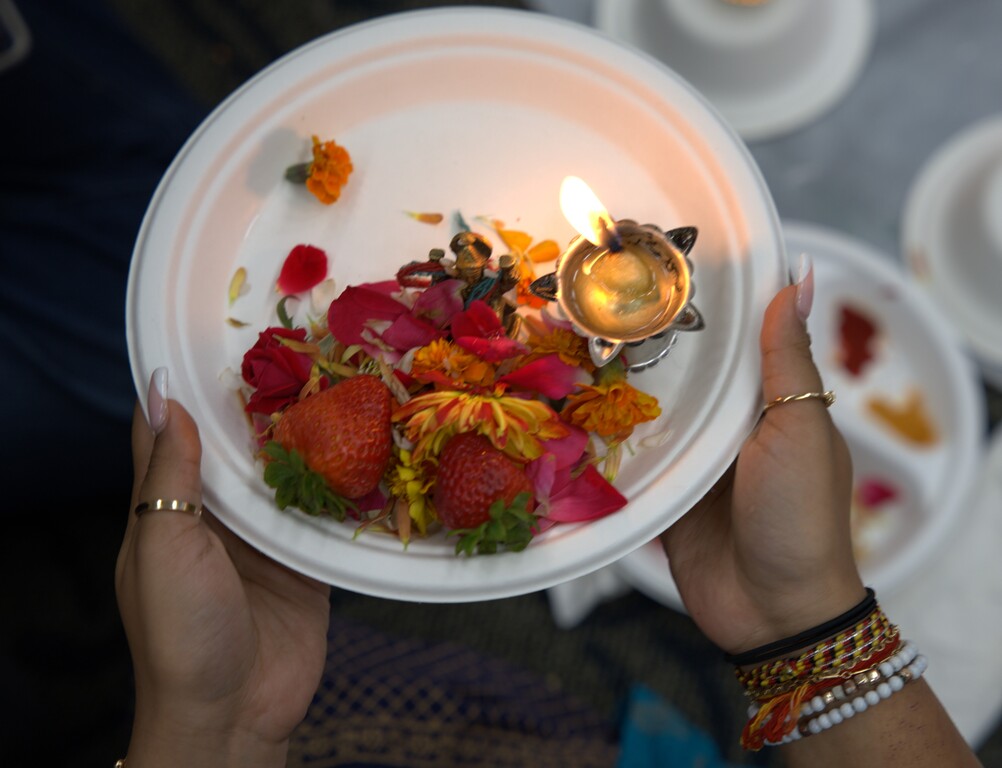
“Whoever offers Me with love a leaf, a flower, fruit, or water, I accept that offering made with devotion by the pure-hearted.”
It is not grandeur but love that pleases God. Every act, however small, can be lit with Bhakti and offered to Him
Lighting the Five Lamps of Bhakti
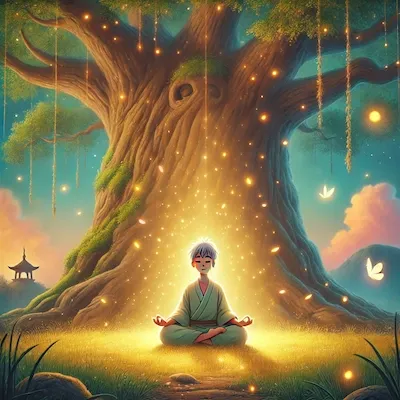
Swami Mukundananda often teaches us to light not just outer diyas, but inner lamps that brighten our spiritual journey:.
- The Lamp of Knowledge (Gyan Deep) – Study scriptures, reflect on their wisdom, understand the soul’s eternal nature.
- The Lamp of Discipline (Tapa Deep) – Cultivate a daily practice of prayer, meditation, and chanting.
- The Lamp of Seva (Seva Deep) – Serve others selflessly, seeing God in all.
- The Lamp of Satsang (Satsang Deep) – Keep holy company; just as one lamp lights another, the company of saints lights devotion in us.
- The Lamp of Remembrance (Smaran Deep) – Constantly remember God, whether in joy or sorrow, success or struggle.
When these five lamps burn together, the heart shines brighter than any Diwali celebration.
The Struggles and the Grace

The path of Bhakti is not always smooth. Old habits pull us back; the senses clamor for indulgence. Swamiji reminds us that the mind is like a mischievous child. If left unchecked, it runs wild. But with gentle discipline, patience, and divine remembrance, it learns to rest in God.
And above all, it is grace that carries us. The Ramcharitmanas says:
बिनु हरि कृपा न होइ सँकटा ।
मिटहि न मन क्रमित भ्रान्ति विकटा ॥
“Without the grace of Lord Hari, the grave delusion of the mind cannot be destroyed.”
Swamiji often consoles seekers: “Don’t be discouraged by failures. Every time you fall, rise again with greater determination. Even your struggles are seen by God and bring you closer to His grace.”
The True Celebration
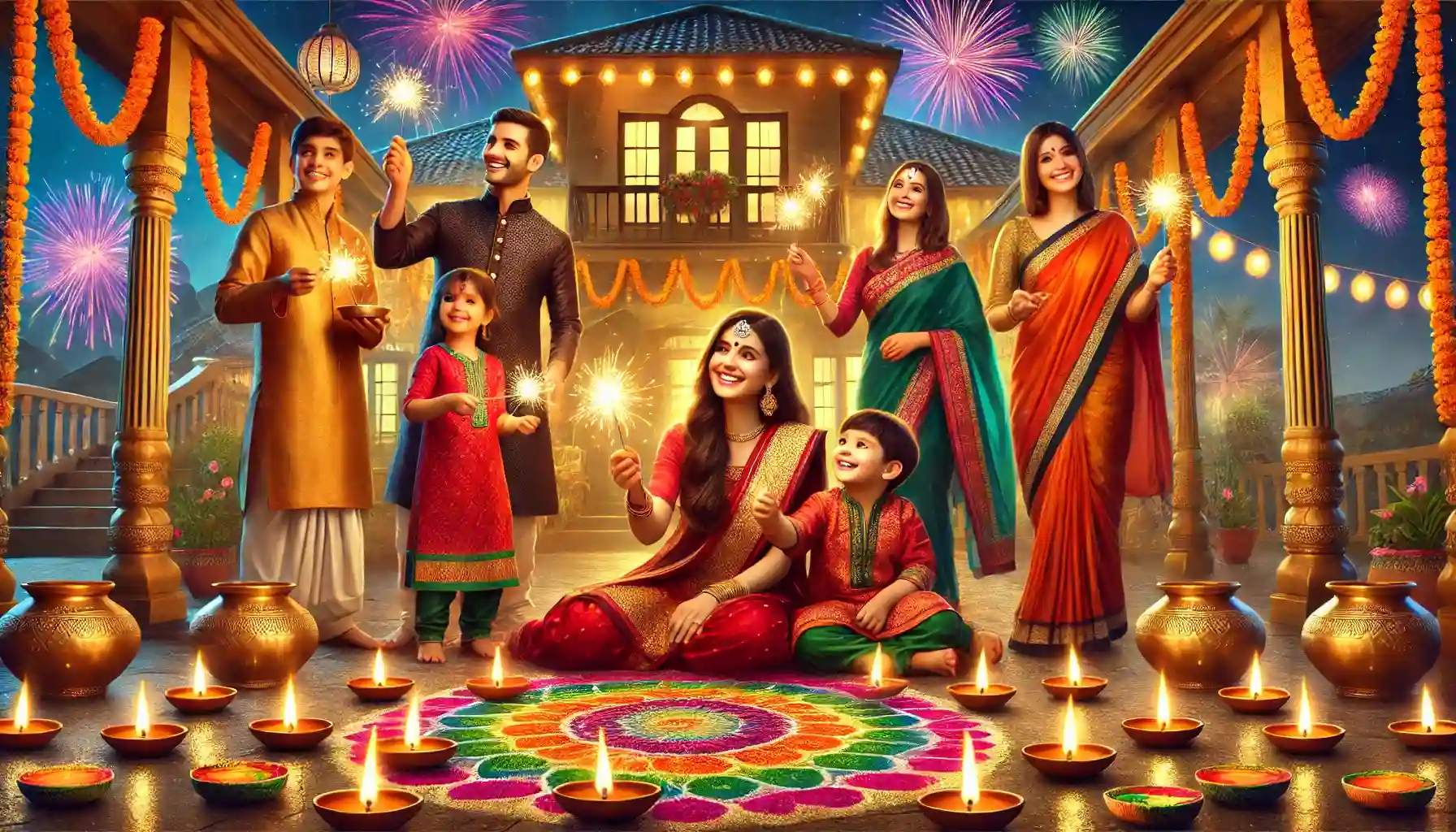
As we clean and decorate our homes, let us also cleanse the heart of anger, greed, and resentment. As we light lamps outside, let us ignite the flame of remembrance within. As we share sweets, let us also share kindness and compassion.
Diwali reminds us that life itself is meant to be an offering. Every act, however small, can be lit with devotion. Cooking becomes worship, work becomes service, relationships become expressions of divine love.
When Bhakti permeates life, every day becomes Diwali, every heart a temple, every breath a lamp lit for God.
A Closing Thought
The boy in the forest eventually found his way home—not because the sage carried him, but because he trusted the lantern and kept walking. Similarly, God does not drag us out of Maya; He offers us the light of devotion. The rest is our choice.
This Diwali, as lamps flicker across the land, let us remember that the greatest illumination is not outside but within. May we all walk with faith, guided by the light of Bhakti, until we reach our true home in God’s eternal love. That will be the grandest Diwali of all.
FAQs
1. What does Diwali symbolize in spiritual terms?
While Diwali is widely celebrated as the festival of lights, spiritually it represents the removal of inner darkness—the ignorance caused by Maya—and the illumination of the soul through Bhakti, or devotion. Just as the people of Ayodhya lit lamps to welcome Lord Rama, we too are called to light the lamp of devotion to welcome God into our hearts.
2. What is Maya, and why is it compared to darkness?
Maya is God’s divine energy that creates illusion. It makes us believe happiness lies in material possessions, status, or relationships, while hiding the truth of our eternal soul. Just as darkness disappears instantly when light appears, Maya vanishes when the light of divine wisdom and devotion shines in our heart.
3. How can we practice Bhakti in daily life?
Bhakti is not limited to rituals. It means loving God with sincerity. This can be practiced through remembrance (chanting, prayer, meditation), service (seva), study of scriptures, and keeping holy company (satsang). Even daily tasks—working, cooking, speaking—can be done as offerings to God when performed with devotion.
4. Why do desires never satisfy us permanently?
According to Swami Mukundananda, the soul is divine in nature and can only be fulfilled by divine love. Material desires, no matter how many are fulfilled, leave us longing for more. This restlessness ends only when the soul reconnects with its true source—God—through Bhakti.
5. What is the significance of lighting lamps during Diwali?
Lighting lamps is both symbolic and practical. Externally, it celebrates the victory of light over darkness, good over evil. Internally, it reminds us to ignite the flame of wisdom and devotion in our hearts. One small lamp of remembrance can banish vast darkness within.
Call To Action
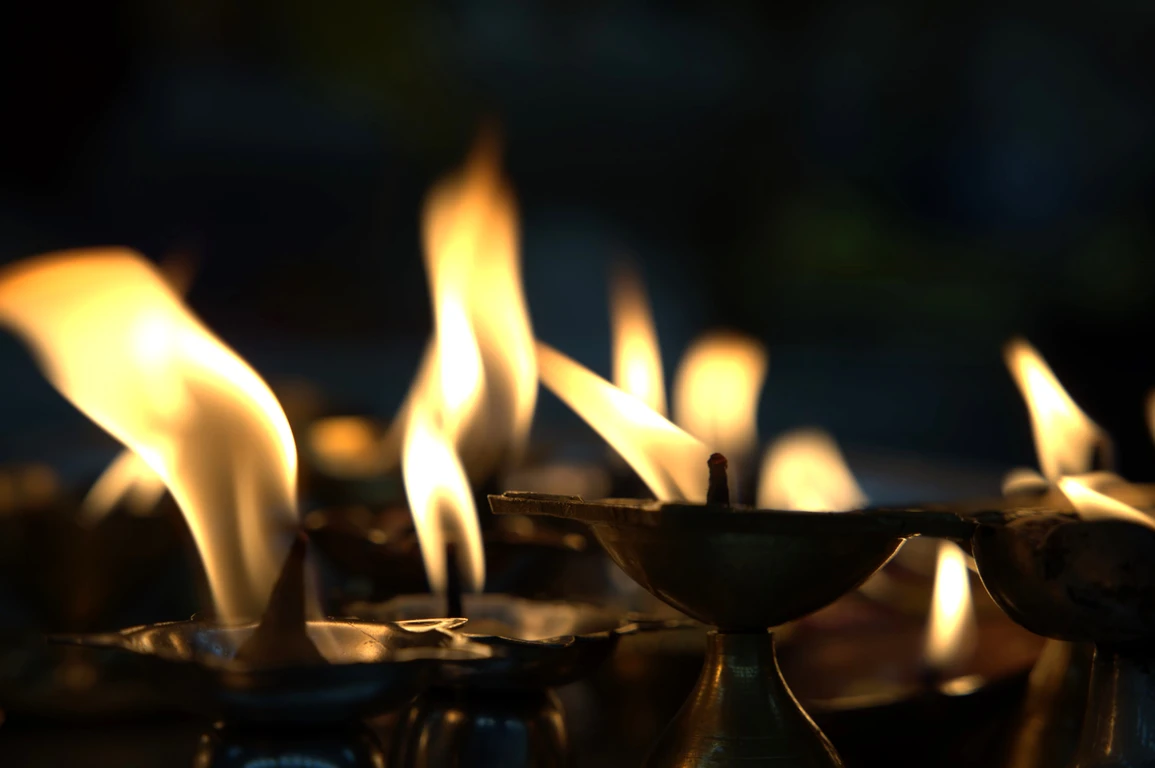
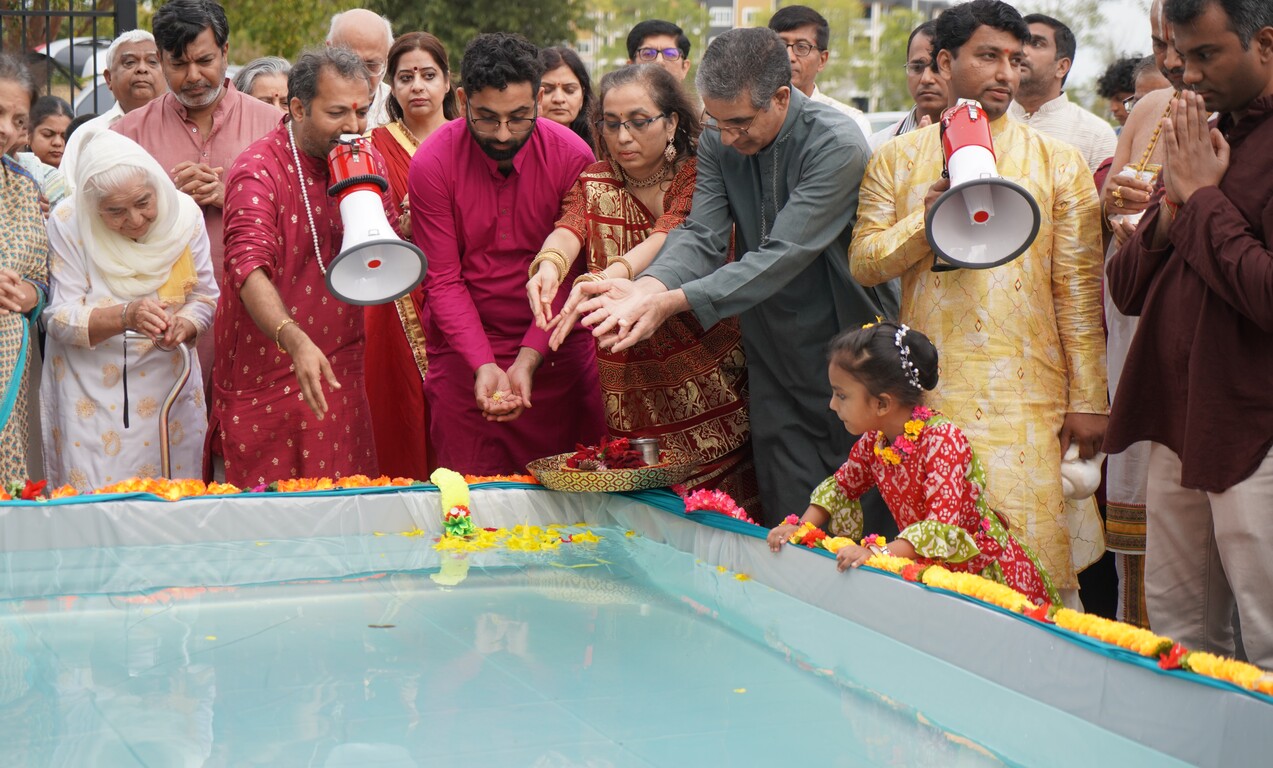
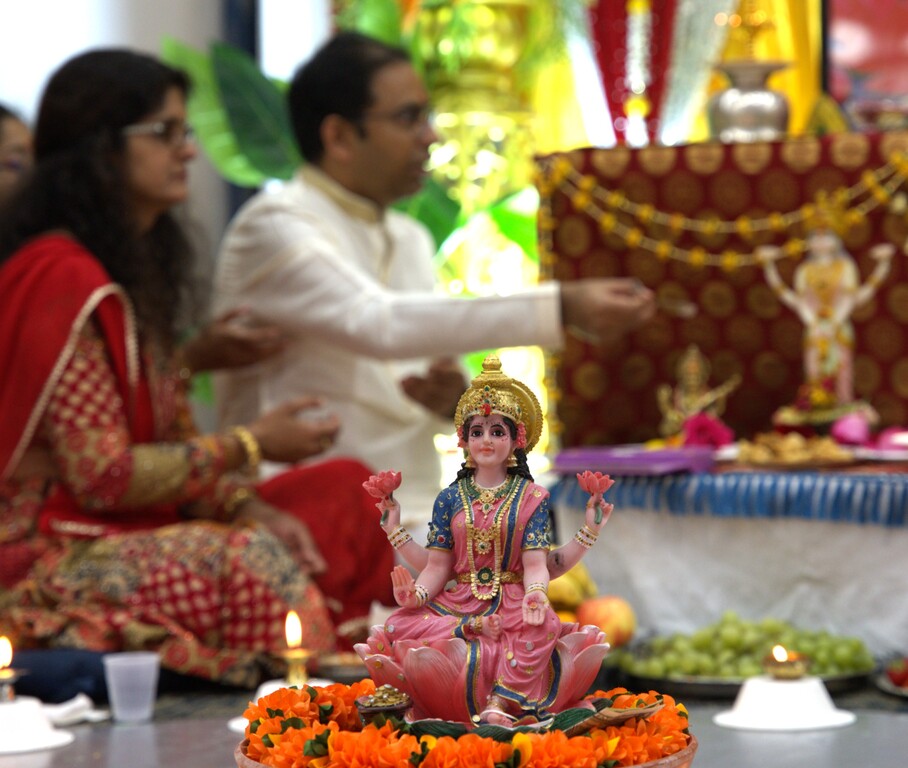
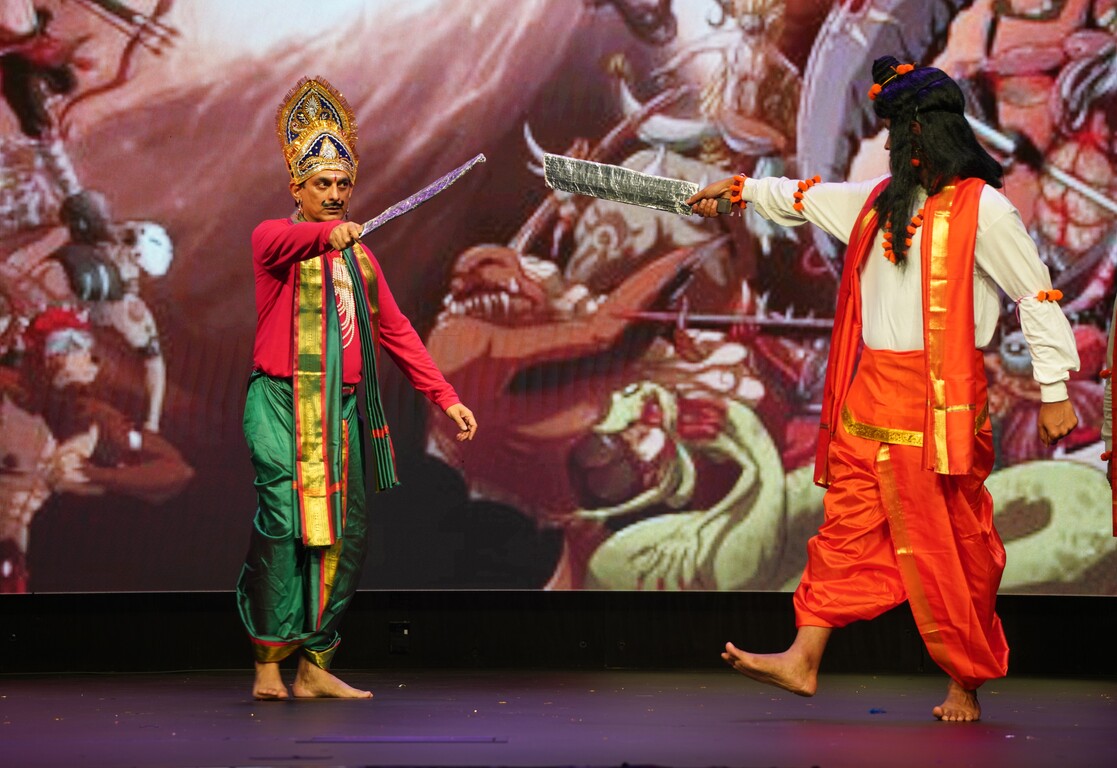
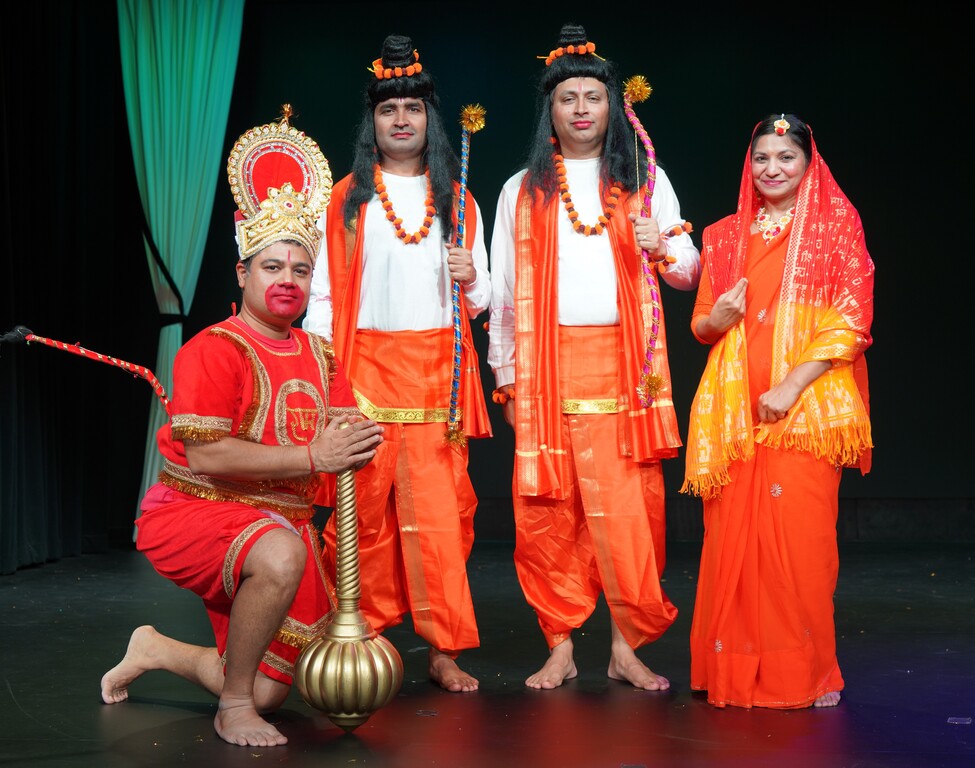
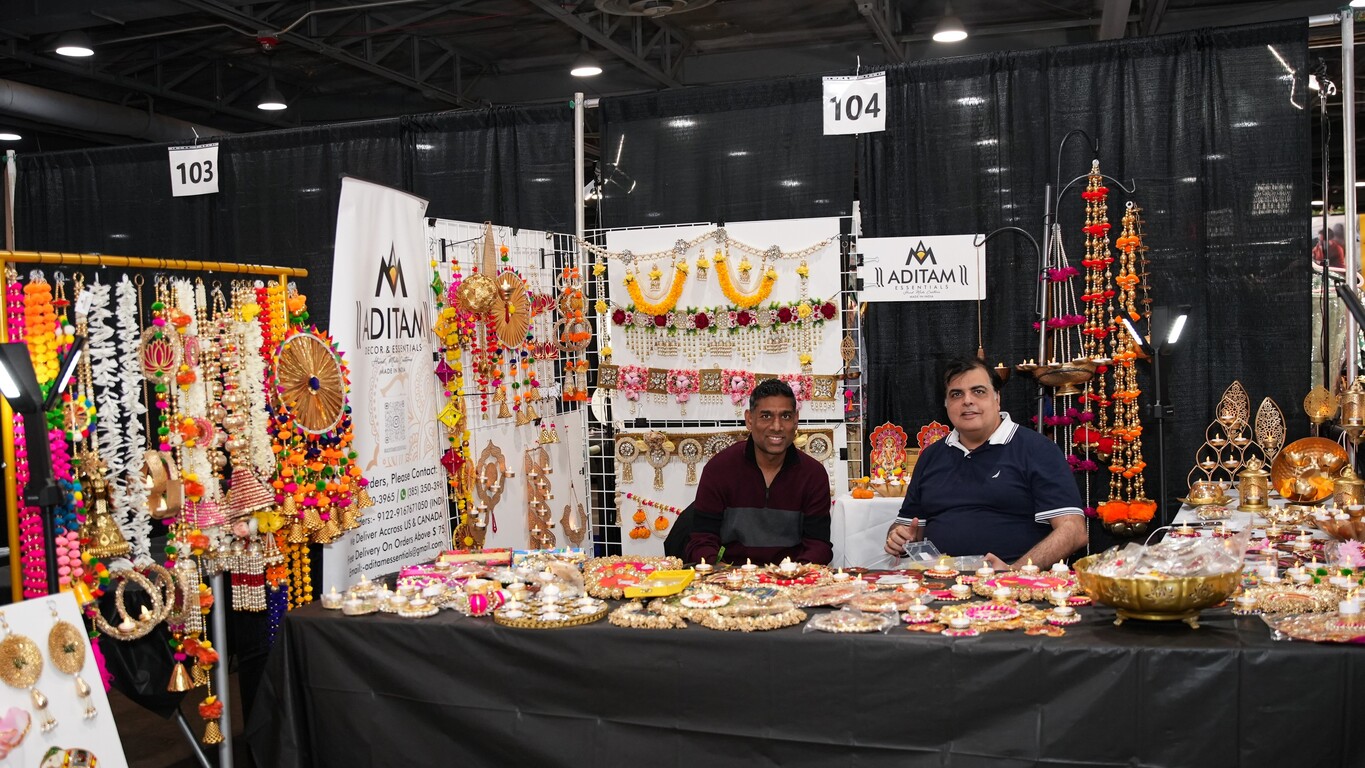
Diwali Mahotsav 2025 at Radha Krishna Temple of Dallas
A Celebration of Lights, Devotion & Festivities
October 17–21, 2025
Special Events: 24-Hour Akhand Ramayan Paath (Oct 11) | Govardhan Pooja (Oct 21)

💡 Click to light a diya
“Diwali is not just about external lights, but about lighting the lamp of knowledge within our hearts.”
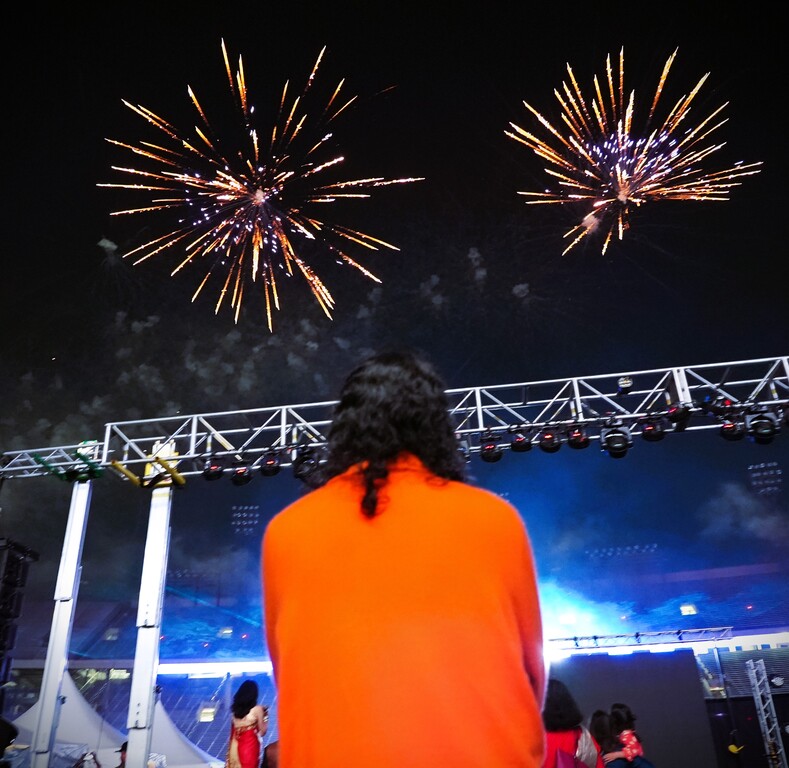


🚫 No outside fireworks allowed. Only authorized fireworks are permitted.
References
Bhagavad Gita: The Song of God. Translations and Commentary by Swami Mukundananda.
🔗 Read Online
- Valmiki Ramayana – Selected verses describing the return of Lord Rama and the joy of Ayodhya.
- Swami Mukundananda’s Teachings –
- The Science of Mind Management (2020)
- 7 Mindsets for Success, Happiness, and Fulfillment (2019)
- May your heart glow with divine light.
🪔 HAPPY DIWALI! 🪔